

Worksite Equipment Maintenance Tips: Preventive Strategies for Optimal Performance
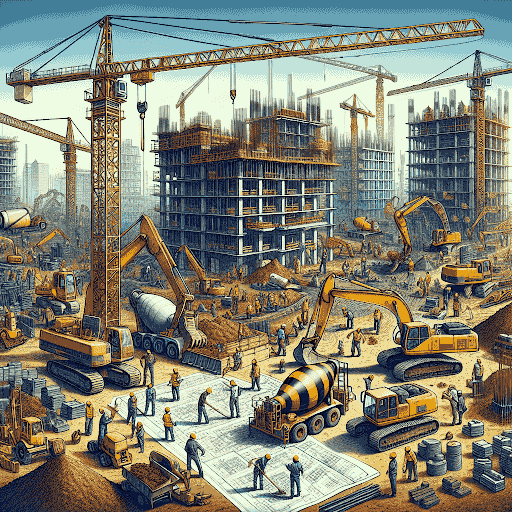
Written By : Serene In the world of worksite operations, equipment maintenance is a critical factor. It’s the backbone that ensures optimal performance and longevity of machinery. Yet, many overlook its importance, leading to unexpected downtime and costly repairs. This article aims to change that perspective. We delve into the best practices for maintaining worksite equipment. From preventive strategies to actionable tips, we cover it all. Our focus is not just on the ‘how’ but also the ‘why’. We highlight the financial and operational benefits of regular maintenance. Whether you’re a worksite manager, equipment operator, or a business owner, this guide is for you. It’s also beneficial for procurement managers interested in Mandarin Imports & Exports’ equipment. The Imperative of Regular Equipment Maintenance Regular equipment maintenance is not just a good practice. It’s an imperative for any worksite operation. It’s the key to ensuring optimal performance and extending the lifespan of your machinery. Maintenance goes beyond fixing a broken part. It’s about preventing problems before they occur. This is where the concept of preventive maintenance comes into play. Preventive maintenance involves regular inspections, cleaning, and minor repairs. It’s about identifying potential issues and addressing them early on. This approach significantly reduces the risk of unexpected equipment failure. The benefits of regular maintenance are numerous: Reduced downtime Enhanced safety Extended equipment lifespan Lower repair costs Improved efficiency Ignoring regular maintenance can lead to serious consequences. Equipment failure can result in costly downtime, safety hazards, and even legal implications. Therefore, it’s crucial to prioritize regular equipment maintenance in your worksite operations. Understanding the Scope of Worksite Equipment Maintenance Worksite equipment maintenance is a broad field. It encompasses a wide range of tasks, from daily checks to major overhauls. It’s not just about fixing things when they break. It’s about keeping them from breaking in the first place. Maintenance tasks can be as simple as cleaning and lubricating parts. They can also involve complex tasks like replacing worn-out components. It’s about understanding the unique needs of each piece of equipment and tailoring your maintenance approach accordingly. Maintenance also involves keeping detailed records. These logs help track the health of your equipment over time. They also provide valuable data for compliance and monitoring purposes. Finally, maintenance is about training. It’s crucial to ensure that all staff members understand the importance of maintenance. They should know how to properly use and care for the equipment they operate. The Role of Equipment Operators in Maintenance Equipment operators play a crucial role in maintenance. They are the first line of defense against equipment failure. They are often the first to notice signs of wear and tear or changes in performance. Operators should be trained to perform daily checks. These checks can include visual inspections, listening for unusual noises, and monitoring performance. They should also know how to report any issues they identify. The role of operators extends beyond daily checks. They should also be involved in regular maintenance tasks. This can include cleaning, lubricating, and minor repairs. Their involvement can help prevent small issues from escalating into major problems. Identifying Signs of Wear and Tear Identifying signs of wear and tear is a key aspect of equipment maintenance. Early detection can prevent minor issues from becoming major problems. It can also extend the lifespan of your equipment. Common signs of wear and tear include unusual noises, decreased performance, and increased energy consumption. Visual signs can include rust, corrosion, and visible damage to parts. It’s important to address these signs promptly. Ignoring them can lead to equipment failure, costly repairs, and extended downtime. Regular inspections and maintenance can help identify and address these signs early on. Crafting a Comprehensive Maintenance Schedule A comprehensive maintenance schedule is a cornerstone of effective equipment management. It outlines when and how each piece of equipment should be serviced. It’s a roadmap to keeping your equipment in top shape. The schedule should be tailored to the specific needs of each piece of equipment. Factors to consider include the equipment’s age, usage, and operating conditions. The schedule should also take into account the manufacturer’s recommendations. A well-crafted schedule can help prevent unexpected breakdowns. It can also extend the lifespan of your equipment. Here are some key elements to include in your schedule: Daily checks and inspections Regular cleaning and lubrication Periodic replacement of wear parts Major overhauls or inspections at specified intervals Incorporating Manufacturer’s Recommendations Manufacturer’s recommendations are a valuable resource when crafting a maintenance schedule. They provide insights into the unique needs of each piece of equipment. They outline the optimal maintenance practices to ensure the equipment’s longevity and performance. These recommendations can include specific maintenance tasks, frequency, and methods. They can also provide guidance on the types of parts and lubricants to use. It’s important to follow these recommendations closely. Deviating from them can lead to premature wear and tear or even equipment failure. Remember, the manufacturer knows their equipment best. Their recommendations are based on extensive testing and experience. Incorporating them into your maintenance schedule can help ensure optimal performance and longevity. Prioritizing Maintenance Tasks Based on Risk Assessment Not all maintenance tasks are created equal. Some are more critical than others. Prioritizing tasks based on risk assessment can help ensure that the most important tasks are not overlooked. Risk assessment involves evaluating the potential impact of equipment failure. This includes considering the likelihood of failure, the potential consequences, and the cost of preventive measures. Tasks associated with high-risk equipment or components should be prioritized. For example, a failure in a critical piece of equipment could halt operations. In this case, preventive maintenance tasks for this equipment should be a top priority. On the other hand, a non-critical piece of equipment might be able to fail without major consequences. Maintenance tasks for this equipment might be lower priority. Remember, effective maintenance is not just about doing everything. It’s about doing the right things at the right time. Prioritizing tasks based on risk assessment can help achieve this. The Financial and