

The Latest Innovations in Forklift Attachments Australia
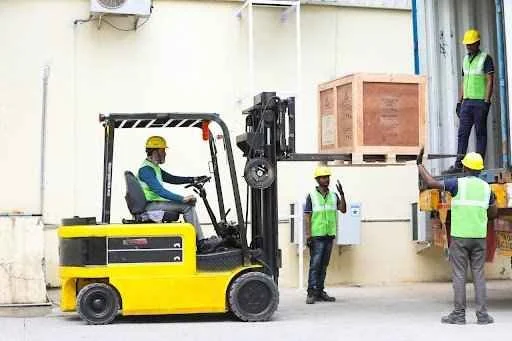
Written By : Serene In the bustling world of Australian industries, forklift attachments play a pivotal role. They are the unsung heroes, enhancing operational efficiency and safety. The latest innovations in forklift attachments are transforming the way businesses operate. They are addressing industry-specific challenges, improving productivity, and reducing environmental impact. From automation to smart systems, these advancements are revolutionising material handling. They are making forklifts more versatile and adaptable to diverse needs. This article will delve into these exciting innovations in forklift attachments Australia. We will explore how they are shaping the future of Australian industries. Whether you are a logistics manager, a forklift operator, or a business owner, this guide will provide valuable insights. Stay tuned to learn about the latest forklift attachments and where to find reliable suppliers in Australia. Understanding the Role of Forklift Attachments in Australian Industries Forklift attachments are integral to many Australian industries. They are used in warehouses, construction sites, and manufacturing plants, among others. These attachments enhance the functionality of forklifts. They allow for more precise handling of materials, increasing productivity and reducing the risk of damage. The Importance of Efficiency and Safety Enhancements Efficiency and safety are paramount in any industry. Forklift attachments contribute significantly to both. By enabling faster and more accurate material handling, they boost operational efficiency. They also reduce the risk of accidents, ensuring a safer workplace. Industry-Specific Challenges and Attachment Solutions Different industries face unique challenges. Innovative forklift attachments are designed to address these specific needs. For instance, construction sites may require heavy-duty attachments for lifting large materials. On the other hand, warehouses might benefit from attachments that allow for precise stacking of goods. Breakthrough Technologies in Forklift Attachments The world of forklift attachments is not immune to technological advancements. New technologies are constantly being integrated into these tools, enhancing their capabilities. These breakthroughs range from automation to smart systems. They are transforming the way industries handle materials, making operations more efficient and safer. Automation and Smart Systems Integration Automation is a game-changer in forklift attachments. It allows for precise control, reducing the risk of errors and accidents. Smart systems, on the other hand, provide real-time data. This information can be used to monitor performance and make necessary adjustments, ensuring optimal operation. Sustainable and Eco-Friendly Innovations Sustainability is a key concern in today’s world. Forklift attachment manufacturers are responding by developing eco-friendly innovations. These include energy-efficient attachments and those made from recycled materials. Such innovations not only reduce environmental impact but can also lead to cost savings in the long run. The Rise of Multi-Purpose and Customizable Attachments Multi-purpose and customizable attachments are gaining popularity. They offer versatility, allowing forklifts to handle a variety of tasks with a single attachment. Customizable attachments, meanwhile, can be tailored to specific needs. This ensures that they perfectly fit the task at hand, enhancing efficiency and safety. Leading Suppliers of Forklift Attachments in Australia When looking for forklift attachments suppliers, Australia is home to several leading suppliers of forklift attachments. These companies offer a wide range of products, catering to the diverse needs of various industries. They are known for their commitment to quality and innovation. They continuously strive to develop new and improved attachments that can enhance operational efficiency and safety. Spotlight on Australian Forklift Attachment Manufacturers Among the top manufacturers in Australia, some stand out for their exceptional offerings. They have earned a reputation for their innovative designs and high-quality products. These companies are not just manufacturers. They are also pioneers, leading the way in the development of new technologies and solutions in the forklift attachment industry. The Importance of Local Support and Services Local support and services are crucial when investing in forklift attachments. They ensure that you get the most out of your investment. From installation to maintenance and repairs, local suppliers can provide timely and efficient services. This can significantly reduce downtime, ensuring that your operations run smoothly at all times. Selecting the Right Forklift Attachments for Your Needs Choosing the right forklift attachments is crucial for your business. The right attachments can significantly enhance your operational efficiency and safety. However, with the wide variety of options available, making the right choice can be challenging. It requires a thorough understanding of your specific needs and the capabilities of different attachments. Compatibility and Customization Considerations Compatibility is a key factor to consider when choosing forklift attachments. The attachments you choose must be compatible with your existing forklift models. Customization is another important consideration. Some suppliers offer customizable attachments that can be tailored to meet your specific needs. This can provide a more efficient and cost-effective solution for your business. The Role of Expert Advice in Attachment Selection Expert advice can be invaluable in the selection process. Forklift attachment experts can provide insights into the latest innovations and help you choose the best attachments for your needs. They can also provide guidance on proper use and maintenance, ensuring that you get the most out of your investment. This can significantly enhance the longevity and performance of your forklift attachments. Future Trends and Innovations on the Horizon The world of forklift attachments is not static. It’s constantly evolving, driven by technological advancements and changing industry needs. Innovations are continually emerging, offering new ways to enhance efficiency, safety, and productivity. These advancements are shaping the future of forklift attachments in Australia and beyond. The Potential of AI and IoT in Forklift Attachments Artificial Intelligence (AI) and the Internet of Things (IoT) are two technologies with significant potential in the realm of forklift attachments. They offer opportunities for automation, data analysis, and predictive maintenance. AI can enable smarter, more efficient operations, while IoT can provide valuable data to inform decision-making and improve performance. These technologies are set to revolutionise the forklift attachment industry. Embracing Change: The Importance of Continuous Learning In this rapidly evolving industry, continuous learning is crucial. Staying abreast of the latest trends and innovations can give businesses a competitive edge. It’s important to be open to new technologies
Why Forklift Tyre Selection is Critical for Fleet Management in High-Volume Warehouses
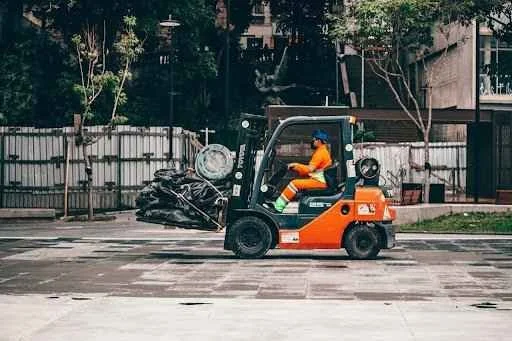
Written By : Serene In high-volume warehouses, forklifts are the workhorses that keep operations running smoothly. But what keeps these forklifts performing at their best? One critical factor is the selection of the right tyres. Choosing the appropriate tyres for your forklifts can significantly impact the efficiency, safety, and cost-effectiveness of your warehouse operations. This article aims to shed light on why forklift tyre selection is so crucial for fleet management in high-volume warehouses. Whether you’re a fleet manager, a procurement officer, or a forklift parts supplier, you’ll find valuable insights in this guide. Understanding Forklift Tyre Types Forklift tyres are not one-size-fits-all. Different types of tyres like forklift solid tyres are designed for specific warehouse environments and tasks. Here are the most common types of forklift tyres: Pneumatic Tyres: These are similar to car or truck tyres. They are air-filled, providing excellent shock absorption. Pneumatic tyres are ideal for rough or uneven surfaces, but they can be punctured, which may lead to downtime. Solid Tyres: Also known as cushion tyres, these are made of solid rubber. They are puncture-resistant and durable, making them a popular choice for high-volume warehouses. However, they offer less shock absorption than pneumatic tyres. Polyurethane Tyres: These tyres are lightweight and provide excellent manoeuvrability. They are typically used for indoor operations due to their low rolling resistance. However, they may wear out faster than other tyre types. Specialised Tyres: These include non-marking tyres, which leave no marks on warehouse floors, and heat-resistant tyres for operations involving high temperatures. Understanding these tyre types is the first step in making an informed tyre selection for your forklift fleet. The Impact of Tyre Selection on Warehouse Operations The choice of forklift tyres can significantly impact warehouse operations. The right tyres can enhance the efficiency of your forklift fleet. They can withstand heavy loads and continuous use, reducing the risk of unexpected downtime. Moreover, the correct tyre selection can improve fuel efficiency and energy consumption, especially in electric forklifts. On the other hand, incorrect tyre selection can lead to increased maintenance costs and safety risks. For instance, using a tyre not designed for your warehouse floor can cause rapid wear and tear, leading to frequent replacements. Similarly, using a tyre not suited to the load capacity of your forklift can increase the risk of accidents. Therefore, understanding the impact of tyre selection is crucial for efficient and safe warehouse operations. Factors Influencing Forklift Tyre Choice Several factors influence the choice of forklift tyres. One of the primary considerations is the floor conditions of the warehouse. Different tyre types are suited to different floor surfaces. For instance, solid tyres are ideal for smooth, indoor surfaces, while pneumatic tyres are better for rough, outdoor terrains. Another crucial factor is the load capacity of the forklift. The tyres must be able to support the weight of the forklift and the load it carries. Overloading can lead to premature tyre wear and potential safety hazards. The operating environment also plays a role in tyre selection. Factors such as temperature, humidity, and exposure to chemicals can affect tyre performance and lifespan. For example, polyurethane tyres are resistant to many chemicals, making them suitable for warehouses dealing with hazardous materials. Lastly, the lifespan and cost of the tyres are important considerations. While some tyres may have a higher upfront cost, they may last longer and offer better performance, resulting in lower overall costs in the long run. Floor Conditions: The type of flooring in your warehouse can dictate the best tyre choice. Load Capacity: The weight your forklift needs to carry influences the tyre selection. Operating Environment: Factors like temperature and chemical exposure can affect tyre performance. Tyre Lifespan and Cost: The longevity and cost-effectiveness of the tyres are crucial considerations. Safety and Efficiency: The Role of Proper Tyre Maintenance Proper tyre maintenance is crucial for both safety and efficiency in high-volume warehouses. Regular inspections can help identify issues such as uneven wear, punctures, or under-inflation, which can lead to accidents or reduced performance. Moreover, a well-maintained tyre can significantly improve the efficiency of forklift operations. It ensures optimal fuel consumption, reduces the risk of downtime due to tyre failure, and contributes to a smoother ride for operators. Therefore, incorporating a robust tyre maintenance routine is a critical aspect of effective fleet management. The Role of Forklift Parts Suppliers in Tyre Selection Forklift parts suppliers play a pivotal role in tyre selection. They provide expert advice on the best tyre types for specific warehouse conditions and operations. Their knowledge of the latest tyre technologies and trends can be invaluable in making informed decisions. Moreover, reputable suppliers often offer warranties and guarantees on their products. This can provide additional peace of mind and can be a deciding factor in the tyre selection process. Therefore, building a strong relationship with a reliable forklift parts supplier can be a strategic move for effective fleet management. Case Studies: The Real-World Benefits of Optimal Tyre Selection Case studies provide tangible evidence of the benefits of optimal tyre selection. For instance, a high-volume warehouse that switched to solid tyres reported a significant reduction in maintenance costs and downtime. The durability of these tyres under heavy loads and continuous use proved to be a cost-effective solution. In another case, a warehouse that implemented a tyre management system saw improved safety and efficiency. Regular tyre inspections and timely replacements helped prevent accidents and maintain fleet performance. These real-world examples underscore the importance of strategic tyre selection and management. Conclusion: Integrating Tyre Selection into Fleet Management Strategy In conclusion, forklift tyre selection is a critical aspect of fleet management in high-volume warehouses. It directly impacts safety, efficiency, and cost-effectiveness of operations. Therefore, it should be integrated into the overall fleet management strategy. Working with reputable forklift parts suppliers, conducting regular tyre inspections, and implementing a tyre management system are all part of this strategic approach. By considering factors such as floor conditions, load capacity, operating environment, and tyre lifespan, warehouses can optimise their