

The Role of Container Ramps in Streamlining Logistics and Supply Chains
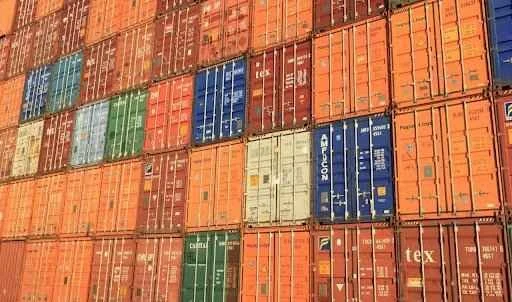
Written By : Serene Efficiency is the backbone of any successful logistics and supply chain operation. One key element that often goes unnoticed in this process is the humble container ramp. Container ramps, also known as loading ramps, play a crucial role in streamlining the loading and unloading of goods. They bridge the gap between the ground and the container or truck, facilitating smooth movement of cargo. But their role extends beyond mere facilitation. Container ramps contribute significantly to workplace safety, reducing the risk of accidents during loading and unloading. They also help in handling heavy cargo with ease, enhancing operational efficiency. Moreover, with a variety of types available in the market, container ramps can cater to different vehicles and cargo types. This versatility makes them an indispensable tool in diverse industries. In this guide, we delve into the world of container ramps, exploring their role, types, selection criteria, and much more. Let’s embark on this journey to understand how container ramps can revolutionise your logistics and supply chain operations. Understand Their Importance Container ramps are essential tools in logistics, acting as inclined planes that connect the ground to higher surfaces like containers or trucks. Their primary purpose is to facilitate efficient loading and unloading, thereby minimising manual lifting. In the context of supply chains, these ramps enhance efficiency by significantly reducing loading times. Faster turnaround means more shipments processed in less time, boosting overall productivity. Safety is another critical advantage that container ramps offer. By providing a stable and secure path for moving cargo, they help prevent accidents that could occur during manual lifting or transferring. Handling heavy cargo becomes much more manageable with container ramps. They allow for the seamless movement of large loads, whether it be machinery, pallets, or bulky goods, enabling operators to transport weighty items safely. Container ramps are designed to serve various vehicles and loading requirements. This versatility ensures they are suitable for diverse logistics setups, from small warehouses to large industrial facilities. Each ramp type can be tailored to fit specific needs, enhancing logistic operations across different sectors. Through these advantages, container ramps stand out as indispensable equipment that can streamline logistics processes, ensure safety, and boost productivity. Types of Container Ramps in the Market Standard container ramps are the most common type found in logistics. They provide a straightforward solution for basic loading and unloading tasks. Their simple design makes them easy to use and widely applicable across various industries. Fold-out or two-piece container ramps offer more flexibility. They can be easily transported and set up, making them ideal for operations that require mobility. These ramps are particularly beneficial for businesses that need to use them in different locations. Long container ramps are tailored for situations where a gentle slope is necessary. This design is perfect for rolling heavier loads or delicate cargo, as it minimises the incline and thus reduces the strain on equipment or manual effort needed. Reefer or refrigerated container ramps are specialised for use with temperature-controlled containers. They incorporate insulation to maintain the cold chain, ensuring that perishable goods remain at the right temperature throughout the loading process. Lightweight container ramps provide convenience without sacrificing strength. Made from materials like aluminum, they offer easy handling and transport while still supporting substantial weight loads. Their lightweight nature simplifies deployment, especially in environments where ramps need frequent repositioning or setup. Selecting the Right Container Ramp for Your Needs When choosing a container ramp, weight capacity is crucial. Ramps must handle the heaviest expected loads without compromising safety. Overloading a ramp can lead to accidents and damage to goods or equipment. Material and construction are also important factors to consider. Steel and aluminum are popular choices due to their strength and durability. Steel offers robustness for heavy-duty applications, while aluminum provides a lightweight option that’s easier to handle. Deciding between portable and permanent ramps depends on operational needs. Portable ramps offer flexibility for changing locations and dynamic logistics environments. Permanent ramps, on the other hand, suit fixed sites with consistent loading and unloading requirements. Customisation options can enhance ramp utility. Some ramps offer adjustable lengths, widths, or surfaces to meet specific operational demands. These customisations help tailor the ramp to fit unique warehouse setups or special cargo types. Compliance with regulations and standards ensures safety and legality. It’s essential to check local codes and certifications that apply to ramp installations. Adhering to these standards not only promotes safe usage but also avoids potential legal liabilities. Consider these factors carefully to select the most suitable container ramp for your operation’s unique needs. Proper assessment leads to enhanced efficiency and safety in logistics operations. Integrating Container Ramps with Forklift Accessories Container ramps play a vital role in forklift operations. They provide a stable and safe transition point for forklifts moving goods between ground level and containers. This integration is crucial for maintaining workflow and preventing disruptions in logistics. Compatibility with various forklift accessories further enhances the functionality of container ramps. Accessories like forklift extensions and attachments can be used effectively when paired with the right ramp setup. Ensuring the ramp and accessories work in harmony is essential for seamless operations. Enhancing operational efficiency hinges on a thoughtful setup. Selecting the right container ramp helps optimise forklift movement, reducing time spent on loading and unloading. This streamlined process supports faster turnaround times and boosts overall productivity in warehousing and distribution tasks. The Economic and Environmental Benefits of Container Ramps Container ramps bring remarkable economic benefits by reducing loading and unloading times. Quicker processing means faster turnaround, letting businesses handle more cargo in less time. This efficiency boost is essential for maintaining a competitive edge in the logistics industry. Minimising product damage is another key advantage of using container ramps. Gentle transitions between container and ground reduce the risk of goods being jostled or dropped. Safe handling not only protects valuable cargo but also decreases loss-related costs. Lowering labor costs becomes possible with container ramps due to their streamlined operations. Workers spend less time
Solving Common Workplace Challenges with the Right Forklift Accessories
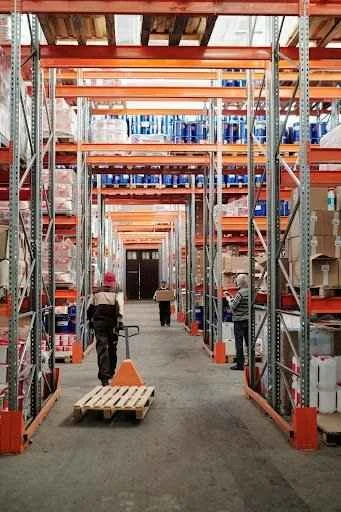
Written By : Serene In any workplace, efficiency and safety are paramount. This is especially true in environments where forklifts are in operation. Forklifts are versatile machines. But their functionality can be significantly enhanced with the right accessories. Workplace forklift accessories are not just add-ons. They play a crucial role in improving productivity, ensuring safety, and solving common workplace challenges. From forks and clamps to booms and rotators, the range of forklift attachments is vast. Each accessory is designed to meet specific operational needs and workplace demands. Choosing the right accessories can be a game-changer. It can transform your forklift into a multi-purpose tool, capable of handling a variety of tasks efficiently and safely. In this guide, we will explore how the right forklift accessories can help solve common workplace challenges. We aim to provide valuable insights to help you make informed decisions when selecting attachments for your forklifts. Understanding the Role of Forklift Accessories in the Workplace Forklift accessories extend the capabilities of your equipment. They allow forklifts to perform specialised tasks that would be difficult with standard forks. These attachments are essential for material handling. They help customise your forklift for unique workplace requirements, increasing both efficiency and versatility. The right accessories can minimise operational downtime and reduce the risk of workplace injuries. By enhancing the functionality of forklifts, they ensure smoother and safer workflows. Selecting suitable accessories for forklift can improve load management, boost productivity, and optimise inventory handling. In essence, they are pivotal components in streamlining operations and achieving business goals. The Top Accessories to Enhance Productivity Choosing the right accessories can significantly impact workplace efficiency. These tools extend the functionality of forklifts, making tasks quicker and more efficient. Key accessories can tackle various operational challenges and improve workflow. With the right selections, businesses can save time and money, increasing overall productivity. Here are some top forklift accessories to consider: Fork Extensions Pallet Jacks Rotators and Clamps Fork Extensions Fork extensions are essential for handling long and bulky loads. They increase the length of the forklift’s forks, allowing operators to move oversized items with ease. This accessory is crucial when dealing with large, awkward, or heavy items that standard forks struggle to handle. It’s a simple addition that can greatly enhance the versatility of your forklift. Pallet Jacks Pallet jacks simplify moving pallets within tight warehouse spaces. They serve as handy attachments for enhancing maneuverability, particularly in cramped conditions. These tools are a staple in warehouses, offering excellent support for quick transportation tasks. Their easy-to-use nature makes them a favorite among forklift operators for boosting efficiency. Rotators and Clamps Rotators and clamps add unique handling capabilities to forklifts. They enable rotation and secure gripping, perfect for industries requiring precise material manipulation. Whether dealing with cylindrical objects or handling attachments, these tools are indispensable. They bring efficiency and versatility into tasks that require careful positioning and control. Improving Safety with the Right Attachments Safety is paramount in any material-handling environment. Using the right forklift attachments can reduce accidents and enhance operator well-being. Specialised accessories are designed to minimise risk and ensure tasks are performed safely. By improving stability and operator protection, these tools contribute to a safer workspace. Safety Cages and Work Platforms Safety cages and work platforms are vital for lifting personnel securely. These attachments are essential for tasks that involve working at heights, providing a stable base for individuals. Their robust construction prevents falls, making them indispensable in operations requiring elevated work. These tools contribute significantly to workplace safety by ensuring secure and stable elevation. Load Backrests Load backrests play a crucial role in maintaining load stability during transport. By preventing items from falling backwards onto the driver, they ensure both load security and operator safety. In addition to enhancing safety, they help maintain efficient workflow by keeping loads intact. This simple yet effective accessory is key in any environment where safe transport of goods is a priority. Maximising Efficiency with Custom Forklift Attachments Boosting efficiency is crucial in fast-paced warehouse environments. Custom forklift attachments can significantly enhance productivity by tailoring operations to specific needs. These accessories help in optimising tasks such as shifting, picking, and transporting multiple loads. By reducing time spent on manual adjustments, they allow operators to perform tasks quicker and more efficiently. Side Shifters and Layer Pickers Side shifters and layer pickers offer significant flexibility for material handling. Side shifters enable lateral movement without repositioning the forklift, saving valuable time during alignment. Layer pickers are ideal for picking layers of items, enhancing speed and accuracy. These attachments streamline tasks, reducing labor time, and enhancing the overall workflow. Multiple Load Handlers Multiple load handlers are designed to carry more than one load at a time. This capacity doubles or even triples load handling efficiency, perfect for high-demand periods. By allowing operators to move several items simultaneously, these attachments cut down on trips. This leads to faster processing times and improved warehouse throughput, ensuring a more productive operation. Selecting the Right Accessories for Your Forklift Choosing the right accessories can profoundly impact your operations. It’s crucial to consider the specific needs and tasks at your workplace. Compatibility, durability, and cost are key factors in making the right decision. A well-informed choice can lead to increased productivity and reduced operational costs. Here’s a quick checklist to guide your selection process: Assess compatibility with existing forklifts Determine the specific tasks and loads involved Evaluate the durability and reliability of the accessory Consider the cost vs. long-term benefits Ensure compliance with safety regulations By carefully selecting the right forklift attachments, you equip your operation for success. Maintenance and Training: Ensuring Longevity and Compliance Proper maintenance of forklift accessories is essential for their longevity and effectiveness. Regular inspections ensure that attachments remain in top condition. Maintenance prevents unexpected failures and prolongs equipment life. Training operators on using new accessories is equally important. Skilled operators reduce accidents and enhance operational efficiency. Comprehensive training improves safety and ensures compliance with industry standards. Investing time in both maintenance and