

Ensuring Peak Performance: A Guide to Forklift Spare Parts
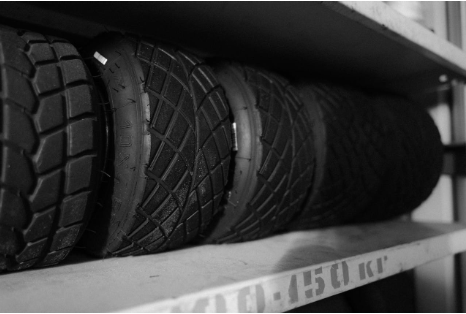
Written By : Serene Forklifts are the backbone of many industries. They are essential for efficient operations in warehouses, construction sites, and manufacturing plants. However, like any machinery, they require regular maintenance. including the timely replacement of Forklift Spare Parts to avoid unexpected breakdowns. This guide focuses on spare parts for forklifts. It aims to provide comprehensive information to help you ensure your forklift operates at peak performance. We will delve into the importance of using quality parts. We’ll also discuss how to choose between OEM and aftermarket parts, and how to identify signs of wear. Additionally, we’ll explore the role of a reliable forklift supplier in maintaining your equipment. We’ll also touch on the impact of using incorrect or worn-out parts on your forklift’s performance and safety. By the end of this guide, you’ll have a better understanding of how to manage your forklift parts inventory effectively, ensuring minimal downtime and maximum productivity. Understanding the Importance of Forklift Spare Parts Spare parts play a critical role in maintaining operational efficiency. Regular maintenance and timely part replacement ensure safety and extend the lifespan of your equipment. Worn or damaged parts can lead to unexpected breakdowns. These breakdowns cause costly downtime and disrupt business operations. Using the right spare parts ensures compatibility with your forklift model. This compatibility helps avoid performance issues and ensures smooth operation. Additionally, high-quality spare parts help maintain compliance with industry standards. They also contribute to the overall safety of operators and surrounding personnel. Types of Spare Parts: OEM vs Aftermarket When dealing with spare parts, it’s essential to know the differences between OEM and aftermarket options. OEM parts are made by the original manufacturer of the forklift. They are specifically designed to fit particular models. Aftermarket parts, on the other hand, are produced by third-party manufacturers. These parts often come at a lower cost. However, quality can vary widely among aftermarket suppliers. Here are some key considerations: OEM Parts: Perfect match, often higher quality, standard pricing. Aftermarket Parts: Diverse options, potential savings, varying quality. Quality and compatibility should drive your decision. The wrong part may lead to performance issues. Balancing cost and reliability is crucial for seamless operations. Selecting the right type of part requires careful consideration. Understanding your specific needs will help make an informed decision. Benefits of OEM Parts OEM parts offer several advantages. Their primary benefit is guaranteed compatibility with your equipment. These parts help ensure the forklift operates as intended by the manufacturer. You also enjoy peace of mind with OEM parts due to their reliability. They meet the same quality standards as the original components. This reliability can result in fewer breakdowns and extended equipment life. Opting for OEM parts maintains your warranty agreements. This factor can save you costs related to unintended damages. When to Consider Aftermarket Parts Choosing aftermarket parts can be beneficial when looking to cut costs. These parts are generally less expensive than OEM parts. They provide viable options for budget-conscious operations. However, it’s essential to consider quality when selecting aftermarket parts. Some aftermarket options may match OEM standards or even exceed them. Researching reputable suppliers is key to finding reliable aftermarket parts. Aftermarket parts are also suitable for older forklift models. They offer flexible solutions for parts that may be discontinued or hard to find. Identifying Common Forklift Parts for Replacement Understanding which forklift parts require regular replacement is vital. Some parts wear out faster than others due to constant use. Knowing these can help you plan maintenance effectively. There are several key components that tend to need more frequent replacements. Routine checks on these parts can prevent unexpected breakdowns. Here is a list of commonly replaced forklift parts: Tires: Subject to heavy wear, they impact safety. Filters: Clogged filters reduce engine efficiency. Brakes: Essential for safe operations. Forks: They carry the load and often face stress. Batteries: Crucial for electric forklifts, affecting power. Regular inspection helps in identifying worn parts early. Timely replacement of these components ensures operational safety. It also aids in maintaining efficiency and prolonging the lifespan of the forklift. Choosing the Right Forklift Supplier Selecting the right forklift supplier is essential for efficient operations. A reliable supplier provides quality parts and expert advice, ensuring your equipment runs smoothly. When evaluating suppliers, consider their reputation. A well-established supplier is more likely to offer consistent service and reliable parts. Assess the range of parts they offer. A supplier with a comprehensive inventory can meet your needs quickly. This reduces downtime significantly. Finally, consider customer support. A good supplier is responsive and helps resolve issues promptly. This can be a deciding factor in maintaining forklift performance. The Role of a Supplier in Maintenance and Repairs Suppliers play a crucial role in forklift maintenance. They provide the needed parts and ensure their compatibility with your equipment. A knowledgeable supplier offers valuable maintenance tips. This helps extend the lifespan of your forklift, maximising efficiency. Their expertise in repairs is indispensable. A supplier’s advice can prevent common issues, saving time and cost in the long term. Signs of Wear and When to Replace Parts Forklifts endure heavy use, leading to wear over time. Identifying wear early prevents more significant issues. One sign of wear is unusual noises during operation. These sounds often indicate parts are failing or misaligned. Decreased performance is another warning. If your forklift struggles to lift loads, inspect for worn parts immediately. Regularly check tires, brakes, and forks for visible damage. Replace damaged components promptly to maintain safety and efficiency. The Impact of Using Incorrect or Worn-Out Parts Using incorrect parts can drastically affect forklift performance. This mistake might lead to unexpected breakdowns. Such interruptions often result in costly downtime. Worn-out parts pose safety risks. They can lead to accidents, endangering operators and others nearby. Ensuring parts are in good condition is crucial. Moreover, using the wrong parts can void warranties. This oversight may increase long-term repair costs, straining budgets unnecessarily. Tips for Managing Your Forklift Parts Inventory Efficient inventory management is crucial. It