

Complete Guide to ForkLift Parts: Identification, Selection, and Purchase in Australia
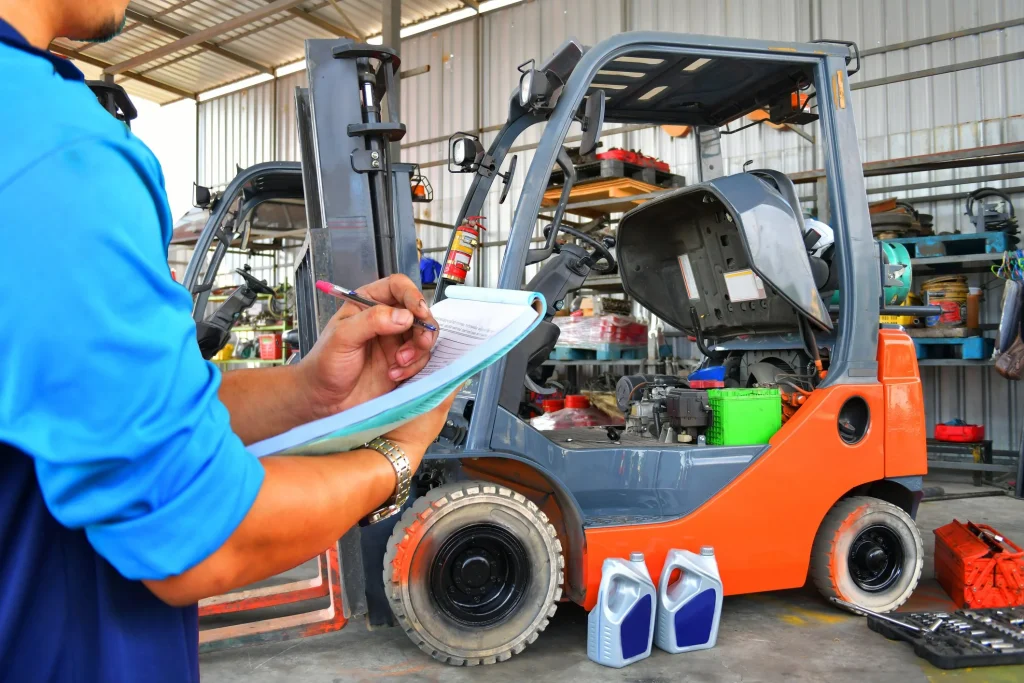
Written By : Serene A forklift part that breaks down may interrupt operations and result in a loss in thousands of dollars of used time and safety hazard; this guide explains the methods to identify, choose and purchase the appropriate forklift parts in Australia so as to reduce downtimes and prolong devices life. You will come to know of the major category of the parts and the use and functionality of the parts and the step wise methodology of selection of your make and model of the car, the suppliers that can be trusted like Mandarin Imports Exports that can assist in delivering it Australia wide, the signs of failure of the parts and the ways to maintain and care for the parts, the various types of tires they can use on various surfaces and the newest trends and fashions that we may face in this industry. This will enable you to find the quality parts, work with less downtime, and maintain your fleet in satisfactory fashion by the end of the book. What Are the Main Types of Fork Lift Parts and Their Functions? Forklift parts encompass engine, hydraulic, electrical, drivetrain/chassis, mast/carriage, and operator safety components that work together to lift, move, and secure loads with precision. Each category contains critical sub-assemblies designed for reliability under heavy duty conditions. Which Engine Parts Are Essential for Fork Lift Operation? A forklift engine relies on the engine block, pistons, crankshaft, and cylinder head to convert fuel into mechanical force, delivering power for lifting and travel. Key components include: Fuel system (injectors, filters, pumps) ensuring clean, consistent combustion Cooling system (radiator, water pump, thermostat) regulating temperature Ignition and charging (starters, alternators, spark/glow plugs) enabling reliable starts and electrical supply These parts maintain power output and prevent overheating, which leads us into the role of hydraulics for load handling. What Hydraulic Parts Keep Your Fork Lift Running Smoothly? Hydraulic systems use pressurised fluid to lift and tilt loads with precision and safety, relying on pumps, cylinders, and control valves. Hydraulic Pump: Converts mechanical power to fluid pressure for lift circuits Cylinders: Translate fluid pressure into linear motion for forks and tilt Control Valves: Direct flow to lifting, lowering, and tilting functions Hoses and Seals: Maintain leak-free operation under high pressure A well-serviced hydraulic system prevents slow lifts and leakage, guiding us to consider electrical performance next. How Do Electrical Parts Affect Fork Lift Performance? Electrical components power ignition, controls, lighting, and safety alarms that keep operators informed and machines responsive. Batteries: Provide energy for electric forklifts or auxiliary functions Motors and Controllers: Regulate speed and torque in electric models Switches and Relays: Manage power distribution and safety interlocks Lights and Horns: Ensure visibility and alert signaling in busy environments Reliable electrical parts reduce unexpected shutdowns and support consistent operation, paving the way to examine drivetrain and chassis assemblies. What Are the Key Drivetrain and Chassis Components? Drivetrain and chassis parts transfer engine or motor power to wheels and control stopping force, underpinning stability and maneuverability. Transmission and Gearbox: Modulate torque for varying speeds Axles and Wheels: Support load weight and maintain directional control Brakes and Brake Pads: Provide controlled deceleration and holding power Frame and Suspension: Absorb shocks and maintain alignment A robust drivetrain/chassis minimises wheel slip and wear, leading into the mast and carriage parts that handle the load directly. Which Mast and Carriage Parts Are Critical for Lifting? Mast and carriage assemblies form the core lifting mechanism, combining structural and moving parts for safe load handling. Forks: Carry and support palletised loads Mast Rollers and Bearings: Guide the mast and reduce friction Lift Chains: Transmit force from hydraulic cylinders to carriage Tilt and Lift Cylinders: Provide vertical and angular movement High-quality mast components ensure smooth lifting operations, after which we consider operator safety parts. What Operator and Safety Parts Ensure Fork Lift Security? Operator safety parts protect personnel from hazards and enhance ergonomic control, reducing risks during operation. Seats and Seat Belts: Offer comfort and restraint Overhead Guards: Shield from falling objects Mirrors and Cameras: Improve visibility around the forklift Alarms and Lights: Warn pedestrians and operators of movement Investing in proper safety parts promotes compliance and prevents accidents, completing our overview of core forklift part categories. How to Identify and Select the Right Fork Lift Parts for Your Brand and Model? How Do You Find Your Fork Lift Part Number and Data Plate? Locate the data plate on the chassis or near the operator’s seat to read the serial number, model code, engine type, and part numbering. This plate provides exact references for ordering components that fit your forklift’s specifications and avoids mismatches during servicing. What Are the Differences Between OEM and Aftermarket Fork Lift Parts? Choosing between genuine and aftermarket parts impacts cost, quality, and warranty coverage. OEM parts deliver predictable performance and full support, while aftermarket options can save costs but require careful quality checks to suit your operation. Which Fork Lift Brands Require Specific Parts? Major manufacturers each have unique engines, hydraulics, and chassis interfaces that demand brand-specific components, including: Toyota – 4Y and 1DZ engine rebuild kits Hyster – H80FT hydraulic pump assemblies Clark – C50 mast rollers and chains Mitsubishi – FG series brake pads and transmissions Yale – ERP electric motor controllers Ensuring brand compatibility prevents installation errors and maintains warranty integrity. How to Match Parts to Your Fork Lift Model and Usage Needs? Match parts by cross-referencing model numbers, data plate details, and intended usage: Determine load capacity and lift height requirements. Verify part numbers against manufacturer catalogs or forklift engine parts catalog. Confirm material handling environment to choose tires and seals. Consult a parts specialist for high-usage or extreme-duty applications. Accurate matching safeguards performance and extends service intervals. Where Can You Buy Quality Fork Lift Parts with Australia-Wide Delivery? Australia-wide delivery ensures your parts arrive quickly, reducing downtime and keeping operations on schedule. What Makes Mandarin Imports Exports a Trusted Fork Lift Parts Supplier? Mandarin Imports Exports combines extensive inventory of