

The Ultimate Guide to Buy a Portaloo for Your Project: How to Choose, Comply, and Maintain Portable Toilets
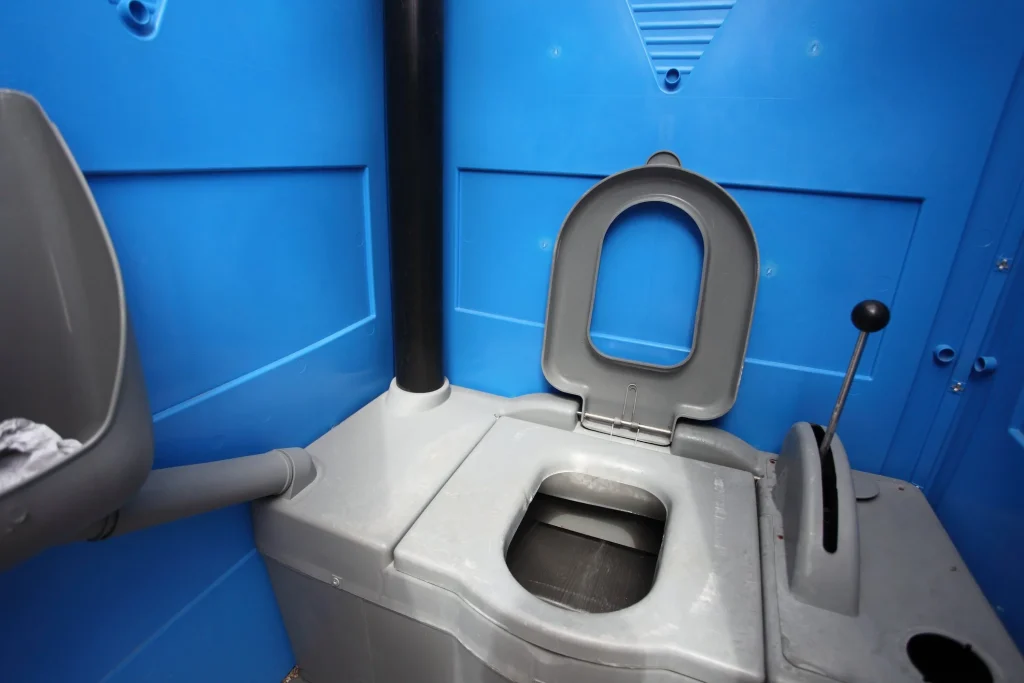
Written By : Serene Planning a construction site without proper sanitation can lead to worker dissatisfaction, regulatory fines, and unnecessary delays. This guide delivers actionable insight on how to buy portaloo units that meet safety standards, enhance site productivity, and maintain hygiene from day one. You’ll discover the types of portable toilets available, OSHA and Australian compliance rules, key purchase features, maintenance best practices, cost-benefit of buying versus renting, eco-friendly options, and strategic placement on site. By following these steps, construction managers and warehouse owners can confidently source portable toilets from Mandarin Imports & Exports to keep crews comfortable, compliant, and focused. What Are the Different Types of Portable Toilets for Construction Projects? Provision of portable toilets comes in different designs, sizes and how comfortable they are to fit in any construction situation. The appropriate type will provide workers with comfortable sanitation, minimize idle time, and favor safety measures that are applied on the sites. Mandarin Imports Exports possesses the full scope of standard formatted units suitable to standard builds, high rise undertakings, accessible needs and luxury location offices. These options lay the foundation for compliance, worker well-being, and efficiency across every project phase. What Features Define Standard Portable Toilets and Their Ideal Uses? A standard portable toilet integrates a polyethylene shell, a locking door, a holding tank, and a urinal. This basic design ensures durability and cost-effectiveness on most construction sites. Standard units fulfill OSHA guidelines for worker sanitation and support fast deployment. They are best placed near labor clusters to minimise walking time and maintain site hygiene. When Should You Choose High-Rise Portable Toilets for Multi-Story Projects? Portable toilets that are to be used and located on high-rises are designed to accommodate service elevators and rig to hoists. They can have safe crane lifts due to their steel reinforced frames and compact foot print. Use them where standard units are impossible to go to higher levels and can ensure uniform sanitation on all the floors and also minimize exertions in transport. What Benefits Do Flushable Portable Toilets Offer for Hygiene? Flushable portable toilets incorporate a manual or battery-powered flush system and a larger water tank to minimise odors and improve cleanliness. This mechanism keeps surfaces rinsed after each use, cutting bacterial buildup. Flushable units support stringent hygiene protocols on sites requiring higher health standards. What Are the OSHA and Australian Regulations for Portable Toilets on Construction Sites? Compliance with OSHA and Australian health and safety standards ensures legal operation and protects worker welfare. Regulations dictate minimum toilet ratios, accessibility features, placement intervals, and maintenance schedules. Meeting these rules reduces inspection risks and reinforces corporate credibility. How Many Portable Toilets Are Required per Worker According to OSHA and Australian Standards? OSHA recommends one toilet per 20 workers for a 40-hour work week, with increased ratios for fewer workers or shorter shifts. Australian state guidelines often mirror this ratio but may require one unit per 10 workers on high-exposure sites. Adhering to these thresholds ensures adequate facilities and prevents regulatory penalties. OSHA Regulations for Portable Toilets OSHA standards mandate specific ratios of portable toilets to workers, typically one toilet per 20 employees for a 40-hour work week. These regulations are designed to ensure adequate sanitation facilities on construction sites, promoting worker health and safety. Occupational Safety and Health Administration (OSHA), Sanitation in Construction (2024) This citation supports the article’s discussion of OSHA regulations regarding the number of portable toilets required on construction sites. What Accessibility Standards Must Portable Toilets Meet on Construction Sites? Sites must offer ADA or equivalent local facilities for every accessible work area. Portable toilets need ramp access, door clearances of at least 850 mm, and interior turning space of 1500 mm diameter. Installing compliant units demonstrates respect for all employees and aligns with anti-discrimination laws. ADA Compliance for Portable Toilets ADA-compliant portable toilets must provide wheelchair-accessible entrances, grab rails, and sufficient interior space to meet disability regulations. These features ensure equal access for all workers, aligning with anti-discrimination laws and promoting an inclusive work environment. How Do Regulations Affect Portable Toilet Placement and Maintenance? Local regulations mandate toilets be no more than 90 m from workers and clearly marked. Maintenance intervals, typically weekly servicing, are legally required to ensure sanitary conditions. Proper placement reduces cross-contamination risks, while consistent servicing upholds regulatory standards and worker confidence. What Key Features Should You Consider When Buying a Portable Toilet? Choosing a portaloo involves evaluating material strength, ventilation, capacity, and accessory options. The right combination extends unit lifespan, enhances comfort, and simplifies upkeep. Mandarin Imports Exports’ selection balances robust construction with ergonomic design to match varied site demands. How Do Durability and Materials Impact Portable Toilet Performance? Polyethylene shells resist impact, UV exposure, and chemical damage, while steel-framed bases prevent warping under heavy use. Durable materials reduce replacement costs and support long-term projects in harsh environments. Quality construction ensures units remain functional and visually presentable throughout the job. Why Are Ventilation, Lighting, and Handwashing Stations Important? Effective ventilation vents odors and moisture, maintaining air quality. Built-in LED lighting improves visibility during pre-dawn or night shifts. Integrated handwashing stations with soap dispensers promote hygiene compliance and reduce cross-infection. These features affirm a site’s commitment to worker health and safety. What Are the Typical Dimensions and Capacity Requirements for Construction Portaloos? Standard portable toilets measure approximately 1.2 m wide × 1.2 m deep × 2.3 m high with a 200 L waste tank. High-capacity or flushable models may hold up to 400 L for larger crews. Sizing impacts site logistics, so units must fit service vehicles and designated storage areas without obstructing operations. How Do Additional Accessories Improve Portable Toilet Usability? Accessories such as sanitary disposal bins, paper towel holders, coat hooks, and phone shelves enhance convenience. Urinal attachments and privacy screens further customise units to site needs. Accessory options ensure each portaloo aligns with project requirements, boosting overall user satisfaction. How Should You Maintain and Service Portable Toilets to Ensure Hygiene and Longevity? Regular servicing of portable toilets includes cleaning,