

Replacing a Cylinder Head Gasket: What Needs to Happen for a Successful Repair
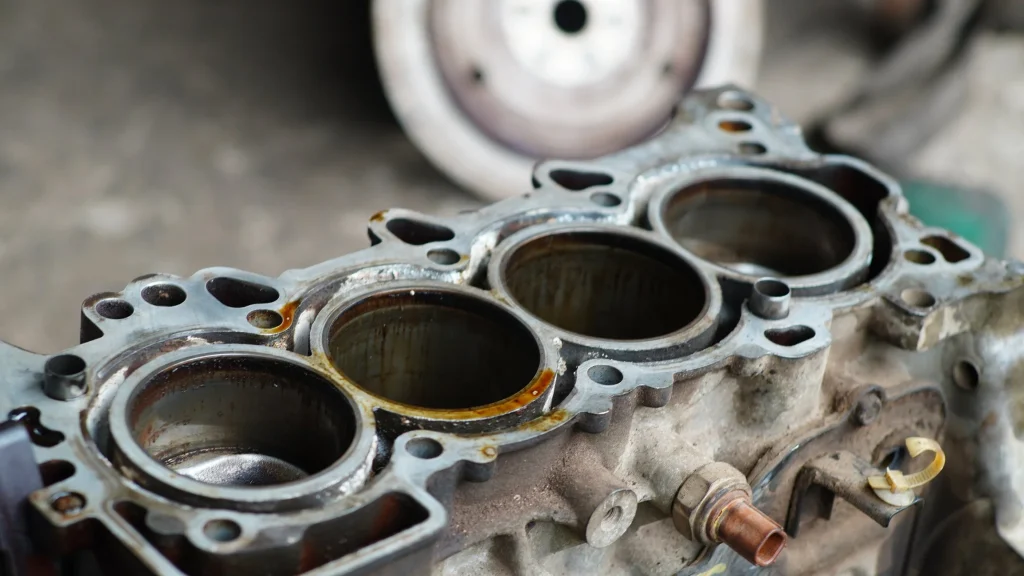
Written By : Serene Replacing a cylinder head gasket is a critical repair that restores engine sealing integrity and prevents costly downtime. Given that your engine has been experiencing any signs of mixing of fluids or loss of compression, then this guide will provide clear, easy to understand steps, diagnosis, reasons, tools, materials, and costs, as well as prevention to allow thorough repair that will last long. You will discover how to identify a blown gasket, reasons, tips on the necessary equipment, step-by-step process, compare the materials of the gasket itself, calculate the costs, and maintain the repairs of the unit so that your fleet stays on the road. Need a replacement gasket? You can order directly from Mandarin Imports & Exports, your trusted source for quality engine parts. What Are the Common Signs and Symptoms of a Blown Cylinder Head Gasket? A blown cylinder head gasket compromises the seal between the engine block and cylinder head, allowing combustion gases and coolant to mix and leading to overheating or fluid contamination. Recognising early symptoms can save significant repair time and expense. Before diving into each symptom, these five indicators often point to head gasket failure: White exhaust smoke indicating coolant entering combustion chambers Milky or frothy engine oil revealing coolant contamination Persistent engine overheating due to coolant loss or gas pockets Unexplained coolant level drops without visible leaks Engine misfires or rough idling from compression loss Each of these signs signals a breach in gasket sealing and demands prompt attention to prevent further engine damage. How Does White Smoke from the Exhaust Indicate Head Gasket Failure? Plumes of white smoke are saturated by steam being burned in a combustion chamber. Failure of the gasket seal allows coolant to leak around the mating surfaces and boil off due to high cylinder temperatures creating heavy clouds of white smoke. The early detection of this symptom prevents warping and corrosion of your head and engine block hence ensuring that its longevity is maintained. This visible exhaust steam also warns you to inspect cooling passages and head surfaces before irreversible damage occurs, guiding preventive restoration. What Does Milky or Discolored Engine Oil Reveal About Gasket Damage? Milky or caramel-coloured oil on the dipstick reflects coolant mixing with engine oil. As the gasket fails, coolant infiltrates the crankcase, creating an emulsified mixture that loses lubricating properties and accelerates bearing wear. Recognising this contamination prevents engine seizure and prompts timely gasket replacement. Monitoring oil condition at each service interval safeguards internal components and maintains oil film integrity under high loads. How Can Persistent Engine Overheating Signal a Blown Head Gasket? Continuous overheating results when combustion gases enter cooling circuits or coolant leaks internally. A failed gasket allows pressurised exhaust gases to push coolant out of the radiator or overflow tank, creating airlocks and reducing heat-transfer efficiency. Addressing overheating restores proper coolant flow and prevents cylinder head distortion. Effective temperature management through gasket repair helps maintain stable combustion and engine performance. What Other Symptoms Like Coolant Loss and Engine Misfires Should You Watch For? Unexpected coolant level drops without external leaks and cylinder misfires from uneven compression also indicate gasket failure. Coolant escaping into cylinders or oil passages depletes system volume, while compromised sealing causes cylinder pressure loss and rough running. Spotting these less obvious signs rounds out a comprehensive symptom checklist. Early detection across all five symptoms minimises repair complexity and reinforces engine reliability. What Causes Cylinder Head Gasket Failure and How Can It Be Prevented? Head gasket failure stems from excessive heat, mechanical stress, or human error during maintenance and installation. Understanding these drivers and applying preventive measures extends gasket life and preserves engine integrity. Key causes of gasket failure include: Engine overheating that weakens gasket material Poor maintenance routines leading to corrosion or debris Incorrect installation techniques causing uneven bolt preload Pre-ignition and detonation generating abnormal pressure spikes Use of low-quality fluids that compromise seal compatibility Recognising how each factor contributes to gasket degradation guides targeted protective practices. How Does Engine Overheating Lead to Head Gasket Damage? Excessive engine temperature softens gasket layers and warps mating surfaces, reducing clamping force and sealing effectiveness. Overheating also accelerates chemical breakdown of gasket materials. Preventing thermal spikes through proper cooling system maintenance maintains uniform clamp load and gasket resilience. Proactive coolant system checks and radiator cleaning keep operating temperatures within safe limits, protecting head gasket integrity. Engine Overheating and Head Gasket Failure Engine overheating is a primary cause of head gasket failure, as excessive temperatures can degrade gasket materials and warp engine components. This can lead to a loss of sealing integrity and subsequent engine damage. Proper cooling system maintenance is crucial to prevent overheating and extend the life of the head gasket. Jones, A., Automotive Engineering Magazine (2022) This research supports the article’s emphasis on the link between overheating and head gasket failure, highlighting the importance of cooling system maintenance. What Role Do Poor Maintenance and Incorrect Installation Play in Gasket Failure? Neglecting coolant flushes allows acidic deposits to erode gasket coatings, while dirt or old sealant residues on mating surfaces prevent a uniform seal. Improper bolt torque or sequence leads to uneven clamping, causing localised leaks. Following manufacturer service intervals and torque patterns ensures full contact and consistent compression across the gasket. Standardised maintenance protocols and clean surface preparation eliminate human-error risks and improve repair success rates. Importance of Proper Installation Techniques Incorrect installation techniques, such as improper bolt torque or sequence, can lead to uneven clamping forces and gasket failure. Following manufacturer specifications for torque and sequence is critical to ensure a uniform seal and prevent leaks. Proper surface preparation and the use of quality parts also contribute to a successful repair. Williams, C., Engine Repair Quarterly (2024) This citation supports the article’s emphasis on the importance of correct installation procedures for cylinder head gaskets. How Do Pre-Ignition and Detonation Affect Head Gasket Integrity? Pre-ignition and detonation create high-pressure shockwaves that stress the gasket’s sealing layers beyond design limits. These abnormal combustion events