

Best Practices for Safer Forklift Jib Operations: Comprehensive Safety Guidelines and Procedures
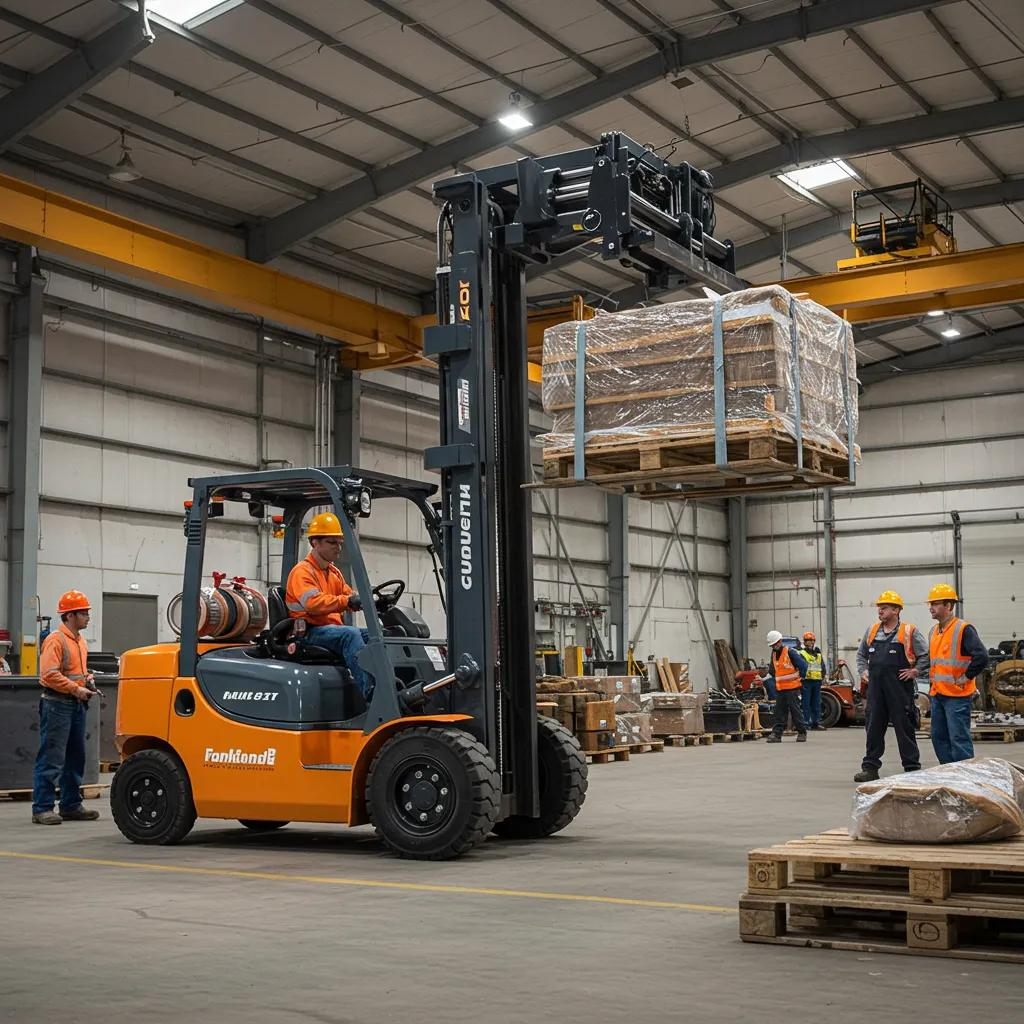
Forklift lifting jibs transform industrial trucks into versatile lifting tools, yet improper use multiplies hazards. Implementing best practices for forklift jib use ensures secure handling of irregular or bulky items, minimizes downtime, and protects personnel. In this guide, you will discover what jibs are, how to inspect and operate them safely, how to calculate load capacity, and how to comply with Australian standards. We’ll explore operator training, maintenance routines, and emerging safety technologies, while highlighting how Mandarin Imports & Exports quality forklift lifting jibs support reliable performance and long-term efficiency. What Are Forklift Jibs and Why Is Safety Essential? A forklift jib is a slip-on or carriage-mounted extension that attaches to forklift tynes, enabling suspended lifting beyond standard fork reach. Because jibs alter load dynamics and center of gravity, understanding their design, capabilities, and limitations is vital. Properly selected and maintained jibs improve site productivity but demand rigorous safety protocols to prevent tip-overs, overloading, and inadvertent load swings. What Types of Forklift Jibs Are Commonly Used? The market features three primary jib categories suited to varying tasks and capacities. Each jib type balances reach, load capacity, and attachment style, so operators must match jib specifications to lifting requirements. Selecting the correct jib lays the foundation for safe operations and stable material handling. How Do Forklift Jibs Enhance Material Handling Efficiency? Forklift jibs increase operational versatility by enabling load placement in hard-to-reach areas, reducing manual handling. Benefits include: 1. Faster positioning of irregular or bulky loads with minimal repositioning of the forklift. 2. Improved throughput by lifting items over obstacles or into confined spaces. 3. Enhanced workflow continuity when combining jibs with tag lines and proper load control techniques. These advantages streamline warehouse and construction site operations, supporting consistent productivity improvements and cost-efficiency. What Are the Key Safety Risks Associated with Forklift Jib Operations? Operating with a jib introduces distinct hazards that demand mitigation: Tip-over Risk: Extended loads shift the center of gravity forward, increasing rollover potential. Load Swing: Suspended loads can pendulate, striking personnel or structures. Overloading: Exceeding jib-specific capacity leads to structural failure or equipment damage. Attachment Failure: Improperly secured hooks, pins, or shackles can disengage under load. Recognising these risks drives the implementation of robust best practices for forklift jib use and shields both staff and assets from harm. How Do You Perform Pre-Operation Safety Checks for Forklift Jibs? Daily safety checks form the first line of defense against mechanical failures or unsafe site conditions. A structured pre-operation routine enhances reliability by ensuring all components are fit for service and the environment is suitable for jib use. Research indicates that a structured pre-operational inspection program, supported by management and proper training, is crucial for reducing accidents and ensuring peak performance of forklifts. Forklift Pre-Operational Inspection Program: Factors Influencing Implementation and Safety In many different industries, forklifts are essential for material handling and logistics. However, operators and bystanders must be careful because of the inherent risks associated with their use. A thorough inspection of important forklift parts, such as the brakes, tires, steering mechanisms, hydraulics, and safety features, is part of a systematic pre-operational inspection. Pre-operational inspection is done to reduce accidents and ensure peak performance. This study examines the value of pre-operational inspection in forklift maintenance and operation through the eyes of the forklift operators. A survey was conducted on 52 forklift operators to determine the driving factors behind their desire to perform the pre-operational inspection. Structural equation modelling was utilized to explore the relationship between dependent and independent variables. Results showed that forklift operators considered the existence of guidelines, management support, training and certifications, and feedback mechanisms in having a successful forklift inspection program. The results were used to improve the existing inspection training program and to aid the organization in determining the factors they should focus on regarding implementing the program. Factors Influencing the Implementation of a Forklift Pre-operational Inspection Program, MML Cahigas, 2024 What Should Be Included in a Forklift Jib Inspection Checklist? A comprehensive inspection covers critical connection and structural elements before each shift: Verify locking pins and safety chains are intact and free of deformation. Examine hooks and shackles for cracks, excessive wear, or corrosion. Inspect swivel eye and attachment points for secure fitting and correct orientation. Check forklift tynes for straightness and correct spacing to distribute load evenly. Confirm jib capacity plate is legible and matches forklift load rating. These checks prevent unnoticed damage from evolving into serious incidents and set the stage for controlled lifting. How Do You Assess Site Conditions Before Using a Forklift Jib? Evaluating ground stability and clearance eliminates environmental hazards: Ensure ground surface is level, firm, and free of pits, debris, or slippery substances. Verify overhead clearances exceed the maximum jib lift height plus safety margin. Confirm absence of nearby power lines, scaffolding, or obstructive protrusions. Assess visibility conditions, especially in low-light or dusty environments. Effective site assessment reduces the likelihood of accidents and supports uninterrupted, safe forklift jib deployment. What Are the Steps to Securely Attach a Forklift Jib? Attaching a jib correctly locks it in place and aligns load forces: 1. Position forklift on level ground with brakes applied. 2. Slide tynes fully into the jib’s carriage slots until fully seated. 3. Insert locking pins through the carriage mount and secure with retention clips. 4. Attach safety chain or restraint cable between jib and forklift carriage. 5. Lift jib slightly to verify secure engagement without play. Following this sequence guarantees robust mechanical connection and readies the jib for controlled load handling. What Are the Safe Operating Procedures for Using Forklift Jibs? Safe operation involves proper load control, precise maneuvering, and strict adherence to equipment limits. Establishing standardized procedures mitigates dynamic forces that can destabilize the forklift or cause load damage. How Should Loads Be Secured and Lifted with a Forklift Jib? Loads must be attached and raised in a controlled fashion: Use slings or chains rated for the load’s weight and shape. Attach tag lines to control load rotation and prevent swinging. Center the