

Forklift Tynes Specifications: What You Need to Know for Safe and Efficient Material Handling
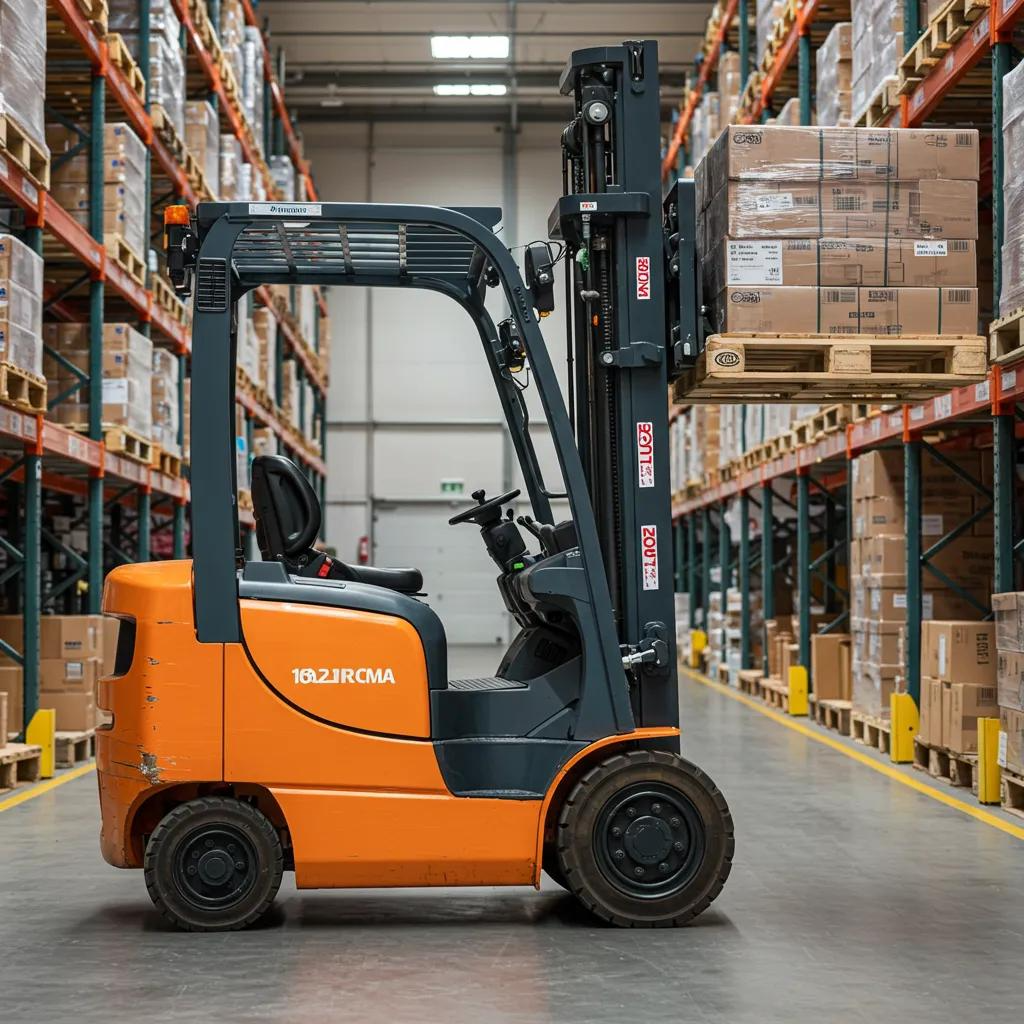
Forklift tynes are the load-bearing blades attached to a forklift carriage that support, lift, and position pallets and other loads; correct tyne specifications directly influence safety, rated capacity, and operational efficiency. This guide explains the anatomy, critical dimensions, mounting compatibility, and common tyne types so you can measure, inspect, and select tynes that match your loads and forklifts. Many workplaces face reduced lifting capacity, unstable loads, or accelerated wear when tyne length, width, or mounting class are mismatched, and the following sections show how to avoid those pitfalls with practical measurement, maintenance, and selection steps. You will find precise measurement methods for length, width, and thickness, worked examples of load centre effects on capacity, a decision matrix for matching tynes to applications, inspection checklists with wear-limit guidance, and recommended repair-versus-replace criteria. The article also describes material and manufacturing differences that affect durability and explains specialty attachments for drums, carpets, and other non-pallet loads. Read on for annotated tables, step-by-step lists, and supplier-aware advice to help you choose and maintain the right forklift tynes for safe, efficient material handling. What Are Forklift Tynes and Why Are Their Specifications Important? Forklift tynes are structural lifting attachments, often called forks or tines, designed to carry loads safely by transmitting forces from the load to the forklift carriage and mast. The way a tyne is shaped, mounted, and rated determines how the forklift behaves under load, affecting stability, wear, and the machine’s rated capacity. Accurate specifications, length, width, thickness, mounting class, and rated load centre, translate directly into predictable lifting performance and compliance with safety standards, reducing the risk of tip-over or dropped loads. Understanding the tyne’s components and specification limits is the first step to safe selection, which leads naturally into how to measure each dimension reliably and interpret load centre effects. What are the main components of forklift tynes? A typical tyne comprises a blade, shank, heel, and tip, plus mounting hooks or locking pins that attach it to the carriage; each part performs a defined structural role. The blade is the flat, load-bearing surface that slides under pallets and materials, and it commonly experiences frictional wear on its underside and tip. The shank provides vertical height and connects the blade to the heel and mounting assembly, carrying bending loads into the carriage; shank damage affects capacity and alignment. The heel and tip control load balance and entry clearance respectively, and locking pins or hooks ensure secure mechanical engagement; worn tips and loose pins are frequent causes of unsafe loading, which is why operators should inspect those parts regularly before shifting to measurement procedures. Major tyne parts to inspect include blade underside, tip, shank alignment, and locking pins. Wear concentrates at the tip and underside; the shank shows bending when overstressed. Secure mounting hardware prevents lateral movement and ensures rated capacity transfer. These component roles lead directly into how specific tyne specifications, length, width, and thickness, are measured and why they matter for rated capacity. How do forklift tyne specifications impact safety and performance? Tyne dimensions and mounting influence rated capacity because load centre and moment arms change the effective load seen by the mast and tyres, altering stability and lift performance. For example, moving a 2,500 kg load from a 500 mm load centre to 600 mm may reduce the effective capacity by a proportional factor based on the forklift’s capacity curve, increasing the risk of overload and instability. Incorrect mounting class or inadequate thickness increases bending and fatigue risk, shortening service life and risking sudden failure under cyclic loading. Measuring dimensions and verifying compatibility against the forklift’s rating plate is therefore essential to maintain safety margins; next we explain precise steps to measure length, width, thickness, and mounting class so you can quantify these effects. What Are the Key Forklift Tyne Dimensions and How Do You Measure Them? Key tyne dimensions, length, width, and thickness, define how a tyne interfaces with loads and determine clearance, capacity, and wear behaviour. Measuring each dimension with consistent reference points yields accurate data for capacity calculations and compatibility checks. Alongside those measurements, the load centre and mounting class connect dimensional data to the forklift’s rated capacity and carriage fitment, so operators should record and compare these values to manufacturer guidelines before using new or replacement tynes. The following subsections define each measurement and provide a quick-reference table to speed decision-making. How is forklift tyne length, width, and thickness defined? Tyne length is measured from the heel face (where the tyne seats on the carriage) to the tip edge; standard lengths commonly range from 900 mm for compact applications up to 2400 mm for long-load handling. Width is the blade’s top surface dimension and typically falls between 80 mm and 200 mm depending on pallet and load types; wider blades reduce tip pressure but can hinder pallet entry in tight pallets. Thickness is measured as the blade’s vertical section height at the heel and affects bending stiffness; thicker blades resist deflection under heavy loads but add weight and cost. Accurate measurement technique, using fixed reference points and calibrated tape or callipers, prevents errors that can misrepresent load centre calculations and compatibility. This table provides a quick reference to common ranges, and the next subsection links length and placement to load centre and rated capacity effects. What is load capacity and load centre, and why do they matter? Load capacity is the maximum safe lifting weight a forklift can handle at a specified load centre, and the load centre is the horizontal distance from the fork leading face to the load’s centre of gravity. Forklift capacity is stated at a standard load centre (commonly 500 mm); whenever the actual load centre increases, the effective capacity reduces according to the truck’s capacity chart because the moment increases. For instance, a 2,500 kg rating at 500 mm may drop significantly when the load centre shifts to 600 mm, this reduction follows the truck’s rated capacity curve and must be calculated before operation. Always verify the forklift’s rating