

Discover the Best Commercial Forklift Tynes for Sale: Your Ultimate Guide to Selection, Safety, and Specifications
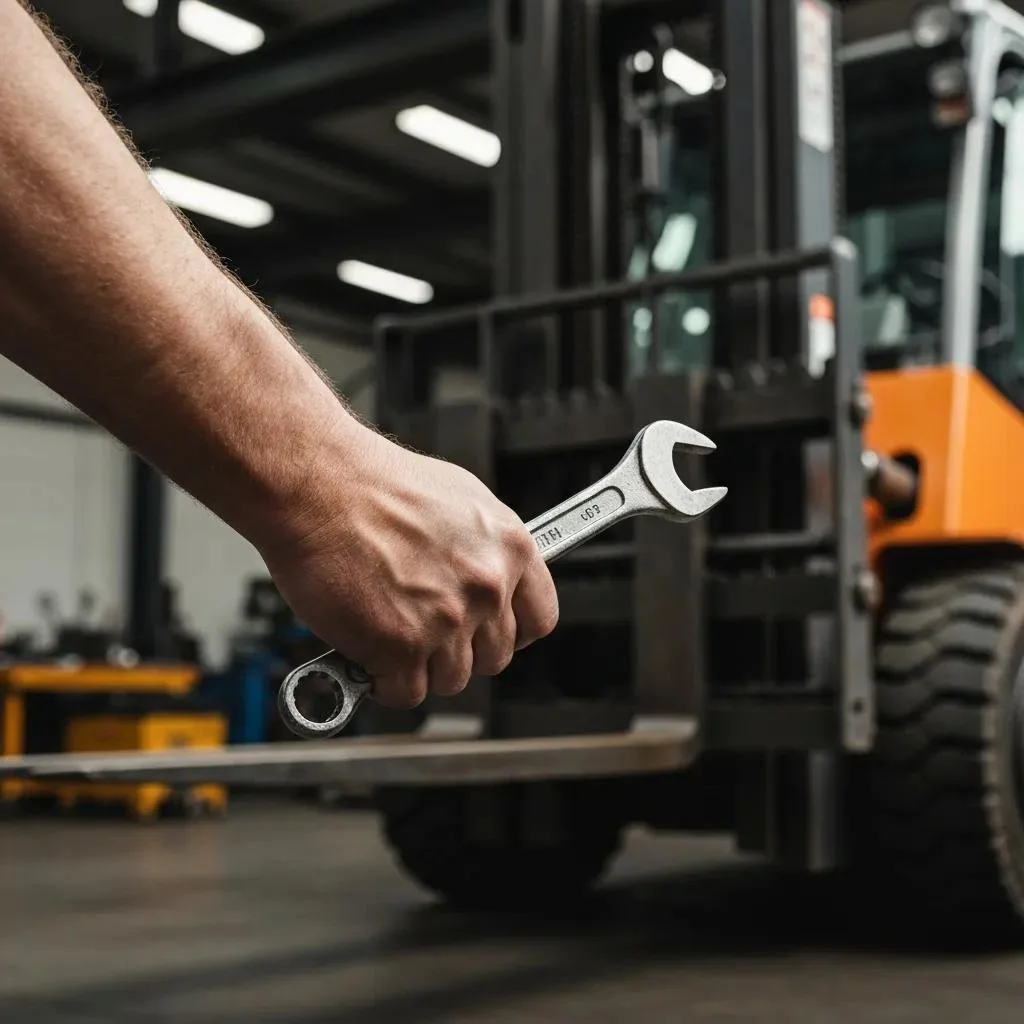
Choosing the right commercial forklift tynes for sale begins with understanding what tynes are and how they affect lifting performance, safety, and lifecycle cost. This guide explains core concepts, compares common tyne types and materials, outlines selection criteria for different forklift classes, and provides actionable inspection and maintenance guidance aligned with Australian practice. Many operators face downtime, incorrect load handling, or premature wear because they select tynes without matching load capacity, mounting type or material to their application; this article promises a clear decision framework to avoid those outcomes. You will learn how dimensions and material properties map to rated load capacity, what inspection thresholds to follow, and which tyne types suit niches such as coil handling, drum lifting or food-grade environments. The sections that follow define commercial forklift tynes, catalogue types and industry uses, present a selection checklist and EAV comparison tables, detail Australian safety and maintenance expectations, identify reliable suppliers, and show how specifications affect suitability for your business. What Are Commercial Forklift Tynes and Why Are They Essential? Commercial forklift tynes are the load-bearing blades attached to a forklift that lift, support and transport loads; they transfer weight through the shank and heel to the carriage and mast. The mechanism is simple but critical: correct tyne design distributes load, maintains stability, and preserves safe working load (SWL) margins, reducing tip risk and damage to loads. Using properly specified tynes improves throughput and reduces accidents, while undersized or worn tynes cause capacity loss, uneven wear and potential regulatory non-compliance. Understanding these fundamentals helps procurement teams and operators prioritise durability, fitment and inspection regimes to maintain uptime and safety across warehouse and construction contexts. What Are the Key Components of Forklift Tynes? A tyne comprises distinct parts, the shank, blade, heel, tip and mounting hardware, each influencing performance and wear patterns. The shank connects to the carriage and transfers bending loads; the blade is the main load-bearing surface whose thickness and taper determine stiffness and deflection; the heel supports the blade near the carriage and is a common stress concentration point. The tip contacts the load and must remain within wear limits to preserve load centre assumptions, while mounting components (hooks, pins, bolts) determine compatibility with forklift classes and attachment options. Inspecting these ergonomic parts regularly helps detect cracks, bending or excessive wear before capacity is compromised, which naturally leads into how tynes impact operations day-to-day. How Do Forklift Tynes Impact Warehouse and Construction Operations? Forklift tynes directly influence throughput, load stability and workplace safety by determining how loads are handled and how fast operators can move materials without risk. In warehouses, the right tyne length and width match pallet sizes and load centres to maximise rated capacity and reduce pallet damage; in construction, heavy duty forklift tynes with greater thickness and reinforced heels resist abrasion and impact from uneven loads. Incorrect tyne choice increases cycle time, heightens damage risk and raises maintenance costs as operators compensate for poor fitment. Improving tyne selection and inspection routines therefore reduces downtime and protects both product integrity and operator safety, which brings us to the catalog of tyne types suited to specific tasks. What Are the Different Types of Forklift Tynes and Their Uses? Forklift tynes come in many hyponym types, standard, tapered, coil, drum, telescopic, stainless steel, block and lumber, each designed for specific handling tasks and environments. The mechanism behind each type varies: tapered tynes ease entry into pallets, coil tynes include radius profiles or shelves for round loads, drum tynes are shaped or fitted with cradles for cylindrical stability, and telescopic tynes extend to handle long loads while preserving maneuverability. Choosing a type aligns with operational needs such as load shape, hygiene requirements or reach, and the right selection reduces load damage and improves cycle times. The following subsections examine heavy-duty choices and specialty stainless steel options for niche industries, clarifying pros, cons and typical use-cases. Which Forklift Tyne Types Are Best for Heavy Duty and Industrial Use? For heavy duty industrial use, thicker, full-section block or heavy-duty tapered tynes made from high-strength steel are preferred because they resist bending and groove wear under repeated overload cycles. These tynes pair with higher forklift tyne classes (2, 3, 4) and are often heat-treated or surface-hardened to extend life in abrasive environments; the choice also depends on tip geometry and heel reinforcement to limit stress concentrations. Example applications include steel distribution, pallet racking with dense loads and construction materials where impact resistance and minimal deflection are priorities. Evaluating wear rates and expected duty cycles helps specify the correct thickness and material grade, leading naturally into when stainless or specialty tynes are the better option. How Do Stainless Steel and Specialty Forklift Tynes Serve Specific Industries? Stainless steel forklift tynes address corrosion and hygiene demands in food processing, pharmaceuticals and chemical handling by providing corrosion resistance and easy cleaning, which preserves load integrity and meets industry hygiene expectations. Specialty tynes such as telescopic or rotating designs enable unique operations, telescopic tynes extend into vehicles or narrow stacks, while rotating or adjustable tynes permit precise load orientation, but they require compatible mounting and hydraulic or mechanical controls. Selecting specialty tynes involves balancing initial cost against safety and lifecycle benefits, especially where contamination or corrosion would otherwise shorten tyne life. Understanding these trade-offs supports procurement decisions and operational planning for specialty applications. How Do You Choose the Right Commercial Forklift Tynes? Choosing the right commercial forklift tynes combines four core criteria: rated load capacity and load centre, forklift class compatibility, material and corrosion resistance, and mounting type and fitment. The mechanism of choice is to match the SWL and load-centre calculation on the forklift plate to the intended load profile; material and mounting decisions follow from environmental exposure and attachment compatibility. A structured checklist simplifies decisions, ensuring you compare dimensions, thickness, mounting type and service conditions before purchasing or hiring. The EAV comparison table below converts common tyne types into recommended use-cases, capacity guidance and pros/cons to help buyers match tyne types