

Choosing the Right Forklift Tynes for Your Needs: The Ultimate Forklift Tyne Selection Guide
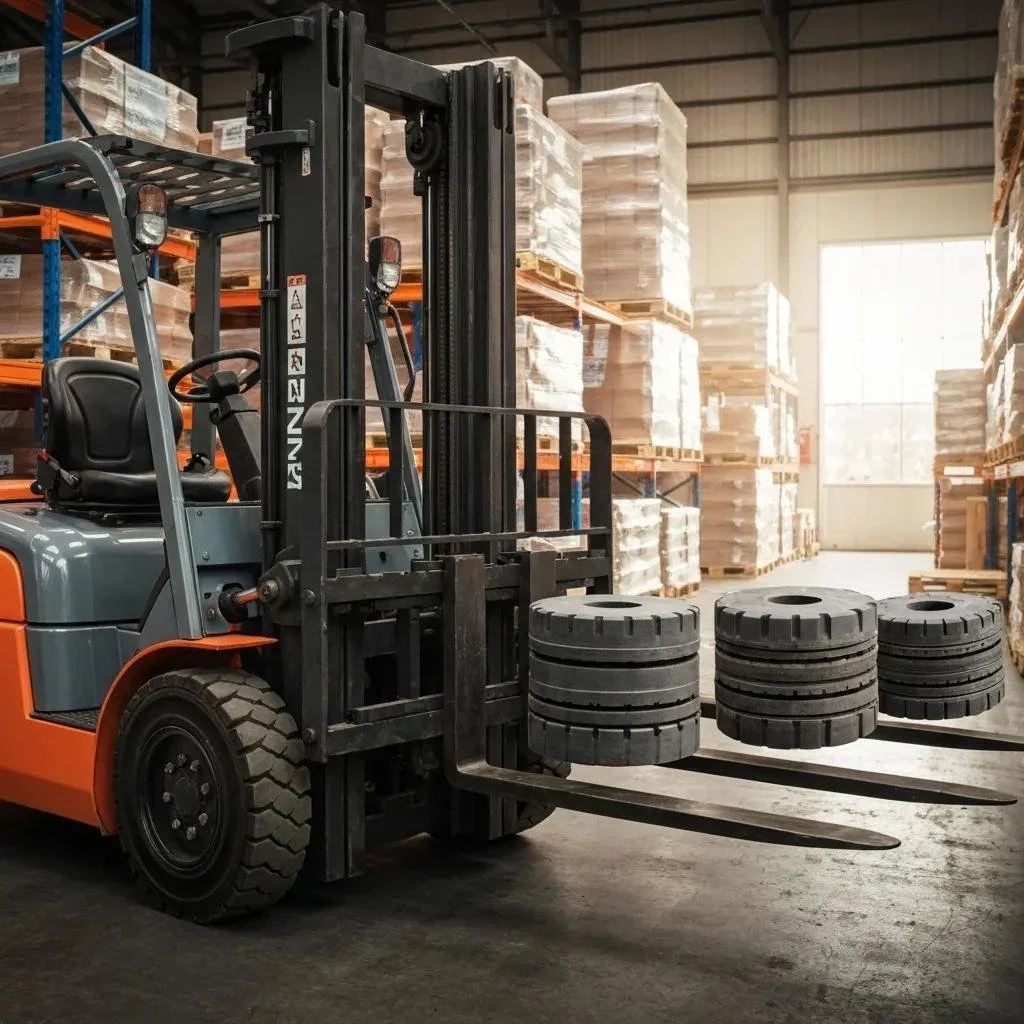
Forklift tynes, also called forklift tines or forks, are the load-bearing blades attached to a forklift carriage that lift, carry and stabilise palletised and irregular loads. Choosing the right forklift tynes affects capacity, stability and safety on the warehouse floor, so this guide explains how dimensions, types, materials and inspection regimes determine performance and compliance. You will learn the anatomy of a tyne, how to measure and calculate load centre effects, which specialised tynes match common loads, and how materials influence durability and maintenance. Practical steps and decision aids are included: measurement checklists, EAV tables mapping sizes to typical capacities, and worked examples for load-centre adjustment. Throughout the guide we reference relevant safety practices tied to AS 2359 and show how to verify compatibility with carriage classes and mountings. By the end you’ll have an evidence-based selection process to choose tynes that fit your loads and forklift, plus practical inspection routines to keep them safe and serviceable. What Are Forklift Tynes and Why Is Choosing the Right One Important? Forklift tynes are structural blades that transfer load forces from a pallet or object to the forklift carriage and mast, and they directly affect lifting capacity, load stability and workplace safety. The mechanism is straightforward: blade geometry and material determine bending stiffness and heel strength, which in turn control how far the rated capacity remains valid as load centre changes. Selecting incorrect tynes, wrong length, inappropriate width, or unsuitable mounting, creates higher tipping moments, increased wear, and potential failure under load. Understanding this relationship between tyne geometry and operational risk helps reduce accidents and keeps throughput efficient. Forklift tynes impact operations in three practical ways: they set the usable load envelope, influence operator confidence through stability, and determine maintenance frequency through wear patterns. These operational effects lead naturally into a closer look at the component parts that make up a tyne and how each part contributes to capacity and durability. Forklift suppliers can simplify selection by offering matched tyne ranges for specific forklifts and loads; Mandarin Imports & Exports, a Sydney-based supplier of forklift parts, stocks a wide selection of forklift tynes, tyres and attachments suitable for common warehouse needs. If you require local availability or expert guidance, a supplier that carries multiple brands and sizes reduces lead time and helps ensure correct fitment; this practical supplier support is particularly useful when matching carriage classes and mountings to a chosen tyne. What Is the Anatomy of a Forklift Tyne? A tyne consists of several ergonomic parts, the blade, shank, heel, tip and the mounting hook or bracket, that together determine strength and fit. The blade is the flat lifting surface; its length and width influence load support area and contact pressure, while thickness governs bending resistance. The shank transfers forces into the heel area and affects bending distribution; the heel concentrates shear and contact loads at the carriage interface. Mounting hooks or brackets (mounting type) determine compatibility with carriage classes and must match carriage dimensions to secure the tyne safely. Each component plays a role in wear and inspection priorities: tips and heels show the first signs of thinning, blades can develop cracks from fatigue, and mounts can deform under misuse. Recognising these parts makes it easier to perform targeted checks and to interpret measurement data when calculating load centre effects, which we explore next. How Do Forklift Tynes Impact Safety and Efficiency? Tyne selection influences safety through load stability and the risk of structural failure, and it affects efficiency via handling speed and product protection. A longer tyne increases leverage and can reduce rated capacity at the specified load centre, raising overturn risk if operators do not adjust loads; conversely, the correct tyne reduces damage to goods and avoids frequent job stops for re-rigging. Operational examples highlight the point: using tapered tynes for fragile cartons reduces damage, while using narrow tynes for wide pallets increases instability. These real-world trade-offs show why dimensional measurement and load-centre calculation are essential steps before choosing tynes. How Do You Determine the Right Forklift Tyne Dimensions? Determining the correct tyne dimensions, length, width and thickness, begins with defining the load type, the forklift’s rated capacity at its standard load centre, and the carriage mounting interface. The mechanism is rule-based: length affects moment arm and therefore the adjusted capacity, width affects contact pressure and lateral stability, and thickness influences bending stiffness and fatigue life. A clear measurement workflow ensures a safe match between tyne and truck and prevents unexpected de-rating during operations. Below is a quick reference EAV table that links common tyne sizes and types to their physical attributes and typical use-cases to simplify selection decisions. This table clarifies common dimension ranges and their practical implications for load types and handling. Use these baseline values as a starting point and adjust according to your forklift’s rated capacity and load-centre calculations. When measuring a tyne or specifying a replacement, a disciplined checklist avoids costly mistakes and leads to the next step: how to measure accurately for your specific forklift. What Are Standard Forklift Tyne Sizes and How Do They Affect Load Capacity? Standard tyne sizes typically range from 900 mm to 2400 mm in length, with common widths of 80–150 mm and thicknesses from 35–50 mm; these dimensions map to expected load capacities and contact behaviour. The reason dimensions matter is mechanical: longer or thinner tynes reduce bending strength and increase deflection, which effectively reduces safe lifting capacity unless the forklift is re-rated. The conventional “10 percent rule” signals that adding tyne length beyond nominal load-centre assumptions often requires recalculating capacity and, in some cases, consulting the truck manufacturer. Practical examples: a standard 1200 mm tyne on a truck rated at 2,500 kg at a 500 mm load centre will see capacity fall if the load centre moves forward; increasing tyne length to 1800 mm may reduce capacity by several hundred kilograms. Understanding these relationships enables informed trade-offs between reach and rated capacity before purchase. How to Measure Forklift Tyne Dimensions for Your Specific Forklift
5 Common Signs Your Forklift Engine Parts Need Replacing
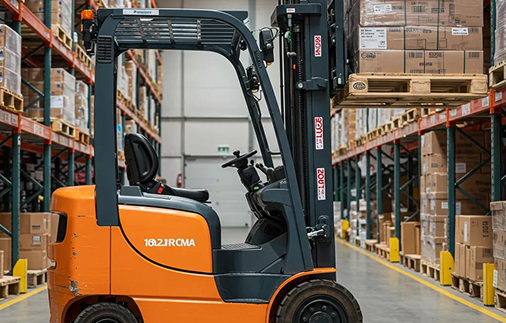
Declining Engine Performance One of the first signs you might notice is a drop in engine performance. If your forklift is not accelerating as it should, struggles to lift loads, or appears sluggish, it’s likely experiencing a performance issue. This can be due to worn-out engine parts that need replacement. Pay attention to how your forklift responds during operation and note any changes in its usual performance.Performance drops can be subtle, so it’s essential to keep a close eye on your equipment. Listen for unusual sounds, like knocking or hissing, which can indicate problems with the engine. Additionally, if you notice an increase in fuel consumption, it could be a sign of engine inefficiency.For fast, reliable supply of OEM and quality aftermarket forklift engine parts across Australia, Mandarin Imports Exports can help keep your fleet running. Unusual Noises from the Engine Engines are designed to run smoothly and efficiently. If you start hearing strange noises coming from your forklift’s engine, it might be time to investigate further. Common sounds to listen for include knocking, rattling, or hissing. These noises often signal that parts within the engine are wearing out or have become loose.Knocking: Often caused by damaged bearings or connecting rods.Rattling: Could indicate a loose part or failing timing chain.Hissing: May suggest a leak in the cooling system or exhaust. Diesel Forklift Engine Issues Diesel forklifts are popular in many industries due to their durability and power. However, they can experience specific issues related to their diesel engines. If you notice excessive smoke coming from the exhaust or difficulty starting the engine, these are red flags that should not be ignored.Excessive Smoke: Black smoke may indicate incomplete combustion; blue smoke suggests oil is burning.Starting Problems: Could be linked to faulty glow plugs or a failing starter motor. Frequent Overheating Overheating is a serious issue that can lead to significant engine damage if not addressed promptly. If your forklift’s engine is frequently overheating, it might be time to check the cooling system and other related components.Cooling System Failure: Radiator, water pump, or thermostat faults.Low Coolant Levels: Can result from leaks or poor maintenance. Warning Lights and Error Codes Modern forklifts are equipped with diagnostic systems that help operators and technicians identify issues before they become severe. If you’re seeing warning lights or error codes on your forklift’s dashboard, don’t ignore them. These indicators can provide valuable insights into what might be wrong with your engine.Consult your forklift’s manual or contact a professional service to interpret error codes accurately. Preventative Maintenance and Servicing Regular forklift service is essential to keep your equipment running smoothly and extend its lifespan. Preventative maintenance can help you catch potential issues before they escalate, saving you time and money in the long run.Routine Inspections: Look for visible signs of wear and tear.Scheduled Maintenance: Stick to the manufacturer’s recommendations.Professional Assistance: Work with certified technicians. Choosing the Right Replacement Parts When it’s time to replace parts in your forklift’s engine, it’s crucial to choose the right components.OEM vs Aftermarket Parts: OEM ensures compatibility, while aftermarket can be cost-effective but variable in quality.Compatibility: Parts must suit your specific forklift model.Supplier Reputation: Work with reliable supplier who offer quality parts and support. A trusted partner like Mandarin Imports Exports can help source the right components across Australia. Final Thoughts Maintaining your forklift’s engine is vital for ensuring its efficiency and longevity. By recognising the signs that indicate a need for parts replacement, such as performance drops, unusual noises, diesel engine issues, frequent overheating, and warning lights, you can take action before minor issues become major problems.Remember, a well-maintained forklift is not only safer for operators but also more cost-effective in the long run. Stay vigilant, address issues promptly, and you’ll ensure the continued success of your operations. Taking a proactive approach to forklift maintenance can significantly reduce downtime, enhance safety, and extend the life of your equipment. For reliable engine parts supply and support, Mandarin Imports Exports is a trusted partner for Australian businesses.