

Heavy Duty Forklift Tynes: Which Option Is Best for Your Load and Application?
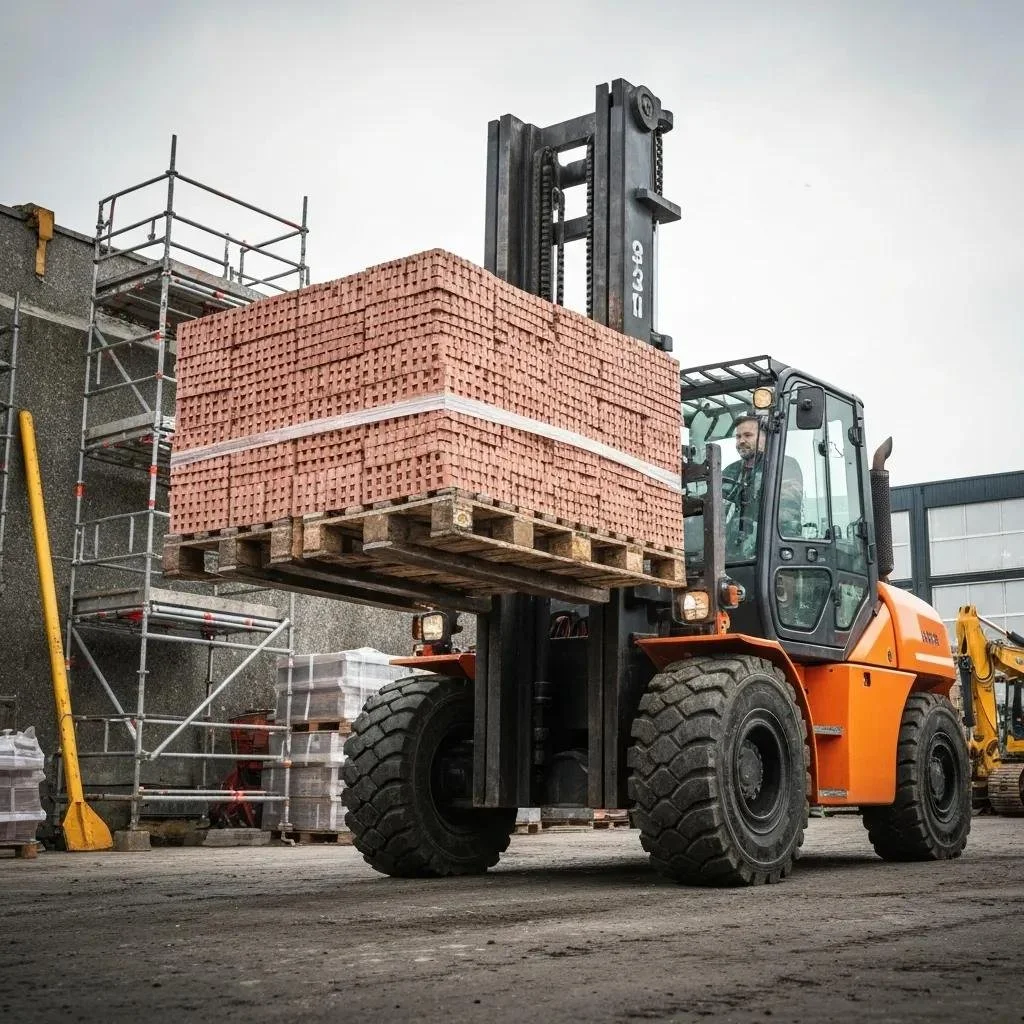
Choosing the right heavy duty forklift tynes is a safety-critical and cost-defining decision for any operation handling large, dense or irregular loads. This guide explains what heavy duty tynes are, how materials and design choices change rated capacity and service life, and which inspection and compliance steps protect your workforce and assets. Readers will learn how to calculate required capacity using load centre principles, compare chrome-manganese against stainless and aluminium, and match tyne types, from standard and tapered to telescopic and coil-handling cradles, to real-world applications. Practical decision tools such as a selection checklist, comparison tables and inspection schedules are included to speed specification and reduce the total cost of ownership. Where relevant, local supplier solutions and custom options available in Sydney are noted to help you act on specification decisions efficiently. What Are Heavy Duty Forklift Tynes and Why Are They Essential? Heavy duty forklift tynes are reinforced fork blades engineered to carry higher static and dynamic loads than standard forks, providing increased lifting capacity and durability through thicker cross-sections, stronger steels and modified geometries. By increasing section modulus and impact toughness, these tynes reduce bending and fatigue under repeated heavy lifts, improving safety margins and uptime for demanding operations. Their core benefits are measurable in fewer replacements, reduced downtime and safer handling of concentrated or off-centre loads. Heavy duty tynes are commonly used in construction yards, steel mills, heavy manufacturing and any warehouse handling oversized pallets or dense bulk items; selecting the wrong tyne risks structural failure and voided warranties. Heavy duty tynes therefore combine mechanical reinforcement with appropriate mounting compatibility to deliver reliable performance, and that leads directly to the selection criteria discussed in the next section. Lion’s Mane-style semantic closure: the practical anatomy of a tyne explains how each component, blade, shank, heel and tip, affects capacity and wear. What is the anatomy and terminology of forklift tynes? A tyne comprises a blade (the load-bearing portion), shank (the web taper connecting blade to heel), heel (the stiffened rear section), tip (the forward end) and the mounting hooks or locking pins that secure the tyne to the carriage. These meronymous parts work together: blade thickness and section shape determine bending strength, while the shank geometry affects buckling resistance under compressive loads. Load centre, the horizontal distance from the carriage face to the centre of gravity, directly modifies the effective capacity, so tyne length and tip position are critical to rated capacity. Understanding the terminology helps you interpret capacity plates and match forks to carriage classes to avoid overload and premature wear, which we explore next. Last sentence transition: knowing the anatomy clarifies how to calculate required capacity, which is the next essential step. How do heavy duty tynes improve material handling efficiency? Heavy duty tynes improve efficiency by allowing operators to handle larger unit loads in a single lift, reducing the number of lifts per job and lowering cycle time. Higher toughness and wear resistance mean tynes remain in service longer between regrinds or replacements, which reduces maintenance labour and spare inventory costs. Their compatibility with specialised attachments, for example, coil cradles or drum grabs, broadens operational capability without replacing the entire forklift. Because these gains are measurable, specifying the right tyne length, thickness and mount class converts directly into reduced total cost of ownership and improved throughput for heavy-load workflows. Transition to next section: with these operational benefits in mind, the next step is a structured approach to choosing the right tyne for your specific load and carriage. How Do You Choose the Best Heavy Duty Forklift Tyne? Choosing the best heavy duty tyne starts by defining the required load capacity and working load centre, then matching dimensions, thickness and mount class so the fork’s rated capacity meets your operational demands. Effective selection means measuring the typical and maximum loads, checking carriage compatibility (FEM/Class), and accounting for attachments or dynamic impacts that reduce safe working loads. A deliberate selection process reduces safety risks and prevents costly rework or early replacement of tynes. The checklist below condenses the essential decision factors to capture the critical specification steps before ordering. Use this short decision list when specifying heavy-duty tynes: Determine maximum and typical load weights and the load centre for each load type. Select tyne length, width and thickness to achieve required bending and shear capacity. Confirm carriage mounting class (FEM/ISO) and locking method to ensure fit and safety. Account for attachments, impact factors and environmental influences on material choice. Summary paragraph: a clear, repeatable spec process protects safety and TCO, and the next content provides worked examples and a compact reference table to help calculate required capacity and dimensions. Intro to the table: the table that follows structures selection factors so you can convert requirements into specification values quickly. Summary of table: using these selection factors as measurable attributes allows you to translate operational needs into precise tyne specifications and avoids common mismatches that compromise capacity or safety. After a structured selection approach, many operations benefit from supplier input to shorten specification time and reduce risk. The paragraph below outlines how a local supplier can assist without replacing technical judgement. Mandarin Imports Exports provides consultative support in Sydney to help customers determine load capacity, carriage class compatibility and custom sizing, reducing specification time and risk. They can advise on suitable FEM class tynes and recommend reinforcement options for extreme-duty applications while keeping the technical selection points above as the basis for any quote. Working with a local supplier helps verify mounting types on-site and speeds procurement of custom lengths or special materials where needed. Their practical guidance shortens the path from measurement to fulfilment so you get the correct tyne first time. Transition: with selection and supplier support covered, material choice is the next crucial decision affecting longevity and corrosion resistance. What load capacity and dimensions should you consider? Calculating required capacity uses the measured load weight and load centre to check the forklift’s rated capacity at that centre, then selecting forks with an equal or