Forklift tynes are core elements of material-handling equipment and directly affect safety and operational efficiency. Recognising common tyne defects is necessary to maintain performance and protect personnel. This guide summarises typical failures, their impact on load stability, and recommended maintenance and inspection practices. Early detection and corrective action reduce downtime and enhance operational safety.
The article reviews frequent tyne problems, the effect of wear on load stability, common damage mechanisms, and detection methods. It also outlines key wear indicators, visual and physical inspection procedures, and maintenance best practices, and explains how timely replacement prevents safety incidents.
What Are the Most Frequent Forklift Tyne Problems Affecting Safety and Performance?
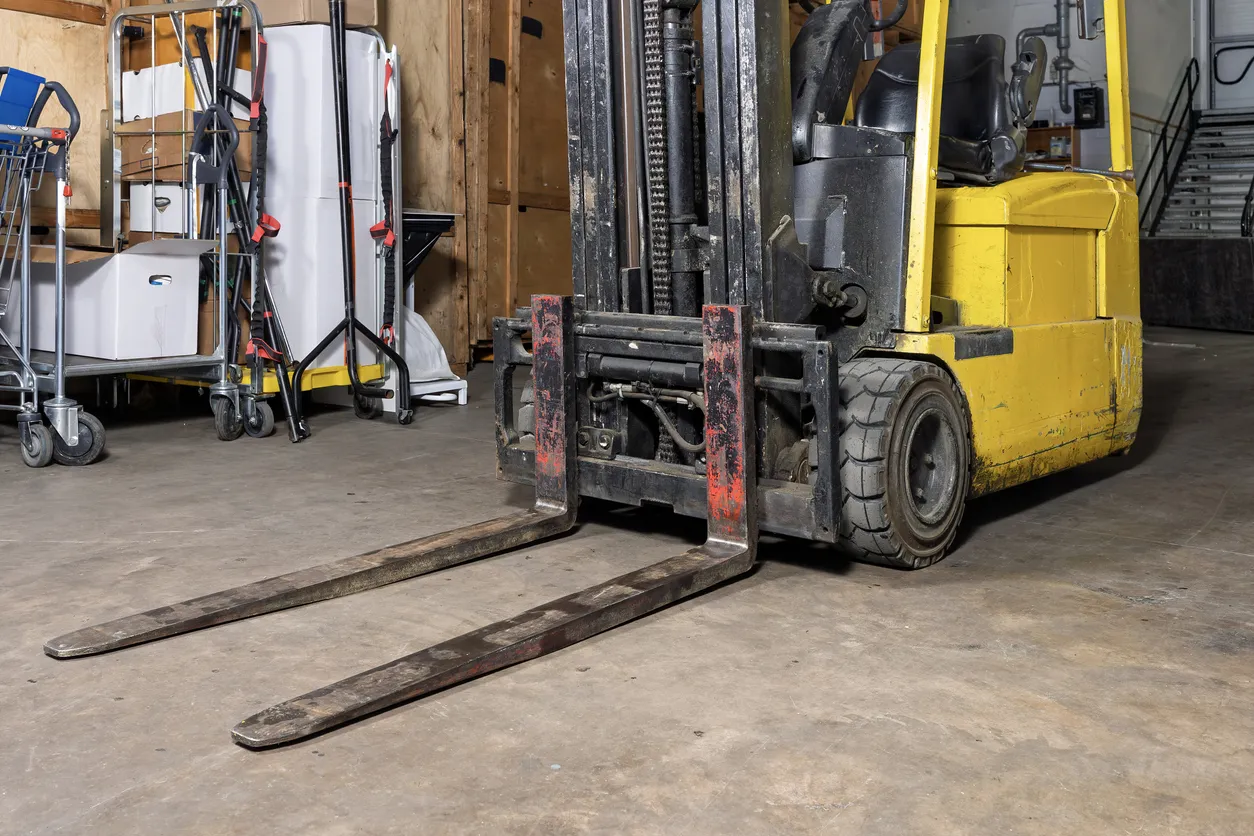
Forklift tynes frequently exhibit problems related to incorrect sizing, progressive wear or structural damage, and inadequate material specification.
Incorrect tyne sizing impairs load engagement and increases accident risk. Structural damage such as bending or cracking reduces component integrity and may cause in-service failure. Material grade and manufacturing standards determine durability and fatigue resistance; selecting tynes to specified requirements is essential for safe operation.
How Does Forklift Tyne Wear Impact Load Stability and Safety?
Tyne wear reduces load retention capacity and load stability, increasing the risk of tipping and associated injuries.
Research underscores the critical relationship between tyne condition and overall load stability during handling operations.
Forklift Load Stability & Handling Performance
Study of unit load performance and stability during dynamic forklift handling, including factors affecting unbound unit loads. Evaluation of Unit Load Stability Under Dynamic Forklift Handling Conditions, 2024
Progressive wear also raises repair and replacement frequency, which increases maintenance expenditure. Recognising the operational impact of wear supports safer and more efficient fleet management.
What Are the Common Causes of Forklift Tyne Damage?
Common causes of tyne damage include excessive loads, incorrect mounting, and environmental corrosion.
Additional analysis of failure mechanisms identifies blade reduction as a prevalent issue.
- Excessive Load Weight : Overloading tynes beyond their rated capacity can lead to bending or breaking.
- Improper Mounting : Incorrect installation can cause uneven stress on the tynes, leading to premature wear or failure.
- Corrosion : Exposure to harsh environments can lead to rust and deterioration, compromising the strength of the tynes.
Identifying these failure mechanisms enables targeted controls to prevent damage and extend tyne service life. Businesses often consult a trusted forklift tynes supplier in Sydney to ensure they install durable and safety-compliant equipment.
How Can You Detect Signs of Damaged Forklift Tynes Early?
Early detection requires routine inspections for visible cracks, deformation or bending, and excessive surface or tip wear.
- Visible Cracks : Inspect tynes regularly for any visible cracks, which can indicate structural failure.
- Bending or Deformation : Any noticeable bending or deformation should be addressed immediately, as it compromises load stability.
- Excessive Wear : Monitoring the wear on tynes can help identify when they need to be replaced before they fail.
Systematic inspections reduce the likelihood of incidents and support continuous, safe operations.
What Are the Key Wear Indicators on Forklift Tynes?
Primary wear indicators include cracking, bending or other deformation, and tip wear that impairs load engagement.
- Cracks : Any signs of cracking should be taken seriously, as they can lead to catastrophic failures.
- Bending or Deformation : Tynes that are bent or deformed should be replaced immediately to maintain safety.
- Tip Wear : The tips of the tynes should be checked for excessive wear, which can affect their ability to lift loads securely.
Monitoring these indicators preserves structural integrity and informs timely replacement decisions.
Which Visual and Physical Checks Reveal Forklift Tyne Damage?
Conduct regular visual and physical inspections to identify tyne damage. Recommended checks include:
- Daily Visual Inspection : Operators should perform a quick visual check before use to identify any obvious signs of damage.
- Monthly Measurements : Regular measurements can help detect wear and ensure tynes are within acceptable limits.
- Functional Checks : Testing the tynes under load can help identify any issues that may not be visible during inspections.
Implementing these checks contributes to measurable improvements in safety and equipment availability.
What Are the Best Practices for Forklift Tyne Maintenance and Inspection?
Adopt a scheduled, multi-level inspection and maintenance program to maximise tyne life and ensure operational safety:
- Daily Inspections : Conduct daily checks for visible damage before use.
- Monthly Inspections : Perform more thorough inspections monthly to assess wear and structural integrity.
- Annual Professional Inspections : Engage professionals for comprehensive inspections to ensure compliance with safety standards.
Consistent application of these practices helps maintain tyne condition and reduces the likelihood of accidents.Partnering with reliable forklift spare parts suppliers ensures quick access to quality replacement parts.
Suppliers offer high-quality tynes for sale and rental to meet diverse operational requirements. When combined with routine maintenance and inspection, quality components improve safety and handling efficiency.
How Often Should Forklift Tynes Be Inspected According to Industry Standards?
Industry guidance recommends regular inspections at defined intervals to maintain safety and regulatory compliance.
- Daily Checks : Operators should perform daily visual inspections before use.
- Monthly Checks : More detailed inspections should be conducted monthly to assess wear and damage.
- Annual Checks : Comprehensive inspections by qualified personnel should occur annually to ensure compliance with safety regulations.
Adherence to recommended inspection schedules is essential for safe and compliant operations.
What Does a Comprehensive Forklift Tyne Inspection Checklist Include?
A comprehensive inspection checklist should address the following critical areas:
- Visual Inspection : Check for cracks, bends, and signs of wear.
- Measurement Checks : Measure the thickness and length of tynes to ensure they meet specifications.
- Functional Testing : Test tynes under load to ensure they perform correctly.
Using a standardised checklist ensures consistent coverage of essential inspection points.
How Do You Troubleshoot Common Forklift Tyne Issues Effectively?
Effective troubleshooting follows a structured process:
- Regular Inspections : Conduct regular inspections to identify potential issues early.
- Assessing Wear : Monitor wear indicators to determine when tynes need replacement.
- Operator Training : Ensure operators are trained to recognise signs of damage and understand proper loading techniques.
Applying these measures enables proactive management and reduces the likelihood of in-service failures.
What Steps Should Be Taken When Forklift Tynes Show Signs of Wear or Damage?
When tynes display signs of wear or damage, implement immediate corrective actions. Recommended steps include:
- Remove from Service : Take damaged tynes out of service immediately to prevent accidents.
- Assess the Damage : Evaluate the extent of the damage to determine if repair or replacement is necessary.
- Consult Manufacturer Guidelines : Follow manufacturer guidelines for repair or replacement to ensure compliance with safety standards.
Prompt intervention limits further deterioration and protects personnel and assets.
When Is Forklift Tyne Replacement Necessary to Ensure Operational Safety?
Replace tynes when they reach manufacturer-specified wear limits or exhibit visible structural damage.
- Wear Limits : If tynes have reached their wear limits as specified by the manufacturer, they should be replaced.
- Visible Cracks : Any visible cracks or significant bending necessitate immediate replacement.
- Significant Bending : Tynes that are significantly bent should not be used and must be replaced to maintain safety.
Ongoing monitoring and compliance with replacement criteria are critical to maintaining operational safety when using forklift equipment in Australia.
What Are the Safety Implications and Compliance Requirements for Forklift Tyne Condition?
Tyne condition directly affects workplace safety. Regular inspection and maintenance are required to meet regulatory obligations.
Industry guidance emphasises the need for consistent maintenance and adherence to established safety standards for forklift tynes.
- Regular Inspections : Compliance with inspection schedules is crucial for safety.
- Immediate Removal for Damage : Tynes showing signs of damage must be removed from service immediately.
- Documentation : Keeping records of inspections and maintenance is essential for compliance.
How Does a Damaged Forklift Tyne Affect Workplace Safety?
Damaged tynes materially reduce workplace safety and increase operational risk.
- Reduced Load Stability : Damaged tynes can lead to unstable loads, increasing the risk of accidents.
- Increased Risk of Accidents : The likelihood of accidents rises significantly with compromised tynes.
- Higher Maintenance Costs : Ongoing issues with damaged tynes can lead to increased maintenance costs and downtime.
Recognising these risks is fundamental to effective prevention and risk management.
What Are the Relevant Safety Standards and Compliance Guidelines for Forklift Tynes?
Applicable safety standards and compliance measures include adherence to industry inspection protocols, scheduled maintenance, and comprehensive documentation.
- Adhere to Relevant Standards : Follow industry standards for inspection and maintenance.
- Regular Inspections : Conduct regular inspections to ensure compliance.
- Documentation : Maintain thorough documentation of all inspections and maintenance activities.
Conformance with these guidelines is essential to ensure both safety and operational efficiency.
How Can Businesses Reduce Costs Through Effective Forklift Tyne Maintenance?
Effective tyne maintenance reduces repair costs and operational disruptions.
- Regular Inspections : Conducting regular inspections can prevent costly repairs and downtime.
- Preventive Maintenance : Implementing preventive maintenance strategies can extend the lifespan of tynes.
- Operator Training : Training operators on proper loading techniques can reduce wear and tear on tynes.
A disciplined maintenance program delivers measurable long-term cost savings.
What Are the Cost Benefits of Regular Forklift Tyne Inspections?
Regular inspections provide several quantifiable cost benefits:
- Preventing Accidents : Regular inspections help identify potential issues before they lead to accidents, reducing liability costs.
- Enhancing Performance : Well-maintained tynes improve overall forklift performance, leading to increased productivity.
- Extending Lifespan : Regular inspections can extend the lifespan of tynes, reducing replacement costs.
Investing in regular inspections yields measurable financial benefits for the business.
How Does Timely Replacement Prevent Expensive Downtime and Repairs?
Timely replacement of worn or damaged tynes prevents costly downtime and repair expenses.
- Minimising Interruptions : Replacing worn tynes before they fail minimises operational interruptions.
- Identifying Potential Issues Early : Regular inspections help identify potential issues early, allowing for proactive replacement.
- Using High-Quality Parts : Investing in high-quality replacement tynes can reduce the frequency of repairs and replacements.
Prioritising timely replacement helps maintain continuous operations and reduces total cost of ownership.
Conclusion
Maintaining forklift tynes is essential to ensure safety and operational efficiency in material handling. Regular inspection and timely remediation prevent downtime and enhance workplace safety. Specified, high-quality tynes used in conjunction with best-practice maintenance deliver long-term cost savings. Review our range of premium forklift tynes and maintenance resources to optimise your operations.