

Forklift Jib Safety Regulations You Must Know: Australian Standards, Inspections, and Safe Operation
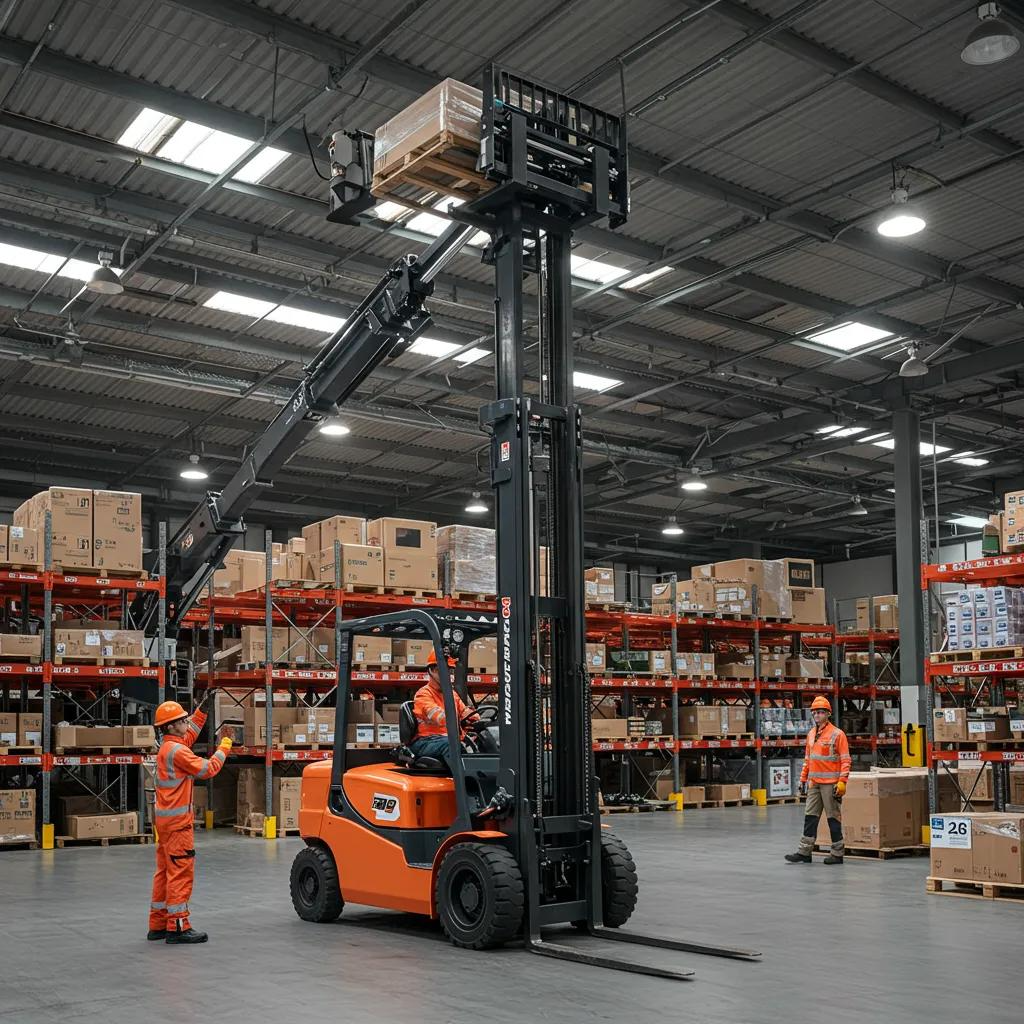
Forklift jib safety regulations establish the design, inspection, and operational benchmarks that protect personnel and property when handling suspended loads with jib attachments. Understanding these mandatory requirements not only ensures compliance with AS 2359.1 and AS 1418.1 but also minimises workplace incidents by enforcing proper capacity derating, rigorous inspections, and comprehensive operator training. This guide breaks down the key Australian Standards governing forklift jibs, outlines best practices for safe operation, details inspection and maintenance protocols, clarifies training obligations, and helps you choose the right jib and safety accessories for your business. Whether you manage a construction site or run a busy warehouse in Sydney, these insights from a forklift specialist will build trust in your equipment choices and demonstrate how quality forklift jib attachments from Mandarin Imports & Exports support your compliance and productivity goals. What Are the Key Australian Standards for Forklift Jib Safety? Australian Standards set the technical and safety requirements for forklift jib design, manufacture, and use, forming the regulatory backbone for material-handling attachments. By following these standards, businesses align with legal and engineering criteria that define load ratings, structural integrity, and labeling. Compliance ensures that jibs operate within safe working load limits and that forklift systems maintain stability, preventing tip-overs and component failures. What Does AS 2359.1 Specify for Forklift Jib Attachments? AS 2359.1:2019 defines safety, strength, and testing criteria for industrial truck attachments, including jibs. It mandates rated capacity markings, design factors of safety, and load-testing procedures to verify structural performance. Manufacturers must certify that each jib undergoes proof testing at 1.25 times its working-load limit and clearly display load-center specifications. Following these provisions helps operators match the correct jib to the application and reduces the risk of overloading. How Does AS 1418.1 Relate to Forklift Jib Lifting Equipment? AS 1418.1:2002 governs general lifting equipment standards, covering design requirements, load testing, and marking for hooks, chains, and structural components. When applied to forklift jibs, this standard ensures that lifting points, retaining pins, and safety chains meet defined mechanical properties and fatigue criteria. By integrating AS 1418.1 attributes into jib manufacture, businesses achieve a cohesive safety system that aligns with both attachment and crane-related regulations. What Are WorkSafe Australia and SafeWork NSW Guidelines for Forklift Jibs? WorkSafe Australia and SafeWork NSW publish guidance on attachment compatibility, pre-use checks, and operator responsibilities for forklift jibs. Their recommendations include verifying compliance plates, confirming manufacturer approval for attachments, and enforcing exclusion zones around suspended loads. Inspectors emphasise maintaining clear load-chart references and ensuring that tag lines control load swing. Adhering to these guidelines bridges the gap between national standards and on-site best practices. What Legal Obligations Do Forklift Jib Owners and Operators Have? Owners and operators must ensure that every forklift jib carries a compliance plate, matches the forklift’s capacity data, and remains within derated limits when extended. Legally, competent persons must perform inspections, maintain records of tests and repairs, and provide proof of annual load testing. Failure to meet these obligations can lead to enforcement actions, fines, and increased liability in the event of workplace incidents. How Do You Safely Operate a Forklift Jib? Best Practices and Procedures Safe operation of a forklift jib combines clear procedures, right-sized equipment, and skilled operator actions to manage suspended loads without compromising stability. Implementing structured checklists, understanding derating principles, and applying proper rigging techniques form the foundation of every lift. Consistent adherence to these practices reduces the chance of accidents and demonstrates a commitment to workplace safety. What Is a Forklift Jib Safe Operating Procedure (SOP) Checklist? A structured SOP checklist guides operators through initial preparations, lift execution, and shutdown. It includes verifying jib-to-fork engagement, confirming compliance with load-charts, and checking for alignment of retaining pins. The checklist also covers establishing clear communication signals and exclusion zones, ensuring lift paths are free of obstacles, and verifying emergency stop functions. Regular use of this SOP fosters routine safety habits among operators. How Does Derating Affect Forklift Capacity When Using a Jib? Derating reduces a forklift’s rated capacity when attachments like jibs extend the load’s center of gravity. By applying derating factors specified in AS 2359.1, operators calculate the maximum safe load based on jib length and lift height. This mechanism protects against tipping by ensuring that extended loads remain within safe stability envelopes, promoting safer handling of over-height or narrow-footprint lifts. What Are Proper Rigging and Load Handling Techniques for Forklift Jibs? Proper rigging involves selecting slings, hooks, and shackles rated above the jib’s working-load limit, positioning tag lines to control load sway, and ensuring balanced hitch points. Load handling best practices include lifting with slow, steady motions, maintaining clear sightlines, and never exceeding the jib’s horizontal center-of-gravity limits. These techniques collectively keep suspended loads secure and predictable during movement. How Can Common Forklift Jib Accidents and Hazards Be Prevented? Preventing accidents requires addressing pinch points, avoiding side pulls that stress pivot joints, and prohibiting lifts over personnel. Risk mitigation also involves marking exclusion zones, using spotters for blind lifts, and conducting toolbox talks on situational hazards. By combining engineering controls, administrative rules, and personal vigilance, teams can eliminate most common jib-related incidents. What Are the Inspection and Maintenance Requirements for Forklift Jibs? Inspection and maintenance routines ensure that forklift jibs remain structurally sound, functional, and compliant with safety regulations. Scheduled checks identify wear, deformation, and corrosion before failures occur, while maintenance interventions restore original load-bearing capacity. A systematic program extends attachment life and supports uninterrupted operations. What Should Be Included in Daily Pre-Start Checks for Forklift Jib Safety? Daily pre-start checks cover visual inspections of welds, pins, and safety chains, verification of load-chart legibility, and confirmation of correct pocket sizes. Operators must also confirm that jibs lock securely into fork pockets and that hook and latch mechanisms engage properly. These steps detect immediate hazards and establish a baseline for attachment condition before each shift. How to Conduct a Comprehensive Forklift Jib Inspection and Maintenance? A comprehensive inspection by a competent person includes non-destructive testing of critical points, validation of working-load