

Different Forklift Tynes for Sale: What to Consider When Choosing the Right Forklift Tynes
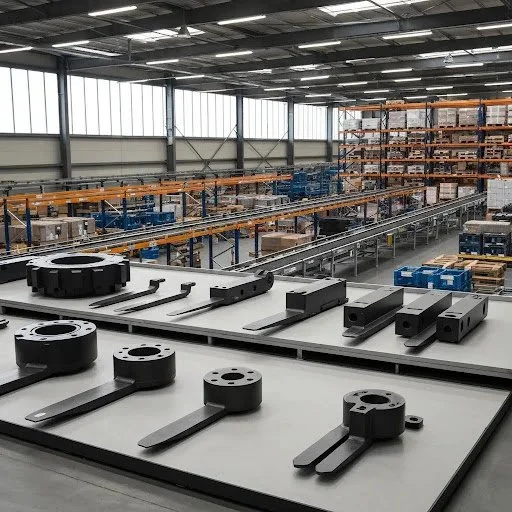
Forklift tynes are the load-bearing forks fitted to a lift truck; choosing the right type affects safety, operational efficiency and equipment compatibility. This guide explains types of forklift tynes for sale, how tynes function, what dimensions and mounting classes matter, and how material and maintenance decisions influence long-term performance. Many operators face uncertainty when matching tynes to specific loads, which can lead to premature wear or reduced lift capacity; this article provides actionable checks and practical examples to reduce that risk. You will learn tyne anatomy, common tyne varieties and their ideal applications, the key measurement and mounting checks to perform, and how to align material choices with operating environments and AS 2359 compliance. The following sections cover tyne components, a comparative table of types and uses, a step-by-step selection checklist, material comparisons with an EAV table, safety and compliance advice tied to Australian standards, and maintenance schedules for longer service life. Throughout, the content integrates industry terms like ITA/FEM mounting classes, load centre, wear limits and inspection protocols to help technicians and fleet managers make confident purchasing choices. Mandarin Imports and Exports is a Sydney-based forklift parts supplier and warehouse solutions provider that offers a wide range of forklift attachments, including forklift tynes, and provides after-sales support to operators. This article is educational in intent but readers who want to see product options can consult Mandarin Imports and Exports’ product catalogue or request specification support from the supplier. The remainder of the guide focuses on practical selection and safety guidance, with brief references to supplier capabilities where they help match buyers to the right tyne. What Are Forklift Tynes and What Are Their Key Components? A forklift tyne is the primary load-bearing attachment on a lift truck that transmits load forces to the carriage and mast; its design determines how weight is carried, concentrated and stabilised. The tyne functions by combining structural elements blade, shank, heel, tip and retention hooks so that load centre, thickness and contact area control lifting capacity and wear distribution. Correctly specified tyne geometry reduces stress concentrations and preserves the forklift’s rated capacity, while unsuitable design increases tip wear and alters the effective load centre. Understanding tyne anatomy lets technicians interpret wear patterns and make informed replacements or upgrades that restore safe handling performance. The next subsections break down individual parts and explain how tynes operate in different material-handling contexts. What Are the Main Parts of a Forklift Tyne? The main parts of a fork tyne each play a specific structural or retention role and therefore influence inspection priorities and replacement criteria. The blade provides the flat bearing surface that supports pallet or unit loads and determines contact area; excessive blade wear reduces reserve capacity and increases slippage risk. The shank links the blade to the heel and transfers bending loads to the carriage; shank strength governs overall tyne stiffness and affects rated load capacity. The heel and tip are common wear points the heel where the tyne mates with the carriage and the tip where abrasion occurs and both should be measured against wear limits during inspections. Locking hooks and retention pins keep tynes secured to the carriage, and damaged or missing pins are immediate safety issues that require removal or repair before use. How Do Forklift Tynes Function in Material Handling? Tynes function by transmitting vertical and bending loads while maintaining a predictable load centre that the forklift’s lifting chart assumes when calculating safe capacity. Load distribution across the blade determines how the lift truck perceives weight; concentrated or unbalanced loads move the effective load centre forward and can reduce the allowable lift capacity significantly. For palletised handling, broad blades distribute weight evenly and preserve stability, whereas irregular loads such as coils need shaped contact surfaces or cradles to avoid shifting and to keep the centre of gravity controlled. Operators must match tyne type and length to load geometry to prevent tipping and to ensure the forklift’s rated capacity is not unknowingly exceeded, which leads directly into considerations for choosing the right tyne. What Are the Different Types of Forklift Tynes and Their Applications? There are several hyponyms within the tyne family standard, tapered, full-tapered, coil, drum, telescopic, stainless and heavy-duty tynes each engineered for specific load types and industries. Selecting among these types requires balancing contact area, insertion ease, corrosion resistance and bending strength, depending on whether you handle pallets, coils, drums or hygienic loads. Below is a concise EAV comparison to help you quickly match tyne types to applications and approximate load ranges for common uses. What Professional Maintenance Tips Help Prevent Tyne Damage? This EAV table highlights the primary operational match between tyne type and application so technicians can rule in or rule out types quickly. The next subsections compare standard vs tapered choices and describe how specialty tynes differ in structure and safety considerations. What Are Standard and Tapered Forklift Tynes Used For? Standard tynes are the workhorse for warehouses and logistics operations because their flat, rectangular blades give a wide bearing surface that spreads load forces and resists localised bending. Tapered and full-tapered tynes reduce tip width to allow easier penetration into pallets and narrow racking, making them preferable where insertion speed and precision are priorities. The trade-off is that tapered tips concentrate stress near the tip area and may wear faster under heavy, abrasive loads, which means tapered designs are best for lighter, more precise handling rather than brute-force lifting. When choosing between them, evaluate typical load profiles and insertion requirements if most tasks are pallet-to-rack placements with frequent horizontal insertion, tapered tynes can improve cycle times without sacrificing safety. How Do Specialty Tynes Like Coil, Drum, and Stainless Steel Forklift Tynes Differ? Specialty tynes are engineered to address geometry, hygiene and attachment needs that standard forks cannot safely meet; designs include curved profiles, hooks, cradle clamps and corrosion-resistant materials. Coil handling tynes use a curved shape to cradle rolled steel or textile coils and maintain contact over a wider arc, reducing localised pressure and the