

Essential Forklift Attachment Types for Your Business: A Comprehensive Forklift Attachment Guide
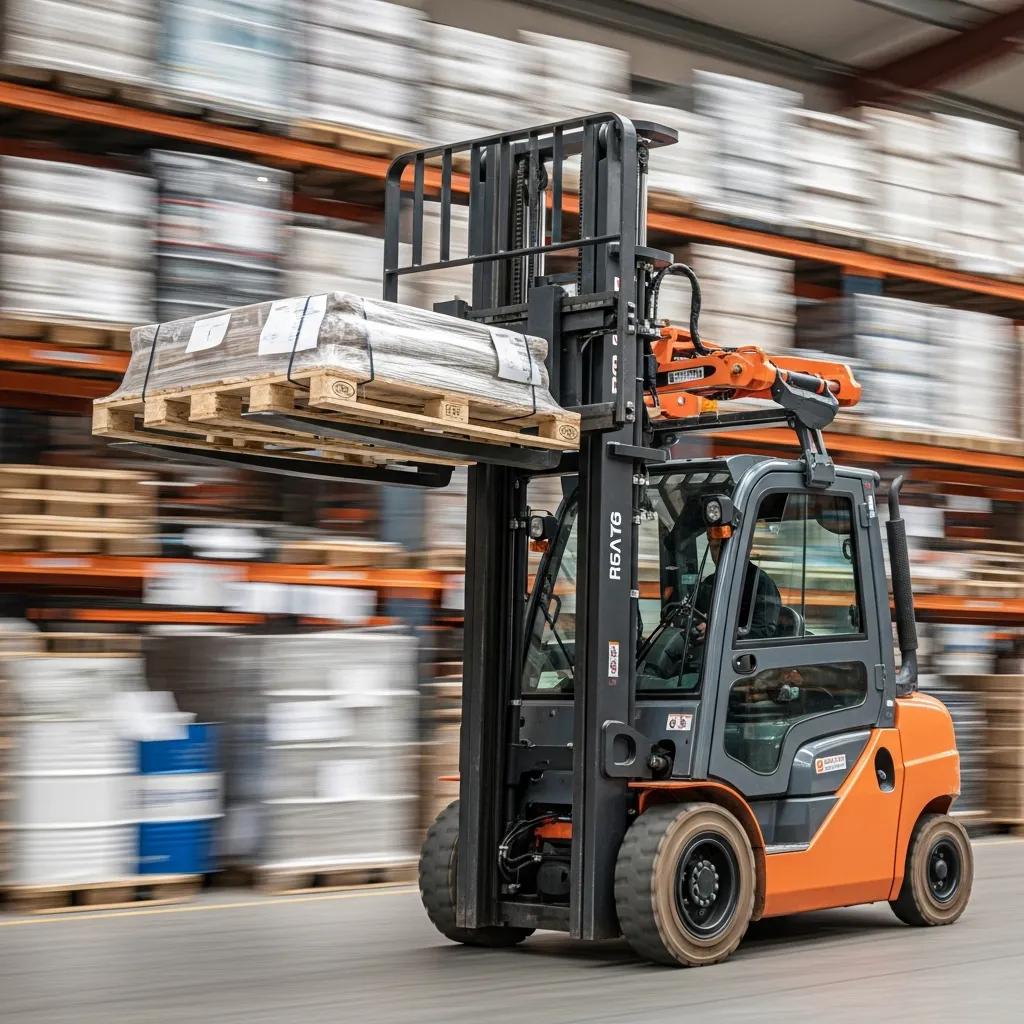
Forklift attachments are specialised implements that expand a truck’s capabilities beyond simple fork carriage operations, enabling safer, faster and more flexible material handling in busy warehouses. These attachments work by altering the forklift’s interface with loads, for example by extending reach, shifting laterally, or providing clamping and rotation, which directly improves throughput, reduces manual handling and mitigates damage. Warehouse managers and operations leads will learn which attachment categories deliver the greatest productivity gains, how accessories and safety options reduce incidents, and how to choose the right combination for specific layouts and load types. This guide maps essential attachment types, explains technical and safety considerations, and presents a practical decision checklist to help buyers and hirers prioritise investments. It also highlights where local suppliers and hire services can support trials and after-sales support for Sydney warehouses, ensuring readers leave with actionable next steps for selecting and deploying attachments that boost efficiency and safety. What Are the Key Forklift Attachments for Enhancing Warehouse Efficiency? Key forklift attachments convert a standard lift truck into purpose-built material handling equipment that addresses oversized, fragile or irregular loads while improving cycle times and placement accuracy. These high-impact attachments include fork extensions for long loads, side shifters for lateral adjustment, clamp attachments for irregular items, fork positioners to speed spacing changes, and drum handlers for secure barrel movement; each option alters the truck’s interaction with the load and therefore the load centre, handling profile and safety envelope. Choosing the right set of these core attachments reduces repositioning time, minimises product damage and increases throughput at racking and loading bays. Below is a concise list of essential attachments with one-line benefits to aid quick snippet-style decision-making. Essential attachments and primary efficiency benefits: Fork extensions: Extend reach to stabilise long or bulky loads and reduce overhang damage. Side shifters: Allow lateral fork movement for precise placement without repositioning the truck. Clamp attachments: Secure irregular or soft packaging to eliminate pallet dependency. Fork positioners: Adjust fork spacing hydraulically to speed multi-pallet operations. Drum handlers: Provide secure handling and rotation for barrels to prevent spills. This compact overview highlights attachments that most directly boost throughput; the following table provides a quick comparison of common load-handling attachments to help match capability to use-case. Different attachments have distinct dimensions, capacities and ideal use-cases to guide selection and installation. This tabular view helps operations teams align attachment choice with load geometry and truck hydraulic capacity, reducing trial-and-error procurement cycles. Following clamp and drum handling guidance reduces product damage and streamlines load flow in specialised operations. How Do Fork Extensions Improve Handling of Oversized Loads? Fork extensions are purpose-made sleeves or longer blades fitted over standard fork tynes to increase the effective supporting length, which reduces the risk of back-end tipping and prevents load overhang from contacting racking or personnel. By shifting the load support point further forward, extensions change the load centre and therefore require recalculation of rated capacity and adherence to safe working loads; selecting extension length should consider both the longest load handled and the truck’s published capacity curves. Typical applications include timber, ducts, piping and other elongated materials where balanced support across the length prevents bending and product damage. Proper installation and regular inspection for wear, distortion and secure locking mechanisms are essential to maintain safety and predictable lift behaviour, and operators must be briefed on altered lift limits. Understanding these capacity and safety trade-offs prepares managers to select extensions that match both vehicle ratings and the warehouse’s long-load profile. What Benefits Do Side Shifters Offer for Precise Load Positioning? Side shifters enable smooth lateral movement of the fork assembly without moving the truck, by using a hydraulic cylinder to shift the carriage left or right; this mechanism reduces the number of repositioning manoeuvres required during racking, loading and truck assembly tasks. The direct benefit is measurable time savings per lift cycle and fewer tight-space manoeuvres, which lowers congestion in narrow aisles and reduces the risk of contact damage to pallets and racking systems. Maintenance is straightforward but requires periodic checks of the hydraulic seals, guide bushings and mounting bracket integrity to prevent drift and ensure accurate lateral travel. Side shifters pair well with fork positioners and laser guides to give precise, repeatable placement; operators trained in combined use can cut average placement time while improving load accuracy in dense storage environments. Which Specialised Forklift Attachments Optimise Material Handling? Specialised attachments address industry-specific load profiles where traditional pallet forks are inadequate; these include clamp variants, drum handlers, paper roll clamps, push-pull units and rotators that enable handling of non-palletised, delicate or rotationally sensitive items. Such attachments provide functional traits, grip control, rotation, or controlled squeeze, that prevent product damage and allow single-operator handling of complex loads, which enhances throughput in sectors like manufacturing, paper converting, beverage and stone distribution. When selecting specialised equipment, focus on attachment-specific attributes such as gripping surface, rotation range, hydraulic requirements and carriage compatibility because mismatches can cause unsafe operation or inefficient cycles. The table below summarises technical attributes and compatibility notes for several common specialised attachments to support decision-making. The following table outlines capacity and compatibility considerations for specialised attachments This tabular view helps operations teams align attachment choice with load geometry and truck hydraulic capacity, reducing trial-and-error procurement cycles. Following clamp and drum handling guidance reduces product damage and streamlines load flow in specialised operations. How Do Clamp Attachments Facilitate Handling of Irregular Items? Clamp attachments use opposing pads or arms to grip loads securely without pallets, enabling handling of appliances, boxed goods, stone slabs and other irregular shapes that would otherwise require skids or manual handling. The gripping mechanism distributes pressure across contact surfaces to minimise point loading and product marks, and pad material and contact area must be chosen to match the item’s surface finish and fragility. Clamps reduce the need for secondary packing and speed pick-and-place operations in production lines and retail distribution where palletising is inefficient. Selection should consider required gripping force, pad replacement intervals and hydraulic control compatibility to