

Ultimate Guide to Forklift Tynes Maintenance
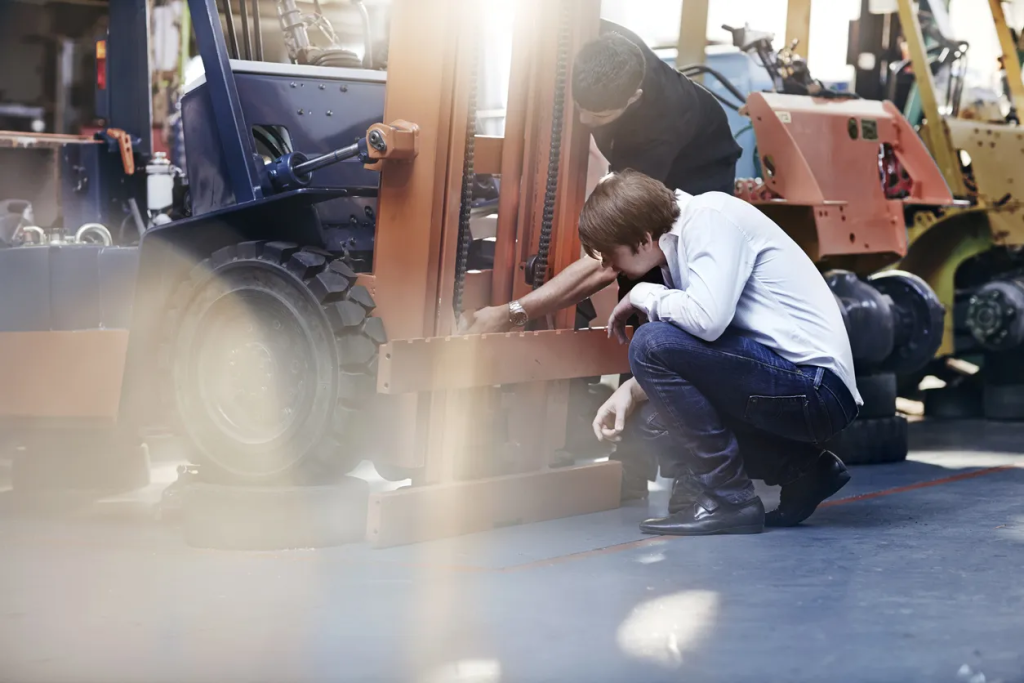
Proper maintenance of forklift tynes is essential for safety and operational efficiency in material handling environments. Also referred to as forks, tynes are the primary load-bearing components that influence forklift performance. This guide outlines comprehensive maintenance practices to maintain tynes in optimal condition. Regular inspections and preventive maintenance reduce repair costs and extend equipment service life. The article provides inspection checklists, maintenance recommendations, and repair procedures to support effective tyne management. How to Perform a Comprehensive Forklift Tyne Inspection Checklist? Thorough inspections detect issues before they escalate. Regular checks verify that tynes remain safe and fully functional. The inspection program should include daily, monthly, and annual assessments to evaluate all aspects of tyne condition. Adherence to this inspection checklist preserves operational safety and efficiency. What Are the Key Inspection Points for Forklift Tynes? Inspections should address specific points to verify safety and operational capability. The following areas warrant particular attention: Regular assessment of these points enables early detection and helps maintain tyne integrity. How Often Should Forklift Tynes Be Inspected to Ensure Safety? Regular inspection is required to maintain safe operation. Recommended frequencies are outlined below: Adhering to these intervals maintains tyne safety and serviceability throughout their operational life. What Are the Best Forklift Tyne Maintenance Tips to Extend Equipment Lifespan? Extending tyne service life requires consistent, proactive maintenance. The following practices provide the greatest benefit: Implementing these maintenance measures enhances the durability and performance of forklift tynes.For reliable forklift tynes for sale Sydney, businesses can rely on Mandarin Imports Exports – offers a range of high-quality forklift tynes for sale and hire, providing access to reliable equipment for your operations. Which Routine Maintenance Practices Prevent Forklift Tyne Wear? Routine maintenance is the primary control against tyne wear. The most effective practices include: Applying these practices preserves tyne integrity and prolongs service life. How to Implement a Cost-Efficient Forklift Tyne Maintenance Schedule? A cost-efficient maintenance schedule for tynes is achieved through targeted actions and documentation. Key steps include: Adopting these measures balances cost control with operational safety. How to Identify and Interpret Signs of Forklift Tyne Wear? Identifying wear indicators is essential for safety. Primary signs to monitor include: Recognising these signs early allows timely intervention and repair. What Visual Indicators Signal Forklift Tyne Damage or Wear? Typical visual indicators of tyne damage or wear include: Regular monitoring of these indicators supports safe, reliable operations. What Are the Safety Risks Associated with Worn Forklift Tynes? Use of worn forklift tynes increases operational risk. Principal hazards include: Understanding these risks underscores the importance of regular inspections and maintenance. What Are the Step-by-Step Forklift Tyne Repair Procedures? Repairing forklift tynes requires a systematic approach. Principal steps are: Adhering to these procedures ensures repairs are carried out safely and effectively, supporting reliable forklift performance and long-term forklift sales by maintaining equipment in optimal working condition. How to Repair Common Forklift Tyne Damages Effectively? Common tyne damage can be addressed using established repair methods, which include: These repair strategies maintain tyne functionality and operational safety. When Is Forklift Tyne Replacement Necessary Instead of Repair? Tyne replacement is required when repair would not restore safe functionality. Typical criteria include: Recognising these criteria guides informed maintenance and safety decisions.Companies often rely on professional forklift attachments suppliers Australia to ensure their forklifts operate safely and handle different types of loads efficiently. How to Develop and Maintain an Effective Forklift Maintenance Schedule? Effective maintenance scheduling requires a combination of routine checks, technology, and record keeping. Key elements include: Implementing these guidelines ensures the maintenance schedule is both effective and efficient. What Are Recommended Inspection and Maintenance Intervals for Forklift Tynes? Recommended inspection and maintenance intervals include: Adhering to these intervals preserves tyne safety and functionality. How to Document and Track Forklift Tyne Maintenance Activities? Accurate documentation and tracking are essential for effective maintenance management. Recommended practices include: Maintaining accurate records enables effective tracking of tyne condition and maintenance history. Conclusion Regular maintenance of forklift tynes is essential to preserve safety and efficiency in material handling operations. Comprehensive inspection and maintenance practices extend equipment service life and reduce the likelihood of costly repairs. Prioritising these activities enhances operational reliability and protects personnel. Explore our range of high-quality forklift tynes and maintenance resources to optimise your operations today.
Common Forklift Tynes Problems You Should Never Ignore: Essential Maintenance and Inspection Guide
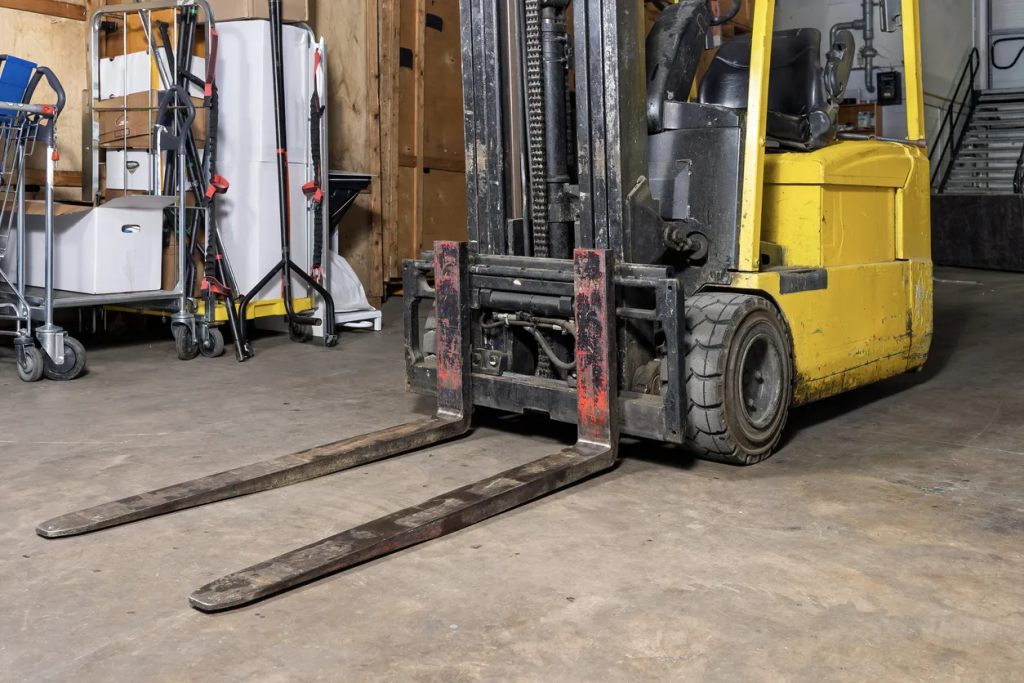
Forklift tynes are core elements of material-handling equipment and directly affect safety and operational efficiency. Recognising common tyne defects is necessary to maintain performance and protect personnel. This guide summarises typical failures, their impact on load stability, and recommended maintenance and inspection practices. Early detection and corrective action reduce downtime and enhance operational safety. The article reviews frequent tyne problems, the effect of wear on load stability, common damage mechanisms, and detection methods. It also outlines key wear indicators, visual and physical inspection procedures, and maintenance best practices, and explains how timely replacement prevents safety incidents. What Are the Most Frequent Forklift Tyne Problems Affecting Safety and Performance? Forklift tynes frequently exhibit problems related to incorrect sizing, progressive wear or structural damage, and inadequate material specification. Incorrect tyne sizing impairs load engagement and increases accident risk. Structural damage such as bending or cracking reduces component integrity and may cause in-service failure. Material grade and manufacturing standards determine durability and fatigue resistance; selecting tynes to specified requirements is essential for safe operation. How Does Forklift Tyne Wear Impact Load Stability and Safety? Tyne wear reduces load retention capacity and load stability, increasing the risk of tipping and associated injuries. Research underscores the critical relationship between tyne condition and overall load stability during handling operations. Forklift Load Stability & Handling Performance Study of unit load performance and stability during dynamic forklift handling, including factors affecting unbound unit loads. Evaluation of Unit Load Stability Under Dynamic Forklift Handling Conditions, 2024 Progressive wear also raises repair and replacement frequency, which increases maintenance expenditure. Recognising the operational impact of wear supports safer and more efficient fleet management. What Are the Common Causes of Forklift Tyne Damage? Common causes of tyne damage include excessive loads, incorrect mounting, and environmental corrosion. Additional analysis of failure mechanisms identifies blade reduction as a prevalent issue. Identifying these failure mechanisms enables targeted controls to prevent damage and extend tyne service life. Businesses often consult a trusted forklift tynes supplier in Sydney to ensure they install durable and safety-compliant equipment. How Can You Detect Signs of Damaged Forklift Tynes Early? Early detection requires routine inspections for visible cracks, deformation or bending, and excessive surface or tip wear. Systematic inspections reduce the likelihood of incidents and support continuous, safe operations. What Are the Key Wear Indicators on Forklift Tynes? Primary wear indicators include cracking, bending or other deformation, and tip wear that impairs load engagement. Monitoring these indicators preserves structural integrity and informs timely replacement decisions. Which Visual and Physical Checks Reveal Forklift Tyne Damage? Conduct regular visual and physical inspections to identify tyne damage. Recommended checks include: Implementing these checks contributes to measurable improvements in safety and equipment availability. What Are the Best Practices for Forklift Tyne Maintenance and Inspection? Adopt a scheduled, multi-level inspection and maintenance program to maximise tyne life and ensure operational safety: Consistent application of these practices helps maintain tyne condition and reduces the likelihood of accidents.Partnering with reliable forklift spare parts suppliers ensures quick access to quality replacement parts. Suppliers offer high-quality tynes for sale and rental to meet diverse operational requirements. When combined with routine maintenance and inspection, quality components improve safety and handling efficiency. How Often Should Forklift Tynes Be Inspected According to Industry Standards? Industry guidance recommends regular inspections at defined intervals to maintain safety and regulatory compliance. Adherence to recommended inspection schedules is essential for safe and compliant operations. What Does a Comprehensive Forklift Tyne Inspection Checklist Include? A comprehensive inspection checklist should address the following critical areas: Using a standardised checklist ensures consistent coverage of essential inspection points. How Do You Troubleshoot Common Forklift Tyne Issues Effectively? Effective troubleshooting follows a structured process: Applying these measures enables proactive management and reduces the likelihood of in-service failures. What Steps Should Be Taken When Forklift Tynes Show Signs of Wear or Damage? When tynes display signs of wear or damage, implement immediate corrective actions. Recommended steps include: Prompt intervention limits further deterioration and protects personnel and assets. When Is Forklift Tyne Replacement Necessary to Ensure Operational Safety? Replace tynes when they reach manufacturer-specified wear limits or exhibit visible structural damage. Ongoing monitoring and compliance with replacement criteria are critical to maintaining operational safety when using forklift equipment in Australia. What Are the Safety Implications and Compliance Requirements for Forklift Tyne Condition? Tyne condition directly affects workplace safety. Regular inspection and maintenance are required to meet regulatory obligations. Industry guidance emphasises the need for consistent maintenance and adherence to established safety standards for forklift tynes. How Does a Damaged Forklift Tyne Affect Workplace Safety? Damaged tynes materially reduce workplace safety and increase operational risk. Recognising these risks is fundamental to effective prevention and risk management. What Are the Relevant Safety Standards and Compliance Guidelines for Forklift Tynes? Applicable safety standards and compliance measures include adherence to industry inspection protocols, scheduled maintenance, and comprehensive documentation. Conformance with these guidelines is essential to ensure both safety and operational efficiency. How Can Businesses Reduce Costs Through Effective Forklift Tyne Maintenance? Effective tyne maintenance reduces repair costs and operational disruptions. A disciplined maintenance program delivers measurable long-term cost savings. What Are the Cost Benefits of Regular Forklift Tyne Inspections? Regular inspections provide several quantifiable cost benefits: Investing in regular inspections yields measurable financial benefits for the business. How Does Timely Replacement Prevent Expensive Downtime and Repairs? Timely replacement of worn or damaged tynes prevents costly downtime and repair expenses. Prioritising timely replacement helps maintain continuous operations and reduces total cost of ownership. Conclusion Maintaining forklift tynes is essential to ensure safety and operational efficiency in material handling. Regular inspection and timely remediation prevent downtime and enhance workplace safety. Specified, high-quality tynes used in conjunction with best-practice maintenance deliver long-term cost savings. Review our range of premium forklift tynes and maintenance resources to optimise your operations.