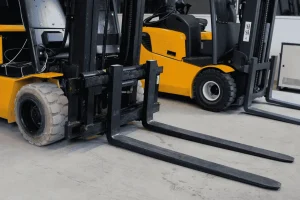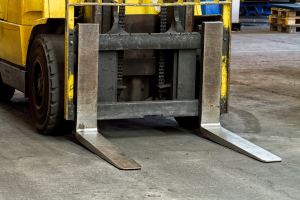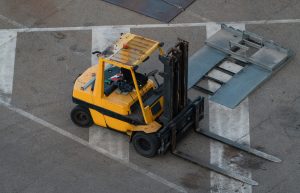
Proper maintenance of forklift tynes is essential for safety and operational efficiency in material handling environments. Also referred to as forks, tynes are the primary load-bearing components that influence forklift performance. This guide outlines comprehensive maintenance practices to maintain tynes in optimal condition. Regular inspections and preventive maintenance reduce repair costs and extend equipment service life. The article provides inspection checklists, maintenance recommendations, and repair procedures to support effective tyne management.
How to Perform a Comprehensive Forklift Tyne Inspection Checklist?
Thorough inspections detect issues before they escalate. Regular checks verify that tynes remain safe and fully functional. The inspection program should include daily, monthly, and annual assessments to evaluate all aspects of tyne condition.
- Daily Checks : Inspect for visible damage, such as cracks or bends, and ensure that the tynes are securely attached to the forklift.
- Monthly Checks : Measure the tynes for wear and tear, checking for any significant reduction in thickness or length.
- Annual Checks : Conduct a comprehensive inspection, including a detailed assessment of the mounting integrity and overall condition of the tynes.
Adherence to this inspection checklist preserves operational safety and efficiency.
What Are the Key Inspection Points for Forklift Tynes?
Inspections should address specific points to verify safety and operational capability. The following areas warrant particular attention:
- Visual Inspection : Look for any signs of physical damage, such as cracks, bends, or excessive wear.
- Dimensional Wear Checks : Measure the tynes to ensure they meet the required specifications and have not exceeded allowable wear limits.
- Mounting Integrity : Check that the tynes are securely mounted and that there are no loose bolts or connections.
Regular assessment of these points enables early detection and helps maintain tyne integrity.
How Often Should Forklift Tynes Be Inspected to Ensure Safety?
Regular inspection is required to maintain safe operation. Recommended frequencies are outlined below:
- Daily Visual Inspections : Conduct a quick visual check before each use to identify any immediate issues.
- Monthly Measurements : Perform detailed measurements to assess wear and ensure compliance with safety standards.
- Annual Professional Inspections : Engage a qualified technician to conduct a thorough inspection and maintenance check.
Adhering to these intervals maintains tyne safety and serviceability throughout their operational life.
What Are the Best Forklift Tyne Maintenance Tips to Extend Equipment Lifespan?
Extending tyne service life requires consistent, proactive maintenance. The following practices provide the greatest benefit:
- Regular Inspections : Conduct routine checks to identify wear and damage early.
- Proper Usage : Ensure that operators are trained to use the forklift correctly, avoiding overloading and improper handling.
- Lubrication : Regularly lubricate moving parts to reduce friction and wear.
Implementing these maintenance measures enhances the durability and performance of forklift tynes.For reliable forklift tynes for sale Sydney, businesses can rely on Mandarin Imports Exports – offers a range of high-quality forklift tynes for sale and hire, providing access to reliable equipment for your operations.
Which Routine Maintenance Practices Prevent Forklift Tyne Wear?
Routine maintenance is the primary control against tyne wear. The most effective practices include:
- Daily Visual Inspections : Check for any signs of damage or wear before use.
- Proper Lubrication : Ensure that all moving parts are adequately lubricated to minimise friction.
- Correct Storage : Store tynes in a dry, protected area to prevent corrosion and damage.
Applying these practices preserves tyne integrity and prolongs service life.
How to Implement a Cost-Efficient Forklift Tyne Maintenance Schedule?
A cost-efficient maintenance schedule for tynes is achieved through targeted actions and documentation. Key steps include:
- Daily Inspections : Incorporate daily checks into your operational routine to catch issues early.
- Condition-Based Replacement : Monitor the condition of tynes and replace them based on wear rather than a fixed schedule.
- Documentation : Keep detailed records of inspections and maintenance activities to track the condition of your tynes over time.
Adopting these measures balances cost control with operational safety.
How to Identify and Interpret Signs of Forklift Tyne Wear?
Identifying wear indicators is essential for safety. Primary signs to monitor include:
- Thinning at Tips : Check for reduced thickness at the tips of the tynes, which can compromise their strength.
- Visible Cracks : Look for any cracks that may indicate structural failure.
- Permanent Bending : Assess for any permanent bends that could affect the tynes’ functionality.
Recognising these signs early allows timely intervention and repair.
What Visual Indicators Signal Forklift Tyne Damage or Wear?
Typical visual indicators of tyne damage or wear include:
- Cracks : Any visible cracks should be addressed immediately to prevent failure.
- Bending or Deformation : Look for any signs of bending that could affect load handling.
- Excessive Wear : Check for significant wear that may compromise the tynes’ effectiveness.
Regular monitoring of these indicators supports safe, reliable operations.
What Are the Safety Risks Associated with Worn Forklift Tynes?
Use of worn forklift tynes increases operational risk. Principal hazards include:
- Load Instability : Worn tynes may not securely hold loads, increasing the risk of accidents.
- Structural Failure : Compromised tynes can lead to sudden failure during operation, posing a danger to operators and bystanders.
- Increased Risk of Accidents : The likelihood of accidents rises significantly when tynes are not properly maintained.
Understanding these risks underscores the importance of regular inspections and maintenance.
What Are the Step-by-Step Forklift Tyne Repair Procedures?
Repairing forklift tynes requires a systematic approach. Principal steps are:
- Assess Damage : Determine the extent of the damage to decide whether repair or replacement is necessary.
- Minor Repairs : For minor issues, such as surface scratches, use appropriate welding techniques to restore integrity.
- Professional Assessment : For significant damage, consult a professional to evaluate the tynes and recommend the best course of action.
Adhering to these procedures ensures repairs are carried out safely and effectively, supporting reliable forklift performance and long-term forklift sales by maintaining equipment in optimal working condition.
How to Repair Common Forklift Tyne Damages Effectively?
Common tyne damage can be addressed using established repair methods, which include:
- Controlled Welding : Use controlled welding techniques to repair cracks and structural damage.
- Documentation : Keep records of all repairs to track the history and condition of the tynes.
- Preventive Maintenance : Implement preventive measures to avoid future damage.
These repair strategies maintain tyne functionality and operational safety.
When Is Forklift Tyne Replacement Necessary Instead of Repair?
Tyne replacement is required when repair would not restore safe functionality. Typical criteria include:
- Visible Cracks : If cracks are present, replacement is often the safest option.
- Permanent Bending : Tynes that are permanently bent should be replaced to ensure safe operation.
- Compromised Mounting Integrity : If the mounting integrity is compromised, it is crucial to replace the tynes to prevent accidents.
Recognising these criteria guides informed maintenance and safety decisions.Companies often rely on professional forklift attachments suppliers Australia to ensure their forklifts operate safely and handle different types of loads efficiently.
How to Develop and Maintain an Effective Forklift Maintenance Schedule?
Effective maintenance scheduling requires a combination of routine checks, technology, and record keeping. Key elements include:
- Regular Maintenance Checks : Schedule routine checks to assess the condition of tynes and other components.
- Use of Technology : Implement maintenance management software to track inspections and repairs.
- Detailed Maintenance Logs : Keep comprehensive logs of all maintenance activities to monitor performance over time.
Implementing these guidelines ensures the maintenance schedule is both effective and efficient.
What Are Recommended Inspection and Maintenance Intervals for Forklift Tynes?
Recommended inspection and maintenance intervals include:
- Daily Inspections : Conduct daily checks before operation to identify any immediate issues.
- Monthly Measurements : Perform monthly measurements to assess wear and ensure compliance with safety standards.
- Annual Professional Inspections : Engage a qualified technician for a thorough annual inspection.
Adhering to these intervals preserves tyne safety and functionality.
How to Document and Track Forklift Tyne Maintenance Activities?
Accurate documentation and tracking are essential for effective maintenance management. Recommended practices include:
- Structured Maintenance Program : Develop a structured program that outlines inspection and maintenance tasks.
- Daily Inspections : Record daily inspections to ensure all checks are completed.
- Use of Checklists : Implement checklists to standardise the documentation process and ensure consistency.
Maintaining accurate records enables effective tracking of tyne condition and maintenance history.
Conclusion
Regular maintenance of forklift tynes is essential to preserve safety and efficiency in material handling operations. Comprehensive inspection and maintenance practices extend equipment service life and reduce the likelihood of costly repairs. Prioritising these activities enhances operational reliability and protects personnel. Explore our range of high-quality forklift tynes and maintenance resources to optimise your operations today.