

Solid Forklift Tyres: Durability, Uses and Selection Guide
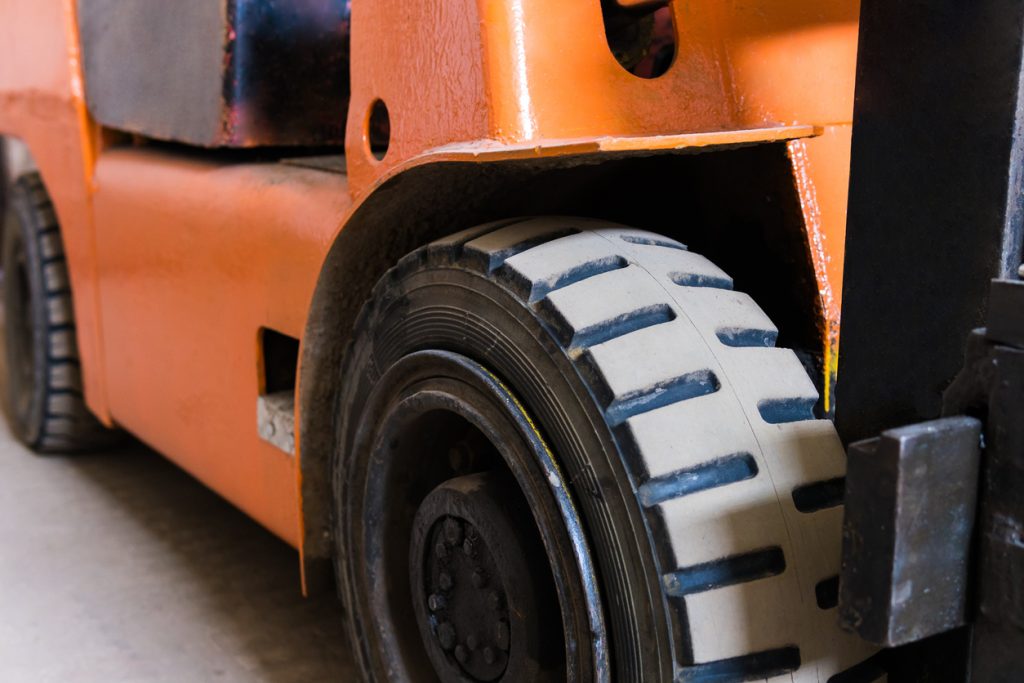
Solid forklift tyres are essential in material handling and chosen for long service life and resistance to punctures. This guide outlines construction, performance, suitable environments, selection criteria and basic maintenance so you can choose the right solid tyres for your equipment. Material Composition: Made from dense rubber compounds, solid tyres are airless, eliminating flats. Their construction emphasises wear resistance and structural strength, delivering predictable handling in heavy-use industrial settings. Performance Characteristics: Solid forklift tyres provide performance traits suited to heavy-duty use: These attributes reduce interruptions and extend tyre service life. Suitability for Various Operational Environments: Solid tyres work across many settings and are especially useful in: Match tyre selection to site conditions to minimise downtime. Types of Solid Forklift Tyres: Main solid-tyre varieties address specific needs: Choose the type that balances durability, ride and floor protection for your site. Key Considerations When Choosing Solid Tyres: Evaluate these core factors: These checks help avoid mismatched tyres and operational issues. Tyre Type Surface Suitability Load Capacity Ideal Use Standard Solid Tyres Rough and uneven High General warehouse use Cushion Tyres Smooth surfaces Moderate Indoor operations Non-Marking Tyres Sensitive flooring Moderate Clean environments This table summarises each type for quick comparison. Maintenance Tips: Keep tyres performing with routine care: Consistent maintenance extends service life and lowers costs. What Are the Different Types of Forklift Tyres and Their Uses? Tyre choices vary by application: Selecting the right type improves handling and longevity. How Do Solid Forklift Tyres Compare to Pneumatic and Cushion Tyres? Key differences to consider: Choose based on terrain, load and comfort priorities. Which Tyre Types Are Best Suited for Industrial and Warehouse Environments? Common recommendations: Matching tyres to the environment reduces wear and enhances productivity. What Are the Key Advantages of Solid Forklift Tyres in Industrial Settings? Main advantages: These benefits make solids cost-effective for high-demand fleets. How Do Solid Tyres Enhance Durability and Puncture Resistance? The airless design and robust rubber compounds eliminate flats, resist cuts and abrasions, and remove the need for pressure checks so tyres stay reliable in harsh conditions. What Cost Savings and Safety Benefits Do Solid Tyres Provide? Investing in solids yields: These factors support long-term operational savings. How to Choose the Right Solid Forklift Tyres for Your Application in Sydney? Consider local conditions and operational needs: This approach helps ensure tyres suit Sydney’s operational and environmental conditions. What Selection Criteria Should Be Considered for Sydney’s Industrial Conditions? Key criteria: Use these points to select tyres that perform reliably in varied settings. How Do Load Capacity and Tyre Fitting Affect Performance? Proper load rating and fitting are essential: A correct fitting preserves tyre life and safe operation. What Are Essential Maintenance and Replacement Tips for Solid Forklift Tyres? Maximise life with these habits: Proactive care prevents disruptions and maintains performance. When and How Should You Replace Solid Forklift Tyres? Replace tyres when clear wear indicators appear and use safe procedures: Timely replacement keeps your fleet productive and safe. Conclusion Solid forklift tyres provide durable, puncture-resistant performance suited to demanding industrial and warehouse use. By matching tyre type to load, surface and usage, and by following routine maintenance and replacement guidance, you can improve safety and lower operating costs. Review available solid-tyre options to find the best fit for your operations and keep your fleet running reliably.