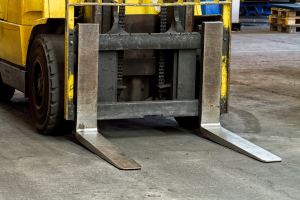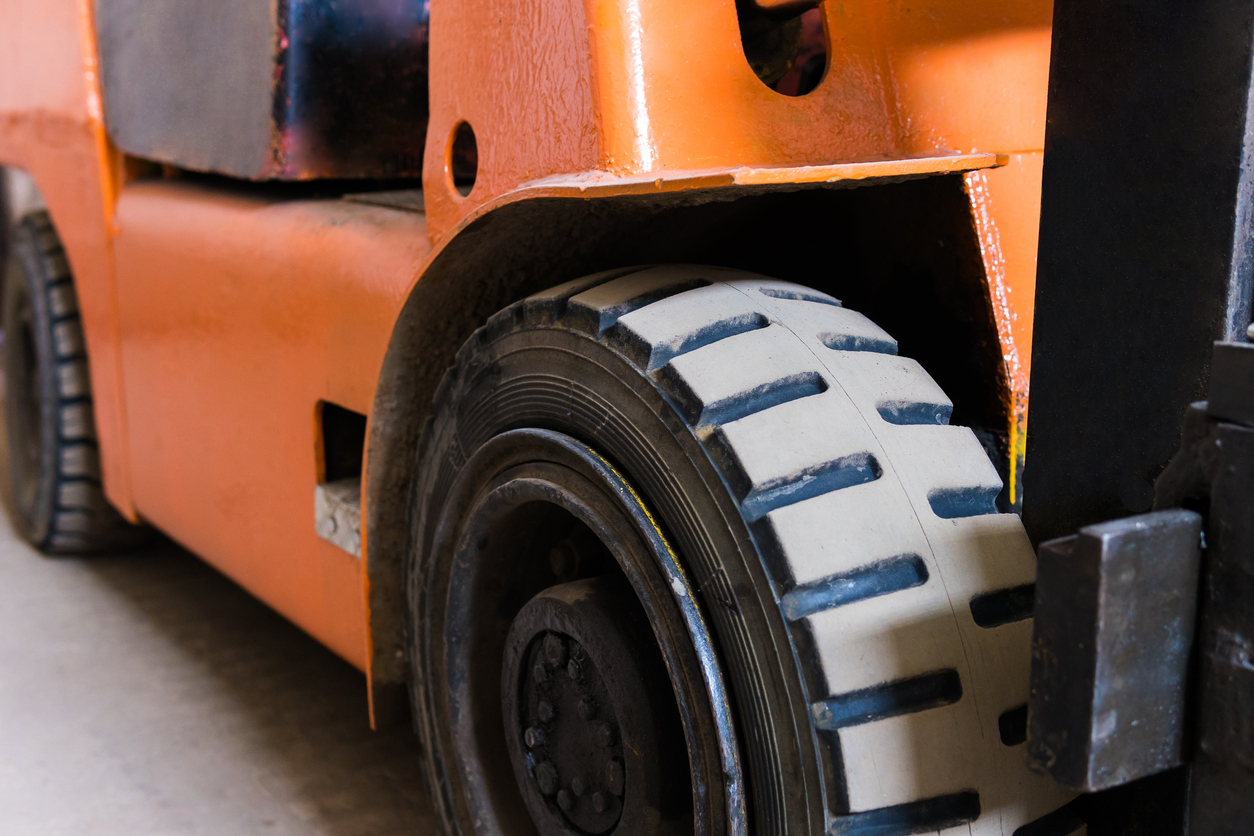
Solid forklift tyres are essential in material handling and chosen for long service life and resistance to punctures. This guide outlines construction, performance, suitable environments, selection criteria and basic maintenance so you can choose the right solid tyres for your equipment.
Material Composition:
Made from dense rubber compounds, solid tyres are airless, eliminating flats. Their construction emphasises wear resistance and structural strength, delivering predictable handling in heavy-use industrial settings.
Performance Characteristics:
Solid forklift tyres provide performance traits suited to heavy-duty use:
- Durability and Wear Resistance: Designed for continuous loads and abrasive floors, they typically last longer than pneumatics.
- Puncture Resistance: Airless construction removes flats and reduces repair downtime.
- Stability Under Heavy Loads: Maintain traction and footprint under rated loads, improving lift safety.
These attributes reduce interruptions and extend tyre service life.
Suitability for Various Operational Environments:
Solid tyres work across many settings and are especially useful in:
- Indoor and Outdoor Use: Robust enough for yards and stable for warehouse aisles.
- Environmental Resistance: Tolerant of weather and typical surface contaminants.
- Specific Applications: Suited to manufacturing, distribution centres and other heavy-load operations.
Match tyre selection to site conditions to minimise downtime.
Types of Solid Forklift Tyres:
Main solid-tyre varieties address specific needs:
- Standard Solid Tyres: General-purpose, high-durability option for warehouses and factories.
- Cushion Tyres: Best for indoor smooth floors, offering a gentler ride and tighter turning.
- Non-Marking Tyres: Prevent floor marks where cleanliness and appearance matter.
Choose the type that balances durability, ride and floor protection for your site.
Key Considerations When Choosing Solid Tyres:
Evaluate these core factors:
- Assess Surface Conditions: Select tread and compound for your actual floors and outdoor areas.
- Evaluate Load Requirements: Use tyres rated for your maximum regular loads.
- Consider Frequency of Use: High-use fleets need heavier-duty compounds to extend service intervals.
These checks help avoid mismatched tyres and operational issues.
| Tyre Type | Surface Suitability | Load Capacity | Ideal Use |
|---|---|---|---|
| Standard Solid Tyres | Rough and uneven | High | General warehouse use |
| Cushion Tyres | Smooth surfaces | Moderate | Indoor operations |
| Non-Marking Tyres | Sensitive flooring | Moderate | Clean environments |
This table summarises each type for quick comparison.
Maintenance Tips:
Keep tyres performing with routine care:
- Regular Inspections: Look for cuts, missing chunks, uneven wear and embedded debris.
- Monitor Load Limits: Stay within manufacturer ratings to prevent accelerated wear.
- Keep Operating Surfaces Clean: Remove nails and metal to avoid surface damage.
Consistent maintenance extends service life and lowers costs.
What Are the Different Types of Forklift Tyres and Their Uses?
Tyre choices vary by application:
- Standard Solid Tyres: For heavy-duty industrial use and puncture-prone areas.
- Cushion Tyres: For indoor concrete where manoeuvrability matters.
- Non-Marking Tyres: For food, retail or clean-room settings.
Selecting the right type improves handling and longevity.
How Do Solid Forklift Tyres Compare to Pneumatic and Cushion Tyres?
Key differences to consider:
- Durability Comparison: Solids outlast pneumatics where punctures or abrasion are common.
- Performance Characteristics: Solids give stronger load support; cushions offer greater ride comfort on smooth floors.
- Application Suitability: Pneumatics suit rough outdoor terrain; solids are preferred for indoor, heavy-duty or debris-filled areas.
Choose based on terrain, load and comfort priorities.
Which Tyre Types Are Best Suited for Industrial and Warehouse Environments?
Common recommendations:
- Standard Solid Tyres: For heavy loads and uneven surfaces.
- Cushion Tyres: For indoor-only operations with smooth floors.
- Non-Marking Tyres: Where floor appearance or cleanliness is critical.
Matching tyres to the environment reduces wear and enhances productivity.
What Are the Key Advantages of Solid Forklift Tyres in Industrial Settings?
Main advantages:
- Durability and Reliability: Built for continuous heavy use with fewer failures.
- Cost Efficiency: Longer life lowers replacement frequency and lifecycle costs.
- Safety Enhancements: No punctures reduces sudden-failure risks.
These benefits make solids cost-effective for high-demand fleets.
How Do Solid Tyres Enhance Durability and Puncture Resistance?
The airless design and robust rubber compounds eliminate flats, resist cuts and abrasions, and remove the need for pressure checks so tyres stay reliable in harsh conditions.
What Cost Savings and Safety Benefits Do Solid Tyres Provide?
Investing in solids yields:
- Long Lifespan: Fewer replacements and lower capital expense over time.
- Reduced Maintenance Costs: No puncture repairs or pressure checks, and less downtime.
- Enhanced Safety: Lower likelihood of tyre-related incidents.
These factors support long-term operational savings.
How to Choose the Right Solid Forklift Tyres for Your Application in Sydney?
Consider local conditions and operational needs:
- Load Capacity Considerations: Match tyres to the maximum loads you handle.
- Surface Conditions Assessment: Inspect floors and outdoor areas for debris, roughness and drainage.
- Tyre Type Selection: Pick standard, cushion or non-marking solids based on load and surface.
This approach helps ensure tyres suit Sydney’s operational and environmental conditions.
What Selection Criteria Should Be Considered for Sydney’s Industrial Conditions?
Key criteria:
- Environmental Factors: Account for local weather, exposure and common contaminants.
- Tyre Performance Characteristics: Consider traction, wear rate and cut resistance.
- Application Suitability: Determine whether tyres will be used indoors, outdoors or both.
Use these points to select tyres that perform reliably in varied settings.
How Do Load Capacity and Tyre Fitting Affect Performance?
Proper load rating and fitting are essential:
- Importance of Load Capacity: Use tyres rated for your routine maximum loads to avoid overstress.
- Effects of Improper Fitting: Incorrect mounting or size causes uneven wear and handling problems.
- Recommendations for Optimal Performance: Follow manufacturer specs and use trained technicians for fitting and alignment.
A correct fitting preserves tyre life and safe operation.
What Are Essential Maintenance and Replacement Tips for Solid Forklift Tyres?
Maximise life with these habits:
- Routine Inspections: Check wear patterns, cuts, embedded objects and sidewall condition regularly.
- Signs of Wear: Replace when tread loss, cracking, uneven wear or reduced traction appear.
- Best Practices for Replacement: Follow manufacturer guidance and ensure replacements match load and size specs.
Proactive care prevents disruptions and maintains performance.
When and How Should You Replace Solid Forklift Tyres?
Replace tyres when clear wear indicators appear and use safe procedures:
- Signs Indicating Replacement: Deep cracks, severe tread loss, missing chunks or persistent uneven wear.
- Recommended Practices for Replacement: Follow manufacturer intervals and use qualified service personnel for installation.
- Benefits of Timely Replacement: Prevents accidents, preserves handling and avoids downtime.
Timely replacement keeps your fleet productive and safe.
Conclusion
Solid forklift tyres provide durable, puncture-resistant performance suited to demanding industrial and warehouse use. By matching tyre type to load, surface and usage, and by following routine maintenance and replacement guidance, you can improve safety and lower operating costs. Review available solid-tyre options to find the best fit for your operations and keep your fleet running reliably.