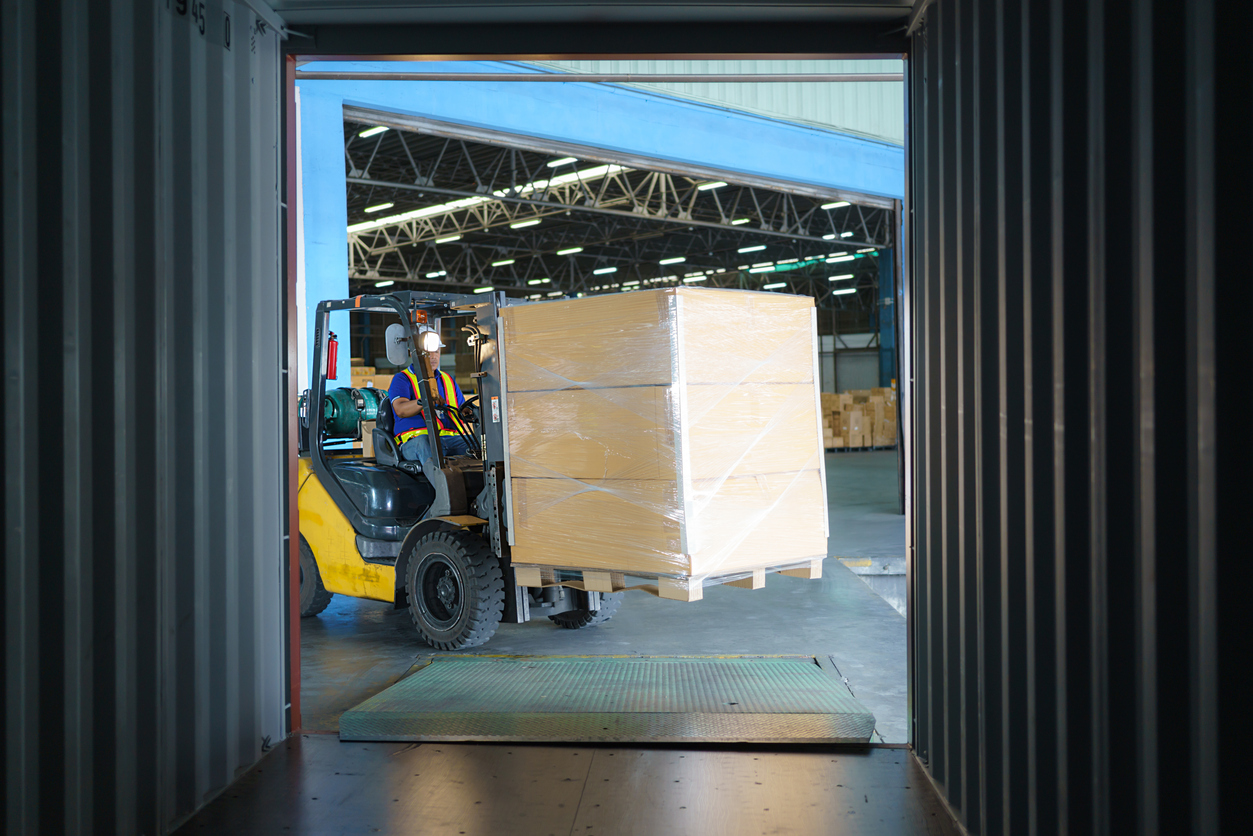
Container ramps are essential in logistics and material handling, linking trucks, containers and loading docks so forklifts and machines move loads safely and without interruption. This guide covers main ramp types, buying checks, benefits, basic maintenance and safety pointers to help you choose the right ramp for your site and workload.
Types of Container Ramps
Container ramps are built for different jobs and settings. Knowing the options helps you match a ramp to how you work.
- Portable Ramps: Lightweight and easy to relocate, suitable for temporary jobs and small facilities. They deploy quickly and store compactly.
- Fixed Ramps: Permanently installed for high‑use areas; fixed ramps deliver steady performance where access is constant.
- Adjustable Ramps: These adapt to changing heights and loading conditions, offering flexibility across varied operations.
Each fits different operational rhythms; choose by use frequency, mobility needs and site constraints.
Key Factors to Consider When Purchasing Container Ramps
Choose a ramp with the right capacity, construction and surface to keep people and equipment safe.
- Load Capacity: Match the ramp’s rated capacity to the combined weight of forklift, attachments and load. Verify manufacturer limits.
- Material Choice: Steel offers toughness for heavy, continuous use; aluminium saves weight and eases transport for mobile setups.
- Surface Design: Textured or non‑slip surfaces maintain traction in wet or oily conditions and reduce incidents.
Benefits of Using Container Ramps
Well‑chosen ramps improve throughput and reduce risk two clear benefits for any warehouse or site.
- Increased Efficiency: Ramps provide smooth transitions between heights, cutting loading and unloading time and reducing bottlenecks.
- Enhanced Safety: Proper ramps allow forklifts to do the heavy work, lowering manual handling and associated injuries.
- Versatility: From warehouses to job sites, ramps support many workflows and equipment types.
For Sydney operations, the right ramp can improve turnaround times and keep teams safer on the job.
Maintenance and Care
Routine upkeep keeps ramps reliable and extends service life. Schedule inspections to spot wear, replace damaged parts promptly, and keep surfaces clean to preserve traction. Lubricate hinges or moving parts and treat exposed metal to prevent corrosion.
Consistent maintenance is a proven way to reduce accidents and maintain performance in material handling environments.
What Are Container Ramps and Why Are They Essential for Warehouse Logistics?
Container ramps are purpose‑built loading equipment that allow forklifts and pallet trucks to move goods safely between trailers, containers and dock levels. They reduce manual lifting, speed turnaround, and protect staff from strain, making them essential to efficient warehouse workflows.
How Do Container Ramps Facilitate Safe Loading and Unloading?
Built to carry heavy loads, container ramps use durable metals and safety features such as textured decks and optional side rails. These elements maintain traction and keep equipment on track during loading, reducing slips, tip‑overs and other accidents.
What Roles Do Forklift Ramps and Loading Dock Ramps Play in Material Handling?
Forklift and loading dock ramps smooth the path for goods movement, reduce manual handling and improve cycle times. Allowing forklifts to drive on and off different surfaces safely supports predictable workflows and lowers physical strain on workers.
Which Types of Container Ramps Are Available in Sydney?
Sydney suppliers offer ramps for a range of needs. Common options include:
- Container ramps with top loading pockets: Hook securely to containers for stable top access.
- Foldable container ramps: Compact and transportable, good where mobility is needed.
- Heavy-duty ramps: Engineered for sustained industrial use and high loads.
What Are the Differences Between Portable, Fixed, and Heavy-Duty Container Ramps?
Each ramp type addresses specific operational needs:
- Portable Ramps: Movable and lightweight, best for temporary or occasional use.
- Fixed Ramps: Permanently installed for regular, high‑traffic loading points.
- Heavy-Duty Ramps: Built for maximum strength and continuous industrial workloads.
Choose by frequency of use, load requirements and whether portability is a priority.
How Does Container Ramp Hire Sydney Offer Flexible Solutions?
Hiring ramps are practical for short‑term projects or when specialised equipment is needed without capital outlay. Rental gives access to higher‑spec ramps for peak periods, avoids storage issues and lets you scale to seasonal demand.
How to Choose the Right Container Ramp: Material, Load Capacity, and Safety Standards
Select a ramp by balancing three core factors:
- Material: Steel for durability and heavy work; aluminium for portability and frequent relocation.
- Load Capacity: Ensure the ramp rating comfortably exceeds the heaviest loads you’ll carry.
- Safety Standards: Confirm the ramp meets local regulations and industry safety guidelines before purchase.
Applying these criteria helps you pick a ramp that’s safe, fit for purpose and cost-effective.
What Are the Benefits of Steel vs Aluminium Container Ramps?
Material choice depends on use case:
- Steel Ramps: Superior strength and long service life ideal for heavy, continuous operations.
- Aluminium Ramps: Easier to move and install, suitable where weight and portability matter.
Decide based on load profiles, movement frequency and site environment.
Which Australian Safety Standards Should Container Ramps Comply With?
Container ramps should meet applicable Australian standards and workplace safety regulations to ensure safe operation. Stay updated on regulatory changes and confirm supplier certifications when you purchase or hire equipment.
What Are the Key Considerations for Installation, Maintenance, and Pricing of Container Ramps?
Plan installations to ensure correct alignment and secure fixing. Factor routine inspections and maintenance into operating budgets to avoid downtime. Pricing varies by type, material, and features; compare purchase versus rental to find the most economical fit for your needs.
How to Ensure Proper Installation and Ongoing Maintenance of Forklift Ramps?
Follow the manufacturer’s installation instructions and log regular inspections for wear, fastener integrity and surface condition. Clean surfaces to preserve traction, lubricate moving parts, and repair or replace worn components promptly to keep ramps safe and reliable.
What are the Typical Pricing and Purchase Options for Container Ramps in Sydney?
Ramp prices in Sydney depend on capacity, material and special features. Contact us for a quote today! Remember to include maintenance and transport costs when budgeting.
Conclusion
Selecting the right container ramp improves throughput, reduces risk and supports safer material handling. Whether you need a portable solution for occasional use, a fixed ramp for heavy traffic, or a heavy‑duty unit for industrial loads, prioritise correct capacity, material choice and safety compliance. With routine maintenance and the right specification, a quality ramp becomes a reliable, cost‑effective part of your logistics setup. Explore available options and match equipment to your real‑world needs to get the best return on investment.