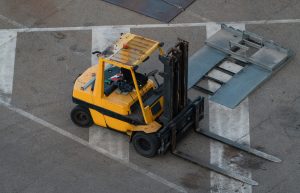
Anyone who’s tried to load or unload a shipping container without the right ramp knows how quickly a simple job turns into a slow, risky one. Forklifts weren’t built to drive straight into a container sitting at dock height, and improvising with whatever’s lying around the yard is how ramps buckle, loads shift, and people get hurt. A properly chosen container ramp solves that problem outright, but not every ramp suits every job, every forklift, or every load. Here’s what actually matters when choosing one.
Understand What a Container Ramp Is Actually For
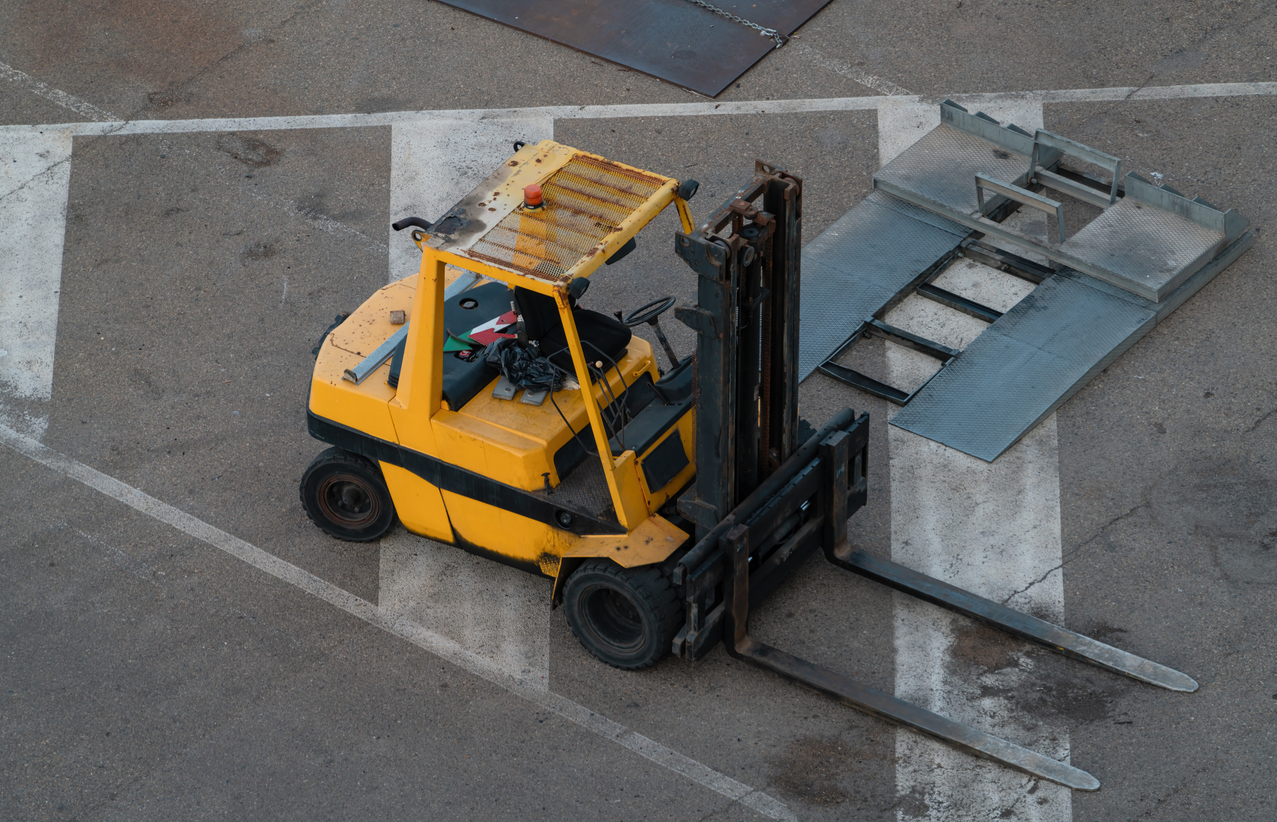
A container ramp bridges the gap between ground level and the floor of a shipping container, letting a forklift drive straight in to load or unload goods without needing a loading dock. They’re built with pockets at the top designed for easy handling and positioning by forklift, and they’re strapped securely to the container using chains before use. For businesses handling imports, exports, or general container-based freight, a ramp is often the difference between a job that takes twenty minutes and one that takes half a day of manual handling.
Check the Combined Weight, Not Just the Forklift’s Rated Capacity
This is where most buyers get caught out. When working out what capacity ramp you need, it’s not enough to look at your forklift’s rated lifting capacity alone; you need to account for the forklift’s own gross weight plus the weight of the load being carried. A 3.5-tonne-rated forklift might have a gross weight of 6 tonnes once you include the machine itself, and if it’s carrying a 2-tonne pallet, the ramp needs to handle the full combined weight, not just the 2-tonne load or the 3.5-tonne rating. Underestimating this is one of the most common and most dangerous mistakes made when selecting a ramp.
Match the Ramp Length to the Container Height and Available Space
Ramp length determines the incline angle, and the incline angle determines how safely and easily a forklift can drive up it. A ramp that’s too short creates a steep angle, which makes it harder to control the forklift and increases the risk of the load shifting or tipping. Longer ramps create a gentler slope but need more ground space in front of the container, which isn’t always available on a tight site. Standard shipping containers sit at a fairly consistent deck height, but it’s worth confirming the exact height of the container you’re working with, along with how much clear ground space is available, before choosing a ramp length.
Decide Between Portable and Fixed Ramps
Portable container ramps can be moved between sites and containers as needed, which suits businesses that load and unload containers in different locations or don’t need a ramp permanently installed in one spot. Fixed or semi-permanent ramps make more sense for a business running the same loading operation from the same location day in, day out, where portability isn’t a priority but durability under constant use is. The right choice comes down to how often the ramp moves, not just how often it’s used.
Consider the Material and Build Quality
Container ramps are typically built from heavy-gauge steel to handle repeated heavy loading without deforming or cracking under weight. Look for a ramp with a solid, reinforced deck surface that won’t flex under load, secure chain attachment points, and a design that sits flush and stable against the container floor once positioned. A ramp that flexes or shifts under a forklift’s weight isn’t just inconvenient; it’s a genuine safety hazard.
Don’t Skip the Chain Strapping
A container ramp is only as safe as its connection to the container. Ramps need to be securely strapped to the container using the chains provided before any forklift drives onto them, every time, regardless of how quick the job is. A ramp that isn’t properly secured can shift or dislodge under load, which is one of the most preventable causes of container-loading incidents on site.
Frequently Asked Questions
What weight capacity container ramp do I need?
Add your forklift’s gross weight (not just its rated lifting capacity) to the weight of the heaviest load you’ll be carrying, and choose a ramp rated to handle that combined total with a safety margin, rather than sizing the ramp to the load alone.
Are container ramps safe to use with any forklift?
Container ramps are compatible with most standard forklifts, but the ramp’s rated capacity, width and incline angle all need to suit the specific forklift being used. It’s worth confirming compatibility with the supplier before purchasing or hiring.
Can container ramps be hired instead of purchased?
Yes, container ramps are available for both purchase and hire, which suits businesses that only need one for occasional loading jobs rather than daily use.
Where can businesses in Western Sydney buy or hire container ramps?
Mandarin Import & Exports supplies and hires container ramps, along with a full range of forklift attachments, to businesses across Fairfield, Wetherill Park, Auburn, Blacktown, Bankstown, Liverpool and Parramatta.