In the competitive landscape of Australian warehouse operations, selecting the right forklift is crucial for maximising efficiency and minimising operational costs. This guide delves into the functionalities, costs, environmental impacts, and maintenance practices of electric and diesel forklifts. With warehouses increasingly seeking to optimise both performance and sustainability, understanding these two forklift types becomes imperative. Warehouse operators face significant challenges, including high operational costs and stringent emission regulations, making informed decisions vital. This article will explore the various aspects of each forklift type, including their key features, costs, and best maintenance practices, ensuring that operators can make educated choices.
What are the main types of forklifts used in Australian warehouses?
Forklifts are essential pieces of warehouse equipment in Australia; two primary types dominate: electric and diesel forklifts. Each type is designed for specific applications, making them suitable for different operational environments.
What defines electric forklifts and their key features?
Electric forklifts utilise rechargeable batteries as their power source, offering several advantages over traditional models. They are known for their quieter operation, which makes them ideal for indoor use, especially in settings where noise pollution is a concern. Battery technology has advanced significantly, enhancing load capacities and operational longevity, with modern electric forklifts capable of lifting heavy loads while maintaining energy efficiency. Additionally, electric models produce zero emissions during operation, aligning with increasing environmental compliance demands in Australia, thus appealing to eco-conscious businesses.
What distinguishes diesel forklifts and their primary attributes?
Diesel forklifts, powered by internal combustion engines, are well-suited for outdoor applications and heavy-duty operations. They boast robust power efficiency and can handle larger loads, making them a favourite choice for construction and outdoor activities. Their fuel efficiency allows for longer operational hours without refueling, making them more suitable for intense, continuous use compared to electric models. However, diesel forklifts are subject to stricter emissions regulations, and their operation can contribute to environmental pollution, requiring operators to take compliance seriously.
How do electric and diesel forklifts compare in cost for Australian warehouses?
Cost comparison between electric and diesel forklifts is essential for warehouse managers when planning their operations. Understanding not only the initial purchase price but also the long-term operational costs is vital for budget planning.
What are the purchase price differences between electric and diesel forklifts in Australia?
Electric forklifts typically have a higher upfront purchasing cost than their diesel counterparts. Price ranges for electric models can start from around AUD $15,000 to AUD $30,000, while diesel units usually range between AUD $10,000 and AUD $25,000. This initial investment reflects the advanced battery technology and electric drive systems that electric forklifts utilise, contributing to their operational efficiency.
How do maintenance and operating costs differ for electric versus diesel forklifts?
When it comes to ongoing maintenance, electric forklifts generally incur lower costs. They have fewer moving parts, resulting in reduced wear and tear and a lesser need for frequent servicing. Conversely, diesel forklifts require regular fuel and engine maintenance, which can add up over time. Despite their lower initial cost, diesel forklifts may result in higher long-term operating expenses when factoring in fuel and maintenance.
What environmental impacts and emission regulations affect forklift use in Australia?
With an increasing focus on environmental sustainability, the impact of forklift operations on emissions is under scrutiny. Warehouse operators must navigate the complex regulatory landscape governing industrial emissions.
How do electric forklifts contribute to lower emissions and environmental compliance?
Electric forklifts help businesses comply with emission regulations by producing no direct emissions during operation. This feature is crucial in urban environments where air quality is a concern. Compliance with environmental policies can also improve a company’s public image, encouraging a more sustainable operation. Furthermore, advancing battery technology is driving manufacturers to develop more efficient electric forklifts that reduce energy consumption and enhance performance.
As modern technology continues to evolve, the integration of performance-optimised systems is helping businesses reach their sustainability targets.
Electric Forklift Technology and Sustainability Trends Electric Forklift Technology and Sustainability Trends
With performance optimisation systems in forklifts bringing maintenance and total fuel consumption, the electric forklift. With appropriate policies and practices, electric forklifts can.
Electric forklifts: Technological advancements and impacts on energy transition and sustainability, LN Canha, 2023
What are the Australian diesel forklift emission standards and compliance requirements?
Diesel forklifts in Australia are subject to stringent emissions standards set by environmental regulations. These regulations dictate the allowable levels of pollutants for industrial vehicles to safeguard air quality. Operators must ensure their diesel equipment complies with the National Environment Protection (NEPM) requirements, and regular emissions testing is often mandated. Non-compliance can result in significant fines and operational restrictions.
Which warehouse operations benefit most from electric versus diesel forklifts?
The choice between electric and diesel forklifts greatly depends on the specific operational needs and the warehouse environment.
What warehouse types and materials handling scenarios suit electric forklifts better?
Electric forklifts are ideal for indoor warehouses, particularly where products are sensitive to emissions and noise. They excel in handling lightweight materials and performing tasks in confined spaces. Many retail and grocery operations favour electric models for their efficiency and lower environmental impact.
When are diesel forklifts preferred for outdoor or heavy-load operations?
Diesel forklifts are preferred in environments that require heavy lifting, such as construction sites and outdoor material handling. Their power and durability make them suitable for uneven terrain and harsh weather conditions where electric models may underperform. For example, when transporting heavy pallets or bulky machinery, diesel forklifts provide the necessary strength and endurance.
What are the best maintenance practices and parts availability for Australian warehouse forklifts?
Effective maintenance practices are essential for prolonging the lifespan and efficiency of forklifts. Understanding the unique needs of electric and diesel forklifts can drive operational savings.
How should electric forklift batteries be maintained for optimal performance?
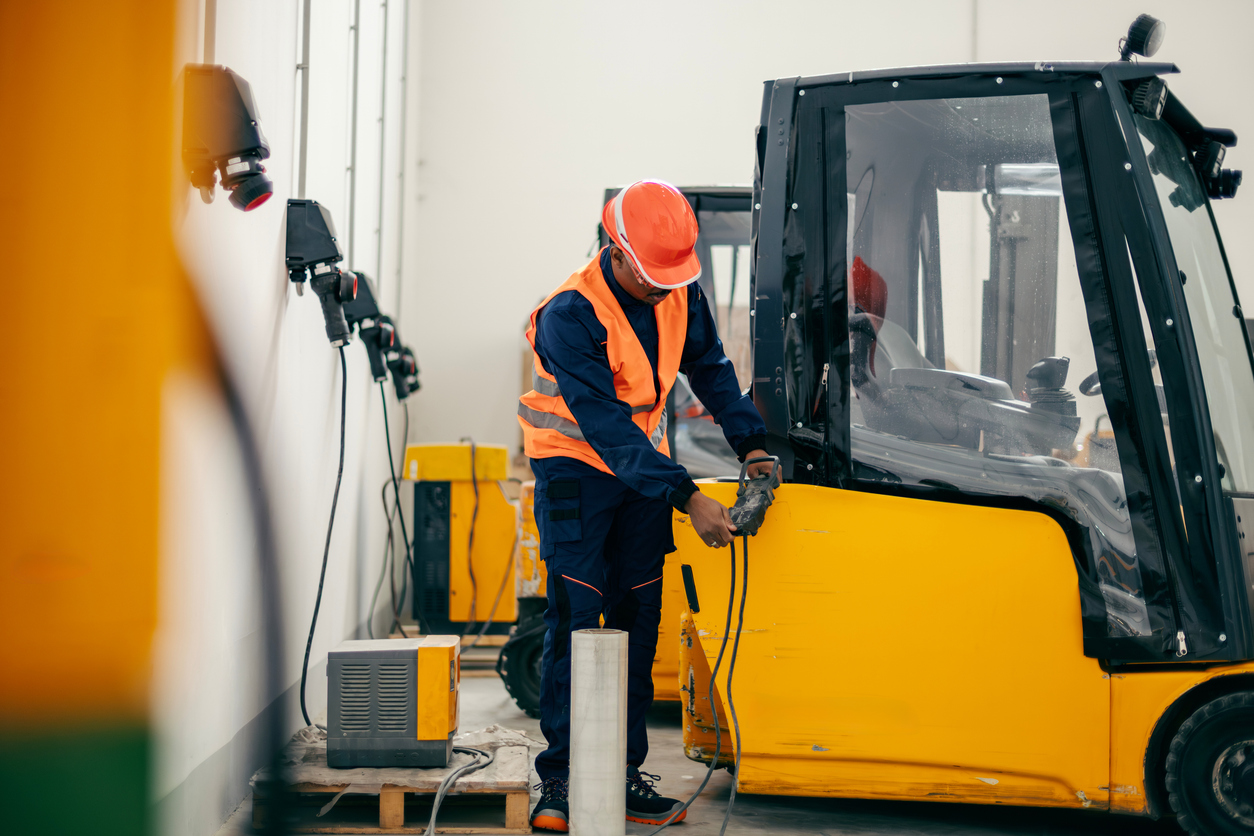
Maintaining electric forklift batteries involves regular charging practices, ensuring that batteries are recharged after each shift and monitored for signs of wear and damage. Routine inspections help identify potential issues before they lead to battery failure, ultimately maintaining operational capacity. Operators should also keep the battery terminals clean and follow manufacturer guidelines for optimal performance.
What maintenance schedules and parts are essential for diesel forklifts in Australia?
Diesel forklifts require regular maintenance checks, typically involving engine oil changes, fuel filter replacements, and inspections every 250 to 500 operating hours. Essential parts like air filters and coolant need to be routinely checked and replaced to ensure peak performance. Having a reliable supplier for diesel components is crucial for minimising downtime.
What are the latest trends and future outlook for forklift use in Australian warehouses?
As technology evolves, so do the capabilities and functionalities of forklifts. Understanding current trends can provide insights into future developments and operational efficiencies.
How are advances in electric forklift battery technology shaping the market?
Recent advancements in battery technology, such as lithium-ion batteries, are reshaping the electric forklift market by improving charging times and extending battery life. Such innovations are making electric models increasingly viable for intensive operations that require extended uptime. The shift towards more efficient batteries can guide warehouse operators in selecting the right equipment for future demands.
What government incentives and industry shifts are influencing forklift adoption?
Government incentives aimed at promoting green technologies are encouraging warehouse managers to adopt electric forklifts. These changes reflect a broader industry shift towards sustainability, as legislation focuses on reducing carbon footprints and embracing cleaner technologies. The combination of regulatory support and industry trends will likely drive growth in the electric forklift segment.
What frequently asked questions do Australian warehouse operators have about forklifts?
Warehouse operators may have common concerns about the practical implications of choosing between electric and diesel forklifts.
What are the benefits of electric forklifts over diesel models?
Electric forklifts provide several advantages, including:
- Cost Efficiency: Lower maintenance costs due to fewer moving parts.
- Environmental Benefits: Zero emissions during operation promote compliance with strict regulations.
- Noise Reduction: Quieter operation makes them suitable for indoor environments.
How does diesel forklift maintenance compare to electric models in Australia?
The maintenance of diesel forklifts generally involves more frequent servicing due to the complexity of internal combustion engines. Diesel models require checks for fuel systems, engine oil, and emissions components, whereas electric forklifts need battery maintenance and periodic inspections of electrical systems. Thus, while diesel forklifts might have lower initial costs, they may incur higher ongoing maintenance expenses.
Where can Australian warehouse operators source reliable forklift parts and equipment?
Finding quality parts and equipment is critical for maintaining operational efficiency in warehouse environments.
Which local suppliers offer electric forklift parts and battery support?
Operators should seek out local suppliers that specialise in electric forklift parts, focusing on those that offer comprehensive support for battery maintenance. Reliable providers ensure the availability of essential components like battery chargers, filters, and tyres, which can significantly reduce downtime.
What are trusted distributors for diesel forklift components in Australia?
When sourcing diesel forklift components, operators should consider distributors known for their reliability and extensive inventories. Quality parts suppliers are essential in providing timely access to necessary components, ensuring that machines remain operational with minimal interruptions.