Forklift tyne safety demands regular inspection for cracks, wear, and heel thickness loss exceeding 10 percent, correct tyne spacing and sizing for each load, and adherence to OSHA-mandated operator training. Proper lifting technique, secured loads, and load capacity limits prevent forks from bending or snapping. Damaged tynes require immediate replacement to avoid accidents and equipment failure.
Key Takeaways
- OSHA mandated forklift operator training requirements in 1999 to standardise safety protocols across all operations.
- Forklift accidents consistently rank among the most common workplace claims, causing serious injuries and multi-million dollar damages.
- Proper training compliance with OSHA requirements forms the first priority for all forklift operators and their employers.
- Forklift safety requires ongoing learning experiences and regular reinforcement of correct elevator truck operation procedures.
Why Do Daily Tyne Inspections Matter?
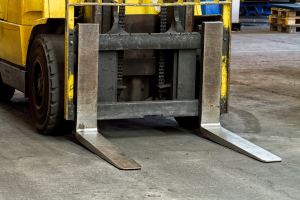
Daily inspections catch tynes damage before it becomes a safety incident. Forklift tynes carry the entire load in industrial, construction, and warehouse settings, so any crack, bend, or wear point compromises the whole elevator. A single overlooked defect turns a routine pallet move into a dropped load, a damaged product, or an injured worker.
Forklift tynes safety best practices start with a documented, repeatable inspection routine, not a quick glance before clocking in. A formal safety program should build daily pre-operational checks into the schedule, covering brakes, tires, steering, battery charge, and warning lights alongside the tynes themselves. Skipping this step shifts risk from the equipment to your operators.
What should a daily tyne check include?
Your inspection needs to go beyond a visual scan. Check for the following before every shift:
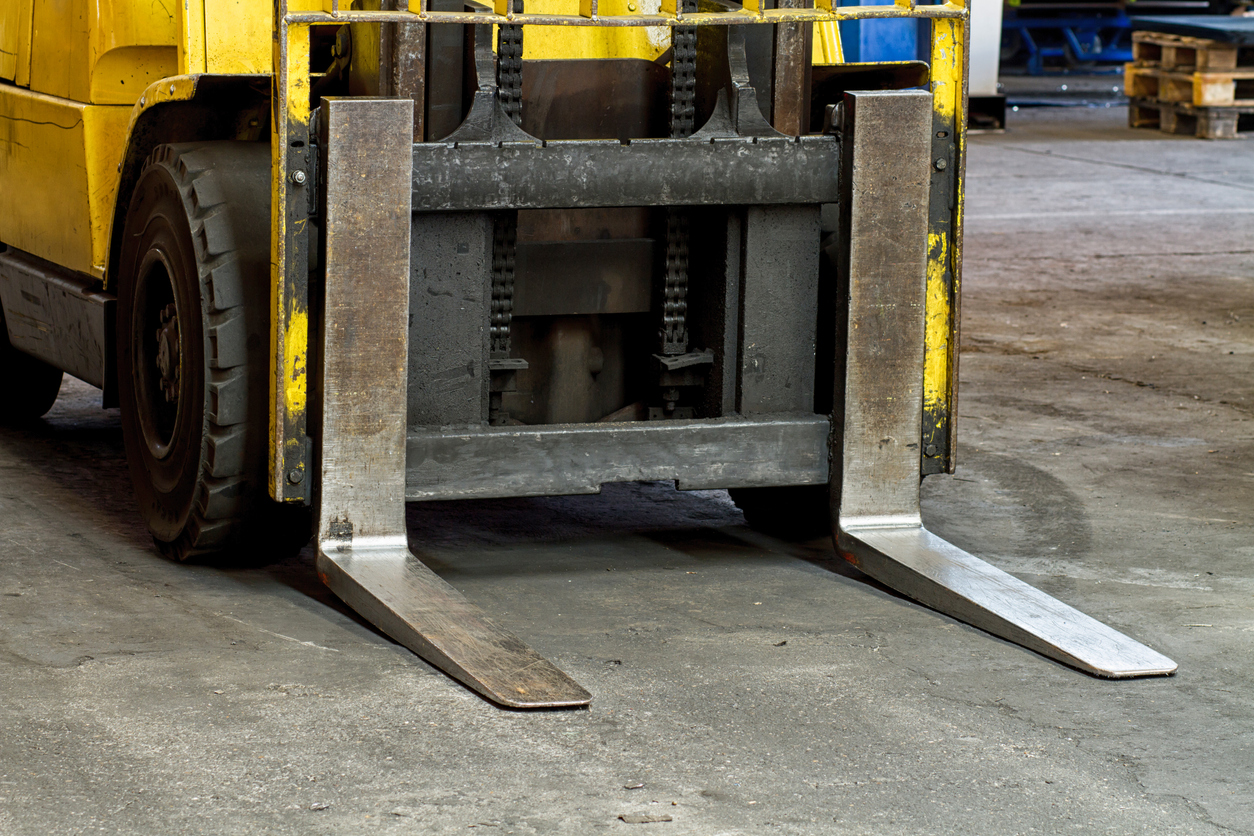
- Visible cracks or fractures, especially near the heel where stress concentrates
- Excessive wear or thinning across the blade surface
- Bent or misaligned tips that throw off load balance
- Secure mounting to the carriage, with no looseness or play
- Even wear between both tynes, since mismatched wear signals a deeper capacity or stability problem
Does tyne condition affect how the forklift handles?
Yes. Worn or damaged tynes reduce load capacity. Shift the center of gravity, making the forklift less stable during lifts and turns. Choosing and maintaining the right tynes protects capacity, stability, and safety on the warehouse floor.
Pair inspections with disciplined operating habits. Operators must maintain full control of the forklift, keep a clear line of sight, and match speed to worksite conditions at all times. Strong tynes paired with careful driving form the foundation of a safer floor. Build the daily check into your team’s routine. You reduce downtime, protect your inventory, and keep operators out of harm’s way.
How Do You Measure Tynes for Fit?
Four measurements determine whether a replacement fork fits your forklift: length, width, thickness, and carriage class. Getting any one of these wrong risks a mismatched load center, uneven weight distribution, or a fork that won’t seat properly on the carriage at all. Applying forklift tynes safety best practices starts before installation, right at the tape measure.
Run through each measurement in order:
- Length Measure from the heel (the vertical section that rests against the carriage) to the tip of the blade. This number determines how far the fork extends under a pallet or load.
- Width Measure straight across the surface of the tyne. Width affects how the fork distributes weight across a load’s base.
- Thickness Measure from the top face down to the bottom of the blade. Thickness directly impacts load capacity and resistance to bending under stress.
- Mounting/carriage class Identify whether your forklift uses Class 2, 3, or 4, based on its rated capacity and mast size.
What happens if the carriage class doesn’t match?
A mismatched carriage class prevents the fork from locking securely onto the carriage bars, creating a serious drop hazard during lifting. Always confirm your forklift’s capacity and mast size before ordering replacement tynes.
Do all tynes fit the same load types?
No. Tyne size, thickness, and spacing vary depending on the specific load requirements you’re handling on site. A pallet of packaged goods calls for different specifications than bulk drums or irregular freight. Match your fork dimensions to your typical load profile rather than assuming a universal fit.
What Determines Safe Load Capacity?
Three factors set the ceiling on what your forklift can elevator safely: tyne dimensions, load-center distance, and the condition of the blades themselves. Forklift tynes, also called forks or tines, are the load-bearing blades attached to the carriage that lift, carry, and stabilise palletised and irregular loads. Get the sizing or the placement wrong, and you risk a tip-over, a dropped pallet, or a damaged carriage, none of which belong on your site.
Capacity isn’t guesswork. Choosing the right tynes means working through capacity tables and working examples that adjust for load-center distance. You know exactly what a given fork can handle before it goes under a pallet.
How do you know if your tynes match the load?
The match starts with the design of the tyne itself. A blade built for standard pallets won’t perform the same way under an irregular or off-center load. The shape and profile of the fork has to suit the cargo you’re actually moving.
Consider these variables before every elevator:
- Tyne length and thickness relative to the pallet or load footprint
- Load-center distance how far the load’s center of gravity sits from the fork face
- Carriage class compatibility between the tynes and the truck
- Wear condition of the blade, since thinning steel reduces rated capacity
Does a worn tyne still carry its rated capacity?
No. A worn or damaged tyne no longer performs at its original rating, even if the data plate hasn’t changed. Replacing worn-out tynes, or upgrading to a heavier-duty set when your loads increase, keeps lifting operations both productive and safe. Waiting until a fork fails under load isn’t a cost-saving measure; it’s a liability you’re choosing to carry.
Who Is Qualified to Operate a Forklift?
Trained, authorised, and licensed employees hold the only legal path to operating materials handling equipment on your site. Anyone else behind the controls puts your crew, your inventory, and your liability exposure at risk. A single unqualified operator can turn a routine shift into a serious incident. The consequences land on your operation, not just the individual.
Forklift Tynes Safety Best Practices start with who’s allowed near the controls in the first place. You cannot separate operator qualification from equipment safety; a well-maintained fork assembly still fails a workplace if the person running it lacks proper credentials.
What Makes a Forklift Training Program Effective?
A formal program beats ad-hoc coaching every time. Your training should combine classroom instruction with hands-on practical sessions, so operators understand both the theory and the physical feel of the machine. Documenting the program matters too. Repeatable, consistent training holds up under review and keeps every operator on the same standard.
Does Attachment Use Change Operator Requirements?
Yes. Regulatory frameworks governing attachment safety, including jib and tyne use, layer in additional requirements beyond basic licensing. These frameworks tie operator training to capacity derating. Routine inspection obligations, meaning a licensed operator still needs specific instruction before running specialised attachments.
Build your qualification standard around these pillars:
- Verified licensing confirm credentials before assigning any operator to equipment.
- Formal training records classroom plus practical, documented for consistency.
- Attachment-specific instruction separate from general forklift certification.
- Ongoing compliance checks tied to inspection and capacity standards.
Cutting corners on any of these steps shifts risk directly onto your operation.
How Should Tynes Be Kept in Service?
Tynes stay in service through a structured selection and inspection process, not guesswork. Skip that process, and you risk running a fork past its safe working life without noticing until a load shifts or fails. Following Forklift Tynes Safety Best Practices means building routines that catch wear before it becomes a hazard.
Start with selection. Choosing tynes rated for your actual load weight and cargo type sets the foundation for safe service life. A fork that’s undersized for the job wears faster and carries more risk from day one, regardless of how well you maintain it afterward.
Design matters just as much as size. Forklift tyne design must keep accommodating your cargo efficiently and safely even as wear accumulates over months of use. A blade that flexes, deforms, or thins at the heel no longer performs the way it did when new, so ongoing evaluation against the original design specs is essential.
How often should tynes be inspected?
Daily pre-operational checks should cover tynes alongside brakes, tires, steering, battery charge, and warning lights. This isn’t a once-a-month task; it’s a consistent process built into every shift.
A practical inspection routine includes:
- Checking heel thickness against the manufacturer’s minimum tolerance
- Looking for cracks, bends, or uneven wear across the blade surface
- Confirming the locking pin and mounting hooks sit securely
- Verifying tips are level and free of visible damage
What happens if inspections lapse?
Skipping daily checks lets small defects go unnoticed until they cause a failure under load. Consistency, not occasional spot checks, keeps tynes fit for the job and protects your operators on the floor.
What Risks Come From Tyne-Related Accidents?
Damaged or misused tynes turn a routine elevator into a workplace emergency. Forklift accidents rank consistently among the most common claims reported at industrial sites each year. Worn or bent tynes are frequently part of that pattern. Nearly 100 workers die annually in forklift-related incidents, a statistic that should reframe how you think about a set of steel blades most operators barely notice.
Rollovers cause 24% of all forklift accidents, and unbalanced or overloaded tynes are a recurring factor. When a load sits unevenly on a fork. When a tyne is bent from repeated overloading, the center of gravity shifts. That shift increases tip-over risk, especially during turns or on uneven warehouse flooring.
Why do damaged tynes increase rollover risk?
A cracked or bowed tyne can’t distribute load weight the way a straight, rated one does. Uneven weight distribution destabilises the mast and chassis mid-elevator. Operators who continue using compromised forks are effectively gambling with forklift tynes safety best practices every time they raise a pallet.
Following established safety regulations for attachments matters here. These regulations set design, inspection, and operational benchmarks meant to protect both personnel and equipment during suspended-load handling. Applying that same standard to fork maintenance closes a major gap in daily operations.
Common risk factors worth tracking on your site include:
- Bent or twisted tynes that shift load balance mid-elevator
- Worn heel sections, where stress cracks typically originate
- Mismatched tyne pairs used together after a partial replacement
- Uninspected forks returned to service after a reported incident
Treating tyne condition as a daily checklist item, not an annual afterthought, reduces exposure to the accident categories above. Your operators, your equipment, and your claims history all benefit from that discipline.
How Does PPE Support Tyne Safety?
Personal protective equipment prevents injury when tynes shift, drop, or make contact with a body part during loading. Forklift tynes safety best practices start with proper gear, not just proper handling. Skip the gear, and a minor tyne strike turns into a lost-time injury.
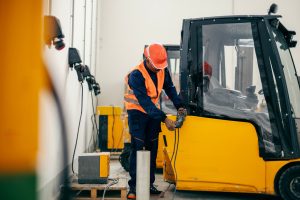
Operators need to be dressed correctly before they ever approach the mast. Hi-visibility jackets, safety shoes, and hard hats (where the site requires them) belong on every operator working near tyne loading and unloading zones. This equipment protects against crush injuries, foot strikes, and falling debris. All common risks when forks are raised, tilted, or repositioned.
Gear alone won’t protect anyone without proper instruction behind it. Training should be the first priority for every forklift operator, taking precedence over speed or throughput targets. An operator who understands load limits, tilt angles, and fork engagement points wears PPE with purpose rather than habit.
Why does compliance matter for tyne safety?
Compliance frameworks tie PPE and training together into one system. These standards exist to minimise workplace incidents by requiring proper derating (adjusting a forklift’s rated capacity based on the attachment used), inspection, and instruction before tynes go into service.
What should a PPE checklist include for tyne work?
- Hi-visibility jacket or vest, worn at all times in loading zones
- Safety shoes rated for crush protection
- Hard hat, where overhead load risk exists
- Documented training records confirming operator competency
- Site-specific instruction on tyne inspection and derating limits
Meeting these requirements protects your workforce and keeps your operation compliant. You reduce downtime, lower injury risk, and build a safer site culture around every tyne-equipped elevator.
What Standards Guide Forklift Tyne Safety?
AS 2359 governs forklift tyne safety in Australia, setting the technical benchmark that suppliers and operators must follow. Skipping this standard exposes your site to mismatched equipment, unstable loads, and preventable injuries. Getting compatibility right from the start protects both your crew and your bottom line.
Australian Standards establish the design, manufacturing, and use requirements for material-handling attachments, forming the regulatory backbone behind every compliant tyne on the market. When you source equipment that meets these benchmarks, you reduce the risk of structural failure under load. Forklift tynes safety best practices always trace back to this regulatory foundation, not guesswork on the warehouse floor.
How Do You Check If a Tyne Fits Your Forklift?
Compatibility starts with identifying your carriage class, since a mismatch here creates the biggest failure risk. Confirm these three details before ordering replacement tynes:
- Carriage class determines whether your forklift uses Class 2, 3, or 4 mounting, based on capacity and mast size.
- Mounting type verify the hook or pin style matches the carriage exactly.
- AS 2359 alignment check that the tyne’s rated capacity and dimensions meet the standard’s technical requirements.
Getting these three checks right prevents shifting loads and mounting failures during elevator operations.
Why Does Standards Compliance Matter for Your Site?
Compliance protects operators, equipment, and your business’s liability position all at once. A tyne rated below your actual load creates a structural risk that no operator can compensate for through careful handling.
Mandarin Imports & Exports, based in Fairfield East, NSW, supplies Sydney operations with tynes and attachments built to meet these standards. Your team gets equipment matched to carriage class and mounting requirements, not a generic fit. That distinction matters when a forklift is carrying several tonnes across a warehouse floor.
FAQ
What should you look for during a daily tyne inspection?
Check for visible cracks or fractures near the heel, excessive wear or thinning, bent or misaligned tips, secure mounting to the carriage, and even wear between both tynes.
How does tyne condition affect forklift stability?
Worn or damaged tynes reduce load capacity. Shift the center of gravity, making the forklift less stable during lifts and turns on the warehouse floor.
What four measurements determine proper tyne fit?
Length, width, thickness, and carriage class determine fit; getting any measurement wrong risks a mismatched load center, uneven weight distribution, or a fork that won’t seat properly.
Conclusion
In closing, prioritising forklift tyne safety through regular inspection, proper maintenance, and adherence to load capacity standards protects your workforce and extends equipment longevity. By implementing these best practices consistently across your operations, you establish a culture of accountability that reduces downtime and operational costs. Mandarin Imports & Exports remains committed to supporting your warehouse. Construction operations with reliable guidance and quality equipment solutions tailored to your safety requirements.