In various industrial environments, the ability to customise forklift attachments dramatically boosts operational efficiency and versatility. Custom forklift attachments are engineered solutions tailored for specific tasks, enhancing load handling and operational safety. This guide delves into the diverse types of custom forklift attachments available, the design processes tailored to specific operational needs, and the safety standards that govern these tailored solutions. Readers will benefit from insights into how these attachments can transform daily operations in various industries, ensuring that every task is completed with maximum efficiency.
The following sections will cover the different types of attachments, delve into the design and customisation processes, discuss compatibility and installation concerns, highlight necessary safety certifications, and explore maintenance and support avenues. Custom forklift attachments not only boost productivity but also ensure compliance with industry standards, making them invaluable tools in any warehouse or construction site.
What Are the Different Types of Custom Forklift Attachments?
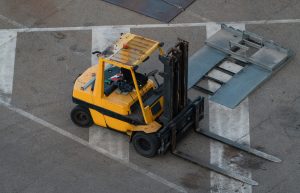
Custom forklift attachments enhance operational efficiency by adapting forklifts for specific tasks. They extend the versatility of standard forklifts, enabling them to perform specialised functions. These attachments include various types tailored for unique applications, each providing distinct benefits.
How Do Forklift Clamps, Rotators, and Jibs Enhance Task Efficiency?
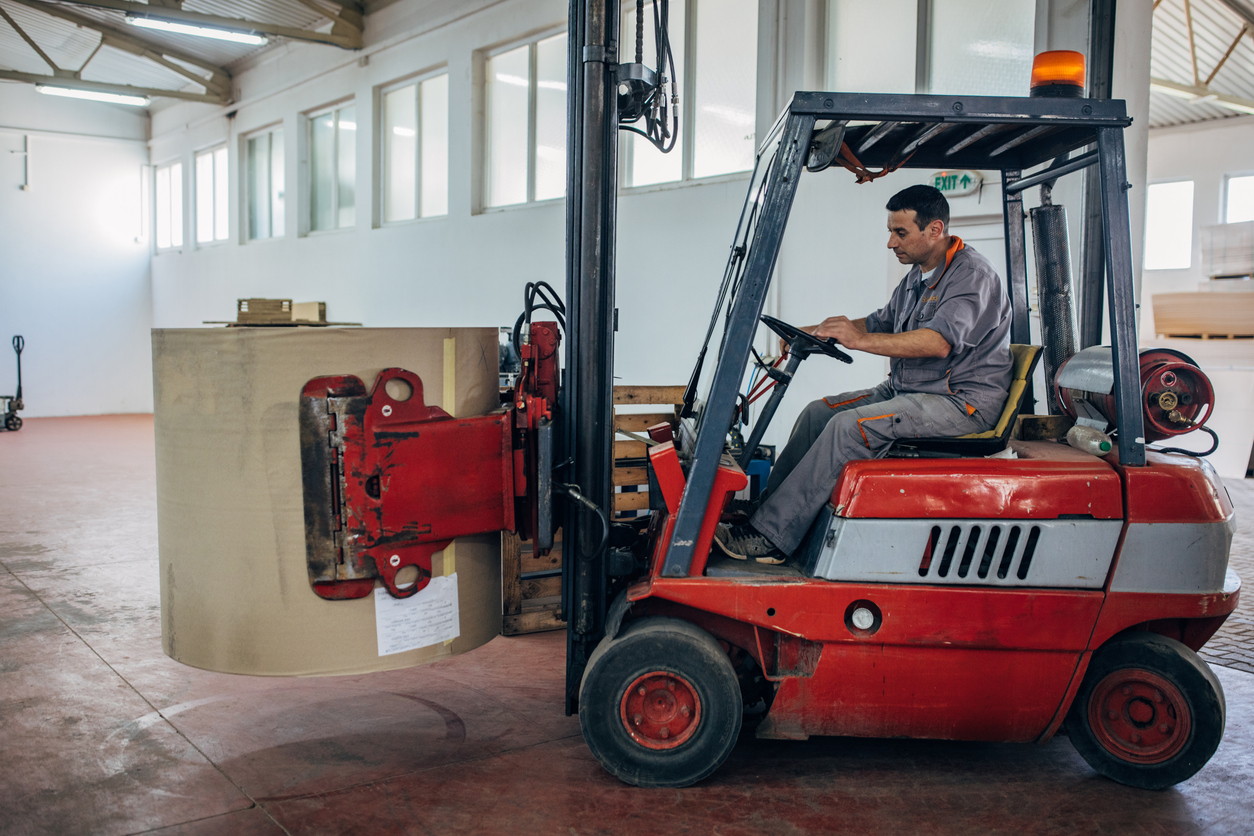
Forklift clamps, rotators, and jibs are pivotal in enhancing the efficiency of forklifts in specific tasks. Clamps allow for secure handling of loads that are typically challenging to lift, such as large bundles of materials. Rotators provide the capability to pivot the load, which is essential for precise placement in confined spaces. Jibs extend the reach of a forklift, facilitating the movement of loads that are out of reach, thereby increasing flexibility in operations. The use of these specialised attachments directly contributes to reducing labor time and increasing safety.
What Are Industrial Forklift Accessories Designed for Specialised Tasks?
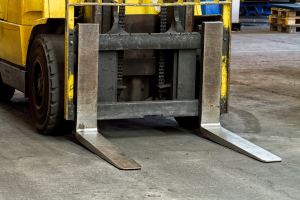
In addition to the key attachments, various industrial accessories complement forklift operations. These accessories can include custom forks, specialised buckets, and lifting platforms, designed specifically for niche applications. The integration of these accessories allows for enhanced load stability, improved handling of irregular items, and a reduction in downtime caused by equipment changes. Their design often reflects a deep understanding of specific industry needs, ensuring that operations can be conducted seamlessly.
How Is the Forklift Attachment Design Process Customised for Unique Operational Needs?
The design of custom forklift attachments is a meticulous process that tailors solutions to meet the specific operational challenges faced by a business. This process begins with a thorough assessment of the tasks the equipment will perform and the environment in which it operates.
What Steps Are Involved in Designing Bespoke Forklift Attachments?
Designing bespoke forklift attachments involves several crucial steps. Initially, a comprehensive assessment of the operational needs is conducted, considering factors such as load types, frequency of use, and specific site conditions. Following this, material selection and engineering considerations come into play, ensuring that the attachment is both durable and functional. The final stage includes prototyping and testing the design to ensure it meets all user requirements and industry standards, thus delivering a reliable solution for load handling.
How Does Client Consultation Influence Attachment Specifications?
Client consultation is a critical component of the design process. Through discussions and feedback, designers can gather valuable insights into the operational goals and constraints a client faces. This allows for tailored specifications that align perfectly with the client’s needs, ensuring that the end product efficiently meets the unique challenges of their operations. This collaborative approach fosters innovation and results in solutions that significantly enhance productivity and safety.
Which Compatibility and Installation Considerations Are Essential for Custom Attachments?
Integration of custom forklift attachments with existing equipment necessitates careful planning and consideration of compatibility factors. Ensuring that attachments work seamlessly with various forklift models is fundamental to maintaining operational efficiency.
How Do Custom Forklift Attachments Integrate with Existing Forklift Models?
When evaluating compatibility, it is crucial to examine the specifications of both the forklift and the attachment to assess integration challenges. Different forklift models may have unique connection points, hydraulic systems, and weight capacities that need to align with the custom attachment’s design. This compatibility assessment is essential to prevent operational disruptions and ensure a safe working environment.
What Are Best Practices for Installing and Maintaining Bespoke Forklift Equipment?
Effective installation and maintenance practices are key to maximising the lifespan and functionality of bespoke forklift attachments. Best practices include comprehensive training for operators on proper installation techniques, adhering to manufacturer guidelines, and conducting regular maintenance checks. Establishing a maintenance schedule that includes inspections and prompt repairs can greatly enhance equipment longevity and operational safety, ensuring that the custom attachment performs optimally.
What Safety and Compliance Standards Apply to Custom Forklift Attachments in Australia?
Compliance with safety standards is of paramount importance in the design and use of custom forklift attachments. Adhering to these regulations ensures that the equipment operates safely and effectively within industrial environments.
Which Industrial Safety Certifications Ensure Reliable Attachment Use?
Various industrial safety certifications are essential for ensuring the reliability and safety of custom forklift attachments. Certifications such as ISO 9001 and AS 1418.19 guide manufacturers in meeting high standards of quality and safety for equipment. By ensuring that attachments are certified, users can be confident in their performance and compliance with regulatory requirements.
How Do Compliance Standards Impact Forklift Attachment Design and Usage?
Compliance standards significantly influence both the design and usage of forklift attachments. These regulations dictate aspects such as load capacity, safety features, and operational guidelines. Meeting these standards is critical not only for ensuring the safety of operators and other personnel but also for minimising liability risks associated with equipment failures or accidents. Manufacturers must incorporate these standards into their design process to produce attachments that are both compliant and effective.
How Do Maintenance and Support Services Enhance the Performance of Custom Forklift Attachments?
Ongoing maintenance and support services play a vital role in maintaining the functionality and safety of custom forklift attachments. Regular maintenance checks ensure that equipment continues to operate at peak performance, reducing the likelihood of unexpected breakdowns.
What Are Recommended Maintenance Procedures for Heavy-Duty Forklift Tools?
Recommended maintenance procedures for heavy-duty forklift attachments include systematic inspections for wear and tear, lubrication of moving parts, and regular testing of hydraulic components. Establishing a routine for these checks helps identify potential issues before they become severe problems, ultimately extending the lifespan of the equipment.
How Does Ongoing Support Improve Attachment Lifespan and Safety?
Ongoing support provided by manufacturers is crucial for enhancing the safety and lifespan of custom forklift attachments. Support services often include access to troubleshooting resources, direct contact with engineering teams, and updates on safety compliance. By taking advantage of these resources, operators can ensure their equipment remains safe and effective in handling tasks, leading to improved operational efficiency.
| Attachment Type | Primary Use | Key Benefits |
|---|---|---|
| Forklift Clamps | Handling large, irregular loads | Secure grip and load stability |
| Forklift Rotators | Precise load positioning | Flexibility in confined spaces |
| Forklift Jibs | Extended reach for lifting | Enhances the flexibility of operations |
The comparison table shows how different types of forklift attachments are designed for specific applications, allowing for enhanced operational capabilities and efficiency.