In the fast-paced logistics and warehousing industry, reliable forklift parts and warehouse equipment are crucial for operational efficiency and safety. This article serves as a comprehensive guide to understanding the essential components of forklift parts, equipment storage solutions, and safety practices within Australian warehouses. You’ll learn about the different types of forklift parts essential for maintaining operational productivity and ensuring workplace safety. Our focus will encompass key aspects such as selecting compatible forklift parts for prominent brands and finding quality equipment solutions from Sydney suppliers.
With the increasing demands of the logistics sector, warehouse managers often face challenges in sourcing high-quality parts and equipment. Understanding the vital role of effective maintenance and the significance of safety in forklift operations can lead to enhanced productivity. This guide outlines critical information regarding warehouse solutions, forklift safety accessories, and industry trends impacting equipment reliability. As we delve deeper, we will explore various forklift parts, warehouse equipment options, and how to maintain these devices for longevity and safety standards in Australia.
Which Forklift Replacement Parts Are Essential for Australian Warehouses?
Warehouse operations in Australia heavily rely on essential forklift replacement parts to ensure the efficiency and safety of goods handling. The importance of compatibility, durability, and safety standards cannot be overstated when it comes to selecting the right parts for your equipment. An understanding of these factors not only facilitates compliance but also contributes to longer-lasting machinery.
What Types of Industrial Forklift Parts Are Available?
Industrial forklift parts encompass a wide range of components necessary for optimal functioning. Common types include:
- Forklift Tyres: Essential for ensuring smooth operations on various surfaces by providing adequate traction and balance.
- Forklift Batteries: Critical in powering electric forklifts and determining their operational lifespan based on charge retention.
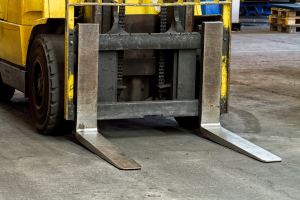
- Forklift Forks: The primary attachment for lifting and moving materials, available in various lengths and widths based on load requirements.
- Forklift Hydraulic Components: These components are vital for lifting mechanisms and include hydraulic hoses, cylinders, and pumps.
Understanding these parts allows warehouse managers to make informed decisions regarding maintenance and replacement strategies, thus ensuring the longevity of their equipment.
How to Choose Compatible Forklift Parts for Popular Brands like Toyota?
Selecting compatible parts for popular forklift brands such as Toyota involves several steps. To begin, it’s crucial to identify the model specifications necessary for accurate compatibility. Warehouse managers should:
- Refer to Model Data Plates: These plates provide essential information regarding the forklift’s model and year, which facilitates the search for compatible parts.
- Cross-Reference Part Numbers: Ensure that the parts being sourced match the manufacturer’s specifications by checking unique part numbers against trusted suppliers.
- Consult Supplier Catalogues: Many reputable suppliers will provide catalogues detailing compatibility for various forklift parts, making it easier to find what you need.
Through this process, managers can ensure they are sourcing the correct parts that meet the operational demands of their specific forklift models.
How to Select the Right Container Loading Ramps for Your Warehouse Needs?
Choosing the right container loading ramps is key to optimising material handling processes within warehouses. Safety, size, and compatibility are all critical considerations when making this selection.
What Materials and Load Capacities Define Safe Container Ramps?
Container ramps are available in various materials, with common options including aluminium and steel. Each material offers unique benefits:
- Aluminium: Lightweight and corrosion-resistant, making it a popular choice for ease of mobility.
- Steel: Offers superior strength and durability, ideal for heavy-duty applications.
Additionally, understanding load capacities is critical; ramps should be selected based on the maximum weight they will need to support during operations.
What Are the Best Practices for Installing Container Ramps in Australian Warehouses?
Proper installation of container ramps involves several best practices to enhance safety and efficiency:
- Preparation Steps: Ensure the ground surface is level and stable to prevent accidents during loading and unloading.
- Safety Inspections: Regularly inspect the ramps for wear and tear, ensuring they are secure and in good working condition before use.
- Maintenance Tips: Periodic cleaning and checks for physical damage can prevent operational downtime and ensure safety.
Following these practices can significantly lower the risk of accidents and improve overall operational efficiency.
Which Forklift Safety Accessories Improve Warehouse Operations in Australia?
Safety accessories for forklifts play a vital role in enhancing operational safety and compliance within Australian warehouses. Investing in quality accessories can lead to substantial improvements in both employee safety and operational efficiency.
What Are the Latest Ergonomic Forklift Accessories for Operator Safety?
Ergonomic forklift accessories include several innovative solutions designed to enhance operator comfort and safety:
- Ergonomic Seats: Feature adjustable settings to suit different body types, reducing strain during long operations.
- Grip Knobs: Designed for ease of use, ensuring operators can maintain control without excessive effort.
- Safety Restraint Systems: Help secure operators in place, which is crucial during unexpected movements.
Implementing these accessories helps in maintaining a safe and efficient workplace, significantly reducing the risk of injuries.
Ergonomic Simulation of Forklift Drivers for Enhanced Safety
As an important equipment of logistics mechanisation system, forklift plays an important role in realising the mechanisation of handling, improving work efficiency and reducing labour intensity. But there are thousands of industrial injuries and casualties caused by forklifts every year, which also brings important safety problems. The study found that the poor visual field environment of the driver is an important factor leading to the accident. This paper applies Jack virtual simulation technology to analyse the working state of forklift drivers. By analysing the relationship between the driver’s body posture and the change of the visual area when driving forward and reversing, it is proposed to change the layout area of the cab seat and mast of the forklift to form a position shift, so as to achieve the purpose of improving the driver’s visibility, alleviating fatigue and reducing the accident rate.
Ergonomic Simulation Analysis of Forklift Drivers Based on JACK, 2024
How Do Safety Accessories Comply with Australian Warehouse Safety Standards?
Compliance with Australian warehouse safety standards is critical when selecting safety accessories. Recipients of these parts must meet the following:
- Safety Certifications: Ensure that accessories have relevant compliance certifications demonstrating their adherence to safety regulations.
- Functionality Testing: Accessories should undergo rigorous testing to confirm their durability and effectiveness under operational conditions.
- Regular Audits: Consistent audits ensure the maintenance and functionality of safety equipment are upheld over time.
Complying with these standards is fundamental for ensuring worker safety and reducing potential liability.
What Warehouse Equipment Solutions Are Available from Sydney Suppliers?
Sydney suppliers offer a diverse range of warehouse equipment solutions tailored to meet the unique demands of various industries. These products include:
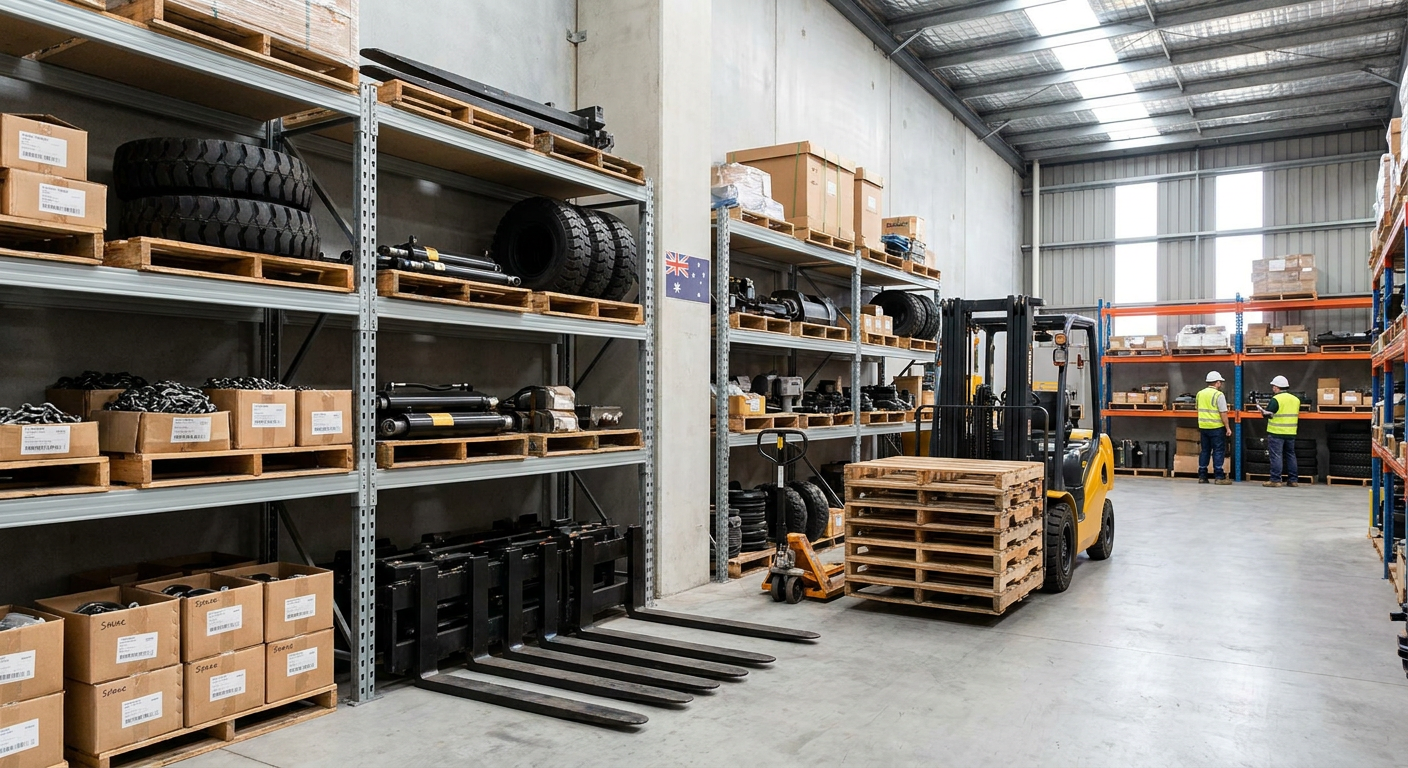
- Storage Racks: Essential for maximising space efficiency while ensuring easy access to inventory.
- Material Handling Gear: Includes tools such as pallet jacks, trolleys, and conveyor systems designed to facilitate smooth transportation of goods.
Understanding the availability of these solutions can significantly enhance operational efficiency within warehouses.
Which Storage Racks and Material Handling Gear Optimise Warehouse Efficiency?
Storage racks and material handling gear play a significant role in warehouse organisation and efficiency. Common types that can enhance workflow include:
- Pallet Racks: Great for heavy loads, providing a sturdy structure for organised storage.
- Cantilever Racks: Ideal for storing long items such as pipes and lumber.
- Mobile Shelving Systems: Enhance flexibility in storage, allowing easy access and reconfiguration of the workspace.
These storage solutions contribute to improved inventory management and space utilisation.
How to Evaluate Warehouse Equipment Suppliers in Sydney for Reliability?
When evaluating warehouse equipment suppliers, consider the following criteria:
- Reputation Assessment: Research suppliers’ backgrounds, looking for established providers known for reliability and quality.
- Product Range Evaluation: Ensure the supplier offers a comprehensive range of equipment to meet varying needs.
- After-Sales Support Verification: Reliable suppliers provide robust after-sales services to assist with maintenance and repairs.
A thorough evaluation ensures that warehouse managers can identify trustworthy suppliers that meet their specific operational needs.
How to Maintain Forklift Parts and Equipment for Longevity and Safety?
Maintaining forklift parts and equipment is crucial for both safety and operational longevity. Regular maintenance routines include:
- Regular Maintenance Schedules: Adhering to manufacturer recommendations for service intervals ensures reliability.
- Safety Inspections: Conducting routine checks for wear and tear helps to identify potential issues before they lead to failure.
- Replacement Guidelines: Knowing when to replace parts based on operational hours and performance can significantly enhance safety and efficiency.
Implementing these practices can extend the life of equipment and reduce unplanned costs associated with breakdowns.
Recommended Maintenance Procedures for Forklift Components
To ensure the optimal performance of forklift components, consider implementing the following maintenance procedures:
- Hydraulic System Checks: Regularly inspect hoses and seals for leaks.
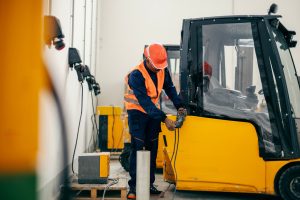
- Battery Maintenance: Perform routine charging cycles and check for corrosion.
- Visual Inspections: Conduct daily checks of forks and safety features before operation.
These procedures contribute to safer operations and reduced downtime due to equipment failure.
Which Safety Guidelines Should Warehouse Managers Follow in Australia?
Adhering to safety guidelines is critical for warehouse managers to maintain a safe work environment. Key guidelines include:
- Compliance with Regulations: Ensure all operations adhere to nationally recognised safety regulations.
- Employee Training: Conduct regular training sessions for staff on safe equipment handling and workplace safety.
- Hazard Reporting Mechanisms: Establish clear protocols for workers to report safety concerns.
Following these guidelines helps to cultivate a safety-first culture within the workplace.
What Are the Pricing and Warranty Details for Forklift Parts and Warehouse Equipment?
Understanding pricing and warranty options for forklift parts and warehouse equipment is crucial for budgeting. Typical considerations include:
- Price Ranges: Forklift parts may vary significantly in cost based on brand and complexity.
- Warranty Options Available: Manuals should provide information regarding standard warranties covering parts and equipment failures.
- Support Services: Ensure that suppliers offer comprehensive support post-purchase to assist with any issues.
Familiarising yourself with these aspects can aid in making informed purchasing decisions that cater to budget constraints while ensuring quality.
How Does Pricing Compare Across Major Australian Forklift Parts Suppliers?
Prices for forklift parts can vary dramatically between suppliers. Key comparisons include:
- Market Pricing Analysis: Regularly conducted analysis helps identify cost-effective options based on part necessity.
- Supplier Trends: Being aware of market shifts can provide insight into potential cost savings based on volume purchase agreements.
- Comparison Charts: Using visual aids to evaluate pricing across different suppliers can streamline decision-making.
Understanding market comparisons helps warehouse managers navigate pricing effectively to optimise their resources.
What Warranty and Support Options Are Typically Offered?
Warranty and support options are essential for protecting investments in forklift parts and warehouse equipment. Common offerings include:
- Common Warranty Terms: Most suppliers provide at least a 12-month warranty for parts against defects.
- Support Service Availability: Evaluate the extent of customer support offered, including technical assistance and repair services.
- Value-Added Services: Certain suppliers may offer additional warranties or maintenance plans as part of promotional campaigns.
Equipped with this understanding, warehouse managers can make strategic decisions that assure their equipment’s reliability and support.
Where to Find Customer Reviews and Testimonials for Australian Forklift Parts Suppliers?
Finding credible customer reviews and testimonials is key for evaluating potential suppliers. Key sources include:
- Review Platforms: Websites dedicated to industry reviews often provide insight into customer satisfaction and supplier reliability.
- Social Media Sources: Observing feedback on social media platforms can offer real-time perspectives on customer experiences.
- Industry-Specific Forums: Engaging in discussions within specialised forums can provide invaluable feedback from other warehouse operators.
Utilising varied resources helps to ensure an informed selection process when choosing suppliers.
What Do Industry Clients Say About Product Quality and Supplier Reliability?
Industry clients extensively discuss product quality and supplier reliability through platforms like forums and review sites. Key takeaways include:
- Summary of Client Comments: Consistent positive feedback can indicate a supplier’s reliability and product quality.
- Evaluation Criteria: Clients often emphasise aspects such as durability, performance, and customer service in their assessments.
- Reliability Indicators: A supplier’s reputation, as reflected in client reviews, serves as a strong indicator of future performance and reliability.
Understanding customer feedback can aid warehouse managers in selecting trustworthy suppliers that meet their operational expectations.
How to Use Reviews to Choose the Best Forklift Parts Supplier?
Utilising customer reviews effectively can guide warehouse managers in selecting the best forklift parts supplier. Key strategies include:
- Criteria for Evaluating Reviews: Focus on looking for patterns in feedback and identifying recurring strengths or weaknesses.
- Comparing Supplier Options: By evaluating multiple reviews, managers can distinguish between suppliers based on specific criteria.
- Making Informed Decisions: Utilise reviews as a filter to prioritise suppliers who align with operational needs and standards.
By carefully analysing reviews, managers can enhance their decision-making process surrounding supplier selection.
What Emerging Trends and Regulations Impact Forklift Parts and Warehouse Equipment in Australia?
Emerging trends and regulations significantly influence forklift parts and warehouse equipment in Australia. By staying updated, warehouse managers can maintain compliance and operational efficiency. Relevant trends include:
- Current Market Trends: An increasing shift towards sustainability-conscious manufacturing processes impacts component sourcing.
- Regulatory Updates: Compliance with updated safety regulations fosters improved workplace operations and reduced liabilities.
- Impact on Suppliers and Operators: Adapting to these trends allows suppliers and warehouse operators to align their strategies with evolving industry standards.
Being aware of these changes aids in making proactive decisions that safeguard operational integrity.
How Are Ergonomic Forklift Accessories Shaping 2026 Safety Standards?
Ergonomics are at the forefront of enhancing safety standards among forklift operations. Innovations in ergonomic accessories drive better workplace practices and decrease worker fatigue. Benefits of ergonomic solutions include:
- Reduced Occupational Injuries: Enhanced seat designs diminish physical strain on operators.
- Improved Productivity: Less discomfort during operation enhances worker efficiency and vigilance.
- Compliance Enhancement: Adoption of ergonomic practices can improve adherence to safety regulations, positively impacting overall compliance metrics.
These advancements highlight the importance of integrating ergonomic solutions within warehouse operations to foster a safer work environment.
What Are the Latest Safe Work Australia Regulations for Warehouse Equipment?
Safe Work Australia regulations lay the foundation for fostering a safe working environment in warehouses. Key regulations include compliance mandates focused on:
- Safety Equipment Standards: Regulations define the minimum safety equipment requirements and compliance expectations for warehouse operations.
- Training Requirements: Emphasising mandatory training for workers on safety protocols, equipment handling, and emergency response is crucial for compliance.
- Compliance Monitoring: Regular inspections and audits ensure that warehouses meet legislative requirements and maintain operational safety.
Staying informed about these regulations is vital for warehouse managers to safeguard employee welfare and comply with governing standards.