Forklift attachments are essential tools that significantly enhance productivity in various industrial settings. By integrating these attachments into your operations, you can streamline processes, reduce costs, and improve safety. This article will explore how forklift attachments can boost your productivity, focusing on their key benefits, types, safety improvements, selection criteria, and their role in optimising material handling and logistics. Additionally, we will discuss why partnering with a reliable supplier like Mandarin Imports Exports can further enhance your operational efficiency.
What Are the Key Benefits of Using Forklift Attachments?
Forklift attachments offer several advantages that can transform your warehouse operations. These benefits include increased efficiency, cost reduction, and enhanced safety. By understanding these key benefits, businesses can make informed decisions about integrating attachments into their operations.
How Do Forklift Attachments Increase Warehouse Efficiency?
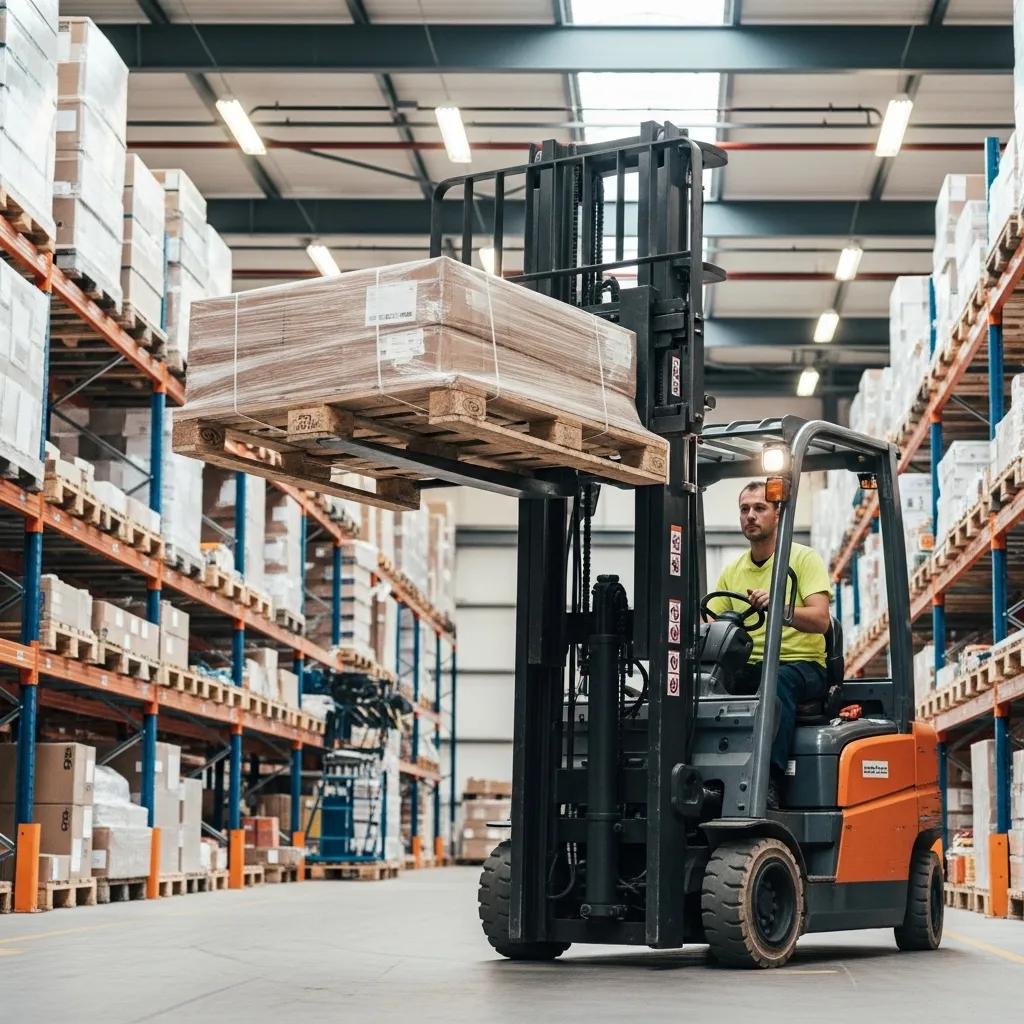
Forklift attachments can significantly increase warehouse efficiency through various mechanisms. For instance, they enable faster loading and unloading times, which reduces the number of trips required to move goods. This efficiency is crucial in busy warehouses where time is of the essence. Additionally, attachments like side shifters and fork positioners allow for better space utilisation, enabling operators to maneuver loads more effectively in tight spaces.
Further research emphasises the critical role of optimising forklift operations to boost overall warehouse efficiency.
Enhancing Forklift Efficiency in Warehouse Operations
importance of forklifts in materials handling and their impact on warehouse efficiency. The objective of this work is to investigate warehouse operations by improving and solving forklift
Improving forklift efficiency by ECRS techniques: A case study in a logistics company, B Nadondu, 2024
In What Ways Do Attachments Reduce Operational Costs?
Using forklift attachments can lead to substantial operational cost savings. By minimising labour costs through increased efficiency, businesses can allocate resources more effectively. Moreover, attachments help reduce equipment damage by ensuring loads are handled correctly, which in turn lowers maintenance costs. A detailed analysis of these cost savings can be beneficial for businesses looking to optimise their operations.
Understanding the intricate dynamics of forklift work efficiency, including energy consumption, is vital for optimising logistics and minimising operational costs.
Modeling Forklift Work Efficiency in Logistics
This chapter deals with the modelling of forklift truck work efficiency in logistic warehouse systems. The derived kinematic formulas and energy relations enable the proper modelling and simulation of forklift truck work efficiency. Work efficiency is highly important considering the wastage of the energy supplied to the logistic system for handling unit loads.
Model of forklift truck work efficiency in logistic warehouse system, P Zając, 2012
Which Types of Forklift Attachments Enhance Productivity?
Several types of forklift attachments are designed to enhance productivity in different ways. Understanding these attachments can help businesses select the right tools for their specific needs.
What Productivity Gains Do Side Shifters Provide?
Side shifters are attachments that allow operators to move loads horizontally without repositioning the forklift. This capability improves load positioning and speeds up operations, particularly in tight spaces. By reducing the time spent adjusting loads, side shifters can enhance overall productivity significantly.
How Do Fork Positioners Improve Material Handling?
Fork positioners enable operators to adjust the width of the forks to accommodate various load sizes without leaving the cab. This adaptability reduces the need for manual adjustments, saving time and improving safety. The ability to handle different load types efficiently makes fork positioners a valuable addition to any material handling operation.
How Can Forklift Attachments Improve Safety in Warehouse Operations?
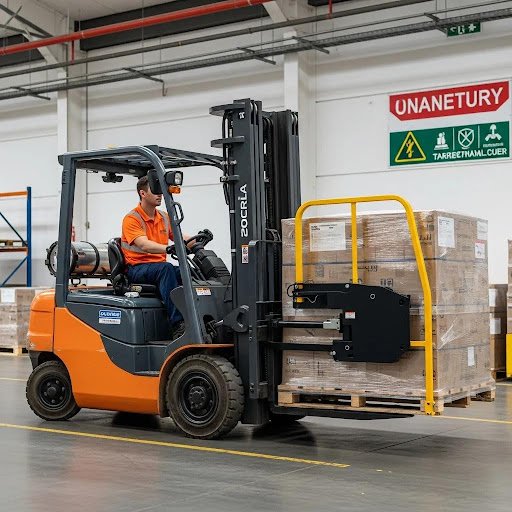
Safety is a critical concern in warehouse operations, and forklift attachments can play a significant role in enhancing safety measures. By minimising manual handling and providing specialised features, these attachments help create a safer working environment.
What Safety Features Do Specialised Attachments Offer?
Many specialised attachments come equipped with built-in safety features designed to protect operators and prevent accidents. For example, some attachments include safety guards and automatic shut-off mechanisms that activate when a load is improperly positioned. These features help ensure that operators can work confidently and safely.
How Do Attachments Reduce Manual Handling Risks?
Forklift attachments significantly reduce the need for manual handling, which is a common source of workplace injuries. By automating the lifting and moving of heavy loads, attachments help lower injury rates and improve ergonomics for operators. This reduction in manual handling not only enhances safety but also boosts overall productivity.
The critical balance between operator safety and efficiency, and the factors influencing them, is a subject of ongoing research and analysis.
Enhancing Forklift Operator Safety & Efficiency
This paper explores the challenges warehouse operations face in meeting customer demand and managing rapid growth, focusing on the role of forklift operators. Despite their versatility and importance in warehouse operations, forklifts are also a significant safety concern, with thousands of work-related injuries and fatalities recorded annually. The paper presents findings from a literature review on the factors related to forklift operator safety and efficiency, including energy consumption, training, the Internet of Things, ergonomics, and human factors such as worker fatigue. The study aims to develop a methodological framework to enhance the efficiency and safety of forklift operators by integrating these factors.
Forklift operator safety & productivity: A review of current research and future directions, A Sharotry, 2023
How to Choose the Right Forklift Attachments for Your Business Needs?
Selecting the appropriate forklift attachments is crucial for maximising their benefits. Several factors should be considered to ensure the right fit for your operations.
What Factors Influence Attachment Selection?
When choosing forklift attachments, businesses should consider factors such as load type, environment, and budget. Understanding the specific requirements of your operations will help you select attachments that enhance efficiency and safety.
How to Calculate the ROI of Forklift Attachments?
Calculating the return on investment (ROI) for forklift attachments involves analysing the cost savings generated by increased efficiency and reduced operational costs. By comparing the initial investment in attachments with the long-term savings, businesses can make informed decisions about their purchases.
How Do Forklift Attachments Optimise Material Handling and Logistics?
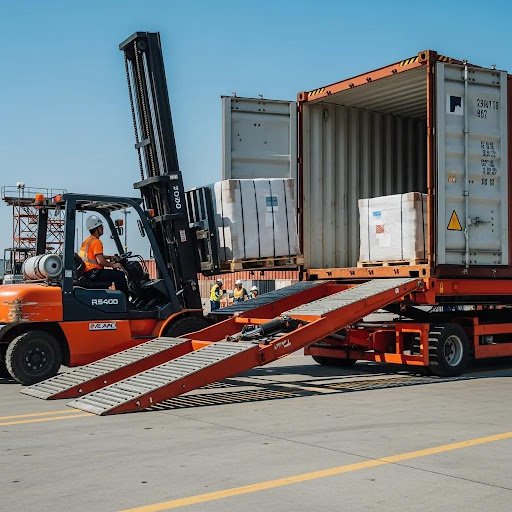
Forklift attachments play a vital role in optimising material handling and logistics processes. By enhancing the versatility of forklifts, these attachments enable businesses to streamline their operations.
What Roles Do Rotators, Clamps, and Jibs Play in Versatility?
Rotators, clamps, and jibs are examples of attachments that enhance the versatility of forklifts. Rotators allow for the easy handling of non-palletised loads, while clamps provide secure gripping for various materials. Jibs extend the reach of forklifts, making it easier to access hard-to-reach areas. Together, these attachments improve operational flexibility and efficiency.
How Do Container Ramps Streamline Loading Dock Efficiency?
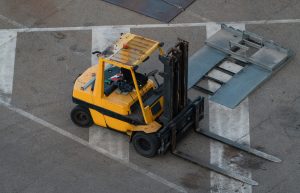
Container ramps facilitate the loading and unloading of goods from containers, significantly improving loading dock efficiency. By providing a smooth transition between the ground and the container, ramps reduce the risk of damage to goods and equipment. This efficiency is essential for maintaining a smooth workflow in busy warehouses.
Why Partner with Mandarin Imports Exports for Forklift Productivity Solutions?
Partnering with a reliable supplier like Mandarin Imports Exports can enhance your forklift productivity solutions. With a comprehensive range of forklift attachments and warehouse equipment, they provide the tools necessary for optimising your operations.
What Forklift Attachments and Services Does Mandarin Imports Exports Offer?
Mandarin Imports & Exports offers a variety of forklift attachments, including side shifters, fork positioners, and container ramps. Their extensive product range ensures that businesses can find the right solutions to meet their specific needs. Additionally, they provide services for both sales and hire, making it easier for companies to access the equipment they require.
How Does Local Support Enhance Your Warehouse Operations in Sydney?
Having local support is invaluable for businesses operating in Sydney. Mandarin Imports & Exports understands the unique needs of local industries and can provide quick response times and tailored solutions. This local expertise ensures that businesses can maintain optimal productivity and efficiency in their operations.
Frequently Asked Questions
What are the benefits of using specialised forklift attachments?
Specialised forklift attachments offer numerous benefits, including enhanced safety, improved efficiency, and reduced operational costs. By automating tasks such as lifting and moving loads, these attachments minimise manual handling, which decreases the risk of workplace injuries. Additionally, they enable faster and more accurate material handling, leading to increased productivity. The right attachments can also help in optimising space utilisation within warehouses, making operations smoother and more effective. Overall, investing in specialised attachments can significantly enhance the overall performance of forklift operations.
How do forklift attachments affect warehouse layout and design?
Forklift attachments can greatly influence warehouse layout and design by allowing for more efficient use of space. Attachments like side shifters and fork positioners enable operators to manoeuvre loads in tighter areas, which can lead to narrower aisles and more compact storage solutions. This flexibility can result in maximising storage capacity and improving workflow efficiency. Additionally, the ability to handle various load types with the right attachments can reduce the need for multiple forklifts, further streamlining warehouse operations and optimising the overall design.
What are the safety regulations regarding forklift attachments?
Safety regulations for forklift attachments vary by region but generally include guidelines on compatibility, maintenance, and operator training. Attachments must be compatible with the specific forklift model to ensure safe operation. Regular inspections and maintenance are required to prevent malfunctions. Operators must also receive training on the proper use of attachments, including load handling and safety protocols. Compliance with local safety standards, such as those set by SafeWork NSW, is crucial to minimise risks and ensure a safe working environment.
Can forklift attachments improve inventory management?
Yes, forklift attachments can significantly improve inventory management by enhancing the speed and accuracy of material handling. Attachments like clamps and rotators allow for the efficient handling of various load types, reducing the time spent on loading and unloading. This efficiency leads to quicker inventory turnover and better stock control. Additionally, improved load positioning capabilities help prevent damage to goods, ensuring that inventory remains intact. Overall, the right attachments can streamline processes, making inventory management more effective and responsive to business needs.
What role do forklift attachments play in reducing environmental impact?
Forklift attachments contribute to reducing environmental impact by enhancing operational efficiency and minimising waste. By improving the speed and accuracy of material handling, these attachments can lead to fewer trips and reduced fuel consumption, which lowers carbon emissions. Additionally, proper handling of loads decreases the likelihood of damage, resulting in less waste and more efficient resource use. This sustainable approach not only benefits the environment but also supports businesses in achieving their sustainability goals while maintaining productivity.
How can businesses assess the effectiveness of forklift attachments?
Businesses can assess the effectiveness of forklift attachments by monitoring key performance indicators (KPIs) such as productivity rates, operational costs, and safety incidents. Tracking the time taken for loading and unloading tasks before and after implementing attachments can provide insights into efficiency gains. Additionally, analysing maintenance costs and the frequency of equipment damage can help evaluate the financial impact of attachments. Regular feedback from operators regarding usability and safety can also inform decisions on attachment effectiveness and areas for improvement.
What are the most common types of forklift attachments available?
The most common types of forklift attachments include side shifters, fork positioners, rotators, clamps, and container ramps. Each type serves a specific purpose, enhancing the forklift’s versatility and efficiency. Side shifters allow for lateral movement of loads, while fork positioners enable quick adjustments for different load sizes. Rotators and clamps are designed for handling non-palletised goods securely, and container ramps facilitate smooth loading and unloading from shipping containers. Understanding these attachments can help businesses select the right tools for their operations.
How can forklift attachments contribute to sustainability in operations?
Forklift attachments can contribute to sustainability by improving operational efficiency and reducing waste. By enabling faster and more accurate handling of materials, these attachments help minimise energy consumption and lower carbon footprints. Additionally, reducing the number of trips required for transporting goods leads to less fuel usage and lower emissions. Furthermore, proper handling of loads decreases the likelihood of damage, which can result in less waste and more efficient resource use. This sustainable approach not only benefits the environment but also enhances overall productivity.
What maintenance is required for forklift attachments?
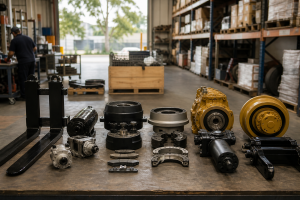
Regular maintenance of forklift attachments is essential to ensure their longevity and optimal performance. This includes routine inspections for wear and tear, lubrication of moving parts, and checking for any signs of damage. Operators should also ensure that attachments are properly cleaned after use to prevent the buildup of debris that could affect functionality. Following the manufacturer’s guidelines for maintenance schedules and procedures is crucial. Proper care not only extends the life of the attachments but also enhances safety and efficiency in operations.
Can forklift attachments be used with all types of forklifts?
Not all forklift attachments are compatible with every type of forklift. Compatibility depends on the forklift’s make, model, and capacity. It’s essential to consult the manufacturer’s specifications to ensure that the attachment can be safely and effectively used with your forklift. Additionally, some attachments may require specific modifications or adaptations to fit certain forklifts. Always verify compatibility before purchasing or installing an attachment to avoid safety hazards and ensure optimal performance.
What training is necessary for operators using forklift attachments?
Operators using forklift attachments should undergo specific training to ensure safe and effective use. This training typically includes understanding the attachment’s functions, proper installation and removal procedures, and safe operating practices. Additionally, operators should be trained in load handling techniques and the importance of adhering to weight limits. Regular refresher courses can also help maintain safety standards and keep operators updated on best practices. Proper training not only enhances safety but also improves overall productivity in warehouse operations.
Effective training programs are paramount for ensuring both the safety and optimal performance of forklift operators, especially when utilising specialised attachments.
Forklift Training for Operator Safety & Performance
We have used the example of forklift training. Each task of forklift operation is described in intent or performance that is expected from the operators.
Importance of Training Methods in Safety: A Model Training Program, 2019
How do forklift attachments impact employee productivity?
Forklift attachments significantly impact employee productivity by streamlining material handling processes. By enabling faster loading and unloading, reducing manual handling, and improving load positioning, attachments allow operators to complete tasks more efficiently. This increased efficiency translates to shorter turnaround times and less downtime, allowing employees to focus on other critical tasks. Moreover, attachments that enhance safety reduce the risk of accidents, leading to fewer disruptions in workflow. Overall, the right attachments can create a more productive and safer working environment.