

Forklift Solid Tyres in Sydney: A Complete Guide for Industrial Performance and Safety
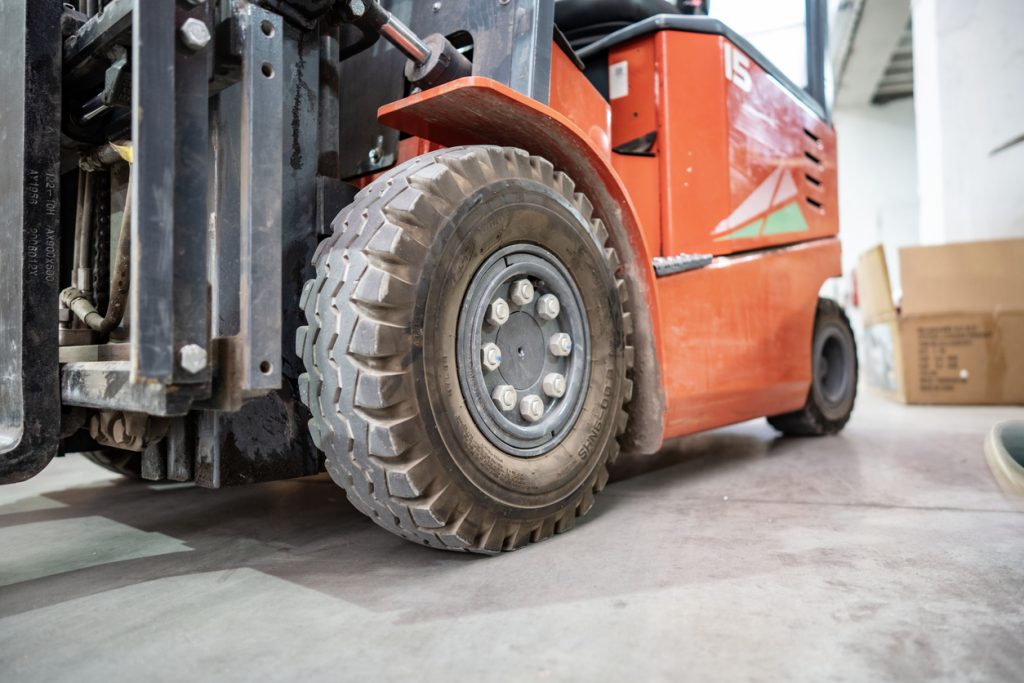
Forklift solid tyres are an essential component of modern warehouse, logistics, and industrial operations. In environments where forklifts are used continuously to transport heavy loads, tyre reliability directly affects productivity, safety, and operational costs. Unlike pneumatic tyres, solid tyres are designed to withstand harsh conditions without the risk of punctures, making them a preferred choice across many Australian industries. Whether you operate a busy distribution centre, a manufacturing plant, or a freight terminal, understanding tyre selection, sizing, and application is critical. This guide explores forklift solid tyres in detail, including how to choose the right product, how sizing works, and why solid tyres for warehouse forklifts are so widely used. What Are Forklift Solid Tyres? Forklift solid tyres are heavy-duty tyres made entirely from compressed rubber compounds. They are not filled with air, which eliminates the risk of punctures, blowouts, or pressure loss during operation. This makes forklift solid tyres in Sydney especially suitable for high-intensity industrial environments where forklifts operate for long hours under heavy loads. Key features include: Why Forklift Solid Tyres Are in High Demand Sydney is home to some of Australia’s busiest logistics and warehousing hubs. With constant freight movement and high-volume distribution, forklift reliability is essential. Forklift solid tyres are in demand because they offer: Reduced operational downtime Puncture resistance ensures forklifts remain operational without unexpected interruptions. Greater load stability Solid construction provides consistent support under heavy lifting conditions. Improved workplace safety Reduced risk of tyre failure helps minimise accidents in busy industrial environments. Lower maintenance requirements No air pressure checks or inflation systems are required, reducing ongoing maintenance tasks. In fast-paced industries, even small delays can affect supply chains. Solid tyres help reduce these risks significantly. Solid Tyres Warehouse Forklifts Depend On Solid tyres warehouse forklifts rely on are specifically engineered for continuous indoor and outdoor use. Warehouses place unique demands on forklift equipment due to tight spaces, constant turning, and repetitive load handling. Solid tyres are ideal for these environments because they provide: Consistent performance under load Unlike pneumatic tyres, solid tyres do not compress, ensuring stable lifting and transport. Enhanced safety in confined spaces Forklifts operating in narrow aisles benefit from predictable handling and reduced risk of tipping. Resistance to industrial debris Warehouses often contain metal fragments, timber splinters, and packaging waste that can damage traditional tyres. Long-term durability High-frequency forklift use requires tyres that can withstand continuous wear without frequent replacement. For these reasons, solid tyres warehouse forklifts operate on are now considered a standard in many Sydney-based facilities. Understanding Solid Tyre Sizes Choosing the correct solid tyre sizes is essential for ensuring forklift performance, safety, and compliance with manufacturer specifications. Tyre sizing generally includes three key measurements: Diameter This determines the overall height of the tyre and affects ground clearance and forklift stability. Width A wider tyre provides a larger contact surface, improving load distribution and traction. Rim size Ensures proper fitment with the forklift wheel assembly for safe operation. Different forklift models require different sizing depending on their load capacity and intended use. Light-duty forklifts used in smaller warehouses may require compact tyres, while heavy-duty machines used in logistics hubs require larger, reinforced solid tyres. Incorrect sizing can lead to: Understanding solid tyre sizes helps businesses avoid costly operational issues and ensures forklifts perform optimally. How to Choose the Best Forklift Tyres Selecting the best forklift tyres involves more than simply choosing a size. Businesses must consider operational demands, environment, and equipment type. Load capacity requirements Forklifts carrying heavier loads require high-density solid tyres designed for structural strength and durability. Operating environment Indoor warehouses require smooth tyres for concrete floors, while outdoor yards may require more robust compounds. Usage intensity High-usage forklifts benefit from premium-grade tyres designed for continuous operation. Heat and surface conditions Sydney’s climate and industrial surfaces can impact tyre wear, particularly in outdoor logistics areas. Choosing the best forklift tyres ensures improved efficiency, reduced maintenance costs, and safer workplace operations. Benefits of Forklift Solid Tyres Forklift solid tyres offer several advantages that make them ideal for industrial applications. Puncture-proof performance Solid construction eliminates the risk of tyre punctures, reducing downtime. Long service life Solid tyres generally last longer than pneumatic alternatives in high-use environments. Improved operational efficiency Reduced maintenance requirements allow forklifts to remain in service longer. Enhanced safety Stable tyre performance reduces risks associated with load imbalance and sudden tyre failure. Cost-effectiveness over time Although initial costs may be higher, reduced replacements and maintenance deliver long-term savings. These benefits make solid tyres a reliable investment for businesses operating in demanding environments. Maintenance Tips for Forklift Solid Tyres Even though solid tyres are low-maintenance, regular inspections are still essential for safety and performance. Check for wear and damage Look for cracks, chunks, or uneven wear patterns that may indicate alignment issues. Monitor load limits Excessive loading can increase tyre wear and reduce lifespan. Inspect wheel alignment Misalignment can cause uneven wear and reduce efficiency. Keep operating surfaces clean Removing debris from warehouse floors helps extend tyre life and reduce damage risks. Proper maintenance ensures forklift solid tyres continue to perform efficiently over their lifespan. Industry Applications in Sydney Forklift solid tyres are widely used across multiple industries throughout Sydney due to their versatility and reliability. Warehousing and logistics High-volume distribution centres rely on consistent forklift performance for daily operations. Manufacturing facilities Factories benefit from durable tyres capable of handling heavy materials and continuous movement. Freight and transport hubs Loading docks require tyres that can withstand constant heavy-duty use. Construction and industrial sites Rough surfaces and debris make solid tyres a safer and more durable choice. These industries rely heavily on forklift solid tyres to maintain operational efficiency. Why Tyre Selection Impacts Business Performance Tyres are often overlooked, but they play a critical role in forklift performance and overall business productivity. Poor tyre selection can lead to: By contrast, selecting the correct solid tyres ensures smoother operations, improved safety, and reduced long-term expenses. Final Thoughts Forklift tyres are a vital component of any industrial operation, directly