In industrial operations, selecting the right forklift tynes is critical for safely handling materials. This article presents a thorough overview of forklift tyne sizes, safety standards, and compliance requirements specific to industrial settings, particularly in Sydney. Readers will learn about the various sizes and dimensions, safety regulations governing their use, and best practices for maintenance and inspection. Additionally, we will explore how to determine load capacity and the compatibility of forklift tynes with different types of forklifts. Understanding these components ensures operational efficiency and safety while also meeting compliance requirements in Sydney’s industrial landscape.
What Are the Standard Forklift Tyne Sizes and Dimensions for Industrial Use?
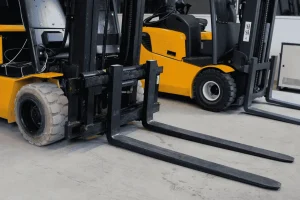
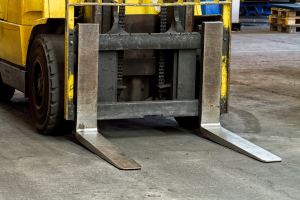
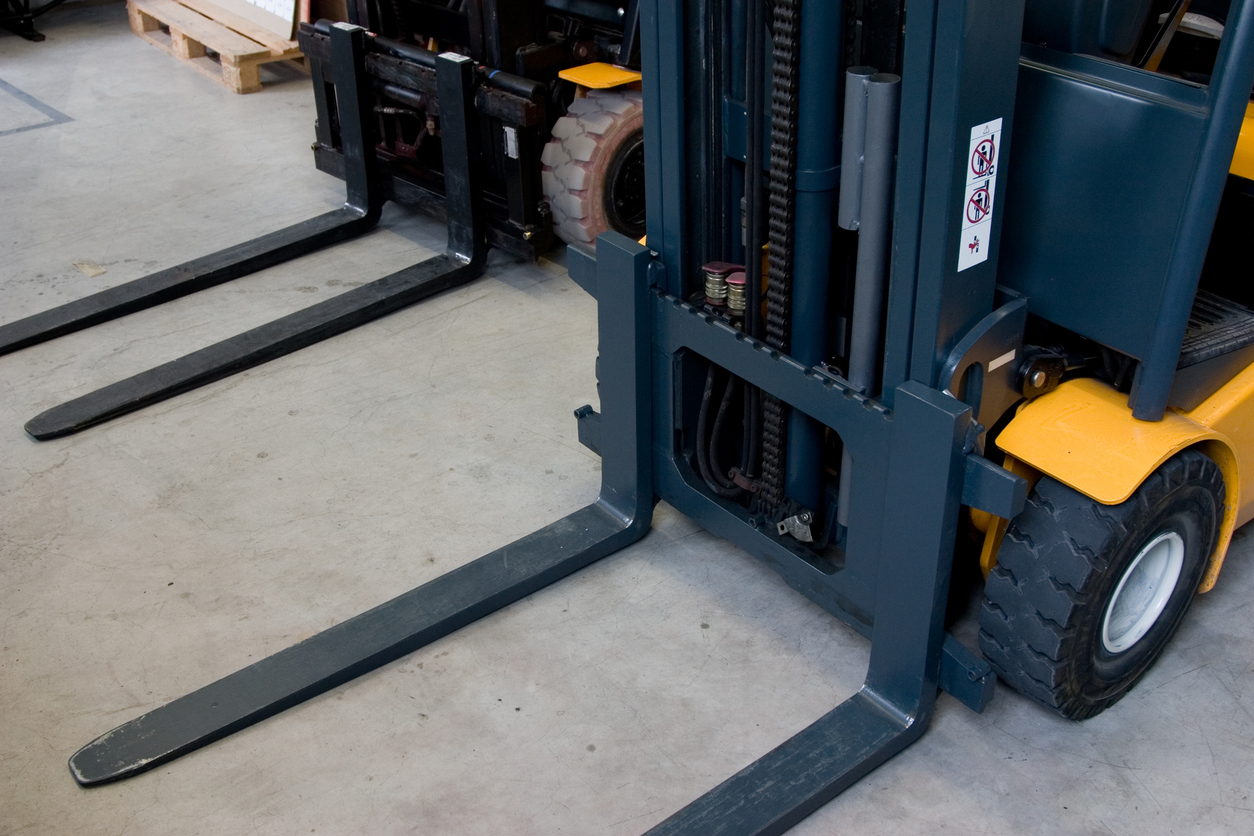
Forklift tynes come in various standard sizes and dimensions designed to fit different forklift models and operational needs. These specifications are crucial for ensuring that tynes can handle specific loads effectively and safely. The standard sizes include length, width, and thickness, which determine the compatibility of tynes with various loads and equipment types.
Which Length, Width, and Thickness Specifications Determine Forklift Tyne Compatibility?
The dimensions of forklift tynes significantly influence their compatibility with different forklift models. Key specifications to consider include:
- Length: Common lengths range from 1,000 mm to 2,500 mm, depending on the type of loads being handled.
- Width: Typically, widths from 100 mm to 250 mm are standard to accommodate various pallet sizes.
- Thickness: Thickness varies typically between 40 mm to 55 mm, with some heavy-duty options exceeding this range for added strength.
Understanding these specifications is essential to ensure operational efficiency and safety when selecting forklift tynes.
How Do Different Forklift Tyne Sizes Affect Load Handling and Operational Efficiency?
The size of forklift tynes directly impacts load handling and overall operational efficiency. For instance, shorter tynes may be ideal for maneuvering in tight spaces, offering agility, whereas longer tynes can distribute weight better over larger loads. Studies show that the appropriate tyne size can enhance stability during lifting operations, reducing the risk of tipping and improving load integrity. Ultimately, choose a tyne size that aligns with the specific requirements of your operational environment.
What Are the Australian Forklift Safety Standards and Compliance Requirements?
Safety standards for forklift tynes in Australia are governed by AS 2359, which outlines the manufacturing and usage specifications necessary to ensure safe operation. Compliance with these standards is critical in preventing accidents and ensuring safe handling of materials.
How Does AS 2359 Standard Regulate Forklift Tynes Manufacturing and Usage?
AS 2359 includes detailed regulations regarding the material specifications, design standards, and testing requirements for forklift tynes. Key aspects include:
- Materials: Fork tynes must be constructed from robust materials to withstand high-stress loads.
- Design: All tynes must meet design specifications that allow for effective load handling and minimise the risk of deformation.
- Testing: Regular testing is mandated to ensure tynes can cope with the stresses of operation without compromising safety.
These regulations ensure that forklift tynes are not only manufactured to high standards but also regularly assessed for safety performance.
What Steps Are Required to Ensure Forklift Tynes Meet Current Compliance Regulations in Sydney?
To ensure forklift tynes comply with current regulations, the following steps should be implemented:
- Regular Inspections: Schedule routine inspections to check for wear and signs of damage.
- Documentation: Maintain comprehensive records of inspections and compliance certifications.
- Training: Ensure all personnel handling forklifts are trained on safety protocols related to tyne usage.
By adhering to these practices, businesses can maintain regulatory compliance and ensure the safety of their operations.
How to Determine Forklift Fork Load Capacity and Compatibility for Your Equipment?
Determining the load capacity and compatibility of forklift tynes is a critical aspect of safe material handling. Accurate assessments prevent accidents and ensure efficiency in warehouse operations. Load capacity defines the maximum weight that can be safely lifted by forklifts equipped with specific tynes.
What Is the Importance of Load Capacity Charts in Selecting Forklift Tynes?
Load capacity charts provide essential data to help operators select the appropriate forklift tynes for their equipment. These charts typically outline limits based on the specifics of the forklift model and the tyne dimensions. Implementing these charts helps ensure that the weight being lifted is well within the safe handling capacity, reducing the likelihood of accidents.
Which Factors Influence Compatibility Between Forklift Tynes and Various Forklift Models?
Several factors affect the compatibility of forklift tynes with different models, including:
- Tyne Mounting Style: Different forklifts come with various mounting styles (hook, pin, or bolt-on).
- Load Center: The load center distance impacts the distribution of weight and affects handling ability.
- Tyne Design: Variations in tyne design, such as straight or tapered ends, can influence how effectively loads are handled.
Ensuring that tynes are correctly matched to the forklift model will enhance safety and operational efficiency.
What Are the Best Practices for Forklift Tyne Inspection and Maintenance to Ensure Safety?
Consistent inspection and maintenance of forklift tynes is vital to ensure safe operations in industrial environments. Regular assessments help identify potential issues before they lead to accidents.
How Often Should Forklift Tynes Be Inspected According to Australian Safety Protocols?
According to Australian safety protocols, forklift tynes should be inspected at least once every 12 months. However, high-usage environments may require more frequent checks. Operators should also perform visual inspections daily before use. This practice helps spot signs of wear or damage that could compromise safety.
Which Inspection Checklist Steps Identify Wear, Deformation, and Non-Compliance?
An effective inspection checklist for forklift tynes should include the following steps:
- Visual Assessment: Check for visible wear, deformation, or cracks on the tynes.
- Thickness Measurement: Measure the thickness of tyne tips to ensure they meet safety standards.
- Compatibility Check: Ensure tynes are securely mounted and compatible with the forklift model.
Implementing such a checklist promotes timely interventions and mitigates the risks associated with using damaged or non-compliant equipment.
How to Choose the Right Forklift Tynes for Your Sydney-Based Warehouse Operations?
Choosing the right forklift tynes for specific operations in Sydney is crucial, influenced by various local industry needs and technological advancements that enhance safety and functionality.
What Local Industry Needs Affect Forklift Fork Selection in Sydney Warehousing?
Local industry requirements significantly impact the choice of forklift tynes. Sydney warehouses may handle diverse materials, necessitating different tyne specifications. Factors to consider include:
- Material Types: Handling pallets versus bulky industrial goods may require different tyne configurations.
- Operational Volume: High-volume operations may benefit from heavier-duty tynes that withstand constant use.
- Environmental Conditions: Tynes should be selected based on potential exposure to corrosive environments or extreme temperatures.
Understanding these local demands aids in selecting tynes tailored to specific warehouse needs.
How Do Advances in Fork Material Technology Improve Forklift Tyne Durability and Safety?
Recent advances in material technology have significantly enhanced the durability and safety of forklift tynes. These innovations often focus on:
- High-Strength Alloys: New materials provide improved strength-to-weight ratios, allowing for lighter yet more robust tynes.
- Corrosion Resistance: Advanced coatings and treatments protect against rust and degradation, extending service life.
- Enhanced Design Features: Innovations include reinforced tips and ergonomic designs that improve operator handling and reduce fatigue.
Incorporating these advanced materials and designs reduces maintenance needs and boosts overall operational safety.