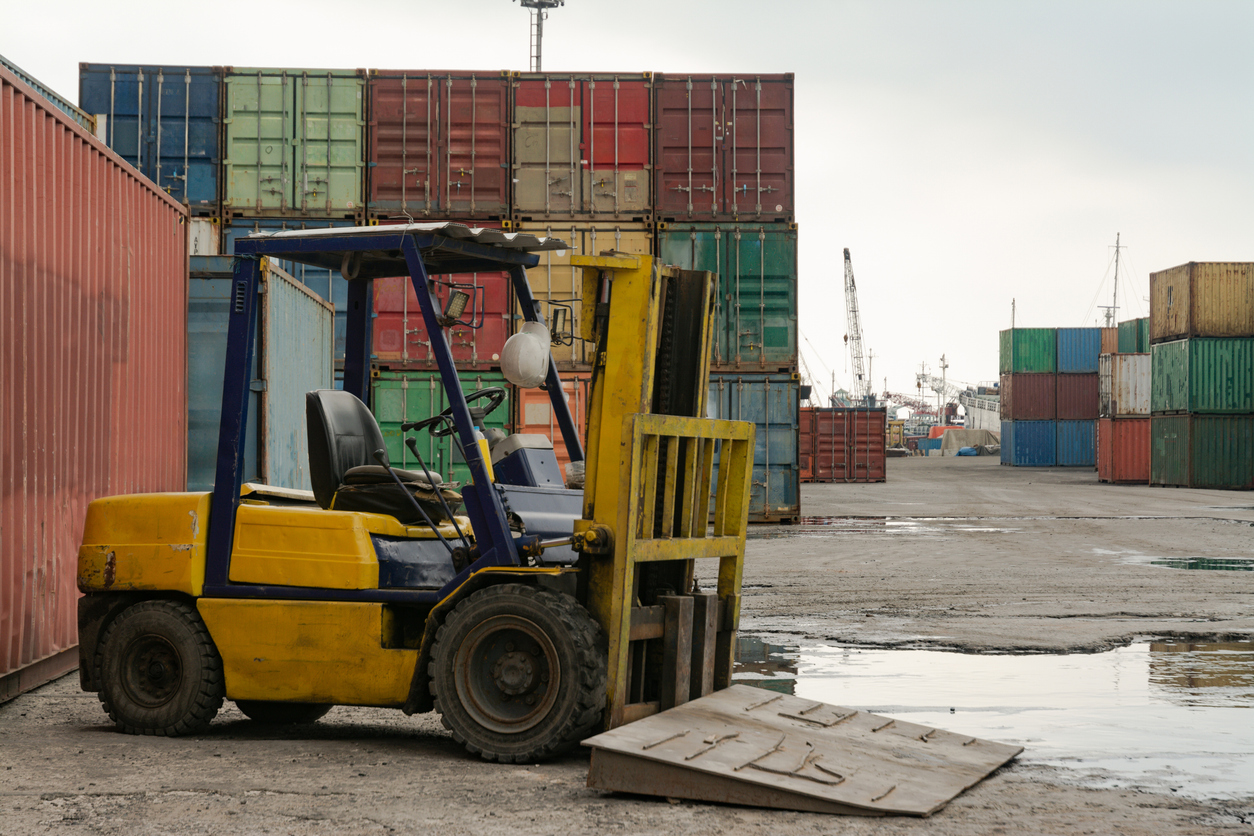
Navigating the logistics of shipping container handling requires an effective ramp solution. The right container ramp can significantly impact efficiency and safety during loading and unloading processes. This article delves into the differences between portable and fixed container ramps, enabling you to make an informed choice tailored to your specific operational needs. We will explore their unique benefits, potential drawbacks, cost considerations, and best practices for installation and compliance in Sydney. By understanding the characteristics of each ramp type, you will be better equipped to enhance your loading and unloading operations while maintaining safety standards.
What Are the Key Differences Between Portable and Fixed Container Ramps?
Understanding the distinctions between portable and fixed container ramps is crucial for selecting the most appropriate option for your shipping requirements. Portable ramps are designed for mobility, offering flexibility and convenience for varying loading scenarios. Conversely, fixed ramps serve as permanent installations, designed for frequent use in established loading docks.
How Do Portable Container Ramps Offer Mobility and Flexibility?
Portable container ramps provide exceptional mobility, enabling quick setup and removal as needed. This flexibility is ideal for businesses that require temporary access or those that operate in multiple locations. For instance, events or projects requiring frequent relocation benefit significantly from mobile ramps. Users have noted that portable ramps also allow for easy adjustments to angles, accommodating diverse container heights and loading scenarios.
What Are the Benefits of Permanent Fixed Container Ramp Installations?
Fixed container ramps offer several advantages, particularly in terms of long-term cost efficiency and operational performance. Many users report increased loading dock efficiency due to dedicated setups, which streamline processes and reduce downtime. Fixed installations are typically more durable, designed to withstand the rigors of continuous use, which contributes to overall safety and productivity. The initial investment in fixed ramps often pays off over time through savings in maintenance and operational efficiency.
What Are the Advantages and Drawbacks of Fixed Container Ramps?
When considering fixed container ramps, it is essential to weigh both their benefits and potential drawbacks. While these ramps enhance efficiency, they may require high upfront costs and space for installation.
How Do Fixed Ramps Improve Loading Dock Efficiency and Durability?
Fixed ramps significantly enhance loading dock efficiency through their stable and solid structure, which promotes faster loading and unloading operations. The durability of materials used in fixed ramp construction, such as steel or reinforced concrete, ensures they endure heavy usage without compromising safety. Their capacity to accommodate larger loads efficiently makes them a preferred choice for high-traffic shipping facilities.
What Installation and Maintenance Requirements Apply to Fixed Container Ramps?
Installing fixed container ramps often involves adherence to specific building codes and safety standards. Maintenance routines typically include regular inspections, ensuring that structural integrity is maintained and any wear and tear is promptly addressed. Operators should be familiar with local regulations to ensure compliance and optimal ramp functionality over time.
Why Choose Portable Container Ramps for Temporary or Variable Loading Needs?
Portable container ramps are particularly advantageous in situations requiring temporary loading access. Their design caters to varying operational needs that change frequently.
How Portable Ramps Facilitate Temporary Access and Frequent Relocation?
Portable ramps allow businesses to adapt quickly to varying project requirements, making them perfect for temporary setups like construction sites or events. These ramps are often lightweight, enabling quick relocation without the need for heavy machinery, showcasing their practicality for dynamic environments.
What Safety Standards and Compliance Apply to Portable Container Ramps in Sydney?
In Sydney, portable container ramps must meet specific safety standards to ensure user safety and compliance. Operators should adhere to guidelines set forth by local regulations, which include weight limits, user capacity, and stability features. Understanding these regulations is crucial for ensuring compliance and safety during use.
How Do Cost and Material Factors Influence the Choice Between Portable and Fixed Ramps?
The choice between portable and fixed container ramps extends beyond functionality to encompass cost and material considerations. The financial implications can be significant and should be thoroughly evaluated.
What Are the Typical Load Capacities and Materials Used in Container Ramp Types?
Different ramp types come with varying load capacities, primarily influenced by the materials used in their construction. Typically, portable ramps are made from aluminum or lightweight steel, accommodating loads ranging from 500 to 3,000 pounds. In contrast, fixed ramps can support much heavier loads owing to their robust materials such as reinforced concrete or heavy-duty steel.
How Does Installation Cost Compare Between Portable and Fixed Ramps in Sydney?
Installation costs can vary significantly between portable and fixed ramps. Portable ramps generally incur lower costs as they do not require permanent installation and can often be set up quickly without professional help. Conversely, fixed ramps typically involve higher initial expenses due to the necessity of site preparation, structural installation, and adherence to safety standards.
What Are the Best Practices for Container Ramp Installation and Safety Compliance in Sydney?
Implementing best practices for the installation and maintenance of container ramps ensures long-term operability and safety.
Which Australian Safety Certifications Should Container Ramps Meet?
Container ramps must meet specified Australian standards for safety certification. This includes ensuring ramps are capable of supporting stipulated loads safely while being made from materials that are durable and resistant to various environmental conditions. Compliance with these standards is mandatory for legal operation.
How to Ensure Compliance and Longevity Through Proper Ramp Maintenance?
Proper maintenance of ramps involves regular inspections, cleaning, and upkeep of both portable and fixed installations to prevent degradation. Users should create a maintenance schedule that includes checking for wear, lubricating moving parts, and cleaning debris to extend the ramp’s lifespan and ensure safety compliance.
How to Decide the Best Container Ramp Type for Your Shipping Container Handling Needs?
Deciding between portable and fixed ramps depends on your specific loading needs, frequency of use, and budget.
What Use Case Scenarios Favour Portable Over Fixed Container Ramps?
Use cases most suitable for portable ramps include temporary job sites and events where flexibility is essential. These ramps cater to environments where quick access and adaptability to different container types are required. In contrast, fixed ramps are more beneficial in settings with high volume and frequency of use.
How to Evaluate Loading Efficiency and Operational Requirements for Each Ramp Type?
Evaluating the efficiency of each ramp type involves considering factors like the volume of loads, frequency of use, and the physical dimensions of containers processed at your site. Operators should assess their operational requirements, aligning with the characteristics of each ramp type to make a sound choice that enhances their logistics performance.