

Worksite Equipment Maintenance Tips: Preventive Strategies for Optimal Performance

Written By : Serene In the world of worksite operations, equipment maintenance is a critical factor. It’s the backbone that ensures optimal performance and longevity of machinery. Yet, many overlook its importance, leading to unexpected downtime and costly repairs. This article aims to change that perspective. We delve into the best practices for maintaining worksite equipment. From preventive strategies to actionable tips, we cover it all. Our focus is not just on the ‘how’ but also the ‘why’. We highlight the financial and operational benefits of regular maintenance. Whether you’re a worksite manager, equipment operator, or a business owner, this guide is for you. It’s also beneficial for procurement managers interested in Mandarin Imports & Exports’ equipment. The Imperative of Regular Equipment Maintenance Regular equipment maintenance is not just a good practice. It’s an imperative for any worksite operation. It’s the key to ensuring optimal performance and extending the lifespan of your machinery. Maintenance goes beyond fixing a broken part. It’s about preventing problems before they occur. This is where the concept of preventive maintenance comes into play. Preventive maintenance involves regular inspections, cleaning, and minor repairs. It’s about identifying potential issues and addressing them early on. This approach significantly reduces the risk of unexpected equipment failure. The benefits of regular maintenance are numerous: Reduced downtime Enhanced safety Extended equipment lifespan Lower repair costs Improved efficiency Ignoring regular maintenance can lead to serious consequences. Equipment failure can result in costly downtime, safety hazards, and even legal implications. Therefore, it’s crucial to prioritize regular equipment maintenance in your worksite operations. Understanding the Scope of Worksite Equipment Maintenance Worksite equipment maintenance is a broad field. It encompasses a wide range of tasks, from daily checks to major overhauls. It’s not just about fixing things when they break. It’s about keeping them from breaking in the first place. Maintenance tasks can be as simple as cleaning and lubricating parts. They can also involve complex tasks like replacing worn-out components. It’s about understanding the unique needs of each piece of equipment and tailoring your maintenance approach accordingly. Maintenance also involves keeping detailed records. These logs help track the health of your equipment over time. They also provide valuable data for compliance and monitoring purposes. Finally, maintenance is about training. It’s crucial to ensure that all staff members understand the importance of maintenance. They should know how to properly use and care for the equipment they operate. The Role of Equipment Operators in Maintenance Equipment operators play a crucial role in maintenance. They are the first line of defense against equipment failure. They are often the first to notice signs of wear and tear or changes in performance. Operators should be trained to perform daily checks. These checks can include visual inspections, listening for unusual noises, and monitoring performance. They should also know how to report any issues they identify. The role of operators extends beyond daily checks. They should also be involved in regular maintenance tasks. This can include cleaning, lubricating, and minor repairs. Their involvement can help prevent small issues from escalating into major problems. Identifying Signs of Wear and Tear Identifying signs of wear and tear is a key aspect of equipment maintenance. Early detection can prevent minor issues from becoming major problems. It can also extend the lifespan of your equipment. Common signs of wear and tear include unusual noises, decreased performance, and increased energy consumption. Visual signs can include rust, corrosion, and visible damage to parts. It’s important to address these signs promptly. Ignoring them can lead to equipment failure, costly repairs, and extended downtime. Regular inspections and maintenance can help identify and address these signs early on. Crafting a Comprehensive Maintenance Schedule A comprehensive maintenance schedule is a cornerstone of effective equipment management. It outlines when and how each piece of equipment should be serviced. It’s a roadmap to keeping your equipment in top shape. The schedule should be tailored to the specific needs of each piece of equipment. Factors to consider include the equipment’s age, usage, and operating conditions. The schedule should also take into account the manufacturer’s recommendations. A well-crafted schedule can help prevent unexpected breakdowns. It can also extend the lifespan of your equipment. Here are some key elements to include in your schedule: Daily checks and inspections Regular cleaning and lubrication Periodic replacement of wear parts Major overhauls or inspections at specified intervals Incorporating Manufacturer’s Recommendations Manufacturer’s recommendations are a valuable resource when crafting a maintenance schedule. They provide insights into the unique needs of each piece of equipment. They outline the optimal maintenance practices to ensure the equipment’s longevity and performance. These recommendations can include specific maintenance tasks, frequency, and methods. They can also provide guidance on the types of parts and lubricants to use. It’s important to follow these recommendations closely. Deviating from them can lead to premature wear and tear or even equipment failure. Remember, the manufacturer knows their equipment best. Their recommendations are based on extensive testing and experience. Incorporating them into your maintenance schedule can help ensure optimal performance and longevity. Prioritizing Maintenance Tasks Based on Risk Assessment Not all maintenance tasks are created equal. Some are more critical than others. Prioritizing tasks based on risk assessment can help ensure that the most important tasks are not overlooked. Risk assessment involves evaluating the potential impact of equipment failure. This includes considering the likelihood of failure, the potential consequences, and the cost of preventive measures. Tasks associated with high-risk equipment or components should be prioritized. For example, a failure in a critical piece of equipment could halt operations. In this case, preventive maintenance tasks for this equipment should be a top priority. On the other hand, a non-critical piece of equipment might be able to fail without major consequences. Maintenance tasks for this equipment might be lower priority. Remember, effective maintenance is not just about doing everything. It’s about doing the right things at the right time. Prioritizing tasks based on risk assessment can help achieve this. The Financial and
Top 10 Must-Have Forklift Accessories

Written By : Serene In the realm of material handling, forklifts are indispensable. Yet, their true potential is often unlocked by the right accessories. From warehouses to construction sites, forklift accessories enhance functionality and safety. They transform a standard forklift into a versatile tool, capable of handling diverse tasks with precision and efficiency. This article delves into the top 10 must-have forklift accessories. We’ll explore how these add-ons can boost productivity, prolong equipment lifespan, and ensure operator safety. Whether you’re a logistics professional, a warehouse manager, or a forklift operator, this guide will provide valuable insights. It’s time to maximize your forklift’s utility and take your material handling processes to the next level. The Critical Role of Forklift Accessories in Material Handling Forklift accessories play a pivotal role in material handling operations. They not only enhance the versatility of forklifts but also contribute to safety and efficiency. From precise positioning of loads to handling non-standard pallet sizes, these accessories expand the capabilities of forklifts. They allow operators to adapt to varying operational needs, thereby optimizing productivity and reducing the risk of accidents. 1. Side Shifters: Precision without Movement Side shifters are a must-have forklift accessory for precise load positioning. They allow operators to move the forks and the load left or right, without moving the entire forklift. This feature is particularly useful in tight spaces where maneuverability is limited. It not only enhances operational efficiency but also reduces the risk of damage to the load or the forklift. 2. Fork Positioners: Adaptable Fork Spacing Fork positioners are another essential forklift accessory. They allow operators to adjust the distance between the forks from the driver’s seat, accommodating loads of different sizes and shapes. This flexibility can significantly improve productivity, especially in operations where a variety of pallet sizes are handled. It also enhances safety by ensuring a secure grip on the load. 3. Paper Roll Clamps: Damage-Free Paper Handling Paper roll clamps are a must-have for industries dealing with large rolls of paper. These specialized clamps ensure the rolls are handled without causing any damage, which is crucial for maintaining product quality. They are designed to apply uniform pressure across the roll’s surface, preventing crushing or deformation. This makes them an invaluable accessory for operations in the printing, packaging, and newsprint industries. 4. Carton Clamps: Palletless Transport Solutions Carton clamps are another essential forklift accessory, especially for businesses that handle goods without pallets. These clamps allow for the safe and efficient transportation of various items, including electronics, appliances, and packaged foods. By eliminating the need for pallets, carton clamps can significantly reduce material handling costs. They also contribute to a more streamlined and efficient warehouse operation. 5. Multiple Load Handlers: Boosting Productivity Multiple load handlers are a game-changer for businesses looking to enhance their productivity. These forklift accessories allow operators to handle several pallets at once, significantly increasing the speed of operations. By reducing the number of trips needed to move goods, multiple load handlers can lead to substantial time and cost savings. They are particularly beneficial in high-volume operations such as distribution centers and large warehouses. 6. Rotators: For Inverting and Dumping Loads Rotators are another essential forklift accessory, especially for industries that require inverting and dumping loads. They allow forklift operators to rotate the forks, making it easier to handle and position loads. In industries like waste management or food processing, rotators can significantly enhance operational efficiency. They also contribute to workplace safety by providing better control over load handling. 7. Push/Pull Attachments: The Pallet Reducer Push/pull attachments are a game-changer for businesses looking to reduce pallet costs. These accessories allow forklifts to handle loads using slip-sheets instead of pallets, providing a cost-effective solution for material handling. Moreover, push/pull attachments can also enhance the efficiency of loading and unloading operations, making them a valuable addition to any forklift. 8. Layer Pickers: Streamlining Order Selection Layer pickers are designed to increase efficiency in order selection processes. They allow forklift operators to pick up an entire layer of product at once, significantly speeding up the order fulfillment process. These accessories are particularly useful in high-volume operations, where time is of the essence. With layer pickers, businesses can ensure faster order turnaround times and improved customer satisfaction. 9. Drum Handlers: Safe and Secure Drum Transport Drum handlers are essential forklift accessories for industries that regularly transport and lift cylindrical drums. These attachments ensure that drums are handled safely, reducing the risk of accidents and spillages. They are designed to securely grip the drum, allowing for smooth and controlled lifting and transportation. This not only enhances safety but also improves operational efficiency. 10. Fork Extensions: Handling Large Loads with Ease Fork extensions are a simple yet effective accessory that can significantly enhance a forklift’s capabilities. They provide added length to the forks, allowing operators to handle larger or awkwardly shaped loads with ease. By ensuring that loads are properly supported, fork extensions can reduce the risk of damage to goods and improve overall safety. They are a must-have accessory for businesses that frequently handle oversized items. Enhancing Safety with Forklift Accessories Forklift accessories are not just about enhancing productivity and versatility. They also play a crucial role in promoting safety in the workplace. Accessories like blue spotlights, for example, can significantly improve visibility and prevent accidents. Safety cages and platforms are also vital for safely lifting personnel, making them an essential addition to any forklift. These accessories can help businesses comply with safety regulations and create a safer working environment. The Impact of Quality and Innovation from Toyota and Crown Toyota and Crown are renowned for their quality and innovative designs in forklift accessories. Their reputation for excellence has significantly influenced the demand for their products. These brands have revolutionized warehouse operations with their advanced and reliable accessories. Their commitment to quality and innovation has set a high standard in the material handling industry. Aftermarket Support and the Role of Suppliers Like Mandarin Imports & Exports Aftermarket support plays a vital role
Evaluating Used Forklifts for Sale in Australia
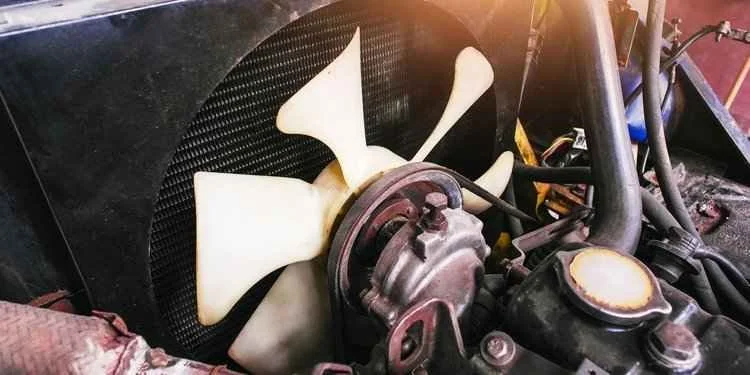
Written By: Serene Purchasing a used forklift can be a cost-effective solution for many businesses in Australia, but it comes with its set of challenges. Understanding how to meticulously evaluate the condition of used forklifts is crucial to ensure you’re making a wise investment rather than inheriting problems. This guide aims to arm you with essential insights and practical tips on assessing the mechanical condition, structural integrity, maintenance records, and overall performance of used forklifts in the Australian market. Mechanical Condition: Inspecting the mechanical condition of a used forklift is paramount. Start with the engine, checking for any unusual noises, smoke, or leaks that could indicate underlying issues. Test the transmission, brakes, steering, and hydraulic systems for smooth operation. Look out for any signs of irregular wear or damage in these areas, as they can be costly to repair. Structural Integrity: The structural integrity of the forklift is another critical aspect to consider. Examine the mast, forks, and chassis for any cracks, bends, or significant rust that could affect the forklift’s strength and safety. Pay special attention to the welds, looking for any repairs that might compromise durability. Maintenance History: Reviewing the maintenance history of the forklift provides insights into how well it was cared for. A detailed record of regular maintenance and repairs is a good sign, indicating the previous owner’s commitment to keeping the forklift in top condition. Be wary of units with incomplete or missing maintenance records, as this could lead to unexpected issues down the line. Overall Performance: Test-driving the forklift is essential to assess its overall performance. During the test drive, pay attention to how well the forklift operates under load, its maneuverability, and ease of control. Evaluate the effectiveness of the lifting mechanism and ensure there are no issues with the stability of the unit when lifting and transporting loads. Safety Features: Forklift Safety should never be compromised. Check that all safety features, such as seat belts, lights, horns, and backup alarms, are present and functioning correctly. Ensure the forklift has a current safety inspection sticker if required in your region. Appearance and Cleanliness: While not as critical as mechanical or structural integrity, the appearance and cleanliness of a used forklift can provide clues about its past use and maintenance. A clean, well-maintained forklift is more likely to have been cared for properly than one that’s dirty and neglected. Final Thoughts: Buying a used forklift in Australia requires thorough evaluation and consideration. By carefully inspecting the mechanical and structural condition, reviewing the maintenance history, assessing overall performance and safety features, and considering the forklift’s appearance, you can make an informed decision. With the right knowledge and due diligence, you can find a reliable used forklift that meets your business’s needs without the pitfalls of purchasing secondhand equipment. Remember, investing time in the evaluation process can save you from potential headaches and financial losses in the future. Happy hunting for your next used forklift!
How to Select the Best Forklift Spare Parts Suppliers
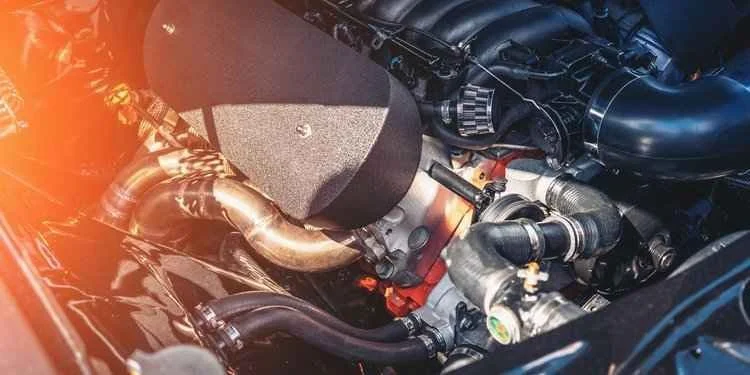
Written By : Serene When it comes to maintaining the operational efficiency of your forklift fleet, one critical decision you’ll face is choosing the right spare parts suppliers. The market is flooded with options, but not all suppliers are created equal. Selecting the best forklift spare parts suppliers is paramount to ensuring the longevity, performance, and reliability of your equipment. This guide will walk you through the key factors you need to consider when making this vital choice, from assessing the quality of parts to evaluating the supplier’s customer service and support. Quality of Spare Parts: The quality of the spare parts is the first and foremost consideration. High-quality parts ensure that your forklifts remain in top condition, reducing downtime due to failures or repairs. Look for suppliers who source their parts from reputable manufacturers or directly from OEMs (Original Equipment Manufacturers). This guarantees that the parts meet stringent quality standards and are compatible with your equipment. Supplier Reliability and Reputation: A supplier’s reliability and market reputation speak volumes about their capability to fulfill your needs. Research their track record, read customer reviews, and check their standing with industry bodies. Suppliers with a long history in the business are usually a safer bet, as they have proven their ability to consistently provide quality parts and service over time. Pricing and Cost-Effectiveness: While cost should not be the only criterion, competitive pricing is undoubtedly important. Compare prices from different suppliers for the same or similar quality parts. Keep an eye out for special deals or discounts on bulk orders. However, beware of prices that seem too good to be true, as they might be indicative of inferior quality. Customer Service and Support: Excellent customer service and support indicate that a supplier values its clients and is willing to go the extra mile to assist them. Assess the responsiveness of their customer service team, their willingness to provide detailed product information, and their ability to handle returns or complaints efficiently. Additionally, suppliers offering technical support and guidance can be invaluable, especially when dealing with complex machinery like forklifts. Availability and Delivery Timeframes: The availability of parts and swift delivery times are crucial to minimizing operational disruptions. Ensure that your chosen supplier has a robust inventory system and can quickly dispatch parts when needed. It’s also beneficial if they can provide accurate delivery estimates and expedited shipping options for urgent requirements. Warranty and After-sales Service: A warranty on spare parts is a sign of confidence in the quality of products offered. Look for suppliers who provide clear warranty terms and hassle-free claim processes. After-sales service, such as installation assistance or maintenance advice, can further enhance the value you get from your supplier. Customization and Additional Services: Some operations may require customized parts or additional services like repair and maintenance. Suppliers capable of offering these tailored solutions can be extremely helpful, providing a one-stop shop for all your forklift maintenance needs. Conclusion: Selecting the right forklift spare parts suppliers is a multifaceted decision that can significantly impact the efficiency and reliability of your operations. By considering the quality of parts, supplier reliability, pricing, customer service, and additional services offered, you can make an informed choice that meets your specific needs. Remember, the goal is to find a supplier that not only provides high-quality parts but also supports your business’s growth and success through excellent service and support.
Finding the Perfect Forklift Container Ramp for Sale

Choosing the Right Forklift Container Ramp for You
Why Mandarin Imports Triumphs in Forklift Attachments

Why Mandarin Imports Triumphs in Forklift Attachments