

A Comprehensive Guide to Choosing the Right Portable Toilet for Purchase for Your Construction Site

Written By : Serene Choosing the right portable toilet for your construction site is crucial. It ensures the comfort and hygiene of your workers. But how do you make the right choice? What factors should you consider? This guide aims to answer these questions. It provides comprehensive information to help you make an informed decision. We’ll explore different types of portable toilets, key features to look for, and cost considerations. We’ll also discuss legal requirements and how to evaluate suppliers in Sydney. Whether you’re a construction site manager or an event planner, this guide is for you. Understanding the Basics of Portable Toilets Portable toilets are standalone units designed for outdoor use. They provide sanitation facilities where traditional restrooms are not available. They are commonly used at construction sites, outdoor events, and remote locations. They are easy to install and can be moved around as needed. These toilets come in various types and sizes. Some are basic units, while others come with additional features like handwashing stations. Choosing the right portable toilet depends on your specific needs. It’s important to consider factors like the number of users, the duration of use, and the location. Understanding these basics will help you make an informed decision. Key Considerations for Selecting Portable Toilets When selecting a portable toilet, several factors come into play. The first is the number of users. This will determine the size and number of toilets you need. The duration of use is another key factor. For long-term projects, consider durable toilets with large waste storage. The location of your construction site also matters. Some toilets are designed for rough terrains, while others are best for flat surfaces. Consider the legal requirements for sanitation at construction sites. Ensure the toilets you choose comply with these regulations. Lastly, consider your budget. The cost of portable toilets varies depending on the type and features. Assessing Your Construction Site Needs Before you buy a portable toilet, assess your construction site needs. How many workers are on site? This will help determine the number of toilets needed. Consider the nature of the work. If it’s heavy-duty, you might need more robust toilets. Think about the duration of the project. For long-term projects, consider buying instead of renting. Also, consider the layout of the site. This will determine where the toilets will be placed. Lastly, consider the weather conditions. Some toilets are designed to withstand harsh weather. Types of Portable Toilets Available There are several types of portable toilets available. The most common is the standard unit. It’s basic but functional. Then there’s the deluxe unit. It comes with additional features like a handwashing station. For construction sites, consider heavy-duty units. They are designed to withstand rough use. There are also wheelchair-accessible units. These are designed for users with disabilities. Lastly, there are eco-friendly units. They use less water and are made from sustainable materials. Features to Look for in a Portable Toilet When choosing a portable toilet, look for certain features. A good toilet should have a sturdy construction. It should be able to withstand heavy use. The toilet should also have a good waste storage capacity. This will reduce the frequency of servicing. Look for toilets with ventilation. This will help control odors. Also, consider toilets with a handwashing station. This promotes hygiene. Lastly, consider the ease of maintenance. The toilet should be easy to clean and service. Legal Requirements and Compliance When choosing a portable toilet, consider the legal requirements. Different regions have different sanitation regulations for construction sites. Ensure the toilets you choose comply with these regulations. Non-compliance can lead to fines or work stoppages. Also, consider environmental regulations. Some regions require eco-friendly toilets. Lastly, ensure the toilets meet health and safety standards. This includes features like non-slip floors and sturdy construction. Cost Considerations: Rental vs. Purchase When buying a portable toilet, consider your budget. The cost can vary based on features and quality. You can choose to rent or buy. Renting is a good option for short-term projects. However, for long-term use, buying may be more cost-effective. Consider the return on investment. Also, consider the cost of maintenance and servicing. These costs can add up over time. Evaluating Suppliers and Service Providers in Sydney Choosing the right supplier is crucial. Look for suppliers with a good reputation in Sydney. Customer reviews can provide valuable insights. They can help you gauge the quality of service. Also, consider the supplier’s delivery and setup process. It should be hassle-free. Lastly, check if the supplier offers a service agreement. This can cover maintenance and repairs. Maintenance and Hygiene Proper maintenance is key for portable toilets. Regular cleaning ensures a pleasant environment. Hygiene is also crucial. Toilets should have hand sanitizer dispensers. A good waste disposal plan is necessary. It helps maintain cleanliness and odor control. Lastly, consider the frequency of service visits. Quick response times for emergency servicing are beneficial. Additional Amenities and Customization Options Portable toilets can come with extra amenities. These include mirrors and shelves. Customization options are also available. These can match specific site needs. Consider the impact of color and design. They can enhance the user experience. Lastly, some toilets offer branding options. This is useful for corporate events. Conclusion: Making an Informed Decision Choosing the right portable toilet is crucial. It impacts worker satisfaction and productivity. This guide should help you make an informed decision. Remember, consider your specific needs and budget.
Portable Toilets for Construction Sites: Why They’re Essential for Worker Safety and Productivity

Written By : Serene In the bustling world of construction, efficiency is key. But so is the well-being of the workforce. One aspect that marries these two crucial elements is often overlooked: sanitation. Specifically, the provision of portable toilets for construction sites. These temporary facilities are more than just a convenience. They are a legal requirement in many regions, including Sydney. They play a pivotal role in maintaining health, safety, and productivity on site. Yet, many questions surround their use. How many do you need? What types are available? Should you rent or buy? This guide aims to answer these questions and more. It will delve into the importance of portable toilets for construction sites, their impact on worker safety and productivity, and the options available in Sydney. Whether you’re a site manager, contractor, or business owner, this guide is for you. Let’s explore the world of portable toilets for construction sites. The Legal and Health Implications of Portable Toilets on Construction Sites In many regions, including Sydney, providing portable toilets at construction sites is not optional. It’s a legal requirement. This is to ensure compliance with health and safety regulations. Failure to provide adequate sanitation facilities can lead to penalties. More importantly, it can put the health of your workforce at risk. Without proper facilities, the spread of disease becomes a real concern. Portable toilets help maintain a healthier work environment. They are designed to withstand the harsh conditions of construction sites, making them durable and reliable. In essence, portable toilets are more than just a convenience. They are a crucial part of any construction site, ensuring both legal compliance and the well-being of your workers. How Portable Toilets Boost Productivity on the Job Site The presence of portable toilets on a construction site has a direct impact on worker productivity. Without them, workers would need to leave the site for bathroom breaks. This can lead to significant time loss. By providing portable toilets, you ensure that workers can quickly and conveniently use the facilities when needed. This reduces downtime and keeps your project on schedule. Moreover, the convenience of on-site facilities can also boost worker morale. This, in turn, can lead to increased productivity and a more efficient workforce. In short, portable toilets are not just about comfort and hygiene. They are a strategic tool that can help you manage your project more effectively. Types of Portable Toilets Available for Construction Sites There are various types of portable toilets available for construction sites. Each type is designed to meet specific needs and requirements. Standard units are the most common. They are simple, durable, and designed to withstand harsh conditions. Deluxe units offer additional amenities. These may include sinks, mirrors, and even flushing systems. Wheelchair-accessible units are also available. These are designed to accommodate workers with disabilities, ensuring that all workers have access to sanitation facilities. Here is a brief overview of the different types of portable toilets: Standard units Deluxe units Wheelchair-accessible units Determining the Right Number of Portable Toilets for Your Site Determining the right number of portable toilets for your site is crucial. It depends on the number of workers and the duration of the project. As a rule of thumb, one portable toilet is needed for every ten workers. This is based on a 40-hour work week. For larger projects or longer durations, more units may be required. It’s always better to have a few extra units than not enough. Remember, adequate sanitation facilities can significantly improve worker productivity and morale. Maintenance and Servicing: Keeping Portable Toilets Clean and Hygienic Regular maintenance and servicing of portable toilets are crucial. They ensure hygiene and comfort for the workers. A well-maintained toilet can prevent the spread of disease. It also promotes a healthier work environment. Maintenance includes regular cleaning and restocking of supplies. It also involves checking for any damages or malfunctions. Remember, a clean and functional toilet can significantly improve worker satisfaction. It can also enhance the overall productivity of the site. Renting vs. Purchasing: What’s Best for Your Construction Site? Choosing between renting and purchasing portable toilets depends on several factors. These include the duration of the project and the frequency of use. Renting is a cost-effective solution for short-term projects. It eliminates the need for storage and maintenance. On the other hand, purchasing can be a wise investment for long-term projects. Especially for construction companies that frequently manage multiple sites. In Sydney, both options are readily available. It’s important to weigh the pros and cons to make the best decision for your construction site. Compliance with Regulations for Portable Toilets Sydney In Sydney, there are specific regulations for portable toilets on construction sites. These rules cover placement, maintenance, and waste disposal. Non-compliance can lead to penalties. It’s crucial to understand and follow these regulations. Providers of portable toilets in Sydney are well-versed in these rules. They can guide you through the compliance process. Looking for a portable toilet for sale Sydney? Give us a call or fill in the inquiry form. Remember, compliance is not just about avoiding penalties. It’s about ensuring the safety and well-being of your workers. Environmental Considerations and Eco-Friendly Options Environmental considerations are crucial when managing portable toilets. Waste disposal and deodorizing products can impact the environment. Eco-friendly portable toilets are a great choice. They align with a company’s sustainability goals. These toilets often feature solar-powered lighting and flushing systems. They minimize environmental impact. Choosing eco-friendly options shows your commitment to the environment. It’s a step towards sustainable construction practices. Customization and Branding of Portable Toilets Portable toilets can be customized to match your company’s branding. This includes specific color schemes and logos. Customization enhances your company’s visibility. It also promotes a professional image on the construction site. Branding your portable toilets can also boost worker morale. It shows your commitment to providing quality facilities. Remember, a well-branded portable toilet is more than just a restroom. It’s a statement of your company’s values and professionalism. Accessibility and Ensuring All
The Environmental Impact of Forklift Attachments: Sustainability in Material Handling
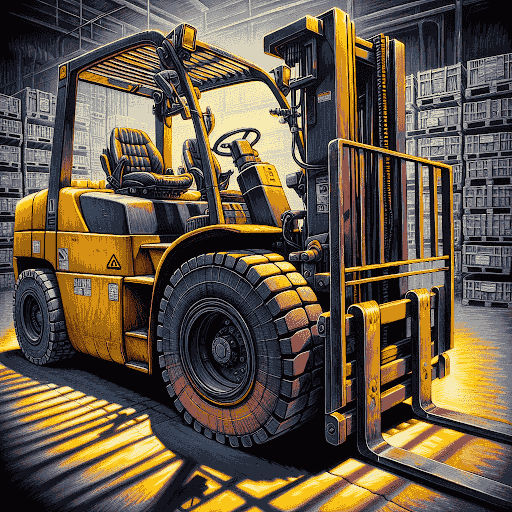
Written By : Serene In the world of material handling, forklift attachments play a crucial role. They enhance the versatility and efficiency of forklifts, making them indispensable in warehouses and distribution centers. However, the environmental impact of these attachments is often overlooked. Traditional forklift attachments can contribute to carbon emissions and waste, posing a challenge to sustainability efforts. But there’s good news. The rise of eco-friendly forklift attachments offers a promising solution. These sustainable options are designed to minimize environmental impact while maintaining operational efficiency. In this article, we delve into the environmental impact of forklift attachments. We explore the benefits of sustainable solutions and how they contribute to sustainability goals in material handling. Whether you’re a warehouse manager, a logistics professional, or a business owner, this guide will provide valuable insights. It’s time to consider eco-friendly options for forklift attachments and contribute to a more sustainable future. Understanding the Environmental Impact of Traditional Forklift Attachments Traditional forklift attachments, while efficient, can have a significant environmental impact. They are often made from materials that are not easily recyclable, leading to waste accumulation. Moreover, the manufacturing process of these attachments can contribute to carbon emissions. This is due to the energy-intensive methods used in their production. The disposal of old or damaged attachments also poses an environmental challenge. Without proper recycling options, these attachments often end up in landfills, further exacerbating waste issues. Understanding these impacts is the first step towards adopting more sustainable solutions in material handling. The Rise of Eco-Friendly Forklift Attachments In response to the environmental challenges posed by traditional forklift attachments, manufacturers have started to explore eco-friendly options. These sustainable solutions aim to reduce the environmental footprint of material handling operations. Eco-friendly forklift attachments are designed with sustainability in mind. They are often made from recycled or recyclable materials, reducing waste and carbon emissions. Moreover, these attachments are designed to be more energy-efficient. This can lead to significant reductions in energy consumption during operations. The rise of these eco-friendly options represents a significant shift in the material handling industry towards more sustainable practices. Types of Sustainable Forklift Attachments There are several types of eco-friendly forklift attachments available in the market today. These include attachments made from recycled materials, as well as those designed for energy efficiency. Attachments made from recycled materials are a popular option. They are made from post-consumer waste, reducing the need for new raw materials. Energy-efficient attachments, on the other hand, are designed to reduce energy consumption during operations. This can lead to significant savings in energy costs over time. There are also attachments designed for improved load handling. These attachments allow forklifts to handle larger loads more efficiently, reducing the number of trips needed and thus saving energy. In addition, there are attachments that can be easily recycled or disposed of in an environmentally friendly manner at the end of their lifecycle. The Benefits of Eco-Friendly Options Eco-friendly forklift attachments offer several benefits over traditional options. First and foremost, they help reduce the environmental impact of material handling operations. By using recycled materials and promoting energy efficiency, these attachments can significantly reduce carbon emissions. This can help businesses meet their sustainability goals and reduce their carbon footprint. Moreover, eco-friendly attachments can lead to cost savings in the long run. While the initial investment may be higher, the energy savings and longer lifespans of these attachments can result in significant cost benefits over time. Finally, using eco-friendly attachments can enhance a company’s reputation. As consumers become more environmentally conscious, businesses that adopt sustainable practices are likely to be viewed more favorably. How Eco-Friendly Attachments Contribute to Sustainability Goals Eco-friendly forklift attachments play a crucial role in achieving sustainability goals. By reducing energy consumption and waste, they help businesses become more environmentally friendly. These attachments also contribute to the reduction of carbon emissions. This is particularly important as businesses strive to meet their carbon reduction targets. Moreover, the use of recycled materials in these attachments supports the circular economy. This approach aims to minimize waste and make the most of resources. Finally, eco-friendly attachments can help businesses achieve their corporate social responsibility (CSR) objectives. By adopting sustainable practices, businesses can demonstrate their commitment to environmental stewardship. Case Studies: Success Stories in Material Handling Several businesses have successfully implemented sustainable forklift solutions. These case studies highlight the benefits of eco-friendly attachments. One example is a warehouse that switched to attachments made from recycled materials. This change resulted in significant reductions in waste and carbon emissions. Another business invested in energy-efficient attachments. This led to substantial energy savings, reducing operational costs and improving the company’s environmental footprint. Finally, a logistics company integrated eco-friendly attachments into its existing material handling system. This not only improved efficiency but also demonstrated the company’s commitment to sustainability. Cost and ROI: Investing in Green Forklift Attachments Investing in eco-friendly forklift attachments may seem costly at first. However, the long-term benefits often outweigh the initial investment. These attachments can lead to significant energy savings. This reduces operational costs and contributes to a more sustainable business model. Moreover, the use of sustainable attachments can enhance a company’s reputation. This can lead to increased customer loyalty and potentially higher profits. Finally, government incentives can offset the cost of these attachments. These incentives encourage businesses to adopt more sustainable practices. Government Incentives and Regulations Various government incentives support the use of sustainable material handling equipment. These incentives can significantly reduce the cost of investing in eco-friendly forklift attachments. Moreover, regulations often require businesses to reduce their environmental impact. By investing in sustainable forklift attachments, businesses can ensure they comply with these regulations. Innovations and Future Trends in Eco-Friendly Material Handling Innovation is driving the development of eco-friendly forklift attachments. New designs are constantly emerging, offering improved sustainability and efficiency. For instance, attachments made from recycled or biodegradable materials are becoming more common. These materials reduce the environmental impact of forklift operations. Moreover, technology is playing a key role in this evolution. IoT and AI are
Environmental Impact: Eco-Friendly Forklift Parts and Practices
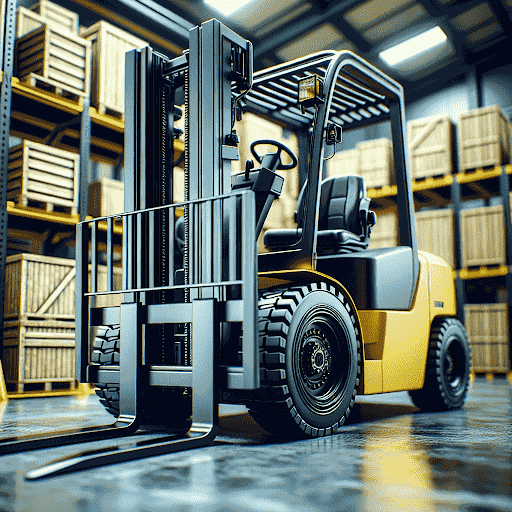
Written By : Serene In the world of material handling, forklifts play a crucial role. They are the workhorses that keep warehouses and factories running smoothly. However, traditional forklift parts can have a significant environmental impact. From manufacturing to disposal, these parts can contribute to pollution and waste. Enter eco-friendly forklift parts. These parts are designed with sustainability in mind. They aim to reduce the environmental footprint of forklift operations. This article explores the benefits of eco-friendly forklift parts and practices. It provides insights into how businesses can promote sustainability in their operations. Whether you’re a warehouse manager, a forklift operator, or a business owner, you’ll find valuable information here. This guide will help you make informed decisions about your forklift parts and practices. Join us as we delve into the world of eco-friendly forklift parts. Let’s discover how we can make material handling more sustainable. The Importance of Sustainability in Material Handling Sustainability is no longer a buzzword. It’s a necessity. In the material handling industry, sustainable practices can make a significant difference. Adopting eco-friendly forklift parts and practices is a step towards this goal. It not only reduces environmental impact but also improves operational efficiency. Sustainable forklift operations can lead to cost savings, improved reputation, and compliance with environmental regulations. The Environmental Cost of Traditional Forklift Parts Traditional forklift parts can have a significant environmental impact. They often involve the use of non-renewable resources and contribute to waste generation. Moreover, the energy consumption of conventional forklifts can be high, leading to increased carbon emissions. This is particularly true for forklifts powered by fossil fuels. The production, use, and disposal of these parts can all contribute to environmental degradation. Advantages of Eco-Friendly Forklift Parts Eco-friendly forklift parts offer numerous benefits, both for businesses and the environment. They are designed to minimize waste, reduce energy consumption, and lower carbon emissions. These parts can also contribute to cost savings in the long run. They are often more durable and energy-efficient, leading to lower operating costs. Here are some key advantages: Reduced waste and pollution Lower energy consumption Decreased carbon emissions Cost savings due to durability and energy efficiency Positive contribution to a company’s sustainability goals Potential for government incentives and certifications Types of Sustainable Forklift Parts Available The market for eco-friendly forklift parts, forklift accessories and forklift attachments is growing, with a variety of options available to businesses. These include parts made from recycled or biodegradable materials, as well as energy-efficient components. For instance, there are forklift tires made from recycled rubber, and biodegradable hydraulic fluids that reduce environmental harm when disposed of. Energy-efficient parts, such as LED lights and electric motors, can also contribute to a forklift’s overall eco-friendliness. These options allow businesses to customize their forklifts to meet their specific sustainability goals. Reducing Waste with Recycled and Biodegradable Materials Recycled and biodegradable materials play a crucial role in making forklift parts more eco-friendly. By using parts made from recycled materials, businesses can help reduce the demand for new raw materials, thereby minimizing the environmental impact of their operations. Biodegradable materials, on the other hand, break down naturally over time, reducing the amount of waste that ends up in landfills. For instance, biodegradable hydraulic fluids and lubricants can significantly decrease the environmental harm caused by leaks or spills during forklift operation. Energy-Efficient Forklifts: A Step Towards Lower Emissions Energy-efficient forklifts are a significant step towards reducing carbon emissions in material handling operations. These forklifts, particularly electric and hybrid models, consume less energy compared to traditional gas-powered forklifts, leading to lower greenhouse gas emissions. Moreover, energy-efficient forklifts can also contribute to cost savings in the long run. Despite the higher upfront cost, the lower operating costs due to reduced fuel consumption can result in significant savings over the forklift’s lifespan. This makes them a smart choice for businesses aiming for both environmental sustainability and economic efficiency. Lifecycle and Recyclability of Forklift Parts Understanding the lifecycle of forklift parts is crucial in assessing their environmental impact. From production to disposal, each stage of a part’s lifecycle contributes to its overall carbon footprint. Eco-friendly forklift parts are designed with this in mind, aiming to minimize environmental impact at each stage. Recyclability is a key factor in this. Forklift parts made from recyclable materials can be repurposed at the end of their life, reducing waste and the need for new raw materials. This not only helps conserve resources but also significantly reduces the environmental impact of forklift operations. Cost Savings and Incentives for Green Choices Investing in eco-friendly forklift parts can lead to significant cost savings in the long run. These parts are often more durable and energy-efficient, reducing maintenance costs and energy bills. Over time, these savings can offset the initial investment, making green choices a smart financial decision. Moreover, many governments offer incentives for businesses that adopt sustainable practices. These can include tax breaks, grants, or subsidies for purchasing eco-friendly equipment. By taking advantage of these incentives, businesses can further reduce the cost of transitioning to greener forklift parts and practices. Case Studies: Success Stories in Green Forklift Operations Several companies have successfully integrated eco-friendly forklift parts and practices into their operations. For instance, a leading logistics company replaced its traditional forklifts with electric ones. This move not only reduced their carbon emissions but also led to significant energy savings. Another example is a manufacturing company that opted for biodegradable forklift parts. By doing so, they were able to minimize waste and contribute to a circular economy. These case studies demonstrate the potential of green forklift operations to both benefit the environment and improve business efficiency. Best Practices for Eco-Friendly Forklift Use Adopting eco-friendly forklift parts is just one aspect of sustainable material handling. It’s equally important to implement green practices in forklift use. Proper maintenance, for example, can extend the lifespan of forklift parts and reduce waste. Here are some best practices for eco-friendly forklift use: Regularly service your forklifts to ensure they are operating efficiently. Train operators on eco-friendly
Maintenance Guide for Forklift Tynes: Keeping Your Equipment in Top Shape
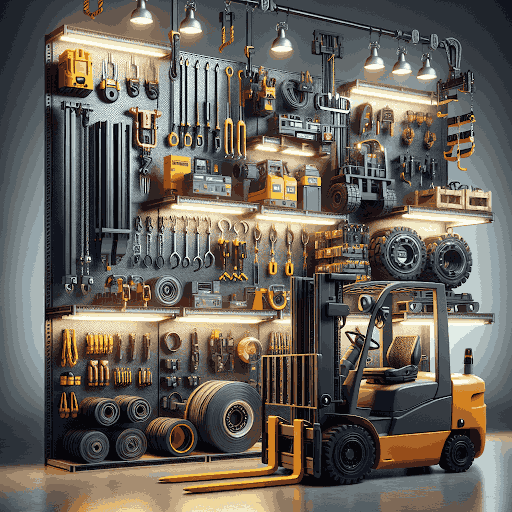
Written By : Serene Forklift tynes are the backbone of any material handling operation. They bear the weight of heavy loads, ensuring smooth and efficient operations. However, like any other forklift parts, tynes require regular maintenance. Neglecting this can lead to serious safety risks and operational inefficiencies. In this guide, we’ll delve into the best practices for forklift tyne maintenance. We’ll cover everything from routine inspections to addressing common issues like cracks and corrosion. Whether you’re a forklift operator, a warehouse manager, or a maintenance team member, this guide will help you keep your equipment and forklift accessories in top shape. Understanding Forklift Tyne Maintenance Forklift tynes, also known as forks or blades, are crucial forklift parts. They are responsible for lifting and transporting loads. Despite their robust appearance, tynes can wear out over time. Regular use, heavy loads, and environmental factors can all contribute to their deterioration. Understanding the importance of forklift tyne maintenance is the first step towards ensuring the longevity and safety of your equipment. Regular maintenance not only extends the life of your tynes but also enhances the overall performance of your forklift. Maintenance involves several steps, including regular inspections, cleaning, and addressing any signs of damage promptly. It’s also about knowing when to repair or replace your tynes. Here are some key aspects of forklift tyne maintenance: Regular inspections for signs of wear and damage Cleaning to prevent rust and corrosion Proper alignment and positioning Timely repairs or replacement Compliance with legal and safety regulations Signs of Wear and Damage to Look For Identifying signs of wear and damage on your forklift tynes is crucial. Early detection can prevent accidents and costly repairs. Look for visible cracks or bends in the tynes. These are clear indicators of structural damage. Even small cracks can grow over time, compromising the integrity of the tynes. Also, check for signs of wear on the underside of the tynes. This is where most of the load-bearing occurs. Excessive wear can reduce the tynes’ thickness and their ability to handle loads safely. Lastly, look for signs of rust or corrosion, especially if your forklift operates in a damp or corrosive environment. The Importance of Regular Tyne Inspections Regular inspections of your forklift tynes are essential. They help ensure the safety and efficiency of your operations. Inspections can identify issues early, before they become major problems. This can save you time and money on extensive repairs or replacements. Moreover, regular inspections can help maintain compliance with safety regulations. They ensure your forklift is always in good working condition and safe to operate. Remember, a well-maintained forklift is a safe and efficient forklift. Regular tyne inspections are a key part of that maintenance. How to Conduct a Forklift Tyne Inspection Conducting a forklift tyne inspection involves several steps. First, visually inspect the tynes for any visible signs of damage. This includes cracks, bends, or signs of wear. Next, check the thickness of the tynes. Over time, tynes can wear down and become thinner. If the thickness is less than the manufacturer’s recommended level, it’s time for a replacement. Also, check the alignment of the tynes. They should be parallel to each other. If they’re not, this could indicate a problem with the forklift’s alignment mechanism. Don’t forget to inspect the tyne surface. It should be smooth and free of rust or corrosion. If you notice any rough spots or rust, it’s time for a cleaning or repair. Finally, check the forklift’s data plate. This will tell you the maximum load capacity of the tynes. Never exceed this limit as it can lead to damage or accidents. Remember, a thorough inspection can help prevent accidents and prolong the life of your forklift tynes. Addressing Common Issues: Cracks, Bends, and Corrosion Cracks, bends, and corrosion are common issues that can affect forklift tynes. If left unaddressed, these issues can compromise the safety and efficiency of your forklift. Cracks and bends can occur due to overloading or mishandling. If you notice any cracks or bends in your tynes, it’s crucial to stop using the forklift immediately. Consult a professional for repair or replacement. Corrosion, on the other hand, is often a result of exposure to harsh environments. Regular cleaning and rust prevention measures can help keep corrosion at bay. Remember, addressing these issues promptly can help maintain the integrity of your forklift tynes and ensure safe operation. Tyne Alignment and Positioning Best Practices Proper alignment and positioning of forklift tynes are crucial for safe and efficient operation. Misaligned tynes can lead to uneven load distribution and potential accidents. Ensure that the tynes are parallel and level with the ground. This helps in maintaining stability and preventing load slippage during operation. Regularly check the locking mechanisms that hold the tynes in place. If they are loose or damaged, the tynes may shift during operation, leading to instability. Adhering to these best practices can help prevent accidents, prolong the life of your forklift tynes, and maintain the overall performance of your forklift. Cleaning and Preventing Rust on Your Tynes Keeping your forklift tynes clean is an essential part of maintenance. Dirt, debris, and rust can cause premature wear and tear. Regular cleaning with a wire brush and mild detergent can help remove dirt and prevent rust. Always dry the tynes thoroughly after cleaning to avoid moisture buildup. Applying a thin layer of anti-rust spray or oil can also help protect the tynes from corrosion. This simple step can significantly extend the lifespan of your forklift tynes. When to Repair vs. When to Replace Forklift Tynes Knowing when to repair or replace your forklift tynes is crucial. Regular inspections will help you make this decision. Minor issues like surface rust or small dents can often be repaired. However, major damage such as deep cracks or significant bending usually requires replacement. Remember, using damaged tynes can lead to accidents and equipment failure. Always prioritize safety over cost savings. Lastly, always consult your forklift manufacturer’s guidelines or a professional service
Ensuring Supply Chain Resilience: Why Reliable Forklift Spare Parts Suppliers Matter
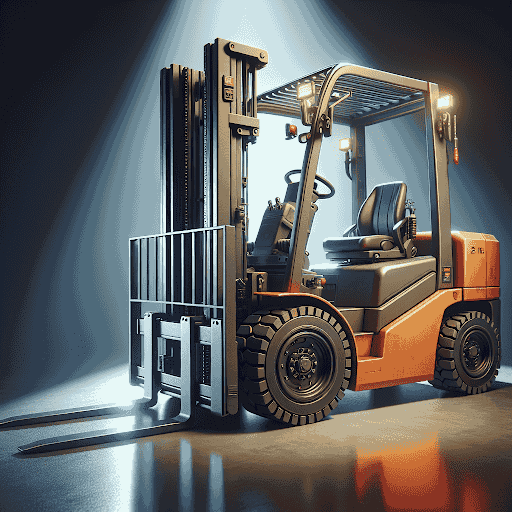
Written By : Serene In the world of logistics and supply chain management, forklifts play a pivotal role. They are the workhorses that keep warehouses and distribution centers running smoothly. But what happens when a forklift breaks down? The ripple effects can be significant, disrupting operations and impacting the bottom line. This is where the importance of reliable forklift spare parts suppliers comes into play. Having a trusted supplier ensures that you can quickly get your forklifts back up and running. In this article, we delve into why reliable forklift spare parts suppliers matter. We’ll explore their role in ensuring supply chain resilience and how to select the best ones for your needs. Whether you’re a supply chain manager, a warehouse operations manager, or a business owner, this article will provide valuable insights. Stay tuned to learn more about the critical role of forklift spare parts suppliers in your operations. The Critical Role of Forklifts in Supply Chain Operations Forklifts and forklift accessories are integral to the smooth functioning of supply chain operations. They are used for moving and lifting heavy goods, making warehouse tasks more efficient and less labor-intensive. However, like any machinery, forklifts are prone to wear and tear. Regular maintenance and timely replacement of worn-out parts are crucial to keep them in optimal working condition. This is where forklift spare parts suppliers come into the picture, providing the necessary parts to keep these essential machines running smoothly. The Impact of Forklift Downtime on Supply Chain Efficiency When a forklift breaks down, it can cause significant disruption to supply chain operations. The downtime can lead to delays in moving goods, impacting the overall efficiency of the warehouse. Moreover, the longer a forklift is out of service, the higher the costs incurred. These costs can include lost productivity, overtime pay for workers, and even potential penalties for late deliveries. Therefore, having a reliable forklift spare parts supplier is crucial to minimize downtime and maintain supply chain efficiency. Selecting the Right Forklift Spare Parts Suppliers Choosing the right forklift spare parts suppliers is a critical decision for any business. The right supplier can ensure the continuous operation of your forklifts, minimizing downtime and maximizing productivity. However, with so many suppliers in the market, making the right choice can be challenging. It’s not just about finding a supplier who offers the lowest prices. There are several other factors to consider. These include the supplier’s reliability, the quality of their parts, their delivery times, and their customer service. Criteria for Supplier Selection When selecting a forklift spare parts supplier, it’s important to consider their track record. Have they consistently delivered high-quality parts on time? Do they have positive reviews from other customers? Another crucial factor is the range of parts they offer. Can they provide all the parts you need for your specific forklift models? The Risks of Substandard Parts Using substandard or counterfeit forklift parts can pose serious risks. These parts may not fit properly, leading to further damage to the forklift. Moreover, they may not meet safety standards, putting your workers at risk. Therefore, it’s crucial to ensure that your supplier provides only high-quality, genuine parts. The Importance of OEM vs. Aftermarket Parts When sourcing forklift spare parts, you’ll often come across two main types: OEM (Original Equipment Manufacturer) and aftermarket parts. Understanding the difference between these two is crucial. OEM parts are made by the same manufacturer that produced the original forklift. They are designed to fit and function exactly like the original parts. On the other hand, aftermarket parts are made by third-party manufacturers. While they can be cheaper, their quality and compatibility can vary. Therefore, it’s essential to weigh the pros and cons of each type before making a decision. Managing Forklift Parts Inventory Effective management of forklift parts inventory is a key aspect of maintaining supply chain resilience. Having a well-stocked inventory ensures that you have the necessary parts on hand when you need them, reducing downtime and improving efficiency. However, managing an inventory of forklift parts can be a complex task. It requires a balance between having enough parts to meet demand and avoiding excessive stock that ties up capital. Here are a few strategies to consider: Regularly review and update your inventory based on usage patterns. Prioritize stocking critical parts that can cause significant downtime. Consider the lead time of each part when deciding on stock levels. Strategies for Inventory Management One effective strategy for managing forklift parts inventory is implementing a digital inventory management system. This can help you track stock levels, predict demand, and automate reordering processes. Another strategy is to establish a close relationship with your forklift spare parts suppliers. They can provide valuable insights into parts availability, lead times, and potential disruptions in the supply chain. This information can help you make informed decisions about your inventory management. The Role of Technology in Forklift Parts Supply Technology plays a significant role in the supply of forklift parts. It has transformed the way businesses source, order, and manage their spare parts inventory. E-commerce platforms, for instance, have made it easier to find and order parts from a wide range of suppliers. Digital inventory management systems, on the other hand, help businesses track their parts usage, predict demand, and automate reordering processes. These technological advancements contribute to a more efficient and resilient supply chain. Conclusion: Building a Resilient Supply Chain with Reliable Parts Suppliers In conclusion, reliable forklift spare parts suppliers are crucial for maintaining a resilient supply chain. They ensure that forklifts, which are vital for logistics operations, remain functional and efficient. By selecting the right suppliers, managing spare parts inventory effectively, and leveraging technology, businesses can mitigate the risks of supply chain disruptions. This results in improved operational efficiency, cost savings, and ultimately, a more robust and resilient supply chain.
How Forklift Suppliers Can Enhance Warehouse Efficiency and Productivity
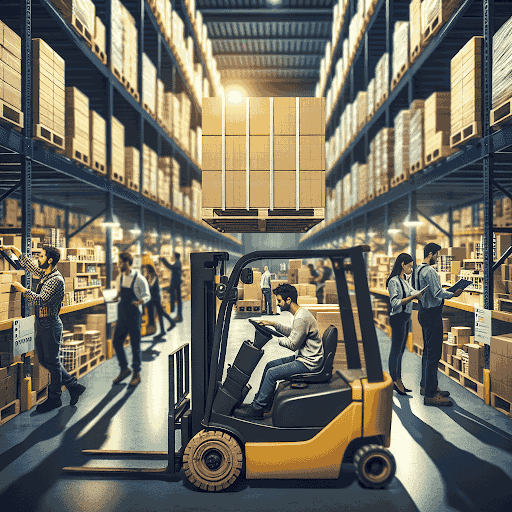
Written By : Serene Forklifts are the workhorses of the warehouse and logistics industry. They are critical in moving goods efficiently and safely from point A to B. However, the performance of these powerful machines doesn’t solely depend on their engineering; it also hinges on the suppliers who provide them. In this article, we’ll discuss how choosing the right forklift supplier can significantly enhance warehouse efficiency and productivity. The Role of Forklift Suppliers in Warehouse Operations Forklift suppliers do more than just sell forklifts; they play a crucial role in the operations of a warehouse. A reliable supplier provides a fleet of forklifts that are suited for different tasks, offers maintenance services to ensure the forklifts are always in top condition, and delivers solutions that can streamline warehouse operations. Providing a Range of Forklift Types Different warehouse operations require different types of forklifts. For instance, a counterbalance forklift may be ideal for loading and unloading goods, whereas a reach truck might be better suited for high rack storage. A supplier with a comprehensive selection of forklift types can equip warehouses with the exact machines needed for their specific requirements. Regular Maintenance and Support Regular maintenance is essential for keeping forklifts running smoothly. A forklift supplier that offers comprehensive support and maintenance services can help prevent downtime caused by mechanical failures. Scheduled servicing can also extend the life of a forklift, ensuring that warehouses get the best return on their investment. Offering Customization and Specialized Solutions Warehouses often have unique needs based on their size, the goods they handle, and their operational flow. Forklift suppliers that offer customization options can tailor their products and services to better fit these needs, leading to improved efficiency and productivity. Understanding Forklift Tires and Their Impact on Efficiency The often-overlooked aspect of forklift efficiency is the tires. Forklift tire suppliers offer various options, and the right choice can make a significant difference in how forklifts perform. The Importance of Choosing the Right Tires The right tire type can improve forklift maneuverability, reduce wear and tear on the warehouse floor, and enhance the overall safety of warehouse operations. For example, pneumatic tires are ideal for outdoor use or on uneven surfaces, while cushion tires are better for indoor use on smooth concrete floors. Tire Durability and Warehouse Floor Protection Durable tires reduce the frequency of replacements, thereby minimizing downtime. Additionally, some tires are designed to protect warehouse floors from marks and damage, which can save on floor maintenance costs in the long run. Cost-Effectiveness and Long-Term Savings Investing in high-quality forklift tires from reputable suppliers can lead to long-term savings by reducing the need for frequent replacements and associated labor costs. A forklift tire supplier who offers durable, long-lasting products can be a valuable partner in enhancing warehouse efficiency. Technological Advancements and Forklift Supplier Innovation The best forklift suppliers stay on the cutting edge of technological advancements, bringing innovative solutions that can transform warehouse operations. Integration of Smart Technologies Modern forklifts come equipped with smart technologies such as sensors and software that provide real-time data on vehicle performance, maintenance needs, and even operator behavior. This data can help warehouse managers optimize forklift usage and maintenance schedules. Automation and Autonomous Forklifts The rise of automation has led to the development of autonomous forklifts that can operate without a driver. Forklift suppliers that offer these advanced machines can help warehouses significantly reduce labor costs and enhance productivity by enabling 24/7 operations. Energy-Efficient and Eco-Friendly Options Eco-friendly and energy-efficient forklifts are becoming increasingly popular. Suppliers who provide electric or hybrid forklifts can help warehouses reduce their carbon footprint and energy costs. Training and Certification Provided by Forklift Suppliers A forklift supplier’s responsibility doesn’t end with the sale. Comprehensive training and certification programs are essential for ensuring that warehouse staff can operate forklifts safely and efficiently. Ensuring Operator Competence Well-trained forklift operators are more likely to use the machines efficiently, leading to higher productivity. Suppliers that offer extensive training ensure that operators are competent and knowledgeable about the forklifts they use. Safety and Compliance Proper training also means that operators are aware of safety protocols, reducing the risk of accidents and ensuring compliance with health and safety regulations. Continuous Learning and Skill Development Ongoing training opportunities allow forklift operators to stay up-to-date with new technologies and best practices, further enhancing warehouse efficiency over time. The Importance of Marketing and Sales Collaboration Just as in any other industry, for forklift suppliers, the collaboration between marketing and sales teams is crucial. This synergy ensures that potential customers are well-informed about the benefits of the supplier’s products and services, leading to better customer satisfaction and retention. Understanding Customer Needs A collaborative marketing and sales approach helps ensure that the supplier understands the needs of their customers. This understanding allows them to offer solutions that are truly beneficial to the warehouse’s operations. Tailored Marketing Strategies By working together, marketing and sales can create tailored strategies that highlight the features and benefits of their forklifts that resonate most with their target audience. Customer Feedback Loop An effective feedback loop between marketing, sales, and the customer can lead to continuous improvement in product offerings and customer service. Selecting the Right Forklift Supplier for Your Warehouse When choosing a forklift supplier, warehouses should consider factors such as the range of products offered, maintenance and support services, the availability of training programs, and the supplier’s reputation for innovation and quality. Assessing Product Range and Services It’s important to assess whether a supplier has the right types of forklifts for your warehouse’s needs and whether they offer the necessary support services to keep those forklifts running efficiently. Evaluating Technological Offerings Warehouses should also consider the technological offerings of a supplier, including any smart technologies or automation options that could enhance productivity. Considering Long-Term Partnership Potential Ultimately, selecting a forklift supplier should be about more than just the initial purchase; it should be about finding a long-term partner who will contribute to the warehouse’s ongoing success. Conclusion Forklift suppliers
Why Portable Toilets are Essential for Worksite Safety and Compliance
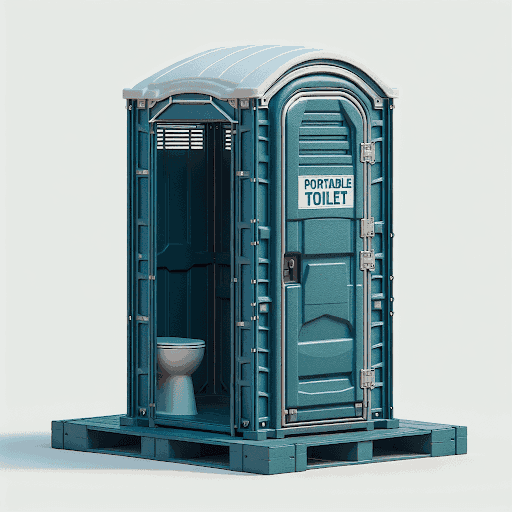
Written By : Serene Worksite safety is a multifaceted issue. It encompasses everything from protective gear to proper training. Yet, one aspect often overlooked is sanitation. Specifically, the provision of portable toilets. Portable toilets are more than just a convenience. They are a critical component of worksite safety and health regulation compliance. Without them, workers are exposed to potential health hazards. These can range from minor inconveniences to serious diseases. This article will delve into why portable toilets are essential for worksite safety. It will also explore their role in ensuring compliance with health regulations. Whether you’re a construction manager, event organizer, or health and safety officer, this article will provide valuable insights. The Critical Role of Portable Toilets in Worksite Safety Portable toilets play a pivotal role in maintaining worksite safety. They provide a sanitary place for waste disposal, preventing the spread of diseases. Without proper sanitation facilities, worksites can become breeding grounds for harmful bacteria and viruses. This can lead to outbreaks of diseases such as dysentery, hepatitis A, and even COVID-19. Portable toilets also contribute to overall workplace hygiene. They come equipped with features like hand sanitizers and flushing systems. These facilities help maintain cleanliness and prevent the spread of germs. Here are some key benefits of portable toilets for worksite safety: They prevent the spread of diseases by providing a sanitary place for waste disposal. They contribute to overall workplace hygiene with features like hand sanitizers and flushing systems. They can be strategically placed to improve efficiency and productivity. They can be customized to meet the specific needs of a worksite. They provide a solution for worksites without access to permanent restroom facilities. In essence, portable toilets are not just a convenience. They are a necessity for maintaining a safe and healthy worksite. Health Hazards and the Importance of Sanitation Facilities The lack of proper sanitation facilities at worksites can lead to serious health hazards. Workers exposed to unsanitary conditions are at risk of contracting diseases. These diseases can range from mild gastrointestinal disorders to severe infections like hepatitis A. Moreover, poor sanitation can also lead to the spread of parasites. These parasites can cause conditions such as giardiasis and cryptosporidiosis. Both conditions can lead to severe diarrhea, dehydration, and even death in extreme cases. The provision of portable toilets can significantly reduce these risks. By providing a clean and sanitary place for waste disposal, the spread of diseases and parasites can be controlled. This is particularly important in crowded worksites where the risk of disease transmission is high. In conclusion, portable toilets are not just a matter of convenience. They are a critical tool in the prevention of health hazards at worksites. Adhering to OSHA Guidelines for Sanitation on Construction Sites The Occupational Safety and Health Administration (OSHA) sets strict guidelines for sanitation facilities on construction sites. These guidelines are designed to protect workers from health hazards and ensure a safe and healthy work environment. OSHA’s sanitation standards include the following key requirements: Provision of an adequate number of toilets based on the number of employees Regular servicing and cleaning of portable toilets Ensuring toilets are well-lit and ventilated Providing handwashing facilities with soap and water Adherence to these guidelines is not just a legal requirement. It is a crucial step towards ensuring worksite safety and promoting the health and well-being of workers. Features and Maintenance: Ensuring Hygiene in Portable Toilets Portable toilets come equipped with a range of features designed to maintain hygiene standards. These include hand sanitizers, flushing systems, and waste tank indicators. Some models even offer additional amenities like mirrors and coat hooks for user convenience. Regular maintenance and servicing of portable toilets are also crucial for maintaining hygiene. This includes timely waste disposal, replenishment of toilet paper and hand sanitizers, and thorough cleaning of the unit. By ensuring these features and maintenance routines are in place, worksites can provide a sanitary and comfortable environment for their workers. This not only promotes health and safety but also boosts worker morale and productivity. The Impact of Portable Toilets on Worker Productivity and Morale The availability of clean and accessible portable toilets can significantly impact worker productivity. When workers don’t have to waste time seeking out facilities, they can focus more on their tasks. This can lead to increased efficiency and productivity on the worksite. Moreover, providing adequate sanitation facilities can also boost worker morale. It sends a clear message to the workers that their comfort and well-being are valued. This can lead to increased job satisfaction and a more positive work environment. In essence, portable toilets can contribute to a more productive and positive worksite by addressing basic human needs. Portable Toilets and Environmental Compliance Portable toilets play a significant role in environmental compliance. They often use eco-friendly chemicals to break down waste, reducing the environmental impact. This makes them a sustainable choice for worksites, particularly those in sensitive ecological areas. Moreover, portable toilets can help worksites meet environmental compliance standards. They provide a solution for waste management without the need for permanent structures, which can disrupt the natural environment. In conclusion, portable toilets not only ensure worksite safety and hygiene but also contribute to environmental sustainability. They are a practical solution that aligns with the growing emphasis on eco-friendly practices in various industries. Customization and Accessibility: Meeting the Needs of All Worksite Employees Portable toilets can be customized to meet the specific needs of a worksite. They come in various sizes and can be equipped with features like hand sanitizers, flushing systems, and waste tank indicators. This flexibility allows for a tailored approach to worksite sanitation. Inclusivity is another crucial aspect of worksite safety. Portable toilets can be designed to accommodate individuals with disabilities, ensuring compliance with the Americans with Disabilities Act (ADA). This makes them a versatile solution for diverse worksites. In essence, portable toilets offer a customizable and inclusive sanitation solution. They cater to the unique needs of each worksite, promoting safety and compliance. The Legal and Financial Implications
Why Investing in a Used Forklift for Sale in Australia is a Smart Choice
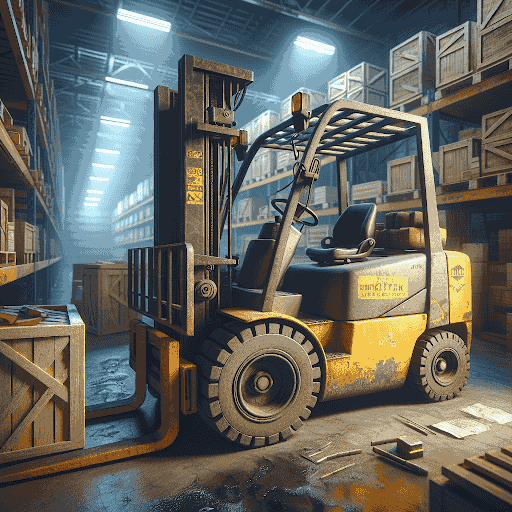
Written By: Serene When it comes to material handling and logistics, forklifts are an indispensable part of the workflow for many businesses in Australia. With various models and types available, purchasing a forklift is a significant investment that requires careful consideration. While many may lean towards buying new equipment, there are compelling reasons to consider a used forklift. In this article, we will uncover the benefits of investing in a used forklift for sale in Australia, keeping in mind the concerns about quality, cost, and overall value that come with pre-owned machinery. Understanding the Forklift Market in Australia Before diving into the benefits of used forklifts, let’s take a brief look at the forklift market in Australia. The demand for forklifts in the region is driven by a robust logistics sector, including Mandarin Imports & Exports, which requires efficient and reliable equipment to handle heavy loads and improve operational efficiency. Industries rely heavily on forklifts for the movement of goods in warehouses and docks. Why Choose a Used Forklift? Purchasing a used forklift can be a smart business decision for various reasons. Here are some of the key benefits that attract buyers to consider used machinery. Cost-Effectiveness The most apparent advantage of buying a used forklift is the cost savings. Used forklifts are significantly less expensive than their brand-new counterparts, allowing businesses to allocate their financial resources more effectively. It’s not just the initial purchase price that’s lower; the depreciation rate of a used forklift is also less steep, meaning you retain more of its value over time. Immediate Availability When you buy a new forklift, there might be a waiting period for the equipment to be delivered, especially if it’s a model that’s not readily available. With a used forklift, you can often take possession immediately, allowing your business to continue operations without any downtime. Broad Selection of Models The used forklift market often offers a wider variety of models and brands than what may be available new. This allows buyers to select the equipment that best fits their specific needs without being limited to the latest models. Proven Performance A used forklift has a track record that you can review before making a purchase. You can often find out about its performance, maintenance history, and any potential issues from the previous owner, which can help you make an informed decision. Choosing the Right Used Forklift Selecting the right used forklift is crucial to ensure it meets your business needs. Here are some tips to guide your decision-making process. Assess Your Needs Consider the type of loads you will be lifting, the height requirements, and the environment in which the forklift will be used. This will help you determine the appropriate capacity and type of forklift, whether it’s a counterbalance, reach truck, or pallet jack. Inspect the Forklift Before purchasing, thoroughly inspect the forklift. Check for any signs of damage, wear and tear, and ensure that all safety features are in working order. If possible, have a certified mechanic or an experienced operator assess the forklift’s condition. Review Maintenance Records A well-maintained forklift is likely to be more reliable and have a longer lifespan. Request maintenance records and check for regular servicing and repairs, which can give you an indication of the forklift’s overall health. Consider a Forklift Dealer Working with a reputable forklift dealer can offer additional peace of mind. Dealers typically inspect, service, and may even offer warranties on used forklifts, ensuring that you are purchasing a machine that is ready for operation. The Financial Side of Buying a Used Forklift Purchasing a used forklift can have significant financial implications for your business. Let’s explore some of the financial considerations you should keep in mind. Return on Investment (ROI) The lower initial investment of a used forklift can lead to a quicker return on investment, especially if the forklift is in good condition and requires minimal maintenance. Financing Options Many forklift dealers offer financing options for used equipment, allowing businesses to spread the cost over time. This can be particularly beneficial for small to medium-sized enterprises that need to preserve cash flow. Tax Considerations In some cases, buying a used forklift may offer tax benefits, such as deductions or depreciation. It’s important to consult with a financial advisor to understand the potential tax implications for your business. After-Sale Support and Service After purchasing a used forklift, having access to reliable after-sale support and service is crucial. Ensure that there are service providers in your area capable of maintaining the brand and model you have selected. This includes access to spare parts and technical support when needed. Success Stories: Businesses Thriving with Used Forklifts Many Australian businesses have found success by opting for used forklifts. From local growers to large-scale logistics companies, the strategic decision to invest in pre-owned equipment has translated into cost savings, increased efficiency, and a more streamlined operation. Looking for a used forklift for sale Australia? Look no further!! Conclusion Investing in a used forklift for sale in Australia can offer numerous benefits for businesses looking to optimize their operations without breaking the bank. By carefully considering your needs, inspecting potential purchases, and working with a reputable dealer, you can find a used forklift that provides the reliability and performance you require. With the right approach, a used forklift can be a valuable addition to your business’s material handling capabilities, contributing to the growth and success of your enterprise. Ready to explore our range of quality used forklifts? Get a Quote today and find the perfect solution for your business!
Scalable Warehouse Solutions: Growing Your Business with Ease

Written By : Serene In the fast-paced world of logistics, scalability is key. For businesses like Mandarin Imports & Exports, the ability to adapt and grow is crucial. Scalable warehouse solutions offer a way to meet this need. They provide the flexibility to handle fluctuating inventory levels and customer demand. But what exactly are scalable warehouse solutions? And how can they enhance warehouse efficiency? In this article, we’ll delve into these questions. We’ll explore the benefits of scalable warehouse solutions and how they can help your business grow with ease. Join us as we navigate the world of scalable warehousing, and discover how to make it work for your business. Understanding Scalable Warehouse Solutions Scalable warehouse solutions refer to strategies and technologies that allow warehouse operations to expand or contract as needed. They are designed to accommodate changes in business size, customer demand, and inventory levels. Scalability in warehousing is not just about size. It’s about flexibility and adaptability. Here are some key features of scalable warehouse solutions: They can handle varying inventory volumes, from small to large. They can adapt to changes in customer demand, whether it’s a sudden surge or a slow period. They can accommodate business growth, allowing for expansion without major disruptions. They can integrate with other business systems for seamless operations. They can leverage technology to automate processes and improve efficiency. Scalable warehouse solutions are a vital part of modern warehousing. They provide the agility needed to respond to market changes and customer needs. By understanding and implementing scalable solutions, businesses can ensure their warehouse operations are always optimized, no matter what the future holds. The Role of Technology in Scalable Warehousing Technology plays a crucial role in achieving warehouse scalability. It provides the tools and systems needed to automate processes, manage inventory, and analyze data. For instance, Warehouse Management Systems (WMS) can streamline operations, improve accuracy, and increase efficiency. Robotics and AI can also enhance scalability. They can handle repetitive tasks, reduce errors, and free up human workers for more complex duties. By leveraging technology, businesses can create a scalable warehouse that is not only efficient but also adaptable and future-proof. Benefits for Businesses Like Mandarin Imports & Exports Scalable warehouse solutions offer numerous benefits for businesses, particularly those in the import and export industry like Mandarin Imports & Exports. Firstly, scalability allows businesses to adapt to changing market demands. This flexibility can be a significant advantage in the fast-paced world of international trade. Secondly, scalable solutions can improve warehouse efficiency. By optimizing space utilization and streamlining operations, businesses can reduce costs and increase productivity. Thirdly, scalability can enhance customer satisfaction. With the ability to quickly adjust to fluctuations in demand, businesses can ensure timely delivery and maintain high service levels. Lastly, scalable warehouse solutions can provide a competitive edge. By staying agile and responsive, businesses can seize new opportunities and stay ahead of the competition. Adapting to Inventory Fluctuations and Customer Demand Scalable warehouse solutions are designed to adapt to inventory fluctuations. This is crucial in managing seasonal peaks and troughs in demand. For instance, during peak seasons, scalable solutions can accommodate increased inventory levels. This ensures businesses can meet customer demand without overstretching resources. In contrast, during slower periods, scalable solutions can downsize operations. This prevents unnecessary costs associated with maintaining excess capacity. In essence, scalable warehouse solutions provide the flexibility to adjust operations in line with customer demand. This adaptability is key to maintaining efficiency and profitability in the dynamic world of business. Enhancing Warehouse Efficiency Through Scalability Scalable warehouse solutions play a pivotal role in enhancing warehouse efficiency. They allow businesses to optimize their use of space, labor, and resources. By adjusting operations to match demand, businesses can avoid wastage. This includes unnecessary storage space, labor hours, and energy consumption. Moreover, scalable solutions often incorporate advanced technologies. These can automate routine tasks, reducing errors and improving productivity. In conclusion, scalability is not just about growth. It’s about making the most of what you have, improving efficiency, and ultimately, boosting your bottom line. Implementing a Warehouse Management System (WMS) A Warehouse Management System (WMS) is a key component of scalable warehouse solutions. It provides a centralized platform to manage inventory, orders, and warehouse operations. With a WMS, businesses can track inventory in real-time. This allows for accurate forecasting and efficient resource allocation. Moreover, a WMS can integrate with other business systems. This ensures seamless data flow, improving decision-making and operational efficiency. In conclusion, a WMS is a valuable tool for businesses seeking to implement scalable warehouse solutions. It offers control, visibility, and integration, all of which are crucial for scalability. Case Studies: Success Stories of Scalable Solutions One notable example of successful implementation of scalable warehouse solutions is Amazon. The e-commerce giant has leveraged automation and real-time inventory tracking to manage its vast warehouse network. Another success story is Mandarin Imports & Exports. By adopting a scalable warehouse solution, they were able to adapt to fluctuating demand and improve efficiency. In the retail sector, Walmart has used scalable solutions to manage its global supply chain. This has enabled the company to maintain a competitive edge in a rapidly evolving market. These case studies highlight the transformative potential of scalable warehouse solutions. They demonstrate how businesses can grow and adapt in an increasingly dynamic commercial landscape. Planning for Scalability in Your Warehouse Design When planning for scalability, it’s crucial to consider future growth. This means designing a warehouse layout that can accommodate increased inventory levels and operational demands. Incorporating modular storage systems and flexible design elements can help. These features allow for easy adjustments as your business needs evolve. Conclusion: The Future of Warehouse Scalability The future of warehousing lies in scalability. As businesses continue to grow and adapt, scalable warehouse solutions will become increasingly vital. With the right strategies and technologies, businesses can ensure their warehouse operations are ready to meet future demands. Scalability is not just a trend, but a necessity for sustainable growth. Ready to optimize your