

What to Look for When Choosing a Forklift Equipment Supplier in Australia
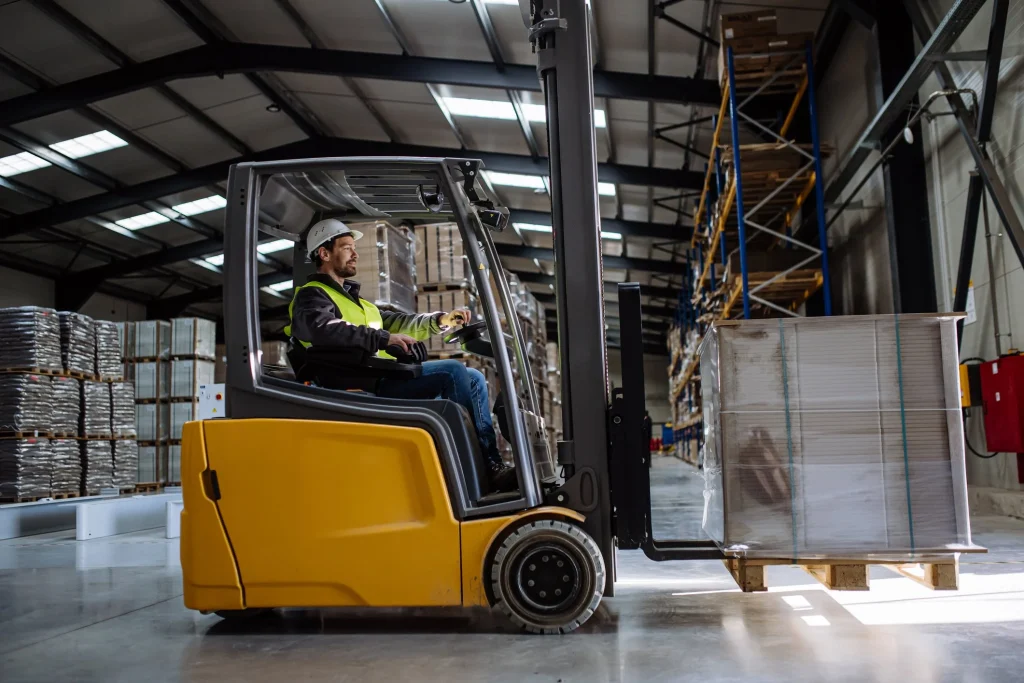
Written By : Serene Why Define Your Forklift Needs First? Before you start looking for a supplier, it’s essential to understand your specific needs. Do you require forklifts for indoor or outdoor use? Are you looking for new or used equipment? Understanding your requirements will help you find a supplier who can meet them effectively. Consider the nature of your operations, such as the weight of the materials you’ll be handling and the environment in which the forklifts will operate. This understanding will guide you in selecting equipment that enhances productivity and safety. For businesses sourcing forklifts and equipment across Australia, Mandarin Imports Exports provides tailored supply solutions backed by experience in both local and international markets. What Types of Forklifts Are Available? There are various types of forklifts available, each suited to different tasks. Some common types include: Counterbalance Forklifts: Ideal for indoor use, these are the most common type of forklift. Reach Trucks: Perfect for warehouses with high shelves. Rough Terrain Forklifts: Designed for outdoor use, particularly on uneven surfaces. Understanding the types of forklifts you need can narrow down your search for the right supplier. Why Reputation Matters in a Forklift Supplier A supplier’s reputation speaks volumes about the quality of their products and services. Look for suppliers with positive reviews and testimonials. Experience in the industry is also a good indicator of reliability. The Importance of a Wide Product Range A good supplier should offer a wide range of products. This includes various types of forklifts, accessories, and parts. A diverse product range ensures that you can find everything you need in one place. Why Equipment Quality and Maintenance Services Are Crucial Quality is a critical factor when it comes to heavy machinery like forklifts. Ensure that the supplier provides high-quality equipment that meets safety standards. Additionally, inquire about their maintenance services, as regular servicing is crucial for operational efficiency. Cost and Financing Options Cost is always a consideration. Compare prices from different suppliers to ensure you’re getting a fair deal. Also, check if the supplier offers financing options, which can be beneficial for managing cash flow. Customer Service as a Deciding Factor Excellent customer service is essential. A supplier who is responsive to your queries and provides timely assistance can make all the difference in preventing downtime and keeping operations smooth. After-Sales Support and Warranties After-sales support is a crucial aspect to consider. This includes warranty services, maintenance, and repairs. A comprehensive warranty provides peace of mind and protects your investment. Forklift Parts Availability in Australia Ensure that the supplier has a good stock of forklift parts in Australia. Easy access to parts reduces downtime and helps maintain operational continuity. Considering Imports for Forklift Equipment If you’re considering importing equipment, ensure that the supplier has experience with construction imports and understands logistics, duties, and taxes in Australia. A partner like Mandarin Imports Exports can simplify these processes. Local vs International Suppliers Deciding between local and international suppliers depends on your specific needs. Local suppliers may offer faster delivery and stronger after-sales support, while international suppliers might provide a broader range. Final Tips Before Choosing a Supplier Visit the Supplier: Observe operations firsthand. Ask for References: Speak to other customers. Negotiate Terms: Ensure pricing, warranties, and service agreements work for you. Conclusion: Making the Right Choice In conclusion, finding the right forklift equipment supplier involves thorough research and consideration of various factors. From understanding your needs to evaluating the supplier’s reputation, product range, and after-sales support, each step is crucial in making an informed decision. By prioritising quality, service, and reliability, you can ensure that your business benefits from the best equipment and support available. Investing in the right supplier partnership can be a significant asset, contributing to your company’s growth and success in the competitive Australian market. To simplify sourcing and gain access to trusted equipment supply networks, Mandarin Imports Exports offers expert solutions for Australian businesses.
Top 6 Essential Tools and Equipment Every Work Site Needs
Written By : Serene Each work place requires appropriate tools and equipment. The engine is the main body of safety and efficiency. Their absence may cause the issue of delays and extra risks to the project. Key worksite equipment is not only job accomplishment. They support safety and efficiency of tasks. This would be important to the workers and outcomes of the projects. Flexibility is given by portable site equipment. It enables the workforce to adjust with the changing conditions. This portability is critical to the dynamic workplaces. A detailed check list on the work site is necessary. It assists in avoiding the neglect of important tools. This list is an essential part of the management of the site. Safety equipment is not optionable. It safeguards the workers against possible dangers. Correct safety Lift equipment leads to injury avoidance and lives are saved. Work site power tools increase productivity. They lessen labor that is manual and enhance efficiency. This renders them priceless on a construction site. Depending on the project, construction tools are varied. They all have a designated use. Making the right ones is crucial to success. We consider the top six tools and equipment that every work site should have in this guide. Why the Right Tools Matter On-Site Use of suitable tools affects all spheres of a work site. It touches efficiency, safety, and costs of the projects. A well endowed site is efficient and effective. Having no appropriate tools may provoke large delays. Employees can experience difficulties in doing work, thus exposing them to risks of accidents. These can be avoided through efficient tools and momentum is honoured. Some important advantages of the appropriate work site tools are: Safety of the workers and fewer accidents. Greater efficiency and productivity of projects. Saving on cost due to the less waste of time and resources. Investing in essential tools is investing in project success. Properly equipping your work site will make sure that projects are being finished in time. It also guarantees a better working environment. Using correct tools can turn places of work into safe and productive centres. 1. Safety Gear: The Safety of all Employees Safety equipment is not an option in any work place. Its main application is preventing the possible dangers to workers. From head to toe, everyone should be fully equipped. Protective headwear is important to avoid injury by falling things. A basic safety equipment is the hard hats. They are made impact absorption absorbing and protective to the head. Eyewear protection is essential in protecting the eyes with debris. Serious injuries may be avoided by wearing the safety glasses or goggles. They act as a shield to dust, particles and toxic chemicals. Gloves are necessary in protecting the hands of workers. They provide protection to cuts and abrasions and chemicals. Gloves must be task specific in order to have maximum effectiveness. Proper safety equipment does not begin and end with personal safety. Reflective clothing makes a worker visible to other people. It minimises risks where it is very crowded or has low light. Safety equipment items are: Hard hats Safety glasses, safety goggles Protective gloves High-visibility clothing Steel-toed boots Having good safety equipment and investing in it helps to protect employees and reduces the risks. It inculcates the culture of on-site safety and responsibility. It is good to remember that personnel with proper equipment are self-confident and productive. Work sites are safer and more efficient when their workers put emphasis on safety gears. 2. Work Sites- Power Tools: Increasing Productivity Modern work sites cannot do without power tools. They increase productivity and limit the use of human hands. Using the appropriate power tools, jobs that used to take many hours are done in several minutes. Saws and drills are common within most of the projects. These are power tools that pierce and cut and put together. They can tremendously raise the working process and product. Grinders and sanders are important in the finishing. These implements make surfaces and edges absolutely smooth. Professionalism can be judged by a good finishing. In addition to the basics, there are specialised tools that support special project requirements. As an example, jackhammers will be required in breaking hard surfaces. Heavy construction work will not be possible without such power tools. Some of the power tools any worksite must have are: Drills and drivers Circular and saws Grinders and sanders Jackhammers Impact wrenches One can invest in quality power apparatus that increases productivity. They enable the employees to concentrate on accuracy over effort. In addition, they are a long-term project in that they minimise wear and tear. When work sites are equipped with efficient power tools, they will be efficient and safe, and they can be completed within a shorter period and satisfactorily. 3. Portable Site Equipment: Mobility at Work: Portable site equipment can bring flexibility to the workplace. Plant-moved equipment provides unsurpassed mobility. They are essential in solving changing site conditions. Portable tools allow employees to navigate between work and locations in a short period of time. Generators can be singled out in this category. Portable generators are used to supply electricity in non-developed or remote regions. They operate to make sure that power tools and lighting equipment are able to work anywhere. Mobile lighting towers are used to improve the work environment where there is no light or the night shift. These movable systems enhance clearance and enhanced security of every employee. They come in where there is no natural light. Storage solutions are a value addition to a portable setup. Mobile set of toolboxes and shelving facilitate orderliness and accessibility of equipment. Such can eliminate wastage of time in tool search. Typical transportable site gear are: Portable generators Mobile lighting towers Compact storage solutions Adaptive scaffolds Water and fuel tanks on wheeled power plants Mobile site equipment is a matter of flexibility. Operators are able to change gears quickly without losing efficiency. The amount of flexibility here can be either the project killer or
How to Choose the Right Forklift Attachments to use in work sites across Australia?
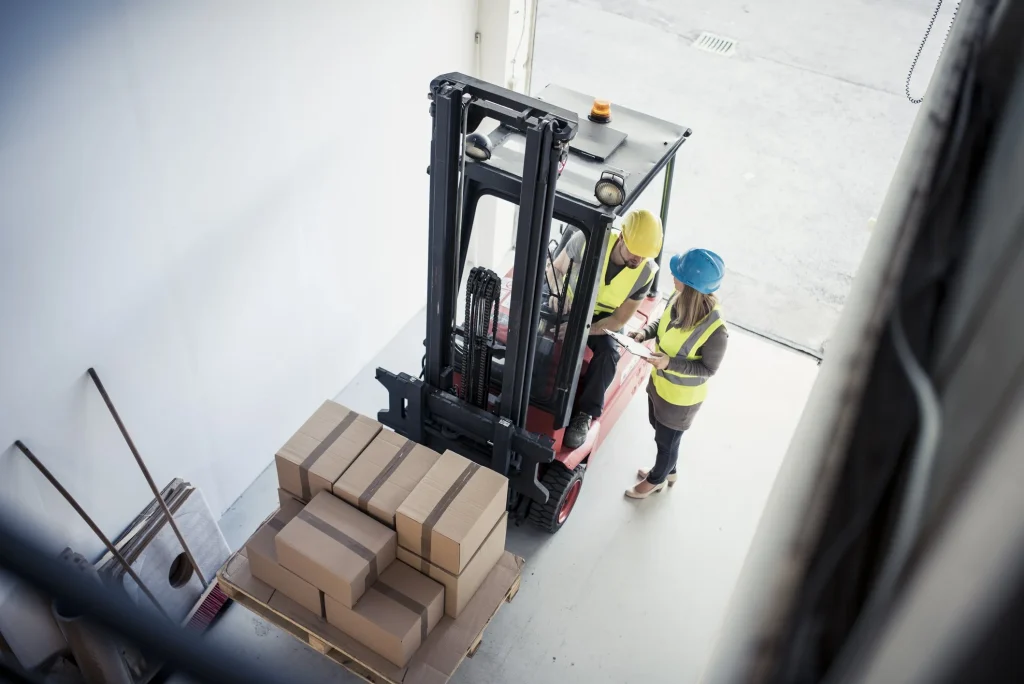
Written By : Serene In Australia, forklift attachments are very important in selecting the proper one. Efficient and safe attachment can be improved by right attachments. They will also help to minimise excess manpower, and it also enhances the accuracy of human labor. Available forklift attachments in Australia are different. They are used in different tasks including lifting, moving and handling of materials depending on each type. These choices are also important in making the right decisions. The number one priority during the selection of attachments is safety. It is necessary to ensure the compatibility with your model of the forklift. This aids in averting accidents and smooth operations. Standards and regulations in Australia should be looked into. Laws and regulations are also obeyed to ensure safe and legal job site operations. It also guards your machine outlay. High-quality attachments can save, in the long-term. They reduce time wastage and streamline work. This handbook will assist you to decide on the most appropriate attachments to suit your needs. The Knowledge of Forklift Attachments in Australia Among the tools needed on Australian job sites is the forklift attachment. They are more productive and can cope with different tasks. It is important to have an ideal usage by knowing their functions. These attachments are enormously varied to fit various operations. Whether they are pallet moving or large object handling they account for different purposes. Adequate selection results in the increase of the site performance. Attachment types that are popular in Australia are few. Firms ought to become conversant with the options available. This will help them make a choice of attachments that suit them in their work. Common Australian forklift attachments: Side Shifters: Shift the loads to the left or right without relocating the fork lift. Fork Positioners: Aggregate fork position to accommodate the different sizes of the pallets. Rotators: Swing loads to dish out their contents without any difficulty. Clamps: Hold drums or cartons: non-palletised loads. Being aware of these alternatives, the companies will be able to make an educated choice as regards their construction site. Types of Forklift Attachments that are Common at the Job Sites The right choice of forklift attachments is crucial to job site efficiency. Various problems require different answers. Common types in use in Australia are looked at more closely. Side Shifters are common. They can move the lateral loads and have precision without motions on the forklift. These are economical in time and labor saving and since they fit narrow areas, they are the best option. Fork Positioners are multi-purpose. They modify the distance of the forks, adapting to several pallet dimensions. This versatility is essential to a variety of warehousing requirements. There are rotators which are applied when there is an operation of load dumping. They are rotatable 360 degrees. They are essential to businesses which deal with bulk goods such as waste or feed. Clamps help to access a firm hold on non-palletised goods. They move boxes, appliances, etc. fewer people have to do hard work and safety increases. The following is a brief listing of such attachments: Booms and Jibs: Increased lifting distances. Carton Clamps: Carry fragile items not using pallets. Bucket Attachments: Can be used in mossing loose materials. Push/Pull Attachments: Suitable with slip sheets. It is understanding of these options that is important. Companies may then choose the attachments that improve their individual works on the job site. Efficiency and productivity is enhanced when the right tools are made available. Things to Consider When Choosing Attachments Selecting the correct forklift attachments equates to having an insight into what you need. This will make it compatible with job demands and equipment. One, the weight capacity. Attachments are to be attached according to the coordinating ability of your forklift to avoid accidents. Excessive loading may result in a crash of equipment. Second is the attachment compatibility with your version of the forklift. See that it is well adapted to the machine to operate it easily. There may be inefficiencies in mismatched attachments. The conditions in the job site are important, as well. Examine the terrains and the terrain. Unsteady (rough) or uneven surfaces can require dedicated attachments. The following is a checklist to address your decision: Weight Capability Model Compatibility The terrain Environmental Conditions Consider the usage. Certain attachments could be used in all heavy-duty routines whereas others could be of occasional purpose. It may affect the decision of renting or buying a house. Lastly, what is the reputation of the supplier? Select good suppliers in superior products and after sales. Customer service and warranties can really help the situation in the long-term especially when they are good. Security and Cooperation: Paving to Australian Standards Forklift attachments in Australia Safety takes primacy. Compliance with the Australian standards means the safety of the operators and passers-by. It also prevents the legal aspects and possible punishment. Become familiar with specific Australian Standards involved with a forklift. These will contain instructions of use, maintenance and safety of attachments. Maintaining awareness is a way of ensuring safety. Some important compliance points to consider: Make sure that attachments are rated at weight. Check that attachments are up to the regulatory requirements. Insert certified operators who are conversant with equipment only. Training and signing off of operators is essential. Accident prevention and increased productivity is achieved through training. Safe knowledge will allow updating the knowledge on safety and make sure that the operators are aware of the perspectives of hazards and regulations. Versatility: Construction Attachments, Earthmoving tools, and Hydro-mechanical breakers Forklifts can be very multi-purpose machines when the appropriate construction attachments are used. Adopting these attachments to the various tasks enhances productivity. Forklifts are therefore able to fit into different applications on working sites. By attaching construction attachments starting forklifts to implement it is possible to transform them into a multi-purpose tool. This flexibility is suitably adapted in dynamic working environments. Be it manhandling heavy loads or such as finer positioning, proper attachments count. These versatile alternatives
Replacing a Cylinder Head Gasket: What Needs to Happen for a Successful Repair
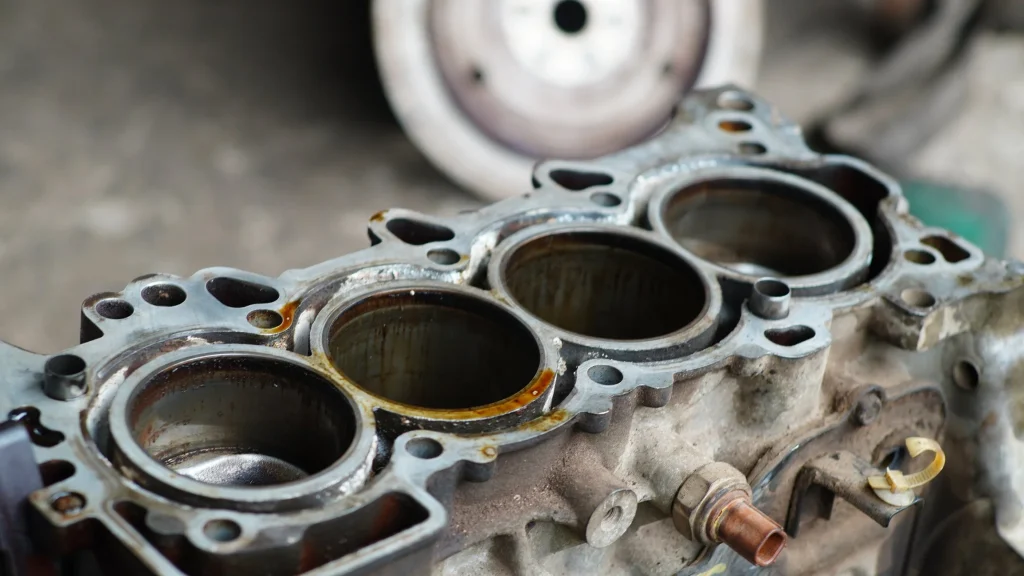
Written By : Serene Replacing a cylinder head gasket is a critical repair that restores engine sealing integrity and prevents costly downtime. Given that your engine has been experiencing any signs of mixing of fluids or loss of compression, then this guide will provide clear, easy to understand steps, diagnosis, reasons, tools, materials, and costs, as well as prevention to allow thorough repair that will last long. You will discover how to identify a blown gasket, reasons, tips on the necessary equipment, step-by-step process, compare the materials of the gasket itself, calculate the costs, and maintain the repairs of the unit so that your fleet stays on the road. Need a replacement gasket? You can order directly from Mandarin Imports & Exports, your trusted source for quality engine parts. What Are the Common Signs and Symptoms of a Blown Cylinder Head Gasket? A blown cylinder head gasket compromises the seal between the engine block and cylinder head, allowing combustion gases and coolant to mix and leading to overheating or fluid contamination. Recognising early symptoms can save significant repair time and expense. Before diving into each symptom, these five indicators often point to head gasket failure: White exhaust smoke indicating coolant entering combustion chambers Milky or frothy engine oil revealing coolant contamination Persistent engine overheating due to coolant loss or gas pockets Unexplained coolant level drops without visible leaks Engine misfires or rough idling from compression loss Each of these signs signals a breach in gasket sealing and demands prompt attention to prevent further engine damage. How Does White Smoke from the Exhaust Indicate Head Gasket Failure? Plumes of white smoke are saturated by steam being burned in a combustion chamber. Failure of the gasket seal allows coolant to leak around the mating surfaces and boil off due to high cylinder temperatures creating heavy clouds of white smoke. The early detection of this symptom prevents warping and corrosion of your head and engine block hence ensuring that its longevity is maintained. This visible exhaust steam also warns you to inspect cooling passages and head surfaces before irreversible damage occurs, guiding preventive restoration. What Does Milky or Discolored Engine Oil Reveal About Gasket Damage? Milky or caramel-coloured oil on the dipstick reflects coolant mixing with engine oil. As the gasket fails, coolant infiltrates the crankcase, creating an emulsified mixture that loses lubricating properties and accelerates bearing wear. Recognising this contamination prevents engine seizure and prompts timely gasket replacement. Monitoring oil condition at each service interval safeguards internal components and maintains oil film integrity under high loads. How Can Persistent Engine Overheating Signal a Blown Head Gasket? Continuous overheating results when combustion gases enter cooling circuits or coolant leaks internally. A failed gasket allows pressurised exhaust gases to push coolant out of the radiator or overflow tank, creating airlocks and reducing heat-transfer efficiency. Addressing overheating restores proper coolant flow and prevents cylinder head distortion. Effective temperature management through gasket repair helps maintain stable combustion and engine performance. What Other Symptoms Like Coolant Loss and Engine Misfires Should You Watch For? Unexpected coolant level drops without external leaks and cylinder misfires from uneven compression also indicate gasket failure. Coolant escaping into cylinders or oil passages depletes system volume, while compromised sealing causes cylinder pressure loss and rough running. Spotting these less obvious signs rounds out a comprehensive symptom checklist. Early detection across all five symptoms minimises repair complexity and reinforces engine reliability. What Causes Cylinder Head Gasket Failure and How Can It Be Prevented? Head gasket failure stems from excessive heat, mechanical stress, or human error during maintenance and installation. Understanding these drivers and applying preventive measures extends gasket life and preserves engine integrity. Key causes of gasket failure include: Engine overheating that weakens gasket material Poor maintenance routines leading to corrosion or debris Incorrect installation techniques causing uneven bolt preload Pre-ignition and detonation generating abnormal pressure spikes Use of low-quality fluids that compromise seal compatibility Recognising how each factor contributes to gasket degradation guides targeted protective practices. How Does Engine Overheating Lead to Head Gasket Damage? Excessive engine temperature softens gasket layers and warps mating surfaces, reducing clamping force and sealing effectiveness. Overheating also accelerates chemical breakdown of gasket materials. Preventing thermal spikes through proper cooling system maintenance maintains uniform clamp load and gasket resilience. Proactive coolant system checks and radiator cleaning keep operating temperatures within safe limits, protecting head gasket integrity. Engine Overheating and Head Gasket Failure Engine overheating is a primary cause of head gasket failure, as excessive temperatures can degrade gasket materials and warp engine components. This can lead to a loss of sealing integrity and subsequent engine damage. Proper cooling system maintenance is crucial to prevent overheating and extend the life of the head gasket. Jones, A., Automotive Engineering Magazine (2022) This research supports the article’s emphasis on the link between overheating and head gasket failure, highlighting the importance of cooling system maintenance. What Role Do Poor Maintenance and Incorrect Installation Play in Gasket Failure? Neglecting coolant flushes allows acidic deposits to erode gasket coatings, while dirt or old sealant residues on mating surfaces prevent a uniform seal. Improper bolt torque or sequence leads to uneven clamping, causing localised leaks. Following manufacturer service intervals and torque patterns ensures full contact and consistent compression across the gasket. Standardised maintenance protocols and clean surface preparation eliminate human-error risks and improve repair success rates. Importance of Proper Installation Techniques Incorrect installation techniques, such as improper bolt torque or sequence, can lead to uneven clamping forces and gasket failure. Following manufacturer specifications for torque and sequence is critical to ensure a uniform seal and prevent leaks. Proper surface preparation and the use of quality parts also contribute to a successful repair. Williams, C., Engine Repair Quarterly (2024) This citation supports the article’s emphasis on the importance of correct installation procedures for cylinder head gaskets. How Do Pre-Ignition and Detonation Affect Head Gasket Integrity? Pre-ignition and detonation create high-pressure shockwaves that stress the gasket’s sealing layers beyond design limits. These abnormal combustion events
The Ultimate Guide to Buy a Portaloo for Your Project: How to Choose, Comply, and Maintain Portable Toilets
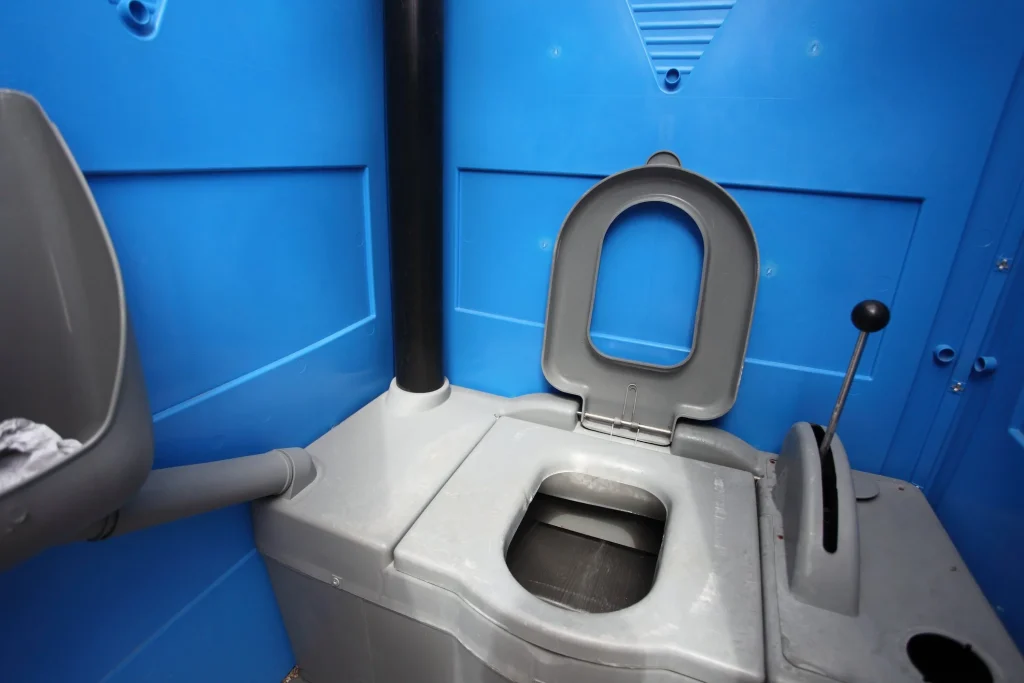
Written By : Serene Planning a construction site without proper sanitation can lead to worker dissatisfaction, regulatory fines, and unnecessary delays. This guide delivers actionable insight on how to buy portaloo units that meet safety standards, enhance site productivity, and maintain hygiene from day one. You’ll discover the types of portable toilets available, OSHA and Australian compliance rules, key purchase features, maintenance best practices, cost-benefit of buying versus renting, eco-friendly options, and strategic placement on site. By following these steps, construction managers and warehouse owners can confidently source portable toilets from Mandarin Imports & Exports to keep crews comfortable, compliant, and focused. What Are the Different Types of Portable Toilets for Construction Projects? Provision of portable toilets comes in different designs, sizes and how comfortable they are to fit in any construction situation. The appropriate type will provide workers with comfortable sanitation, minimize idle time, and favor safety measures that are applied on the sites. Mandarin Imports Exports possesses the full scope of standard formatted units suitable to standard builds, high rise undertakings, accessible needs and luxury location offices. These options lay the foundation for compliance, worker well-being, and efficiency across every project phase. What Features Define Standard Portable Toilets and Their Ideal Uses? A standard portable toilet integrates a polyethylene shell, a locking door, a holding tank, and a urinal. This basic design ensures durability and cost-effectiveness on most construction sites. Standard units fulfill OSHA guidelines for worker sanitation and support fast deployment. They are best placed near labor clusters to minimise walking time and maintain site hygiene. When Should You Choose High-Rise Portable Toilets for Multi-Story Projects? Portable toilets that are to be used and located on high-rises are designed to accommodate service elevators and rig to hoists. They can have safe crane lifts due to their steel reinforced frames and compact foot print. Use them where standard units are impossible to go to higher levels and can ensure uniform sanitation on all the floors and also minimize exertions in transport. What Benefits Do Flushable Portable Toilets Offer for Hygiene? Flushable portable toilets incorporate a manual or battery-powered flush system and a larger water tank to minimise odors and improve cleanliness. This mechanism keeps surfaces rinsed after each use, cutting bacterial buildup. Flushable units support stringent hygiene protocols on sites requiring higher health standards. What Are the OSHA and Australian Regulations for Portable Toilets on Construction Sites? Compliance with OSHA and Australian health and safety standards ensures legal operation and protects worker welfare. Regulations dictate minimum toilet ratios, accessibility features, placement intervals, and maintenance schedules. Meeting these rules reduces inspection risks and reinforces corporate credibility. How Many Portable Toilets Are Required per Worker According to OSHA and Australian Standards? OSHA recommends one toilet per 20 workers for a 40-hour work week, with increased ratios for fewer workers or shorter shifts. Australian state guidelines often mirror this ratio but may require one unit per 10 workers on high-exposure sites. Adhering to these thresholds ensures adequate facilities and prevents regulatory penalties. OSHA Regulations for Portable Toilets OSHA standards mandate specific ratios of portable toilets to workers, typically one toilet per 20 employees for a 40-hour work week. These regulations are designed to ensure adequate sanitation facilities on construction sites, promoting worker health and safety. Occupational Safety and Health Administration (OSHA), Sanitation in Construction (2024) This citation supports the article’s discussion of OSHA regulations regarding the number of portable toilets required on construction sites. What Accessibility Standards Must Portable Toilets Meet on Construction Sites? Sites must offer ADA or equivalent local facilities for every accessible work area. Portable toilets need ramp access, door clearances of at least 850 mm, and interior turning space of 1500 mm diameter. Installing compliant units demonstrates respect for all employees and aligns with anti-discrimination laws. ADA Compliance for Portable Toilets ADA-compliant portable toilets must provide wheelchair-accessible entrances, grab rails, and sufficient interior space to meet disability regulations. These features ensure equal access for all workers, aligning with anti-discrimination laws and promoting an inclusive work environment. How Do Regulations Affect Portable Toilet Placement and Maintenance? Local regulations mandate toilets be no more than 90 m from workers and clearly marked. Maintenance intervals, typically weekly servicing, are legally required to ensure sanitary conditions. Proper placement reduces cross-contamination risks, while consistent servicing upholds regulatory standards and worker confidence. What Key Features Should You Consider When Buying a Portable Toilet? Choosing a portaloo involves evaluating material strength, ventilation, capacity, and accessory options. The right combination extends unit lifespan, enhances comfort, and simplifies upkeep. Mandarin Imports Exports’ selection balances robust construction with ergonomic design to match varied site demands. How Do Durability and Materials Impact Portable Toilet Performance? Polyethylene shells resist impact, UV exposure, and chemical damage, while steel-framed bases prevent warping under heavy use. Durable materials reduce replacement costs and support long-term projects in harsh environments. Quality construction ensures units remain functional and visually presentable throughout the job. Why Are Ventilation, Lighting, and Handwashing Stations Important? Effective ventilation vents odors and moisture, maintaining air quality. Built-in LED lighting improves visibility during pre-dawn or night shifts. Integrated handwashing stations with soap dispensers promote hygiene compliance and reduce cross-infection. These features affirm a site’s commitment to worker health and safety. What Are the Typical Dimensions and Capacity Requirements for Construction Portaloos? Standard portable toilets measure approximately 1.2 m wide × 1.2 m deep × 2.3 m high with a 200 L waste tank. High-capacity or flushable models may hold up to 400 L for larger crews. Sizing impacts site logistics, so units must fit service vehicles and designated storage areas without obstructing operations. How Do Additional Accessories Improve Portable Toilet Usability? Accessories such as sanitary disposal bins, paper towel holders, coat hooks, and phone shelves enhance convenience. Urinal attachments and privacy screens further customise units to site needs. Accessory options ensure each portaloo aligns with project requirements, boosting overall user satisfaction. How Should You Maintain and Service Portable Toilets to Ensure Hygiene and Longevity? Regular servicing of portable toilets includes cleaning,
Complete Guide to ForkLift Parts: Identification, Selection, and Purchase in Australia
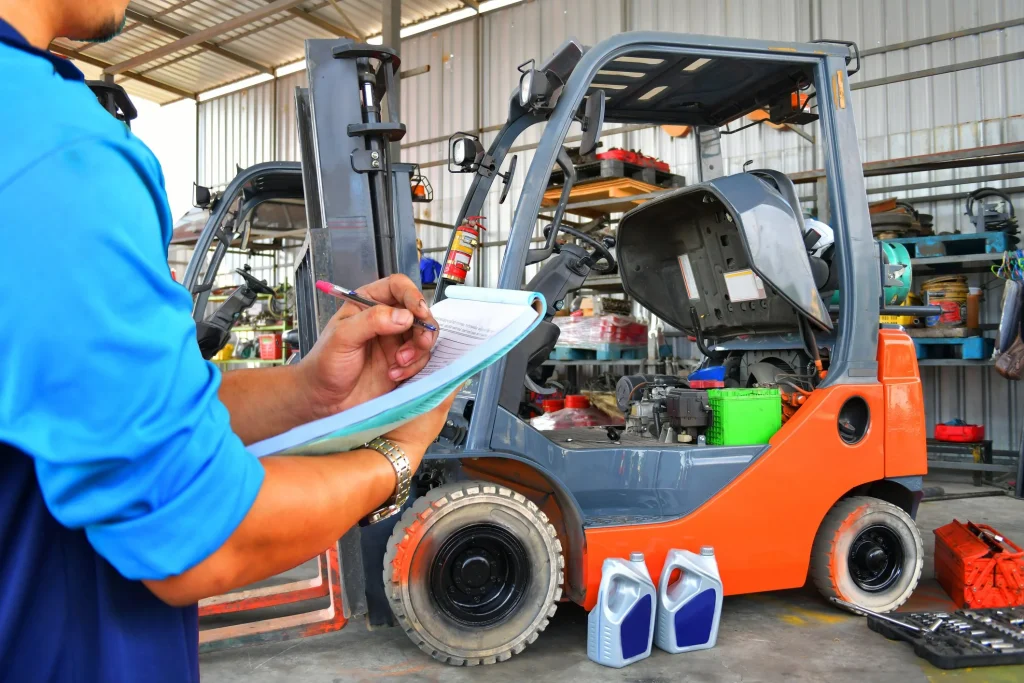
Written By : Serene A forklift part that breaks down may interrupt operations and result in a loss in thousands of dollars of used time and safety hazard; this guide explains the methods to identify, choose and purchase the appropriate forklift parts in Australia so as to reduce downtimes and prolong devices life. You will come to know of the major category of the parts and the use and functionality of the parts and the step wise methodology of selection of your make and model of the car, the suppliers that can be trusted like Mandarin Imports Exports that can assist in delivering it Australia wide, the signs of failure of the parts and the ways to maintain and care for the parts, the various types of tires they can use on various surfaces and the newest trends and fashions that we may face in this industry. This will enable you to find the quality parts, work with less downtime, and maintain your fleet in satisfactory fashion by the end of the book. What Are the Main Types of Fork Lift Parts and Their Functions? Forklift parts encompass engine, hydraulic, electrical, drivetrain/chassis, mast/carriage, and operator safety components that work together to lift, move, and secure loads with precision. Each category contains critical sub-assemblies designed for reliability under heavy duty conditions. Which Engine Parts Are Essential for Fork Lift Operation? A forklift engine relies on the engine block, pistons, crankshaft, and cylinder head to convert fuel into mechanical force, delivering power for lifting and travel. Key components include: Fuel system (injectors, filters, pumps) ensuring clean, consistent combustion Cooling system (radiator, water pump, thermostat) regulating temperature Ignition and charging (starters, alternators, spark/glow plugs) enabling reliable starts and electrical supply These parts maintain power output and prevent overheating, which leads us into the role of hydraulics for load handling. What Hydraulic Parts Keep Your Fork Lift Running Smoothly? Hydraulic systems use pressurised fluid to lift and tilt loads with precision and safety, relying on pumps, cylinders, and control valves. Hydraulic Pump: Converts mechanical power to fluid pressure for lift circuits Cylinders: Translate fluid pressure into linear motion for forks and tilt Control Valves: Direct flow to lifting, lowering, and tilting functions Hoses and Seals: Maintain leak-free operation under high pressure A well-serviced hydraulic system prevents slow lifts and leakage, guiding us to consider electrical performance next. How Do Electrical Parts Affect Fork Lift Performance? Electrical components power ignition, controls, lighting, and safety alarms that keep operators informed and machines responsive. Batteries: Provide energy for electric forklifts or auxiliary functions Motors and Controllers: Regulate speed and torque in electric models Switches and Relays: Manage power distribution and safety interlocks Lights and Horns: Ensure visibility and alert signaling in busy environments Reliable electrical parts reduce unexpected shutdowns and support consistent operation, paving the way to examine drivetrain and chassis assemblies. What Are the Key Drivetrain and Chassis Components? Drivetrain and chassis parts transfer engine or motor power to wheels and control stopping force, underpinning stability and maneuverability. Transmission and Gearbox: Modulate torque for varying speeds Axles and Wheels: Support load weight and maintain directional control Brakes and Brake Pads: Provide controlled deceleration and holding power Frame and Suspension: Absorb shocks and maintain alignment A robust drivetrain/chassis minimises wheel slip and wear, leading into the mast and carriage parts that handle the load directly. Which Mast and Carriage Parts Are Critical for Lifting? Mast and carriage assemblies form the core lifting mechanism, combining structural and moving parts for safe load handling. Forks: Carry and support palletised loads Mast Rollers and Bearings: Guide the mast and reduce friction Lift Chains: Transmit force from hydraulic cylinders to carriage Tilt and Lift Cylinders: Provide vertical and angular movement High-quality mast components ensure smooth lifting operations, after which we consider operator safety parts. What Operator and Safety Parts Ensure Fork Lift Security? Operator safety parts protect personnel from hazards and enhance ergonomic control, reducing risks during operation. Seats and Seat Belts: Offer comfort and restraint Overhead Guards: Shield from falling objects Mirrors and Cameras: Improve visibility around the forklift Alarms and Lights: Warn pedestrians and operators of movement Investing in proper safety parts promotes compliance and prevents accidents, completing our overview of core forklift part categories. How to Identify and Select the Right Fork Lift Parts for Your Brand and Model? How Do You Find Your Fork Lift Part Number and Data Plate? Locate the data plate on the chassis or near the operator’s seat to read the serial number, model code, engine type, and part numbering. This plate provides exact references for ordering components that fit your forklift’s specifications and avoids mismatches during servicing. What Are the Differences Between OEM and Aftermarket Fork Lift Parts? Choosing between genuine and aftermarket parts impacts cost, quality, and warranty coverage. OEM parts deliver predictable performance and full support, while aftermarket options can save costs but require careful quality checks to suit your operation. Which Fork Lift Brands Require Specific Parts? Major manufacturers each have unique engines, hydraulics, and chassis interfaces that demand brand-specific components, including: Toyota – 4Y and 1DZ engine rebuild kits Hyster – H80FT hydraulic pump assemblies Clark – C50 mast rollers and chains Mitsubishi – FG series brake pads and transmissions Yale – ERP electric motor controllers Ensuring brand compatibility prevents installation errors and maintains warranty integrity. How to Match Parts to Your Fork Lift Model and Usage Needs? Match parts by cross-referencing model numbers, data plate details, and intended usage: Determine load capacity and lift height requirements. Verify part numbers against manufacturer catalogs or forklift engine parts catalog. Confirm material handling environment to choose tires and seals. Consult a parts specialist for high-usage or extreme-duty applications. Accurate matching safeguards performance and extends service intervals. Where Can You Buy Quality Fork Lift Parts with Australia-Wide Delivery? Australia-wide delivery ensures your parts arrive quickly, reducing downtime and keeping operations on schedule. What Makes Mandarin Imports Exports a Trusted Fork Lift Parts Supplier? Mandarin Imports Exports combines extensive inventory of
How to Choose the Right Solid Tyres for Your Forklift?
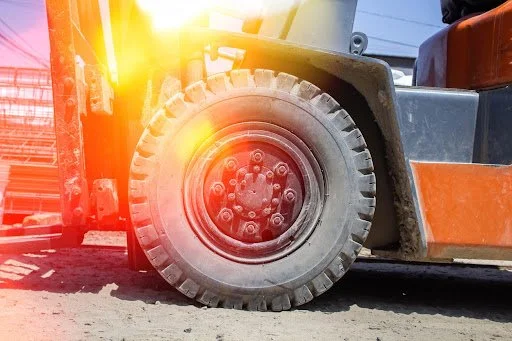
Written By : Serene The selection of the appropriate tyres to use for your forklift is important for its performance. Solid tyres are durable and they do not get punctured, therefore, they are suitable in rough terrains. They offer a greater durability than pneumatic tyres, minimising the maintenance requirement and downtime. Knowing the advantages of solid rubber tyres can assist you in making a better choice. Such tyres are more stable and have a load-bearing capacity, which is needed in heavy-duty activities. They are also cut and abrasion resistant which makes them safe and reliable. Think about the kind of surface and environment that your forklift is working on. Solid tyres are universal, they can be used both indoors and outdoors. They are of different tread patterns to suit particular applications. The choice of the tyres can improve the performance and safety of the forklifts. This guide will assist you to make the right decision among the options and make the best of them. What Are Solid Tyres for Forklifts? Forklift tyres are made out of strong rubber. These tyres are not hollow as the pneumatic ones. Rather, they are constructed to resist tough conditions without the possibility of flats. They are perfect in industrial applications where reliability is critical. These tyres are heavy load and long life tyres. They offer a solid base to forklifts, which increases safety and efficiency in their operations. Key Features: Puncture-Proof: No more downtime because of flats. Long Lifespan: Provides a cost effective solution. Maintenance-Free: Minimises the repair requirement. Multi-purpose: Can be used on different terrains and conditions. Solid rubber tyres are very good in a variety of industries. They are designed to be dependable and thus forklifts can be used in harsh conditions. Key Benefits of Solid Rubber Tyres Solid rubber tyres have many benefits in forklift operations. They are not prone to blowouts, which guarantees a continuous work process. This aspect greatly minimises the expensive downtimes in the high-traffic industrial settings. They are also made durable. Solid rubber tyres are cost effective in the long run because they have a longer life span than the pneumatic tyres. They are very strong and durable; hence, they are suitable in high-intensity applications. The main advantages are: Increased Stability: Provides improved handling and safety. High Load-Bearing Capacity: Supports heavy loads without deformation. No Air Pressure Maintenance: Makes the maintenance process easier. In addition, solid rubber tyres are flexible. They are also good on different surfaces, which improves traction and grip. It is this flexibility that makes them applicable both indoors and outdoors, no matter the terrain or the conditions. Types of Solid Forklift Tyres There are different types of solid forklift tyres to fit particular requirements. All of them are designed to suit various environmental conditions and working needs. The type should be selected to fit the application of your forklift in order to be efficient. Types of Solid Forklift Tyres: Standard Solid Tyres: Suitable to be used in factories and warehouses. Cushion Tyres: Suitable on smooth surfaces, and provide a more comfortable ride. Non-Marking Tyres: These are suitable on sensitive flooring, and are common in the food and beverage industry. These categories also have different tread patterns. These designs maximise traction and control depending on the surface. Depending on whether you work in confined spaces or open areas, the correct type will give you optimum performance of your forklift. Factors to Consider When Choosing Tyres There are a number of factors that should be taken into account when choosing tyres on forklifts. The decision affects performance as well as safety and cost-effectiveness. Knowledge of these factors guarantees optimum operations. First, look at the area in which your forklift will be working. Think of surfaces, rough or smooth, debris or chemicals. Solid tyres are flexible, although certain types are more suitable to certain environments. Check the weight capacity of your forklift to make them compatible. Tyres should be able to sustain the highest weight without jeopardising stability. Inconsistent capacity may cause inefficiency and safety risks. Tyre choice is also affected by temperature and climatic conditions. Solid tyres are good at dealing with temperature changes, although some compounds might be more effective in extreme environments. Compatibility and Cost Factors: Size Compatibility: The tyres should be compatible with the size of your forklift. Cost: You may have to pay more upfront, but think about maintenance and longevity savings. Safety and Performance Features: Tread Pattern: Select patterns that offer optimum traction to your operations. Non-Marking Variants: In case floor preservation is essential, choose non-marking variants. A critical analysis of these factors will result in improved performance of the forklifts. When you select carefully, you can improve efficiency and safety of your operations. How to Match Tyres to Your Application It is important to match the correct tyres with your application. Various activities require various tyre characteristics. It is vital to evaluate your operational requirements. In indoor applications, solid rubber tyres are good in traction and durability. They reduce the wear on delicate floors. Tyres with deeper treads can be needed in outdoor applications to provide more grip on rough surfaces. Key Considerations: Frequency of Use: Find out the number of times your forklift is used. Surface Type: Determine whether surfaces are wet, dry or oily. Load Requirements: Learn the weight your forklift is likely to handle. You will be efficient by matching the tyre selection with the working requirements. This results in the smoother and more dependable material handling procedures. Nevertheless, you need to always tailor your decision to your own needs. Forklift Tyre Buying Guide: Step-by-Step There are a number of considerations when choosing the appropriate forklift tyres. A systematic process will make you make an informed decision. Here is a basic guideline to help you: Start by examining the working conditions of your forklift. Know the kind of surfaces that your forklift will move on. Think of the effects on the traction and durability requirements of the tyre. Step-by-Step Guide: Tyre Type: Choose between solid,
Safety Tips When Operating Industrial Lift Equipment

Wriiten By : Serene The use of industrial lift equipment must be accompanied by observance of safety measures. These are strong machines that are vital in most industries. Nonetheless, they are very dangerous when not managed adequately. Safety is of utmost importance in the areas where industrial lifts are applied. Accidents may cause serious injuries or even deaths. That is why it is important to know and apply safety measures. The initial steps to safety are proper training and certification of the operators. In their absence, there are high chances of accidents. Routine inspection is also critical.Personal protective equipment (PPE) is a major part of operator protection. One must wear the appropriate equipment. Safe operations require clear communication and teamwork. All the participants have to know their roles and duties. These guidelines will help you make the working environment safer. Safety is a priority that is beneficial to all. Understanding Industrial Lift Equipment and Safety Risks Forklifts, scissor lifts and hoists are industrial lift equipment which have different purposes. To be safe, it is important to know how each of them works and what risks they may pose. The main hazards are overloading, malfunctions of equipment, and human errors. These risks are identified to avoid accidents. One of the safety practices is risk recognition. In order to manage the risks, one should consider the following: Periodic check-up of equipment Correct load capacity and distribution checks Certification and training of operators It is also important to be aware of the environmental conditions. Accidents are more likely to occur due to poor lighting or uneven surfaces. The prediction of these risks helps in safer operations. Operators can make informed decisions by fully comprehending equipment capabilities as well as possible risks. This consciousness minimises accidents and guarantees effective and safe lift operations. The application of extensive safety precautions and training reduces the risk of injury. Operator Training and Certification: The Foundation of Safety Safe operation of industrial equipment involves operator training and certification. All operators must be well versed with the functionality of equipment. The training programs must include equipment handling, emergency procedures and safety protocols. Frequent updates guarantee the acquaintance with the existing standards. The important elements of effective training are: Knowledge of operational controls and safety features Identification of dangerous situations Safe loading and unloading Performing safe loading and unloading Certification proves that an operator has attained the required skills and knowledge. It guarantees competency and minimises mistakes. Constant training enhances the capacity of an operator to adjust to new machines and problems. Comprehensive training can minimise risks, and it improves safety at the workplace. Pre-Operation Inspection and Maintenance Checks Industrial lift safety depends on careful pre-operation checks. Before using them, operators are required to make sure that all components are in a good condition. Begin with brakes, steering, and controls. Check to see any wear or damage that may influence operation. In addition, check the hydraulic systems and tyres. It is necessary to inflate tyres properly and make sure that there are no leaks to use the equipment safely and easily. The following is a brief pre-operation checklist to operators: Steering and brakes Controls and hydraulics Wheels and tyres Lighting and alarms Maintenance is also very crucial, as it prevents malfunctions and accidents. The regular checks must involve fluid levels, filters, and battery condition. Moreover, keep a close record of the inspection and maintenance activities. It makes it accountable and allows for the detection of recurring problems. Preventative maintenance and regular checks increase the equipment life and safety. Safe Work Attire and Personal Protective Equipment (PPE) Adequate personal protective equipment (PPE) is crucial to the safety of industrial equipment. Operators should be equipped with gears that are meant to guard against certain dangers. The most important ones are the hard hats, gloves, safety glasses, and high-visibility vests. These are used to avoid injuries caused by falling objects, debris and collisions. Moreover, protective clothing minimises the chances of injuries. Clothing must be tight fitting and not too loose so as not to get caught up in machinery. Boots with steel toes are sturdy and offer good protection of the feet. Recommended PPE: Hard hats for head protection Safety glasses for eye protection High-visibility vests for visibility Steel-toed boots for foot safety The focus on PPE and appropriate clothing will decrease the chances of accidents and provide a safer working place to everyone. Safe Loading, Unloading, and Weight Management Lift safety rules are also essential in ensuring that loading and unloading is done properly. The operators must always ensure that the weight is not beyond the capacity of the lift. The overloading may cause hazardous situations such as tipping or loss of control. Weight management is effective when one knows how to distribute weight. Stability problems may be caused by uneven loads. Balance weight to provide safety in operations and increase safety. Keep sightlines during loading and unloading. The operators must always see their way out clearly to prevent accidents. When visibility is hindered, it is necessary to use spotters or mirrors. Safe Loading and Unloading: Before lifting, check weight of the load Balance load to avoid tipping over Make sure the way is clear then proceed Take extra assistance when visibility is bad Observing these practices, the operators will be able to handle loads in a safe manner, minimising the possibility of accidents and providing effective operation of the lift equipment. Best Practices for Operating Industrial Lift Equipment The use of industrial lift equipment has its best practices that should be observed. It is always advisable to begin by going through the operation manual of the equipment. Before use, it is important to understand the guidelines of the manufacturer. Check to see that all controls are in good working order before starting. Failures of the control may result in serious accidents. In case of any problem, report it and do not use the equipment until it is solved. It is important to go at a slow and steady pace. The
Forklift Attachments vs Custom Solutions: What’s Best for You?
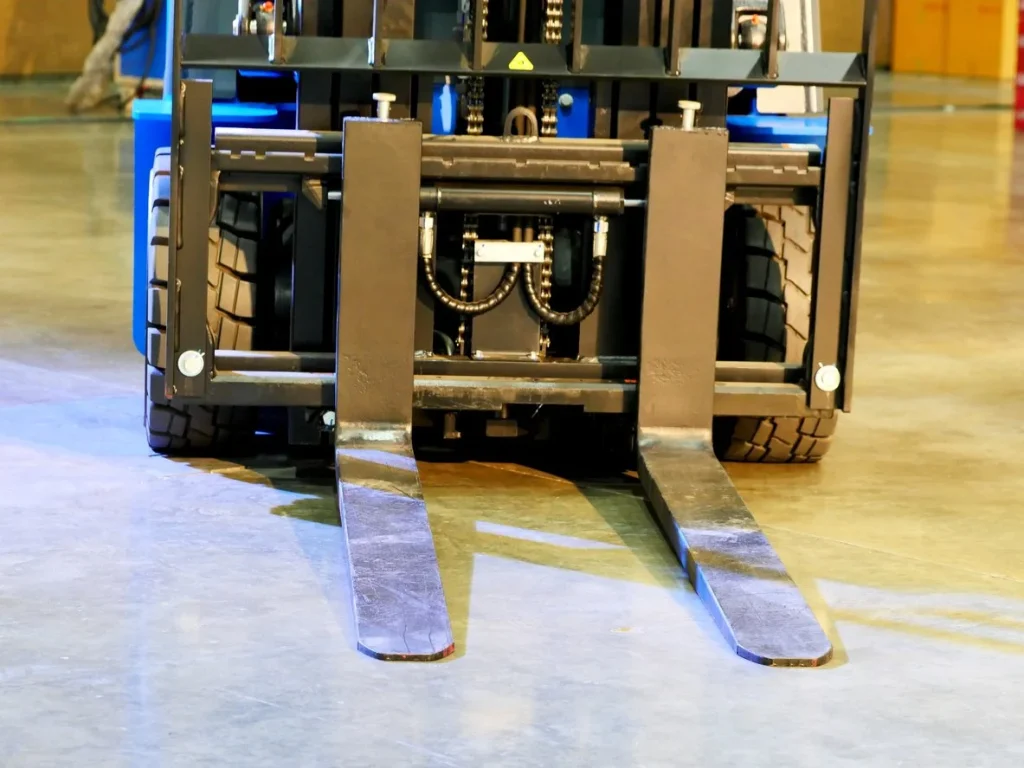
Explore the pros and cons of standard forklift attachments vs custom solutions.
How a Trusted Forklift Supplier Can Improve Your Warehouse Efficiency
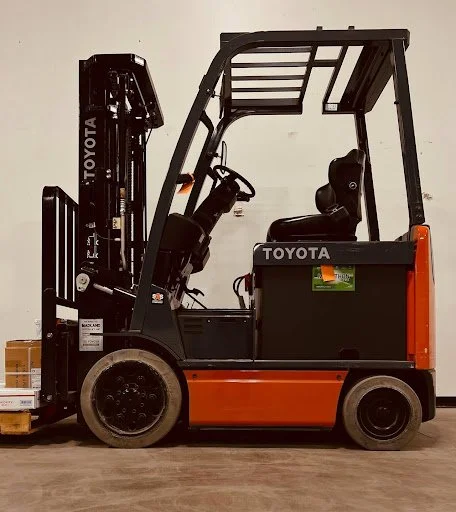
Learn key factors to consider when choosing a forklift supplier, from pricing and support to reliability and service quality. Make an informed decision.