

How to Evaluate Forklift Suppliers Effectively
Written By : Serene Evaluating forklift suppliers effectively is crucial for businesses that rely on material handling equipment for their operations. Whether you’re looking to purchase, rent, or source parts for forklifts, choosing the right supplier can significantly impact your productivity and bottom line. This guide will walk you through the essential factors to consider when evaluating forklift suppliers, ensuring you make informed decisions that support your business needs. Understanding Your Forklift Needs Before diving into supplier evaluations, it’s essential to have a clear understanding of your specific forklift needs. Consider the following: Types of Forklifts Required Determine the types of forklifts that best suit your operations. Options include electric, diesel, and gas-powered forklifts, each with distinct advantages and disadvantages. Electric forklifts are ideal for indoor use and are environmentally friendly, while diesel and gas forklifts are suited for outdoor tasks. Operational Requirements Assess your operational needs, such as the weight capacity, lift height, and any specialised functions like side loaders or articulated forklifts. This information will help narrow down suppliers that offer the specific models you require. Budget Considerations Establish a budget for your forklift needs, including purchase, rental, and maintenance costs. This will guide your supplier selection process and prevent overspending. Key Factors in Evaluating Suppliers Once you have a clear understanding of your requirements, it’s time to evaluate potential suppliers. Here are the critical factors to consider: Reputation and Experience A supplier’s reputation and experience in the forklift industry are crucial indicators of their reliability and quality of service. Industry Standing Research the supplier’s standing in the industry by looking for reviews, testimonials, and case studies. A supplier with a solid reputation is likely to deliver high-quality products and services. Experience and Expertise Consider how long the supplier has been in business and their expertise in the forklift sector. Experienced suppliers are typically more adept at handling complex requirements and providing valuable insights. Product Range and Quality A comprehensive product range and high-quality forklifts are essential for meeting your diverse operational needs. Brand Partnerships Check if the supplier partners with reputable forklift brands. Strong partnerships indicate access to genuine, reliable products. Quality Assurance Inquire about the supplier’s quality assurance processes. Reliable suppliers should have stringent checks in place to ensure their products meet industry standards. Forklift Parts and Maintenance Services Ensuring access to forklift parts and maintenance services is crucial for minimising downtime and keeping operations running smoothly. Availability of Parts Confirm that the supplier offers a wide range of forklift parts to support maintenance and repairs. Quick access to parts reduces downtime and enhances productivity. Maintenance Support Assess the supplier’s maintenance services, including preventive maintenance programs and emergency repair support. Reliable maintenance services ensure your forklifts remain in optimal condition. Flexible Hiring Options If you’re considering forklift hire, evaluate the supplier’s rental options and terms. Rental Fleet Examine the supplier’s rental fleet to ensure they offer a variety of models that suit your needs. A diverse fleet indicates the supplier’s ability to meet different operational requirements. Rental Terms Review the rental terms, including pricing, duration, and flexibility. Favorable rental terms can provide cost-effective solutions for short-term or seasonal needs. Evaluating Supplier Support and Customer Service Strong support and customer service are vital for fostering a positive relationship with your supplier. Responsiveness and Communication Evaluate the supplier’s responsiveness and communication during your initial interactions. Prompt, clear communication is a positive sign of their commitment to customer service. Technical Support and Training Inquire about the supplier’s technical support and training offerings. Comprehensive training programs and technical support can enhance your team’s efficiency and safety in operating forklifts. Making the Final Decision After thoroughly evaluating potential suppliers, it’s time to make your decision. Consider the following steps: Compare Suppliers Create a comparison chart of the suppliers based on the factors discussed. This visual aid will help you weigh the pros and cons of each supplier. Seek Recommendations Reach out to industry peers or colleagues for recommendations. Their experiences can provide valuable insights into the suppliers you’re considering. Arrange Site Visits If possible, arrange site visits to the supplier’s facilities. Observing their operations firsthand can provide a better sense of their capabilities and commitment to quality. Conclusion Choosing the right forklift supplier is a critical decision that can impact your business’s efficiency and success. By understanding your needs and evaluating suppliers based on reputation, product range, service offerings, and customer support, you can select a supplier that aligns with your operational goals. Investing time in this evaluation process ensures you partner with a supplier that enhances your material handling capabilities and contributes to your business’s growth.
Benefits of Worksite Equipment Hire Services
Written By : Serene In the fast-paced world of construction and large-scale projects, having the right tools can make all the difference. However, acquiring and maintaining a full range of equipment is not always feasible or cost-effective. This is where worksite equipment hire services come into play, offering a flexible and efficient solution. Let’s explore the numerous benefits of opting for equipment rental over purchasing outright. Cost-Effectiveness One of the most compelling reasons to consider hiring equipment is the significant cost savings. Purchasing construction equipment involves a substantial upfront investment, which can strain the financial resources of any project, especially for smaller companies or startups. On the other hand, renting equipment allows you to pay only for what you need, when you need it. This approach not only minimises upfront costs but also aids in effective budget management. No Maintenance Worries Owning construction equipment means you are responsible for its maintenance and repair, which can be both time-consuming and expensive. Equipment hire services typically include maintenance as part of their package, ensuring that all machinery is in top working condition when it arrives at your site. This means fewer headaches for you and more time to focus on the core aspects of your project. Access to Latest Technology The construction industry is continually evolving with new technology and machinery that can enhance productivity and efficiency. By opting for equipment hire, you can access the latest models and state-of-the-art technology without the heavy investment. Rental companies regularly update their inventory, which means you have the opportunity to use cutting-edge equipment that could give your project a competitive edge. Flexibility and Scalability Every construction project is unique, and so are its equipment needs. Equipment hire services offer the flexibility to scale up or down based on the demands of your project. Whether you need additional machinery during peak periods or less during slowdowns, renting allows you to adjust easily without the burden of owning idle equipment. Reduced Storage and Transportation Costs Owning heavy machinery not only requires a significant upfront investment but also comes with the need for storage solutions. Finding adequate and secure storage for large equipment can be costly and logistically challenging. Equipment hire eliminates this issue, as the rental company is responsible for delivering and picking up the equipment when needed, saving you both storage and transportation costs. Improved Cash Flow Management With the unpredictable nature of the construction industry, maintaining a steady cash flow is crucial. Equipment rental services help improve cash flow management by freeing up capital that would otherwise be tied up in equipment purchases. This flexibility allows you to allocate resources to other critical areas of your project, such as labour or materials. Environmental Benefits Using rental services can also have positive environmental impacts. By sharing equipment, you contribute to reducing the number of machines manufactured and, consequently, the resources consumed in their production. Additionally, rental companies often invest in more energy-efficient and environmentally-friendly equipment, which can help reduce your project’s carbon footprint. Mitigating Risk Investing in construction equipment carries inherent risks, such as market volatility, technology changes, or project delays, which can impact your bottom line. Renting equipment mitigates these risks by allowing you to adapt quickly to changing circumstances without being tied down by long-term commitments. Access to Expertise Rental companies specialise in construction equipment and often provide valuable expertise and support. Their knowledgeable staff can assist you in selecting the right equipment for your project, ensuring that you have the best tools for the job. Some rental services also offer training for your team, enhancing safety and operational efficiency on the worksite. Test Before You Invest Renting equipment also offers the advantage of trying out different models and brands before committing to a purchase. This “try before you buy” approach allows you to evaluate equipment performance and suitability for your specific needs, ensuring that any future purchase is a well-informed decision. Conclusion Worksite equipment hire services present a multitude of benefits, from cost savings and flexibility to access to the latest technology and expert support. By choosing to rent rather than buy, you can streamline your operations, enhance project efficiency, and ultimately, improve your bottom line. Whether you’re a small contractor or managing a large-scale construction project, equipment rental is a smart, strategic choice that offers significant advantages in today’s competitive market. In conclusion, leveraging the benefits of equipment rental can lead to more successful project outcomes, allowing you to focus on delivering quality work without the financial and logistical burdens of equipment ownership.
Essential Forklift Accessories to Improve Safety and Efficiency
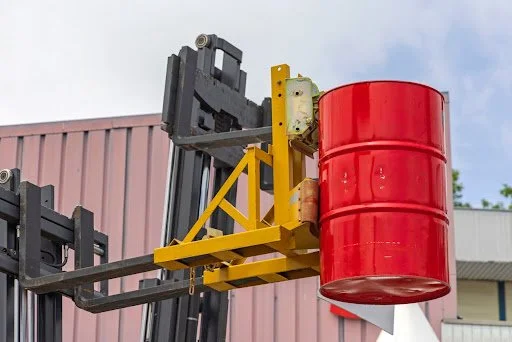
Written By : Serene In the bustling world of warehouses and logistics, forklifts are a cornerstone of operations. These powerful machines lift, move, and organise heavy loads, making them indispensable. However, to maximise their utility and ensure safety, certain accessories and attachments are essential. This article will explore the most critical forklift accessories that enhance both safety and efficiency. Understanding the Importance of Accessories for Forklifts Accessories are more than just add-ons. They transform a standard forklift into a versatile tool capable of handling a variety of tasks. With the right attachments, you can improve load management, enhance safety protocols, and streamline operations. Enhancing Load Management One of the primary roles of accessories is to improve how loads are managed. Without the proper tools, handling certain materials can be cumbersome or unsafe. Accessories such as extensions and clamps allow for better grip and secure lifting, reducing the risk of accidents. Promoting Safety Safety is paramount in any warehouse setting. Forklift accidents can lead to severe injuries, costly repairs, and downtime. By equipping forklifts with the appropriate safety accessories, such as lights and alarms, you can significantly reduce the risk of accidents. Top Accessories for Safety and Efficiency Here’s a detailed look at some of the must-have accessories that can elevate the performance and safety of your operations. Forklift Fork Extensions Fork extensions are a simple yet effective way to increase the reach and capacity of your forklift. They allow operators to handle larger or awkwardly shaped loads without compromising safety. It’s crucial, however, to ensure that extensions are used within their load rating to prevent tipping. Safety Lights and Alarms Equipping forklifts with safety lights and alarms is essential for alerting pedestrians and other operators of a moving forklift. Blue spotlights, strobes, and backup alarms enhance visibility and awareness, significantly reducing the likelihood of accidents. Load Backrest Extensions A load backrest extension is vital for preventing loads from falling backward onto the operator. It provides an additional barrier, especially when handling tall or unstable loads, ensuring both the operator and the cargo are protected. Forklift Mirrors Mirrors are an often-overlooked accessory that greatly enhance visibility. They help operators see around corners and monitor their surroundings, which is particularly useful in busy environments where other vehicles and pedestrians are present. Specialised Forklift Attachments for Diverse Operations Beyond the standard accessories, several specialised attachments can tailor your forklift to specific tasks, making it a more versatile tool. Carpet Poles For businesses dealing with rolls of carpet or other similar materials, carpet poles are indispensable. These long, cylindrical attachments allow for easy transport of rolled goods without damaging the material. Drum Handlers Handling drums can be tricky due to their shape and weight. Drum handlers attach to the forklift, allowing operators to lift, transport, and tilt drums with ease. This reduces the risk of spills and injuries, improving overall efficiency. Bale Clamps Bale clamps are perfect for industries that deal with baled materials, such as cotton, textiles, or waste. These clamps allow forklifts to handle these bulky loads without the need for pallets, increasing handling efficiency and reducing pallet costs. Investing in Quality Forklift Equipment When selecting accessories and attachments, investing in quality equipment is crucial. High-quality accessories not only perform better but also last longer, providing greater value over time. Considerations for Choosing Accessories Before purchasing accessories, consider the specific needs of your operations. Evaluate the types of loads you handle most frequently and any recurring challenges your team faces. This will help you choose the most effective tools to enhance your forklift operations. Training and Maintenance Proper training is essential for operators to make the most of the available accessories safely. Additionally, regular maintenance of both the forklift and its attachments ensures longevity and optimal performance. Conclusion Accessories for Forklifts play a pivotal role in enhancing the safety and efficiency of warehouse operations. By investing in the right equipment, you can not only boost productivity but also create a safer working environment. Whether you’re dealing with pallets, drums, or bales, there’s an accessory designed to make your job easier and safer. Incorporate these essential accessories into your operations to experience the benefits firsthand. Not only will you enhance your forklift’s capabilities, but you’ll also improve safety standards, ultimately driving better results for your business. By understanding and leveraging these tools, you can transform your forklift fleet into a versatile, efficient, and safe powerhouse capable of meeting the demands of modern logistics.
Portable vs. Fixed Forklift Container Ramps: Which One Is Right for You?
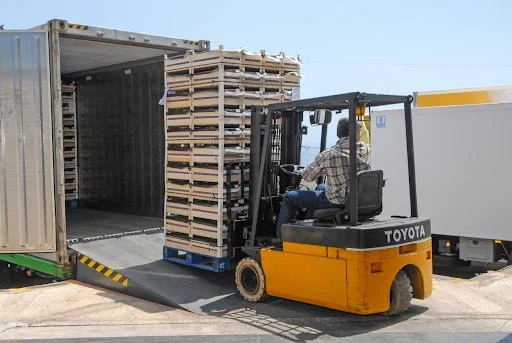
Written By : Serene When it comes to loading and unloading goods from shipping containers, the right type of ramp can make all the difference. Forklift container ramps are essential tools in warehouses and shipping yards, enabling forklifts to move heavy loads smoothly and safely. But with so many options on the market, how do you decide between portable and fixed ramps? In this article, we will break down the key differences and help you determine which type of ramp is best suited to your needs. Understanding Container Ramps Container ramps are designed to bridge the gap between the ground and the container, allowing forklifts to enter and exit easily. They need to be sturdy enough to support the weight of both the forklift and the load it carries, and they must also provide a safe surface for operation. Types of Container Ramps There are two primary types of forklift ramps: portable and fixed. Each type has its own set of advantages and considerations that must be weighed before making a purchase. Portable Ramps Portable ramps are exactly what they sound like—ramps that can be moved from one location to another as needed. They are typically made from lightweight materials such as aluminum, making them easy to transport and set up. Advantages of Portable Ramps Flexibility: One of the biggest advantages of portable ramps is their flexibility. They can be used in multiple locations, which is ideal for businesses that have varying needs or that operate in different locations. Ease of Storage: Because they are lightweight and often foldable, portable ramps are easy to store when not in use. This can be a major benefit for businesses with limited space. Cost-Effective: Generally, portable ramps tend to be less expensive than their fixed counterparts. This makes them a great option for businesses on a budget. Considerations for Portable Ramps Durability: While portable ramps are designed to be strong, they may not be as durable as fixed ramps, especially under constant heavy use. Stability: Portable ramps may not offer the same level of stability as fixed ramps, which can be a concern when handling particularly heavy or awkward loads. Fixed Ramps Fixed ramps are permanently installed at a specific location. They are usually made from more robust materials such as steel, providing a more durable solution. Advantages of Fixed Ramps Durability: Fixed ramps are generally more durable and can withstand heavier loads over a longer period of time. They are ideal for high-traffic areas where they will be used frequently. Stability: Because they are permanently installed, fixed ramps offer greater stability. This can result in safer operation, particularly for less experienced forklift operators. Low Maintenance: Fixed ramps require less maintenance than portable ramps, as they are built to withstand the elements and constant use. Considerations for Fixed Ramps Lack of Flexibility: Once installed, fixed ramps cannot be moved. This can be a disadvantage for businesses that require flexibility or that may change locations. Space Requirements: Fixed ramps require a permanent space, which can be a limitation for businesses with limited area. Higher Initial Cost: The initial investment for a fixed ramp is generally higher than for a portable one. However, the long-term durability can justify this cost over time. Which Ramp Is Right for You? Choosing between portable and fixed ramps depends on your specific needs and circumstances. Here are a few questions to consider: Do You Need Flexibility? If your operations require you to frequently move your ramp to different locations, a portable ramp is likely the better choice. However, if your operations are centralised in one location, a fixed ramp may be more suitable. What Is Your Budget? Cost can be a major factor in deciding which ramp to choose. Portable ramps tend to be less expensive upfront, but fixed ramps offer long-term durability that can be more cost-effective over time. How Much Space Do You Have? Consider the space you have available for a ramp. If space is at a premium, a portable ramp that can be stored away when not in use might be ideal. However, if you have ample space, a fixed ramp can offer a more robust and stable solution. How Frequently Will the Ramp Be Used? For high-traffic areas where the ramp will be used frequently, a fixed ramp is likely the better choice due to its durability and stability. For less frequent use, a portable ramp may suffice. Conclusion Both portable and fixed ramps have their own unique benefits and challenges. By considering your specific needs, budget, and operational requirements, you can select the right ramp to enhance safety and efficiency in your loading and unloading processes. Whether you choose a portable or fixed option, investing in the right ramp will ensure smoother and safer operations for your business.
Signs It’s Time to Replace Your Forklift Tyres
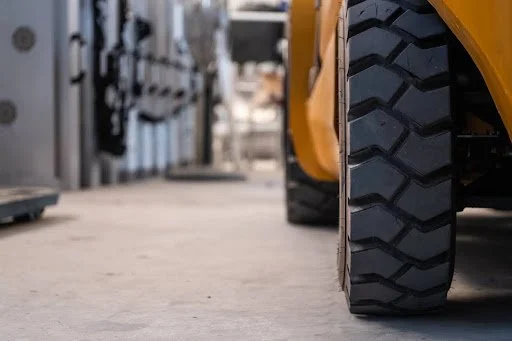
Written By : Serene When it comes to maintaining your forklift, one of the most critical components to keep an eye on is the tyres. Forklift tyres are essential for ensuring safety, efficiency, and performance in your warehouse or workplace. If you’re unsure when to replace them, this guide will walk you through the key signs and provide a straightforward tyre inspection checklist to help you make an informed decision. Why Tyres Matter Tyres are not just about getting your vehicle from point A to B. They play a crucial role in load stability, traction, and the overall safety of your operations. Worn-out or damaged tyres can lead to accidents, increased fuel consumption, and costly repairs. Thus, recognising the signs of wear and knowing when to replace the tyres is vital for maintaining a safe and efficient working environment. Understanding Tyre Wear Indicators Before diving into the signs that indicate the need for replacement, it’s essential to understand the various tyre wear indicators. These indicators can help you assess the condition of your tyres quickly. Tread Wear The tread on your tyres provides the necessary grip on surfaces. Over time, the tread will naturally wear down, reducing traction and increasing the risk of slippage. The depth of the tread is a reliable wear indicator. If the tread depth is below the manufacturer’s recommended level, it’s time for a replacement. Chunking and Splitting Chunking refers to pieces of the tyre tread breaking away from the body of the tyre. This can happen due to heavy loads, sharp objects, or improper tyre maintenance. Splitting, on the other hand, involves cracks developing in the tyre, which can lead to blowouts. Both of these are critical signs that your tyres need replacing. Flat Spots Flat spots occur when a forklift is parked without movement for an extended period, causing the tyres to develop uneven wear. These spots can affect the balance and handling of the forklift, necessitating a tyre replacement. Key Signs It’s Time for Forklift Tyre Replacement Now that you know what tyre wear indicators to look for, let’s explore the key signs that indicate it’s time to replace your tyres. Excessive Vibration If your forklift operator reports unusual vibrations during operation, it might be due to worn or damaged tyres. Excessive vibration can lead to operator fatigue and damage to the forklift itself. Inspect the tyres for wear and consider a replacement if necessary. Reduced Traction Slipping and sliding on warehouse floors are clear indicators that your tyres are losing their grip. Reduced traction not only affects safety but also impacts the efficiency of your operations. Check the tread depth and replace the tyres if they’re worn out. Visible Damage Inspect your tyres regularly for any visible damage, such as cuts, punctures, or embedded objects. While minor damage can sometimes be repaired, significant issues often require a full tyre replacement to ensure safety. Uneven Wear Patterns Uneven wear patterns can result from improper alignment, overloading, or underinflated tyres. If you notice that your tyres are wearing unevenly, it’s crucial to address the underlying issue and replace the tyres if needed. Tyre Inspection Checklist To make the tyre inspection process more manageable, here’s a simple checklist to follow: Check Tread Depth: Use a tread depth gauge to measure the remaining tread. Replace tyres with insufficient tread depth. Inspect for Chunking and Splitting: Look for missing chunks or cracks in the tyre surface. Examine for Flat Spots: Rotate the tyres and check for any flat areas. Look for Visible Damage: Scan the tyres for cuts, punctures, and embedded objects. Assess Wear Patterns: Identify any uneven wear and address potential alignment issues. Benefits of Timely Tyre Replacement Replacing your tyres at the right time offers several benefits that enhance safety and efficiency in your operations. Improved Safety New tyres provide better traction and stability, reducing the risk of accidents and injuries in the workplace. By maintaining optimal tyre conditions, you ensure a safer environment for your team. Enhanced Performance Fresh tyres improve the handling and maneuverability of your forklift, allowing operators to work more efficiently. This can lead to increased productivity and reduced downtime. Cost Savings While replacing tyres incurs an upfront cost, it can save you money in the long run. Well-maintained tyres reduce the likelihood of accidents and damage to the forklift, minimising repair expenses and boosting operational efficiency. Conclusion Regularly inspecting and replacing your tyres is a crucial part of maintaining a safe and efficient workplace. By understanding the signs of wear and using a tyre inspection checklist, you can ensure that your forklift operates smoothly and safely. Don’t wait for an accident to happen—take proactive steps to replace the tyres for your forklift when needed and enjoy the benefits of improved performance and safety. Remember, keeping your tyres in top condition is not just about protecting your equipment; it’s about safeguarding your people and your business.
The Benefits of Buying from a Local Forklift Supplier
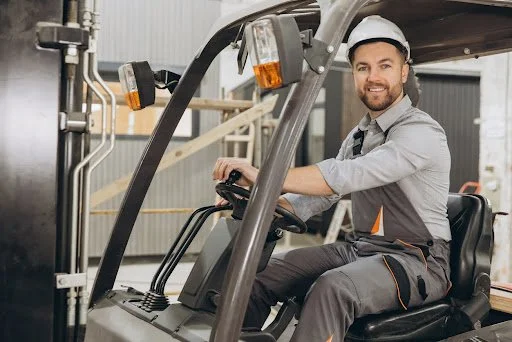
Written By : Serene When you’re in the market for forklifts, you might find yourself faced with a plethora of options, from large national chains to smaller, local suppliers. While it might be tempting to go with a big name, buying from a local forklift supplier offers several unique benefits that can make a significant difference to your business operations. Let’s explore why a local supplier might be the best choice for your forklift needs. Personalised Service Local suppliers tend to offer a level of personalised service that you may not find with larger chains. They often pride themselves on building strong relationships with their customers, understanding their specific needs, and providing tailored solutions. When you work with a local supplier, you’re more than just a number. You’re a valued customer whose satisfaction is a top priority. Understanding Your Business Needs Local suppliers are usually more familiar with the specific needs and challenges of businesses in their area. They can offer insights and recommendations that are relevant to your local market conditions. This understanding can help you make more informed decisions about the types of forklifts and services that will best support your operations. Faster Response Times One of the standout advantages of working with a local supplier is the speed at which they can respond to your needs. Whether you need immediate forklift repairs, parts, or maintenance, a local supplier can typically provide faster service than a distant one. Quick Delivery and Repairs Local suppliers can deliver equipment and parts much more quickly, reducing downtime and keeping your operations running smoothly. If a forklift breaks down, having a local supplier means you can get it repaired faster, minimising disruptions to your workflow. Cost-Effective Solutions Working with a local supplier can also be more cost-effective. Local suppliers often have lower overhead costs compared to national chains, which can translate into savings for you. Additionally, they may offer more flexible pricing and financing options tailored to the local market. Competitive Pricing Local suppliers are in tune with the competitive landscape of your area and may offer competitive pricing to win your business. They understand that offering good value is key to maintaining their reputation and customer base. Supporting the Local Economy Buying from a local supplier means you’re supporting the local economy. Your investment helps sustain local jobs and contributes to the financial well-being of your community. This support can have a ripple effect, fostering economic growth and stability in your area. Building Community Connections Local businesses often collaborate with other local companies, creating a network of support that benefits everyone involved. By choosing a local supplier, you’re contributing to this community ecosystem and helping to build a stronger, more connected local economy. Access to Local Expertise Local suppliers often have deep expertise and knowledge of the forklift industry, particularly as it pertains to your area. This expertise allows them to provide valuable advice and guidance, helping you make the best choices for your business. Specialised Knowledge They understand the nuances of the local market and can offer insights into the most suitable forklifts, parts, and services for your specific needs. This specialised knowledge can be invaluable when making purchasing decisions. Customised Solutions Local suppliers are often more flexible in their offerings, allowing for customised solutions that fit your unique requirements. They can work with you to tailor their services and products, ensuring that you get exactly what you need. Tailored Maintenance Plans For instance, a local supplier might offer customised maintenance plans that align with your operational schedule, ensuring that your forklifts are always in top working condition without disrupting your business activities. Building Long-Term Relationships When you buy from a local supplier, you’re more likely to establish a long-term relationship. This continuity means you can rely on their consistent quality and service over time, which can lead to better deals, priority service, and a more seamless business operation. Trust and Reliability Local suppliers often go the extra mile to build trust and prove their reliability. They know that word-of-mouth and customer satisfaction are crucial to their success, so they strive to exceed expectations with every interaction. Environmental Benefits Choosing a local supplier can also have environmental benefits. By reducing the need for long-distance transportation of forklifts and parts, you’re contributing to lower carbon emissions. This eco-friendly choice can support your company’s sustainability goals. Reducing Your Carbon Footprint Local suppliers often emphasise sustainability and environmentally friendly practices. By partnering with them, you can reduce your carbon footprint and promote a greener approach to business. Conclusion In summary, buying from a local supplier offers numerous benefits, from personalised service and faster response times to cost-effective solutions and community support. By choosing a local supplier, you’re not only making a smart business decision but also contributing to the well-being of your local economy and environment. Consider reaching out to a local supplier today to explore how they can meet your needs and help your business thrive.
A Complete Guide to Choosing the Best Container Ramps for Sale
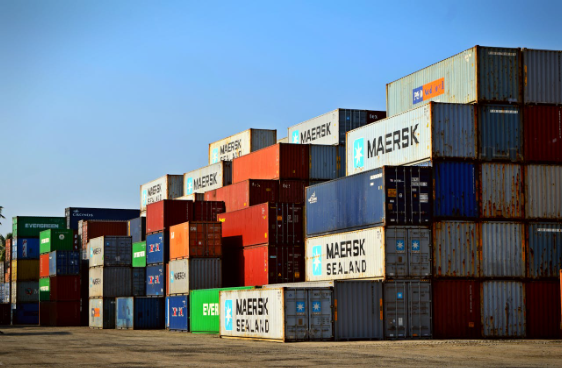
Written By : Serene When it comes to loading and unloading shipping containers, having the right equipment can make all the difference. Container ramps are essential tools that facilitate these tasks, ensuring safety and efficiency on worksites. If you’re in the market for container ramps for sale, this guide will help you make an informed decision. Understanding Container Ramps Container ramps are specially designed platforms that provide a smooth transition from ground level to the interior of a shipping container. They are crucial in various industries, from logistics to construction, where efficient movement of goods is necessary. What Makes a Good Container Ramp? To choose the best container ramp, there are several key factors to consider: Load Capacity: This is the maximum weight the ramp can support. It is crucial to choose a ramp that can handle the weight of your heaviest equipment and materials. Material: Container ramps are typically made from steel or aluminum. Steel ramps offer durability and strength, while aluminum ramps are lighter and easier to maneuver. Surface Design: A non-slip surface is essential for safety, especially in wet or icy conditions. Look for ramps with textured surfaces to prevent slips and falls. Portability: If you need to move the ramp frequently, consider its weight and whether it has handles or wheels for easier transportation. Size and Length: The ramp’s length affects the angle of incline, and a longer ramp provides a gentler slope, making it easier to move heavy equipment. Types of Container Ramps There are various types of container ramps available, each designed to meet specific needs: Fixed Container Ramps These are permanently installed at a site and are ideal for locations where containers are frequently loaded and unloaded. They are robust and require minimal maintenance. Mobile Container Ramps Mobile ramps are versatile and can be moved to different locations as needed. They are perfect for worksites that require flexibility. Yard Ramps Yard ramps serve a dual purpose by allowing loading and unloading from both trucks and containers. They are an excellent option for facilities that handle various types of freight. How to Choose the Right Container Ramp for Your Needs When selecting container ramps, it’s important to consider your specific needs and requirements: Evaluate Your Worksite Take a close look at your worksite to determine the best type of ramp. Consider the terrain, weather conditions, and frequency of use. Consider Safety Features Safety should be a top priority. Look for ramps with side rails, non-slip surfaces, and robust construction to ensure that workers and equipment remain secure during operations. Assess Your Budget Container ramps come in a range of prices. Determine your budget beforehand and weigh the cost against the features and benefits of each ramp. Benefits of Using Container Ramps Using container ramps offers numerous advantages: Efficiency: They streamline the loading and unloading process, saving time and labor costs. Safety: Ramps reduce the risk of accidents and injuries by providing a stable path for moving equipment and goods. Versatility: With different types and sizes available, container ramps can be used in various settings and for multiple applications. Maintenance and Care of Container Ramps To ensure longevity and performance, proper maintenance of container ramps is essential: Regular Inspections: Check for any signs of wear and tear, such as cracks or rust, and address them promptly. Cleaning: Keep the surface free of debris and dirt to maintain traction and prevent damage. Lubrication: If the ramp has moving parts, such as hinges or wheels, ensure they are well-lubricated to function smoothly. Conclusion Choosing the right container ramp is crucial for the safety and efficiency of your operations. By considering factors such as load capacity, material, and portability, you can find the best container ramps that meet your needs. Remember, a well-chosen ramp not only enhances productivity but also ensures a safer work environment. Invest wisely, and you’ll see the benefits in no time.
How to Choose Reliable Forklift Parts Suppliers for Your Business
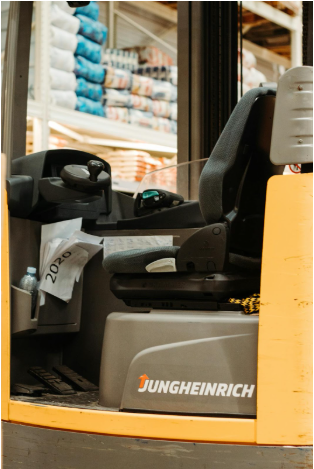
Written By : Serene When running a business that relies on forklifts, ensuring that your equipment is always operational is crucial. One way to achieve this is by choosing reliable forklift parts suppliers. Selecting the right supplier for spare parts can mean the difference between smooth operations and costly downtime. In this article, we will walk you through the essential factors to consider when choosing a forklift supplier for your business. Understanding the Importance of a Reliable Supplier Why Supplier Reliability Matters A reliable forklift parts supplier can significantly impact your business operations. When your forklifts break down, you need quick access to high-quality parts to minimise downtime. A dependable supplier ensures that you always have the necessary components on hand, allowing you to maintain productivity and avoid delays. Long-term Cost Savings Working with a reliable supplier can also lead to long-term cost savings. While cheaper parts may seem appealing initially, they might lead to frequent replacements and repairs. A trustworthy supplier offers quality parts that last longer, reducing the need for frequent purchases and maintenance. Key Factors to Consider When Choosing a Forklift Parts Supplier Product Quality and Variety The first factor to consider is the quality and variety of products offered by the supplier. High-quality parts are essential for the efficient and safe operation of your forklifts. Additionally, a supplier with a broad range of parts ensures that you can find the specific components you need for various forklift models and makes. Supplier Reputation Research the reputation of potential suppliers. Look for reviews and testimonials from other businesses that have worked with them. A supplier with a solid reputation is more likely to provide quality products and excellent customer service. Availability and Lead Times Consider the supplier’s ability to deliver parts promptly. Inquire about their inventory levels and lead times for parts that may not be in stock. A supplier with efficient logistics can help you avoid extended downtimes by delivering parts quickly. Customer Support and Service Excellent customer support is a hallmark of a reliable supplier. They should be easy to contact and willing to assist with any issues or questions you may have. Responsive customer service can make a significant difference when you encounter problems or need urgent assistance. Evaluating Supplier Agreements and Terms Pricing and Payment Terms When selecting a supplier, consider their pricing structure and payment terms. While it’s essential to find competitive prices, be wary of suppliers with prices that seem too good to be true. Ensure that the payment terms are reasonable and align with your business’s cash flow. Warranty and Return Policies Review the supplier’s warranty and return policies. A supplier that stands by their products will offer warranties and flexible return options. This provides peace of mind and assurance that you are receiving quality parts. Contractual Obligations Before committing to a supplier, carefully read and understand any contractual obligations. Ensure that the terms are clear and fair, and seek clarification on any aspects that you find unclear or concerning. Building a Strong Relationship with Your Forklift Parts Supplier Communication and Collaboration Establishing open lines of communication with your supplier is crucial. Regularly update them about your inventory needs and any changes in your operations. A collaborative approach can help both parties anticipate and address potential challenges. Regular Performance Reviews Conduct regular performance reviews with your supplier to assess their service quality and product reliability. Provide constructive feedback and discuss areas for improvement. This ongoing dialogue can help strengthen the partnership and ensure continued success. Exploring Long-term Partnerships Consider the benefits of establishing a long-term partnership with your supplier. A stable relationship can lead to better pricing, priority service, and customised solutions tailored to your business needs. Conclusion Choosing a reliable forklift supplier for parts is essential for maintaining efficient and productive operations. By considering factors such as product quality, supplier reputation, and customer support, you can make an informed decision. Building a strong relationship with your supplier will further enhance your business’s success, ensuring that your forklifts remain in top working condition. With the right supplier, you can focus on growing your business, confident that your equipment is in capable hands.
Why Forklift Solid Tyres Are the Best Choice for Heavy-Duty Operations
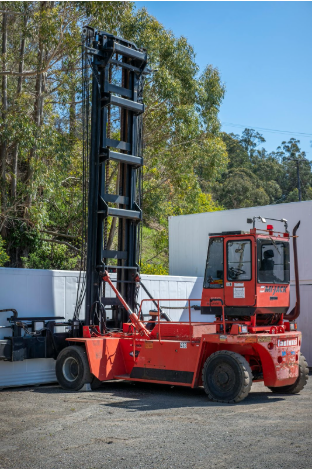
Written By : Serene When it comes to heavy-duty operations, the right equipment can make all the difference. Forklifts are essential for moving heavy loads in warehouses, construction sites, and industrial facilities. But what many operators may overlook is the importance of the tyres they choose. Forklift Solid Tyres are often the best option for these demanding environments. In this article, we’ll explore why solid tyres are the preferred choice for heavy-duty operations and how they can benefit your business. Understanding Forklift Solid Tyres Solid tyres for Forklifts, also known as non-pneumatic tyres, are made entirely of solid rubber or a similar durable material. Unlike pneumatic tyres, which are filled with air, solid tyres are puncture-proof and provide a stable, reliable performance. They are commonly used in environments where the risk of tyre damage is high, such as construction sites or warehouses with sharp debris. Key Features of Solid Tyres Durability: Solid tyres are designed to withstand harsh conditions and heavy loads. They are less likely to suffer from wear and tear compared to their pneumatic counterparts. Puncture Resistance: One of the biggest advantages of solid tyres is their ability to resist punctures. This means fewer interruptions in operations due to flat tyres. Low Maintenance: With no need to check air pressure or repair punctures, solid tyres require less maintenance, saving you time and money. Stability: Solid tyres provide a stable platform for forklifts, reducing the risk of tipping over, which is crucial for safety in heavy-duty operations. Advantages of Using Solid Tyres Enhanced Safety and Reliability Safety is a top priority in any operation, and solid tyres offer enhanced safety features. Their puncture-proof nature means there’s less risk of a sudden flat tyre, which can lead to accidents. Additionally, the stability provided by solid tyres helps prevent tipping, especially when carrying heavy loads or navigating uneven surfaces. Cost-Effectiveness Though solid tyres may have a higher upfront cost than pneumatic tyres, their long-term benefits often outweigh the initial investment. Their durability means they need to be replaced less frequently, and the reduced maintenance costs can lead to significant savings over time. Moreover, minimising downtime due to tyre issues can enhance productivity and efficiency. Improved Performance in Tough Conditions Solid tyres perform exceptionally well in challenging environments. Whether your operation involves rough terrain, sharp objects, or heavy loads, solid tyres are equipped to handle the pressure. Their robust construction ensures they won’t easily wear out or suffer damage, allowing for continuous, uninterrupted operations. Compatibility with Forklift Attachments Another advantage of solid tyres is their compatibility with various forklift attachments. Whether you’re using forks, clamps, or specialised lifting equipment, solid tyres provide the necessary support and stability to safely use these attachments. This flexibility makes them an ideal choice for diverse operations requiring specialised equipment. How to Choose the Right Solid Tyres Selecting the right solid tyres for your forklift involves considering several factors: Load Capacity Ensure the tyres you choose can support the maximum weight your forklift will be carrying. Overloading tyres can lead to premature wear or failure, compromising safety and efficiency. Surface Conditions Consider the type of surface your forklift will operate on. Solid tyres are versatile, but if your operation involves extremely rough or slippery surfaces, you may need to select a specific tread pattern or compound to enhance traction and performance. Frequency of Use If your forklifts are in constant use, you’ll want tyres that can withstand continuous operation. Discuss your usage needs with your forklift supplier to find the most durable option available. Consult with a Forklift Supplier A reputable forklift supplier can provide valuable insights and recommendations based on your specific operational needs. They can help you evaluate different tyre options and ensure you choose the best fit for your equipment and environment. Conclusion Forklift tyres offer numerous benefits for heavy-duty operations, from enhanced safety and reliability to cost-effectiveness and improved performance in tough conditions. By choosing the right tyres for your forklifts, you can optimise your operations, reduce maintenance costs, and ensure the safety of your workforce. Investing in high-quality solid tyres is a decision that can lead to long-term gains, making them the preferred choice for businesses that depend on their forklifts for daily operations. When selecting tyres, consider consulting with a trusted forklift supplier to ensure you make an informed choice that meets your operational demands. By equipping your forklifts with solid tyres, you’re not just choosing a tyre; you’re choosing a solution that maximises efficiency and safety in your operations, ultimately contributing to the success and growth of your business.
Fork Slippers: Enhancing Forklift Versatility and Safety in Material Handling
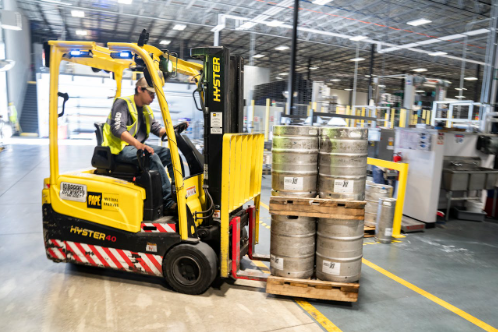
Written By : Serene In the realm of material handling, efficiency and safety are paramount. Fork slippers, also known as forklift slippers or forklift extension slippers, are vital tools that contribute significantly to these goals. These extensions enhance the versatility of forklifts, allowing them to handle a broader range of tasks with ease and precision. What Are Fork Slippers? Fork slippers are metal attachments that slide over the existing forks of a forklift. They extend the length and sometimes the width of the forks, enabling the handling of larger or awkwardly shaped loads. Made from durable materials like steel, these extensions are designed to withstand heavy-duty use in various environments. Key Features of Slippers Durability: Constructed from robust materials to endure the rigors of frequent use. Versatility: Suitable for a wide range of materials and industries. Ease of Use: Simple to attach and remove, enhancing operational efficiency. Benefits of Using Slippers Slippers offer a host of benefits that make them indispensable in many material handling scenarios. Increased Load Capacity One of the primary advantages of using slippers is the increased load capacity. By extending the reach of the forklift, they allow operators to handle larger loads that would otherwise be impossible with standard forks. Enhanced Safety Safety is a critical concern in material handling. Slippers contribute to safer operations by providing better load stability and reducing the risk of accidents. They ensure that loads are securely held, minimising the chance of slippage or tipping. Greater Versatility Slippers provide the flexibility to handle a variety of loads. Whether dealing with long pipes, timber, or oversized pallets, these extensions make it possible to transport diverse materials efficiently. Cost-Effectiveness Investing in slippers is a cost-effective solution compared to purchasing new forklifts or modifying existing equipment. They extend the capabilities of your current fleet without the need for significant capital expenditure. How to Choose the Right Fork Slippers Selecting the appropriate slippers for your needs involves considering several factors. Load Requirements Evaluate the types of loads you typically handle. This will help determine the length and width of the slippers required to accommodate your specific needs. Material and Durability Choose slippers made from high-quality materials that can withstand the demands of your work environment. Steel is a popular choice due to its strength and longevity. Compatibility Ensure that the slippers are compatible with your forklifts. Check the dimensions and design to make sure they fit securely and function effectively. Installation and Maintenance Tips Proper installation and maintenance are crucial for the effective use of slippers. Installation Inspect the Slippers: Before installation, inspect the slippers for any signs of damage or wear. Align Properly: Make sure the slippers are aligned with the forklift forks to ensure secure attachment. Locking Mechanism: Engage any locking mechanisms to prevent the slippers from slipping off during use. Maintenance Regular Inspections: Conduct regular inspections to identify any wear and tear. Cleaning: Keep the slippers clean to prevent the buildup of debris that could affect performance. Repairs: Address any damage promptly to ensure safety and functionality. Real-World Applications of Slippers Slippers are used in various industries, each with unique material handling challenges. Construction In construction, transporting long and heavy materials like steel beams and pipes is common. slippers enable forklifts to carry these items efficiently, improving workflow and productivity. Warehousing Warehouses often deal with oversized pallets and containers. Slippers allow for the safe and efficient handling of these large loads, optimising space and reducing the risk of damage. Manufacturing Manufacturing facilities frequently move bulky equipment and materials. Slippers provide the necessary reach and stability, facilitating smooth operations and timely production schedules. Safety Considerations While slippers enhance safety, it’s important to adhere to best practices to maximise their benefits. Operator Training Ensure that forklift operators are trained in the correct use of slippers. They should understand how to attach, use, and detach the slippers safely. Weight Limits Never exceed the weight limit specified for the slippers. Overloading can compromise safety and lead to equipment failure. Regular Maintenance Adhering to a regular maintenance schedule minimises the risk of accidents and extends the lifespan of the slippers. Conclusion Fork slippers are invaluable in enhancing the versatility and safety of forklifts in material handling. By extending the capabilities of existing equipment, they provide a cost-effective solution to a wide range of challenges. Whether in construction, warehousing, or manufacturing, slippers are essential tools that improve efficiency and ensure safer operations. Investing in the right slippers and maintaining them properly will maximise your material handling capabilities and contribute to a safer working environment.