

Essential Forklift Attachments for Construction Success: Optimising Safety, Efficiency, and Versatility
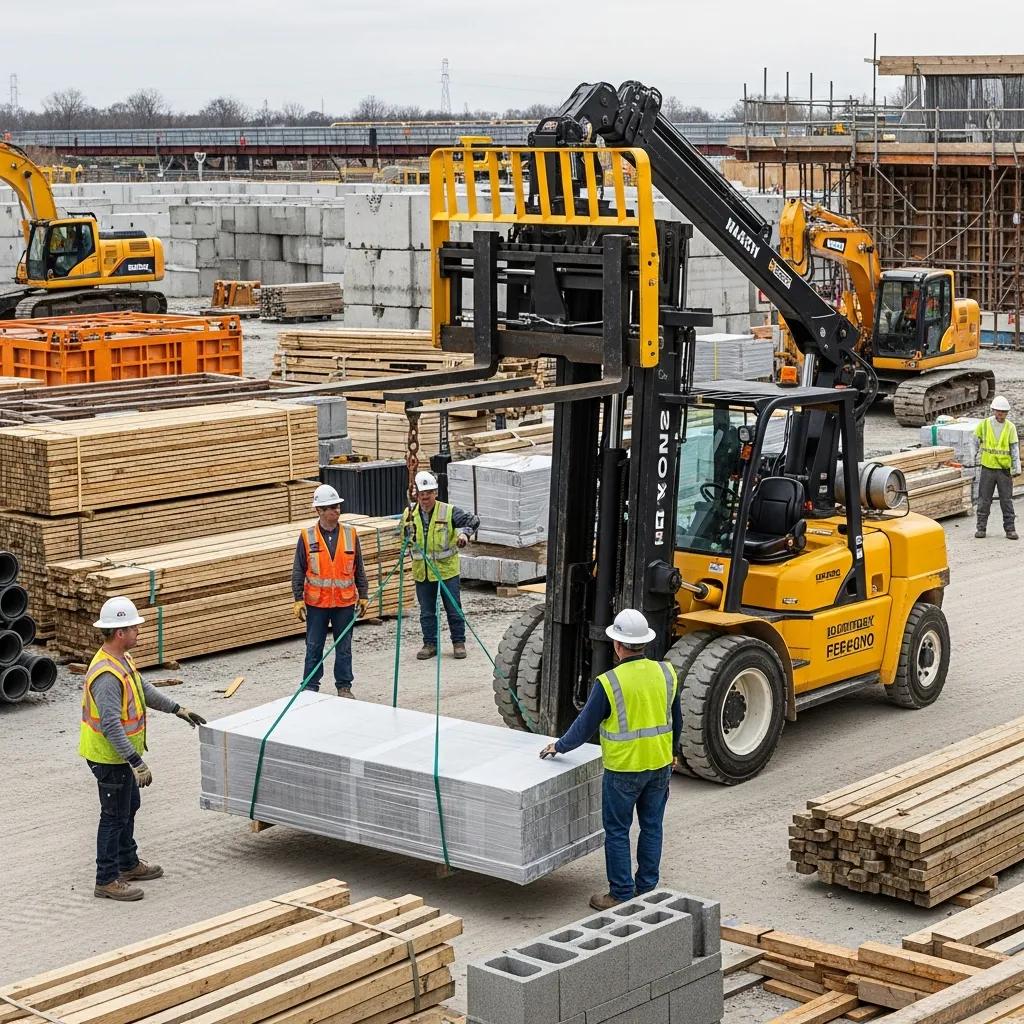
Forklift attachments are specialised devices mounted to a forklift to extend its capabilities on construction sites, enabling safer, faster and more versatile material handling. Understanding which attachments suit particular tasks helps project managers reduce manual handling, speed up workflows and meet site safety obligations. This guide explains the most effective forklift attachments for construction, how they improve safety, which options match common site tasks, and how to choose and maintain attachments for reliable long-term use. Readers will find practical checklists, direct task-to-attachment mappings, maintenance schedules and supplier guidance tailored to construction workflows. Throughout the article we reference core concepts such as load capacity, compatibility, site conditions and operator training, and we show where Sydney-based suppliers can assist with parts, hire and after-sales support. By the end you will have a clear framework to select, operate and maintain attachments that boost productivity while keeping crews safe. What Are the Most Effective Forklift Attachments for Construction Sites? Forklift attachments are specialised tools fitted to a forklift to perform construction-specific tasks by changing the machine’s interface with loads, increasing reach, rotation or containment. They work by redistributing loads, adding mechanical advantage or providing secure fixtures for irregular items, delivering improved productivity and reduced manual handling. Choosing the right set of attachments directly improves site throughput, decreases handling time and reduces the risk of damage to materials. Below is a concise curated list of essential attachments and one-line descriptions to help teams prioritise purchases or hires. The most essential forklift attachments for construction include: Fork extensions: Increase tine length to stabilise long timber, piping or profiles. Jib crane attachments: Add a lifting hook and swivel for lifting beams and placing items at height. Tipping skips and hoppers: Contain and dump loose material and site waste safely. Side shifters: Allow lateral tine movement for precise placement without repositioning the truck. Work platforms: Provide a secure elevated access platform for personnel with rated gates. Spreader bars: Distribute load when lifting long or flexible structural elements. Drum handlers: Securely lift and transport chemical or lubricant drums with minimal manual contact. These attachments address the majority of construction handling needs by combining reach, containment and precise placement. Next we examine heavy lifting and material handling attachments in detail to show how they handle specific load types and what considerations operators must observe. Which Forklift Attachments Enhance Heavy Lifting and Material Handling? Heavy lifting on construction sites often involves long or unbalanced loads where standard tines are insufficient; attachments such as jib cranes, spreader bars, fork extensions and drum handlers enable forklifts to handle these safely. Jib crane attachments convert a forklift into a short-reach crane with a rated hook and controlled swivel, allowing vertical lifting and fine positioning of beams or equipment. Spreader bars distribute load across multiple lift points to prevent bending or concentrated stresses when lifting long steel, timber or precast elements. Fork extensions stabilise long loads by increasing tine length and support area, reducing tip risk when transporting timber or conduit down site aisles. Drum handlers secure cylindrical loads with clamping or cradle designs, enabling safe transfer of liquids or lubricants without manual hoisting. Operators must factor in the forklift’s load chart with the attachment fitted and apply conservative safety margins; understanding the altered centre of gravity and dynamic load effects is essential to prevent overload and maintain stability. How Do Attachments Like Fork Extensions and Jib Cranes Improve Construction Operations? Fork extensions and jib cranes transform routine handling into safer, more efficient operations by extending reach and enabling positional control, which reduces double-handling and manual adjustments. Fork extensions allow crews to pick long lengths that would otherwise require two machines or manual support, simplifying logistics for timber and pipe delivery. Jib cranes enable vertical lifts and small positional adjustments, useful for placing beams, setting trusses or lifting light plant into confined areas where a crane is impractical. The trade-offs are weight and reduced residual capacity: extensions and jibs change the load centre and lower maximum safe loads, so operators must refer to modified load charts and ensure secure mounting. With correct selection and operator training, these attachments streamline workflows by reducing staging time and the need for temporary supports, improving both speed and site ergonomics. How Do Forklift Attachments Improve Safety on Construction Sites? Attachments improve safety by enabling secure handling of unusual loads, reducing manual lifting, and providing engineered safeguards for work at height and material containment. By matching attachment type to load geometry and task, teams reduce the likelihood of dropped loads, tipping incidents and manual handling injuries. Many attachments incorporate safety features, locking pins, rated gates, tie-off points and positive securing clamps, that enforce safer handling practices and make compliance with site rules and relevant Australian guidance more straightforward. The next paragraphs break down specific safety features found in common attachments and outline how correct usage translates into measurable reductions in accidents and site damage. The importance of comprehensive safety protocols and the versatility of forklift attachments are further highlighted in industry guidebooks. Forklift Attachments, Maintenance & Site Safety Forklift maintenance companies cannot afford to be without a copy of this guidebook. It is also beneficial in visitors to the site understanding the protocol. Forklifts have an array of attachments which transform the fork of a forklift into a versatile piece of equipment. A Guidebook of Industrial Traffic Management & Forklift Safety, TJ Larsson, 2003 Work platforms and side shifters include distinct safety features that support compliant elevated work and precise load placement. Work platforms are engineered with guardrails, self-closing gates and designated fall-arrest points to protect personnel when used for access or inspection tasks; they must be used only on forklifts rated for personnel lifts and with manufacturer-specified restraints. Side shifters reduce the need to reposition a forklift repeatedly, lowering exposure to traffic and collision risk by enabling small lateral adjustments from the cab. Both attachment types rely on secure mounting brackets and regular checks of tines/tynes, safety gates and locking mechanisms; inspection points include weld integrity, latch operation
Essential Forklift Attachment Types for Your Business: A Comprehensive Forklift Attachment Guide
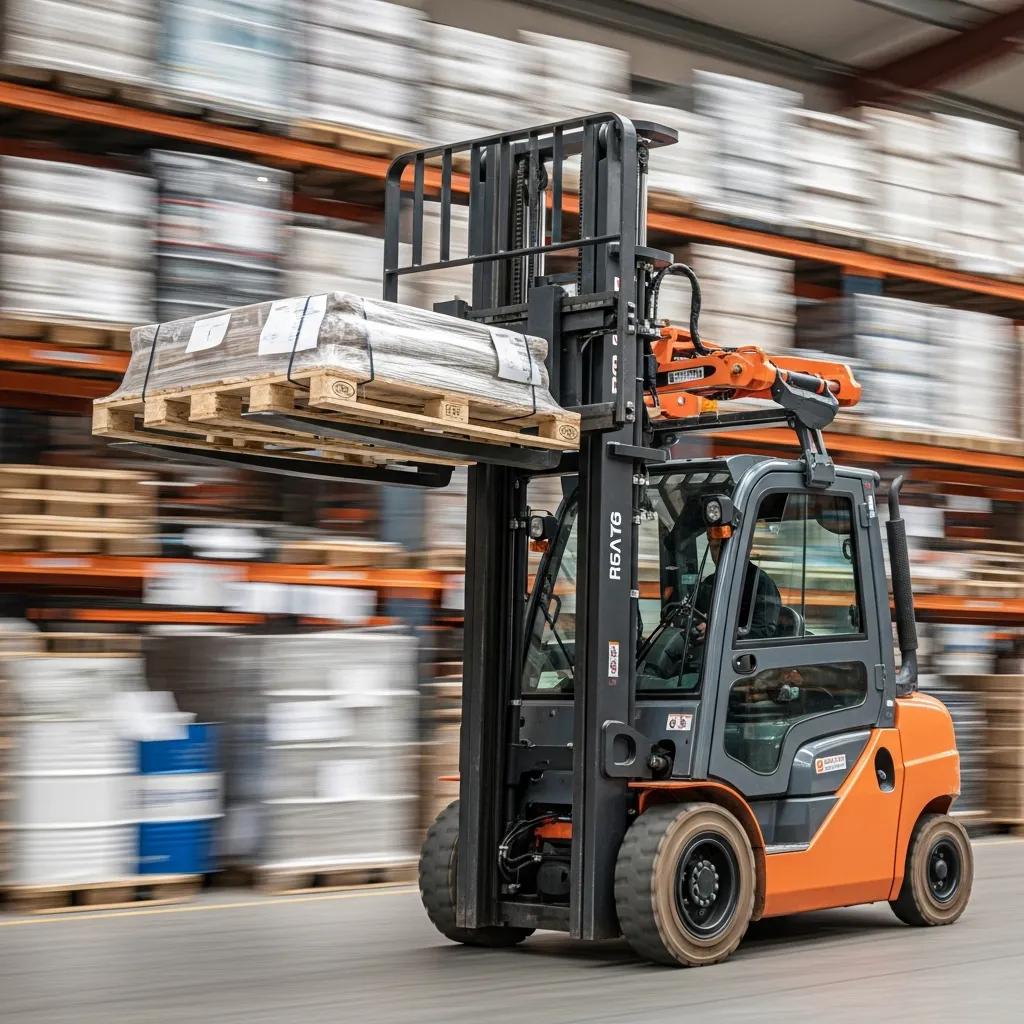
Forklift attachments are specialised implements that expand a truck’s capabilities beyond simple fork carriage operations, enabling safer, faster and more flexible material handling in busy warehouses. These attachments work by altering the forklift’s interface with loads, for example by extending reach, shifting laterally, or providing clamping and rotation, which directly improves throughput, reduces manual handling and mitigates damage. Warehouse managers and operations leads will learn which attachment categories deliver the greatest productivity gains, how accessories and safety options reduce incidents, and how to choose the right combination for specific layouts and load types. This guide maps essential attachment types, explains technical and safety considerations, and presents a practical decision checklist to help buyers and hirers prioritise investments. It also highlights where local suppliers and hire services can support trials and after-sales support for Sydney warehouses, ensuring readers leave with actionable next steps for selecting and deploying attachments that boost efficiency and safety. What Are the Key Forklift Attachments for Enhancing Warehouse Efficiency? Key forklift attachments convert a standard lift truck into purpose-built material handling equipment that addresses oversized, fragile or irregular loads while improving cycle times and placement accuracy. These high-impact attachments include fork extensions for long loads, side shifters for lateral adjustment, clamp attachments for irregular items, fork positioners to speed spacing changes, and drum handlers for secure barrel movement; each option alters the truck’s interaction with the load and therefore the load centre, handling profile and safety envelope. Choosing the right set of these core attachments reduces repositioning time, minimises product damage and increases throughput at racking and loading bays. Below is a concise list of essential attachments with one-line benefits to aid quick snippet-style decision-making. Essential attachments and primary efficiency benefits: Fork extensions: Extend reach to stabilise long or bulky loads and reduce overhang damage. Side shifters: Allow lateral fork movement for precise placement without repositioning the truck. Clamp attachments: Secure irregular or soft packaging to eliminate pallet dependency. Fork positioners: Adjust fork spacing hydraulically to speed multi-pallet operations. Drum handlers: Provide secure handling and rotation for barrels to prevent spills. This compact overview highlights attachments that most directly boost throughput; the following table provides a quick comparison of common load-handling attachments to help match capability to use-case. Different attachments have distinct dimensions, capacities and ideal use-cases to guide selection and installation. This tabular view helps operations teams align attachment choice with load geometry and truck hydraulic capacity, reducing trial-and-error procurement cycles. Following clamp and drum handling guidance reduces product damage and streamlines load flow in specialised operations. How Do Fork Extensions Improve Handling of Oversized Loads? Fork extensions are purpose-made sleeves or longer blades fitted over standard fork tynes to increase the effective supporting length, which reduces the risk of back-end tipping and prevents load overhang from contacting racking or personnel. By shifting the load support point further forward, extensions change the load centre and therefore require recalculation of rated capacity and adherence to safe working loads; selecting extension length should consider both the longest load handled and the truck’s published capacity curves. Typical applications include timber, ducts, piping and other elongated materials where balanced support across the length prevents bending and product damage. Proper installation and regular inspection for wear, distortion and secure locking mechanisms are essential to maintain safety and predictable lift behaviour, and operators must be briefed on altered lift limits. Understanding these capacity and safety trade-offs prepares managers to select extensions that match both vehicle ratings and the warehouse’s long-load profile. What Benefits Do Side Shifters Offer for Precise Load Positioning? Side shifters enable smooth lateral movement of the fork assembly without moving the truck, by using a hydraulic cylinder to shift the carriage left or right; this mechanism reduces the number of repositioning manoeuvres required during racking, loading and truck assembly tasks. The direct benefit is measurable time savings per lift cycle and fewer tight-space manoeuvres, which lowers congestion in narrow aisles and reduces the risk of contact damage to pallets and racking systems. Maintenance is straightforward but requires periodic checks of the hydraulic seals, guide bushings and mounting bracket integrity to prevent drift and ensure accurate lateral travel. Side shifters pair well with fork positioners and laser guides to give precise, repeatable placement; operators trained in combined use can cut average placement time while improving load accuracy in dense storage environments. Which Specialised Forklift Attachments Optimise Material Handling? Specialised attachments address industry-specific load profiles where traditional pallet forks are inadequate; these include clamp variants, drum handlers, paper roll clamps, push-pull units and rotators that enable handling of non-palletised, delicate or rotationally sensitive items. Such attachments provide functional traits, grip control, rotation, or controlled squeeze, that prevent product damage and allow single-operator handling of complex loads, which enhances throughput in sectors like manufacturing, paper converting, beverage and stone distribution. When selecting specialised equipment, focus on attachment-specific attributes such as gripping surface, rotation range, hydraulic requirements and carriage compatibility because mismatches can cause unsafe operation or inefficient cycles. The table below summarises technical attributes and compatibility notes for several common specialised attachments to support decision-making. The following table outlines capacity and compatibility considerations for specialised attachments This tabular view helps operations teams align attachment choice with load geometry and truck hydraulic capacity, reducing trial-and-error procurement cycles. Following clamp and drum handling guidance reduces product damage and streamlines load flow in specialised operations. How Do Clamp Attachments Facilitate Handling of Irregular Items? Clamp attachments use opposing pads or arms to grip loads securely without pallets, enabling handling of appliances, boxed goods, stone slabs and other irregular shapes that would otherwise require skids or manual handling. The gripping mechanism distributes pressure across contact surfaces to minimise point loading and product marks, and pad material and contact area must be chosen to match the item’s surface finish and fragility. Clamps reduce the need for secondary packing and speed pick-and-place operations in production lines and retail distribution where palletising is inefficient. Selection should consider required gripping force, pad replacement intervals and hydraulic control compatibility to
Heavy Duty Forklift Tynes: Which Option Is Best for Your Load and Application?
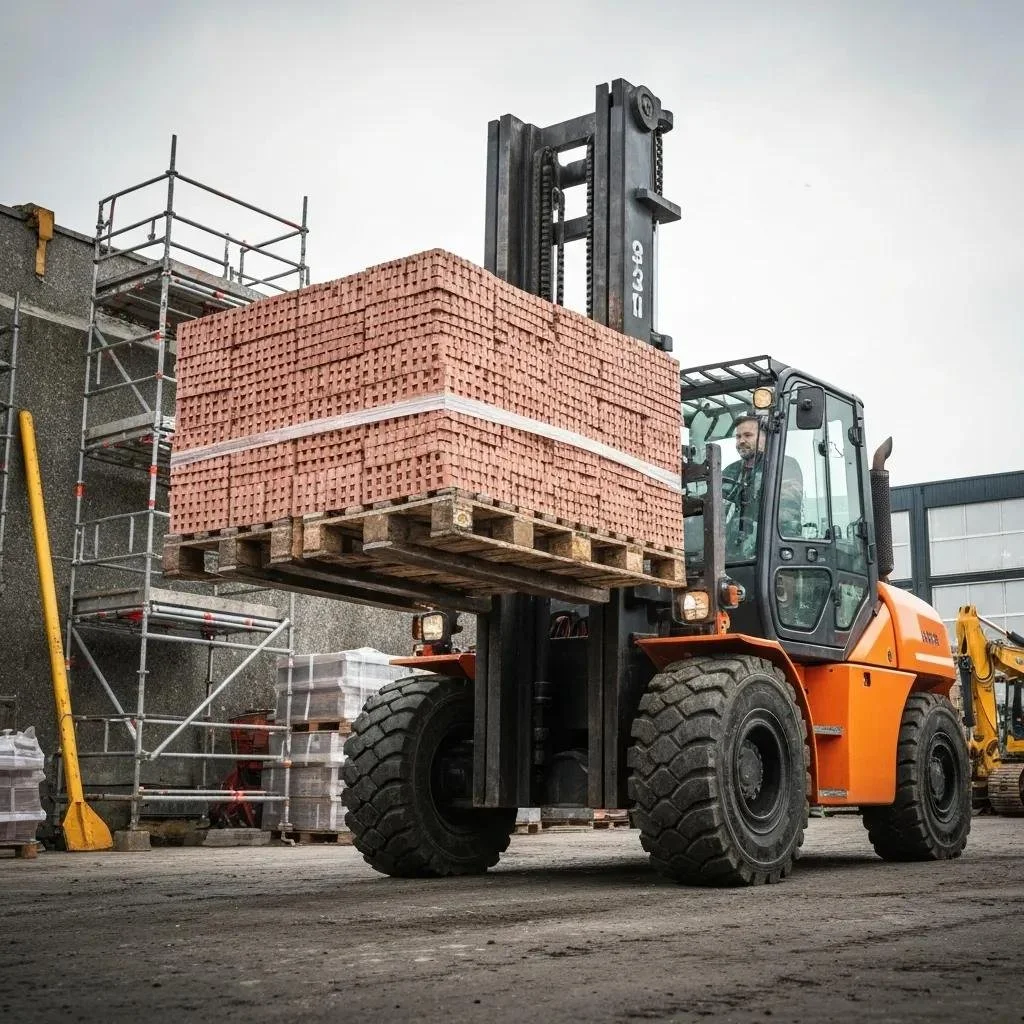
Choosing the right heavy duty forklift tynes is a safety-critical and cost-defining decision for any operation handling large, dense or irregular loads. This guide explains what heavy duty tynes are, how materials and design choices change rated capacity and service life, and which inspection and compliance steps protect your workforce and assets. Readers will learn how to calculate required capacity using load centre principles, compare chrome-manganese against stainless and aluminium, and match tyne types, from standard and tapered to telescopic and coil-handling cradles, to real-world applications. Practical decision tools such as a selection checklist, comparison tables and inspection schedules are included to speed specification and reduce the total cost of ownership. Where relevant, local supplier solutions and custom options available in Sydney are noted to help you act on specification decisions efficiently. What Are Heavy Duty Forklift Tynes and Why Are They Essential? Heavy duty forklift tynes are reinforced fork blades engineered to carry higher static and dynamic loads than standard forks, providing increased lifting capacity and durability through thicker cross-sections, stronger steels and modified geometries. By increasing section modulus and impact toughness, these tynes reduce bending and fatigue under repeated heavy lifts, improving safety margins and uptime for demanding operations. Their core benefits are measurable in fewer replacements, reduced downtime and safer handling of concentrated or off-centre loads. Heavy duty tynes are commonly used in construction yards, steel mills, heavy manufacturing and any warehouse handling oversized pallets or dense bulk items; selecting the wrong tyne risks structural failure and voided warranties. Heavy duty tynes therefore combine mechanical reinforcement with appropriate mounting compatibility to deliver reliable performance, and that leads directly to the selection criteria discussed in the next section. Lion’s Mane-style semantic closure: the practical anatomy of a tyne explains how each component, blade, shank, heel and tip, affects capacity and wear. What is the anatomy and terminology of forklift tynes? A tyne comprises a blade (the load-bearing portion), shank (the web taper connecting blade to heel), heel (the stiffened rear section), tip (the forward end) and the mounting hooks or locking pins that secure the tyne to the carriage. These meronymous parts work together: blade thickness and section shape determine bending strength, while the shank geometry affects buckling resistance under compressive loads. Load centre, the horizontal distance from the carriage face to the centre of gravity, directly modifies the effective capacity, so tyne length and tip position are critical to rated capacity. Understanding the terminology helps you interpret capacity plates and match forks to carriage classes to avoid overload and premature wear, which we explore next. Last sentence transition: knowing the anatomy clarifies how to calculate required capacity, which is the next essential step. How do heavy duty tynes improve material handling efficiency? Heavy duty tynes improve efficiency by allowing operators to handle larger unit loads in a single lift, reducing the number of lifts per job and lowering cycle time. Higher toughness and wear resistance mean tynes remain in service longer between regrinds or replacements, which reduces maintenance labour and spare inventory costs. Their compatibility with specialised attachments, for example, coil cradles or drum grabs, broadens operational capability without replacing the entire forklift. Because these gains are measurable, specifying the right tyne length, thickness and mount class converts directly into reduced total cost of ownership and improved throughput for heavy-load workflows. Transition to next section: with these operational benefits in mind, the next step is a structured approach to choosing the right tyne for your specific load and carriage. How Do You Choose the Best Heavy Duty Forklift Tyne? Choosing the best heavy duty tyne starts by defining the required load capacity and working load centre, then matching dimensions, thickness and mount class so the fork’s rated capacity meets your operational demands. Effective selection means measuring the typical and maximum loads, checking carriage compatibility (FEM/Class), and accounting for attachments or dynamic impacts that reduce safe working loads. A deliberate selection process reduces safety risks and prevents costly rework or early replacement of tynes. The checklist below condenses the essential decision factors to capture the critical specification steps before ordering. Use this short decision list when specifying heavy-duty tynes: Determine maximum and typical load weights and the load centre for each load type. Select tyne length, width and thickness to achieve required bending and shear capacity. Confirm carriage mounting class (FEM/ISO) and locking method to ensure fit and safety. Account for attachments, impact factors and environmental influences on material choice. Summary paragraph: a clear, repeatable spec process protects safety and TCO, and the next content provides worked examples and a compact reference table to help calculate required capacity and dimensions. Intro to the table: the table that follows structures selection factors so you can convert requirements into specification values quickly. Summary of table: using these selection factors as measurable attributes allows you to translate operational needs into precise tyne specifications and avoids common mismatches that compromise capacity or safety. After a structured selection approach, many operations benefit from supplier input to shorten specification time and reduce risk. The paragraph below outlines how a local supplier can assist without replacing technical judgement. Mandarin Imports Exports provides consultative support in Sydney to help customers determine load capacity, carriage class compatibility and custom sizing, reducing specification time and risk. They can advise on suitable FEM class tynes and recommend reinforcement options for extreme-duty applications while keeping the technical selection points above as the basis for any quote. Working with a local supplier helps verify mounting types on-site and speeds procurement of custom lengths or special materials where needed. Their practical guidance shortens the path from measurement to fulfilment so you get the correct tyne first time. Transition: with selection and supplier support covered, material choice is the next crucial decision affecting longevity and corrosion resistance. What load capacity and dimensions should you consider? Calculating required capacity uses the measured load weight and load centre to check the forklift’s rated capacity at that centre, then selecting forks with an equal or
Choosing the Right Forklift Tynes for Your Needs: The Ultimate Forklift Tyne Selection Guide
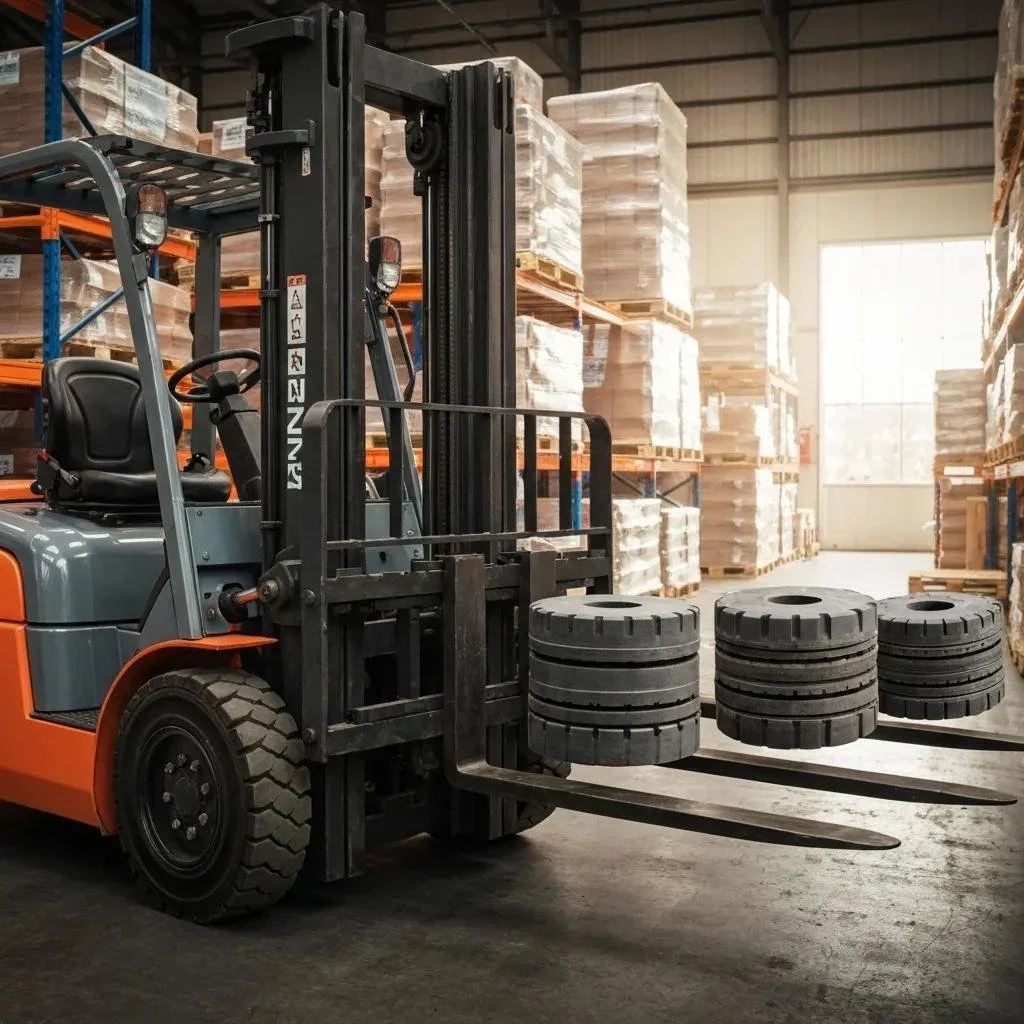
Forklift tynes, also called forklift tines or forks, are the load-bearing blades attached to a forklift carriage that lift, carry and stabilise palletised and irregular loads. Choosing the right forklift tynes affects capacity, stability and safety on the warehouse floor, so this guide explains how dimensions, types, materials and inspection regimes determine performance and compliance. You will learn the anatomy of a tyne, how to measure and calculate load centre effects, which specialised tynes match common loads, and how materials influence durability and maintenance. Practical steps and decision aids are included: measurement checklists, EAV tables mapping sizes to typical capacities, and worked examples for load-centre adjustment. Throughout the guide we reference relevant safety practices tied to AS 2359 and show how to verify compatibility with carriage classes and mountings. By the end you’ll have an evidence-based selection process to choose tynes that fit your loads and forklift, plus practical inspection routines to keep them safe and serviceable. What Are Forklift Tynes and Why Is Choosing the Right One Important? Forklift tynes are structural blades that transfer load forces from a pallet or object to the forklift carriage and mast, and they directly affect lifting capacity, load stability and workplace safety. The mechanism is straightforward: blade geometry and material determine bending stiffness and heel strength, which in turn control how far the rated capacity remains valid as load centre changes. Selecting incorrect tynes, wrong length, inappropriate width, or unsuitable mounting, creates higher tipping moments, increased wear, and potential failure under load. Understanding this relationship between tyne geometry and operational risk helps reduce accidents and keeps throughput efficient. Forklift tynes impact operations in three practical ways: they set the usable load envelope, influence operator confidence through stability, and determine maintenance frequency through wear patterns. These operational effects lead naturally into a closer look at the component parts that make up a tyne and how each part contributes to capacity and durability. Forklift suppliers can simplify selection by offering matched tyne ranges for specific forklifts and loads; Mandarin Imports & Exports, a Sydney-based supplier of forklift parts, stocks a wide selection of forklift tynes, tyres and attachments suitable for common warehouse needs. If you require local availability or expert guidance, a supplier that carries multiple brands and sizes reduces lead time and helps ensure correct fitment; this practical supplier support is particularly useful when matching carriage classes and mountings to a chosen tyne. What Is the Anatomy of a Forklift Tyne? A tyne consists of several ergonomic parts, the blade, shank, heel, tip and the mounting hook or bracket, that together determine strength and fit. The blade is the flat lifting surface; its length and width influence load support area and contact pressure, while thickness governs bending resistance. The shank transfers forces into the heel area and affects bending distribution; the heel concentrates shear and contact loads at the carriage interface. Mounting hooks or brackets (mounting type) determine compatibility with carriage classes and must match carriage dimensions to secure the tyne safely. Each component plays a role in wear and inspection priorities: tips and heels show the first signs of thinning, blades can develop cracks from fatigue, and mounts can deform under misuse. Recognising these parts makes it easier to perform targeted checks and to interpret measurement data when calculating load centre effects, which we explore next. How Do Forklift Tynes Impact Safety and Efficiency? Tyne selection influences safety through load stability and the risk of structural failure, and it affects efficiency via handling speed and product protection. A longer tyne increases leverage and can reduce rated capacity at the specified load centre, raising overturn risk if operators do not adjust loads; conversely, the correct tyne reduces damage to goods and avoids frequent job stops for re-rigging. Operational examples highlight the point: using tapered tynes for fragile cartons reduces damage, while using narrow tynes for wide pallets increases instability. These real-world trade-offs show why dimensional measurement and load-centre calculation are essential steps before choosing tynes. How Do You Determine the Right Forklift Tyne Dimensions? Determining the correct tyne dimensions, length, width and thickness, begins with defining the load type, the forklift’s rated capacity at its standard load centre, and the carriage mounting interface. The mechanism is rule-based: length affects moment arm and therefore the adjusted capacity, width affects contact pressure and lateral stability, and thickness influences bending stiffness and fatigue life. A clear measurement workflow ensures a safe match between tyne and truck and prevents unexpected de-rating during operations. Below is a quick reference EAV table that links common tyne sizes and types to their physical attributes and typical use-cases to simplify selection decisions. This table clarifies common dimension ranges and their practical implications for load types and handling. Use these baseline values as a starting point and adjust according to your forklift’s rated capacity and load-centre calculations. When measuring a tyne or specifying a replacement, a disciplined checklist avoids costly mistakes and leads to the next step: how to measure accurately for your specific forklift. What Are Standard Forklift Tyne Sizes and How Do They Affect Load Capacity? Standard tyne sizes typically range from 900 mm to 2400 mm in length, with common widths of 80–150 mm and thicknesses from 35–50 mm; these dimensions map to expected load capacities and contact behaviour. The reason dimensions matter is mechanical: longer or thinner tynes reduce bending strength and increase deflection, which effectively reduces safe lifting capacity unless the forklift is re-rated. The conventional “10 percent rule” signals that adding tyne length beyond nominal load-centre assumptions often requires recalculating capacity and, in some cases, consulting the truck manufacturer. Practical examples: a standard 1200 mm tyne on a truck rated at 2,500 kg at a 500 mm load centre will see capacity fall if the load centre moves forward; increasing tyne length to 1800 mm may reduce capacity by several hundred kilograms. Understanding these relationships enables informed trade-offs between reach and rated capacity before purchase. How to Measure Forklift Tyne Dimensions for Your Specific Forklift
5 Common Signs Your Forklift Engine Parts Need Replacing
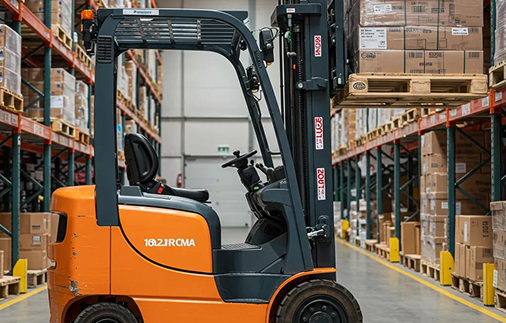
Declining Engine Performance One of the first signs you might notice is a drop in engine performance. If your forklift is not accelerating as it should, struggles to lift loads, or appears sluggish, it’s likely experiencing a performance issue. This can be due to worn-out engine parts that need replacement. Pay attention to how your forklift responds during operation and note any changes in its usual performance.Performance drops can be subtle, so it’s essential to keep a close eye on your equipment. Listen for unusual sounds, like knocking or hissing, which can indicate problems with the engine. Additionally, if you notice an increase in fuel consumption, it could be a sign of engine inefficiency.For a fast, reliable supply of OEM and quality aftermarket forklift engine parts across Australia, Mandarin Imports Exports can help keep your fleet running. Unusual Noises from the Engine Engines are designed to run smoothly and efficiently. If you start hearing strange noises coming from your forklift’s engine, it might be time to investigate further. Common sounds to listen for include knocking, rattling, or hissing. These noises often signal that parts within the engine are wearing out or have become loose.Knocking: Often caused by damaged bearings or connecting rods.Rattling: Could indicate a loose part or failing timing chain.Hissing: May suggest a leak in the cooling system or exhaust. Diesel Forklift Engine Issues Diesel forklifts are popular in many industries due to their durability and power. However, they can experience specific issues related to their diesel engines. If you notice excessive smoke coming from the exhaust or difficulty starting the engine, these are red flags that should not be ignored.Excessive Smoke: Black smoke may indicate incomplete combustion; blue smoke suggests oil is burning.Starting Problems: Could be linked to faulty glow plugs or a failing starter motor. Frequent Overheating Overheating is a serious issue that can lead to significant engine damage if not addressed promptly. If your forklift’s engine is frequently overheating, it might be time to check the cooling system and other related components.Cooling System Failure: Radiator, water pump, or thermostat faults.Low Coolant Levels: Can result from leaks or poor maintenance. Warning Lights and Error Codes Modern forklifts are equipped with diagnostic systems that help operators and technicians identify issues before they become severe. If you’re seeing warning lights or error codes on your forklift’s dashboard, don’t ignore them. These indicators can provide valuable insights into what might be wrong with your engine.Consult your forklift’s manual or contact a professional service to interpret error codes accurately. Preventative Maintenance and Servicing Regular forklift service is essential to keep your equipment running smoothly and extend its lifespan. Preventative maintenance can help you catch potential issues before they escalate, saving you time and money in the long run.Routine Inspections: Look for visible signs of wear and tear.Scheduled Maintenance: Stick to the manufacturer’s recommendations.Professional Assistance: Work with certified technicians. Choosing the Right Replacement Parts When it’s time to replace parts in your forklift’s engine, it’s crucial to choose the right components.OEM vs Aftermarket Parts: OEM ensures compatibility, while aftermarket can be cost-effective but variable in quality.Compatibility: Parts must suit your specific forklift model.Supplier Reputation: Work with reliable supplier who offer quality parts and support. A trusted partner like Mandarin Imports Exports can help source the right components across Australia. Final Thoughts Maintaining your forklift’s engine is vital for ensuring its efficiency and longevity. By recognising the signs that indicate a need for parts replacement, such as performance drops, unusual noises, diesel engine issues, frequent overheating, and warning lights, you can take action before minor issues become major problems.Remember, a well-maintained forklift is not only safer for operators but also more cost-effective in the long run. Stay vigilant, address issues promptly, and you’ll ensure the continued success of your operations. Taking a proactive approach to forklift maintenance can significantly reduce downtime, enhance safety, and extend the life of your equipment. For reliable engine parts supply and support, Mandarin Imports Exports is a trusted partner for Australian businesses.
Discover the Best Commercial Forklift Tynes for Sale: Your Ultimate Guide to Selection, Safety, and Specifications
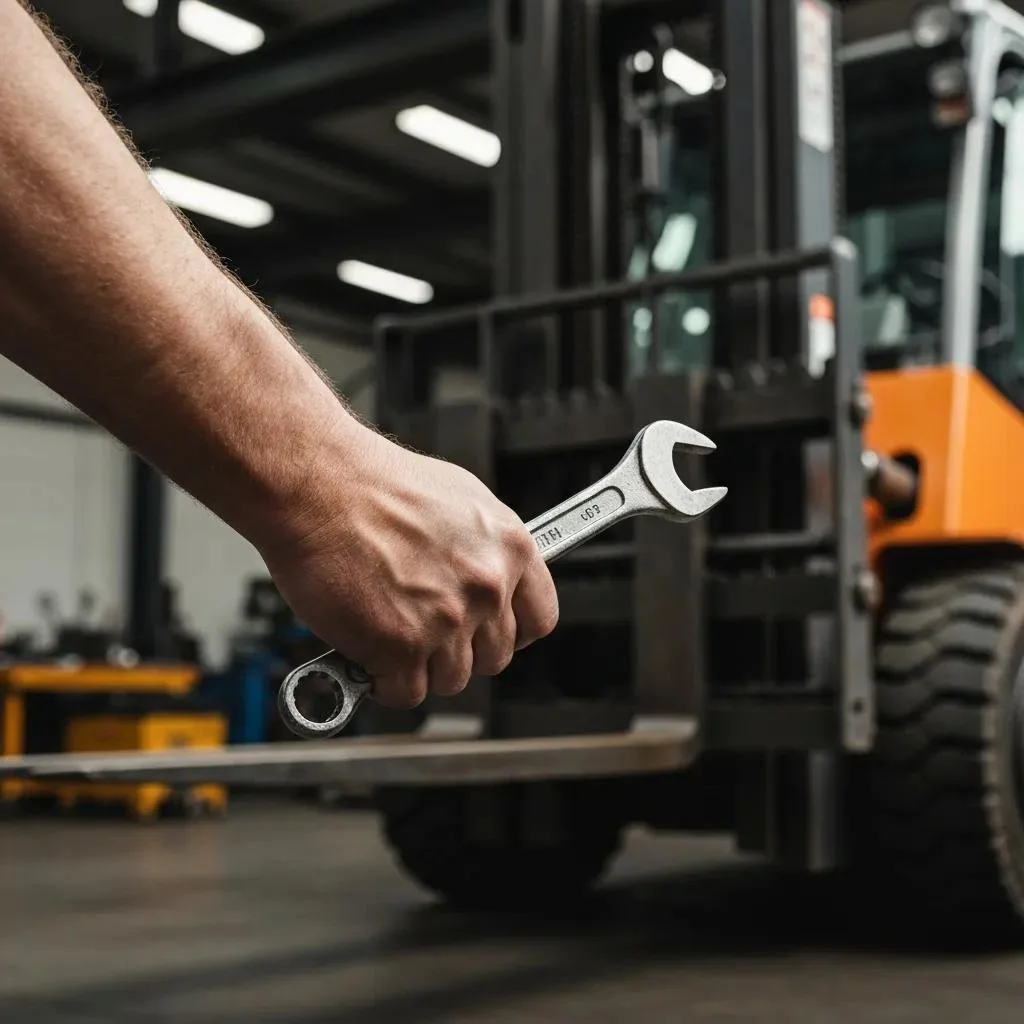
Choosing the right commercial forklift tynes for sale begins with understanding what tynes are and how they affect lifting performance, safety, and lifecycle cost. This guide explains core concepts, compares common tyne types and materials, outlines selection criteria for different forklift classes, and provides actionable inspection and maintenance guidance aligned with Australian practice. Many operators face downtime, incorrect load handling, or premature wear because they select tynes without matching load capacity, mounting type or material to their application; this article promises a clear decision framework to avoid those outcomes. You will learn how dimensions and material properties map to rated load capacity, what inspection thresholds to follow, and which tyne types suit niches such as coil handling, drum lifting or food-grade environments. The sections that follow define commercial forklift tynes, catalogue types and industry uses, present a selection checklist and EAV comparison tables, detail Australian safety and maintenance expectations, identify reliable suppliers, and show how specifications affect suitability for your business. What Are Commercial Forklift Tynes and Why Are They Essential? Commercial forklift tynes are the load-bearing blades attached to a forklift that lift, support and transport loads; they transfer weight through the shank and heel to the carriage and mast. The mechanism is simple but critical: correct tyne design distributes load, maintains stability, and preserves safe working load (SWL) margins, reducing tip risk and damage to loads. Using properly specified tynes improves throughput and reduces accidents, while undersized or worn tynes cause capacity loss, uneven wear and potential regulatory non-compliance. Understanding these fundamentals helps procurement teams and operators prioritise durability, fitment and inspection regimes to maintain uptime and safety across warehouse and construction contexts. What Are the Key Components of Forklift Tynes? A tyne comprises distinct parts, the shank, blade, heel, tip and mounting hardware, each influencing performance and wear patterns. The shank connects to the carriage and transfers bending loads; the blade is the main load-bearing surface whose thickness and taper determine stiffness and deflection; the heel supports the blade near the carriage and is a common stress concentration point. The tip contacts the load and must remain within wear limits to preserve load centre assumptions, while mounting components (hooks, pins, bolts) determine compatibility with forklift classes and attachment options. Inspecting these ergonomic parts regularly helps detect cracks, bending or excessive wear before capacity is compromised, which naturally leads into how tynes impact operations day-to-day. How Do Forklift Tynes Impact Warehouse and Construction Operations? Forklift tynes directly influence throughput, load stability and workplace safety by determining how loads are handled and how fast operators can move materials without risk. In warehouses, the right tyne length and width match pallet sizes and load centres to maximise rated capacity and reduce pallet damage; in construction, heavy duty forklift tynes with greater thickness and reinforced heels resist abrasion and impact from uneven loads. Incorrect tyne choice increases cycle time, heightens damage risk and raises maintenance costs as operators compensate for poor fitment. Improving tyne selection and inspection routines therefore reduces downtime and protects both product integrity and operator safety, which brings us to the catalog of tyne types suited to specific tasks. What Are the Different Types of Forklift Tynes and Their Uses? Forklift tynes come in many hyponym types, standard, tapered, coil, drum, telescopic, stainless steel, block and lumber, each designed for specific handling tasks and environments. The mechanism behind each type varies: tapered tynes ease entry into pallets, coil tynes include radius profiles or shelves for round loads, drum tynes are shaped or fitted with cradles for cylindrical stability, and telescopic tynes extend to handle long loads while preserving maneuverability. Choosing a type aligns with operational needs such as load shape, hygiene requirements or reach, and the right selection reduces load damage and improves cycle times. The following subsections examine heavy-duty choices and specialty stainless steel options for niche industries, clarifying pros, cons and typical use-cases. Which Forklift Tyne Types Are Best for Heavy Duty and Industrial Use? For heavy duty industrial use, thicker, full-section block or heavy-duty tapered tynes made from high-strength steel are preferred because they resist bending and groove wear under repeated overload cycles. These tynes pair with higher forklift tyne classes (2, 3, 4) and are often heat-treated or surface-hardened to extend life in abrasive environments; the choice also depends on tip geometry and heel reinforcement to limit stress concentrations. Example applications include steel distribution, pallet racking with dense loads and construction materials where impact resistance and minimal deflection are priorities. Evaluating wear rates and expected duty cycles helps specify the correct thickness and material grade, leading naturally into when stainless or specialty tynes are the better option. How Do Stainless Steel and Specialty Forklift Tynes Serve Specific Industries? Stainless steel forklift tynes address corrosion and hygiene demands in food processing, pharmaceuticals and chemical handling by providing corrosion resistance and easy cleaning, which preserves load integrity and meets industry hygiene expectations. Specialty tynes such as telescopic or rotating designs enable unique operations, telescopic tynes extend into vehicles or narrow stacks, while rotating or adjustable tynes permit precise load orientation, but they require compatible mounting and hydraulic or mechanical controls. Selecting specialty tynes involves balancing initial cost against safety and lifecycle benefits, especially where contamination or corrosion would otherwise shorten tyne life. Understanding these trade-offs supports procurement decisions and operational planning for specialty applications. How Do You Choose the Right Commercial Forklift Tynes? Choosing the right commercial forklift tynes combines four core criteria: rated load capacity and load centre, forklift class compatibility, material and corrosion resistance, and mounting type and fitment. The mechanism of choice is to match the SWL and load-centre calculation on the forklift plate to the intended load profile; material and mounting decisions follow from environmental exposure and attachment compatibility. A structured checklist simplifies decisions, ensuring you compare dimensions, thickness, mounting type and service conditions before purchasing or hiring. The EAV comparison table below converts common tyne types into recommended use-cases, capacity guidance and pros/cons to help buyers match tyne types
Different Forklift Tynes for Sale: What to Consider When Choosing the Right Forklift Tynes
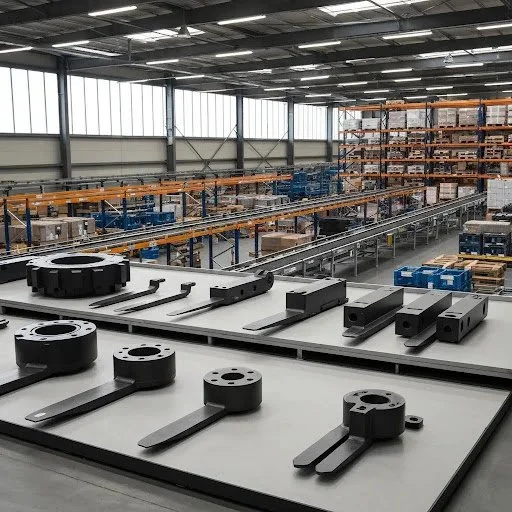
Forklift tynes are the load-bearing forks fitted to a lift truck; choosing the right type affects safety, operational efficiency and equipment compatibility. This guide explains types of forklift tynes for sale, how tynes function, what dimensions and mounting classes matter, and how material and maintenance decisions influence long-term performance. Many operators face uncertainty when matching tynes to specific loads, which can lead to premature wear or reduced lift capacity; this article provides actionable checks and practical examples to reduce that risk. You will learn tyne anatomy, common tyne varieties and their ideal applications, the key measurement and mounting checks to perform, and how to align material choices with operating environments and AS 2359 compliance. The following sections cover tyne components, a comparative table of types and uses, a step-by-step selection checklist, material comparisons with an EAV table, safety and compliance advice tied to Australian standards, and maintenance schedules for longer service life. Throughout, the content integrates industry terms like ITA/FEM mounting classes, load centre, wear limits and inspection protocols to help technicians and fleet managers make confident purchasing choices. Mandarin Imports and Exports is a Sydney-based forklift parts supplier and warehouse solutions provider that offers a wide range of forklift attachments, including forklift tynes, and provides after-sales support to operators. This article is educational in intent but readers who want to see product options can consult Mandarin Imports and Exports’ product catalogue or request specification support from the supplier. The remainder of the guide focuses on practical selection and safety guidance, with brief references to supplier capabilities where they help match buyers to the right tyne. What Are Forklift Tynes and What Are Their Key Components? A forklift tyne is the primary load-bearing attachment on a lift truck that transmits load forces to the carriage and mast; its design determines how weight is carried, concentrated and stabilised. The tyne functions by combining structural elements blade, shank, heel, tip and retention hooks so that load centre, thickness and contact area control lifting capacity and wear distribution. Correctly specified tyne geometry reduces stress concentrations and preserves the forklift’s rated capacity, while unsuitable design increases tip wear and alters the effective load centre. Understanding tyne anatomy lets technicians interpret wear patterns and make informed replacements or upgrades that restore safe handling performance. The next subsections break down individual parts and explain how tynes operate in different material-handling contexts. What Are the Main Parts of a Forklift Tyne? The main parts of a fork tyne each play a specific structural or retention role and therefore influence inspection priorities and replacement criteria. The blade provides the flat bearing surface that supports pallet or unit loads and determines contact area; excessive blade wear reduces reserve capacity and increases slippage risk. The shank links the blade to the heel and transfers bending loads to the carriage; shank strength governs overall tyne stiffness and affects rated load capacity. The heel and tip are common wear points the heel where the tyne mates with the carriage and the tip where abrasion occurs and both should be measured against wear limits during inspections. Locking hooks and retention pins keep tynes secured to the carriage, and damaged or missing pins are immediate safety issues that require removal or repair before use. How Do Forklift Tynes Function in Material Handling? Tynes function by transmitting vertical and bending loads while maintaining a predictable load centre that the forklift’s lifting chart assumes when calculating safe capacity. Load distribution across the blade determines how the lift truck perceives weight; concentrated or unbalanced loads move the effective load centre forward and can reduce the allowable lift capacity significantly. For palletised handling, broad blades distribute weight evenly and preserve stability, whereas irregular loads such as coils need shaped contact surfaces or cradles to avoid shifting and to keep the centre of gravity controlled. Operators must match tyne type and length to load geometry to prevent tipping and to ensure the forklift’s rated capacity is not unknowingly exceeded, which leads directly into considerations for choosing the right tyne. What Are the Different Types of Forklift Tynes and Their Applications? There are several hyponyms within the tyne family standard, tapered, full-tapered, coil, drum, telescopic, stainless and heavy-duty tynes each engineered for specific load types and industries. Selecting among these types requires balancing contact area, insertion ease, corrosion resistance and bending strength, depending on whether you handle pallets, coils, drums or hygienic loads. Below is a concise EAV comparison to help you quickly match tyne types to applications and approximate load ranges for common uses. What Professional Maintenance Tips Help Prevent Tyne Damage? This EAV table highlights the primary operational match between tyne type and application so technicians can rule in or rule out types quickly. The next subsections compare standard vs tapered choices and describe how specialty tynes differ in structure and safety considerations. What Are Standard and Tapered Forklift Tynes Used For? Standard tynes are the workhorse for warehouses and logistics operations because their flat, rectangular blades give a wide bearing surface that spreads load forces and resists localised bending. Tapered and full-tapered tynes reduce tip width to allow easier penetration into pallets and narrow racking, making them preferable where insertion speed and precision are priorities. The trade-off is that tapered tips concentrate stress near the tip area and may wear faster under heavy, abrasive loads, which means tapered designs are best for lighter, more precise handling rather than brute-force lifting. When choosing between them, evaluate typical load profiles and insertion requirements if most tasks are pallet-to-rack placements with frequent horizontal insertion, tapered tynes can improve cycle times without sacrificing safety. How Do Specialty Tynes Like Coil, Drum, and Stainless Steel Forklift Tynes Differ? Specialty tynes are engineered to address geometry, hygiene and attachment needs that standard forks cannot safely meet; designs include curved profiles, hooks, cradle clamps and corrosion-resistant materials. Coil handling tynes use a curved shape to cradle rolled steel or textile coils and maintain contact over a wider arc, reducing localised pressure and the
Forklift Tynes Specifications: What You Need to Know for Safe and Efficient Material Handling
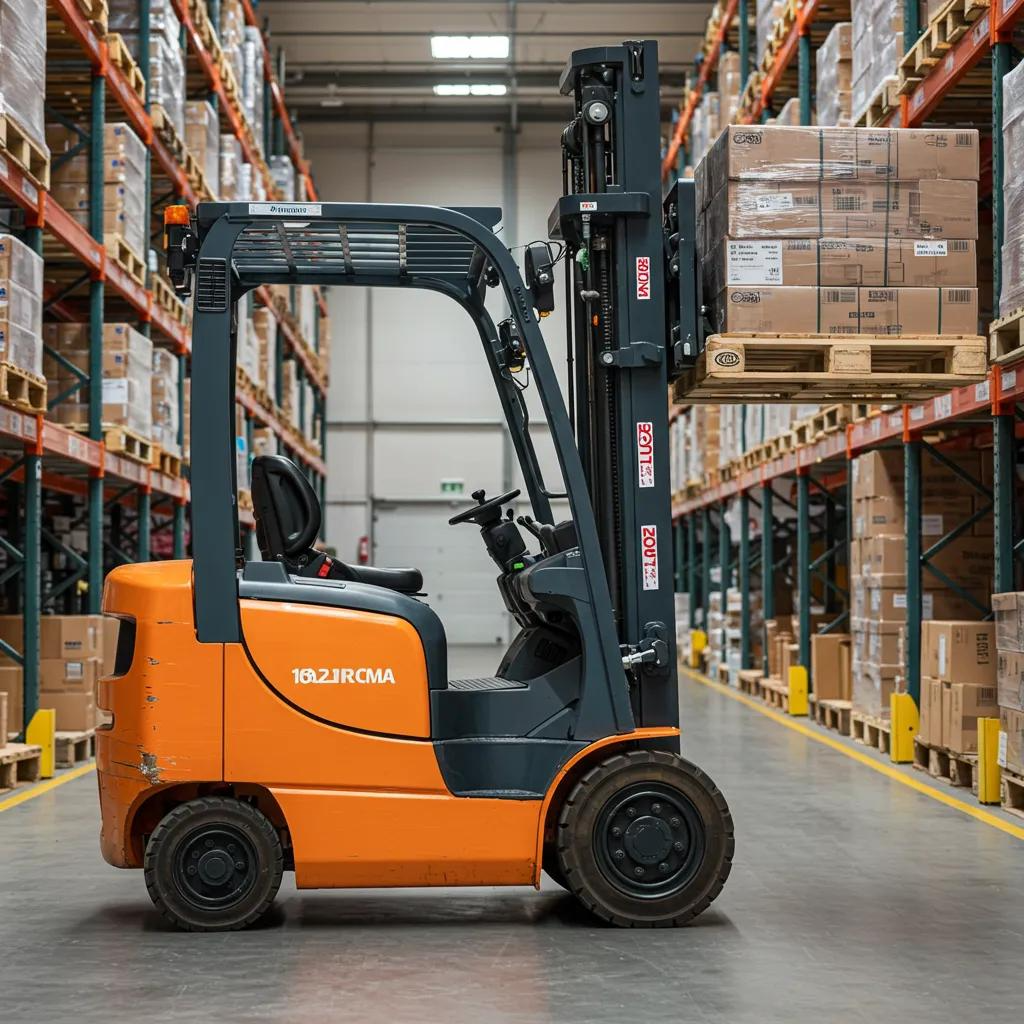
Forklift tynes are the load-bearing blades attached to a forklift carriage that support, lift, and position pallets and other loads; correct tyne specifications directly influence safety, rated capacity, and operational efficiency. This guide explains the anatomy, critical dimensions, mounting compatibility, and common tyne types so you can measure, inspect, and select tynes that match your loads and forklifts. Many workplaces face reduced lifting capacity, unstable loads, or accelerated wear when tyne length, width, or mounting class are mismatched, and the following sections show how to avoid those pitfalls with practical measurement, maintenance, and selection steps. You will find precise measurement methods for length, width, and thickness, worked examples of load centre effects on capacity, a decision matrix for matching tynes to applications, inspection checklists with wear-limit guidance, and recommended repair-versus-replace criteria. The article also describes material and manufacturing differences that affect durability and explains specialty attachments for drums, carpets, and other non-pallet loads. Read on for annotated tables, step-by-step lists, and supplier-aware advice to help you choose and maintain the right forklift tynes for safe, efficient material handling. What Are Forklift Tynes and Why Are Their Specifications Important? Forklift tynes are structural lifting attachments, often called forks or tines, designed to carry loads safely by transmitting forces from the load to the forklift carriage and mast. The way a tyne is shaped, mounted, and rated determines how the forklift behaves under load, affecting stability, wear, and the machine’s rated capacity. Accurate specifications, length, width, thickness, mounting class, and rated load centre, translate directly into predictable lifting performance and compliance with safety standards, reducing the risk of tip-over or dropped loads. Understanding the tyne’s components and specification limits is the first step to safe selection, which leads naturally into how to measure each dimension reliably and interpret load centre effects. What are the main components of forklift tynes? A typical tyne comprises a blade, shank, heel, and tip, plus mounting hooks or locking pins that attach it to the carriage; each part performs a defined structural role. The blade is the flat, load-bearing surface that slides under pallets and materials, and it commonly experiences frictional wear on its underside and tip. The shank provides vertical height and connects the blade to the heel and mounting assembly, carrying bending loads into the carriage; shank damage affects capacity and alignment. The heel and tip control load balance and entry clearance respectively, and locking pins or hooks ensure secure mechanical engagement; worn tips and loose pins are frequent causes of unsafe loading, which is why operators should inspect those parts regularly before shifting to measurement procedures. Major tyne parts to inspect include blade underside, tip, shank alignment, and locking pins. Wear concentrates at the tip and underside; the shank shows bending when overstressed. Secure mounting hardware prevents lateral movement and ensures rated capacity transfer. These component roles lead directly into how specific tyne specifications, length, width, and thickness, are measured and why they matter for rated capacity. How do forklift tyne specifications impact safety and performance? Tyne dimensions and mounting influence rated capacity because load centre and moment arms change the effective load seen by the mast and tyres, altering stability and lift performance. For example, moving a 2,500 kg load from a 500 mm load centre to 600 mm may reduce the effective capacity by a proportional factor based on the forklift’s capacity curve, increasing the risk of overload and instability. Incorrect mounting class or inadequate thickness increases bending and fatigue risk, shortening service life and risking sudden failure under cyclic loading. Measuring dimensions and verifying compatibility against the forklift’s rating plate is therefore essential to maintain safety margins; next we explain precise steps to measure length, width, thickness, and mounting class so you can quantify these effects. What Are the Key Forklift Tyne Dimensions and How Do You Measure Them? Key tyne dimensions, length, width, and thickness, define how a tyne interfaces with loads and determine clearance, capacity, and wear behaviour. Measuring each dimension with consistent reference points yields accurate data for capacity calculations and compatibility checks. Alongside those measurements, the load centre and mounting class connect dimensional data to the forklift’s rated capacity and carriage fitment, so operators should record and compare these values to manufacturer guidelines before using new or replacement tynes. The following subsections define each measurement and provide a quick-reference table to speed decision-making. How is forklift tyne length, width, and thickness defined? Tyne length is measured from the heel face (where the tyne seats on the carriage) to the tip edge; standard lengths commonly range from 900 mm for compact applications up to 2400 mm for long-load handling. Width is the blade’s top surface dimension and typically falls between 80 mm and 200 mm depending on pallet and load types; wider blades reduce tip pressure but can hinder pallet entry in tight pallets. Thickness is measured as the blade’s vertical section height at the heel and affects bending stiffness; thicker blades resist deflection under heavy loads but add weight and cost. Accurate measurement technique, using fixed reference points and calibrated tape or callipers, prevents errors that can misrepresent load centre calculations and compatibility. This table provides a quick reference to common ranges, and the next subsection links length and placement to load centre and rated capacity effects. What is load capacity and load centre, and why do they matter? Load capacity is the maximum safe lifting weight a forklift can handle at a specified load centre, and the load centre is the horizontal distance from the fork leading face to the load’s centre of gravity. Forklift capacity is stated at a standard load centre (commonly 500 mm); whenever the actual load centre increases, the effective capacity reduces according to the truck’s capacity chart because the moment increases. For instance, a 2,500 kg rating at 500 mm may drop significantly when the load centre shifts to 600 mm, this reduction follows the truck’s rated capacity curve and must be calculated before operation. Always verify the forklift’s rating
Forklift Jib Safety Regulations You Must Know: Australian Standards, Inspections, and Safe Operation
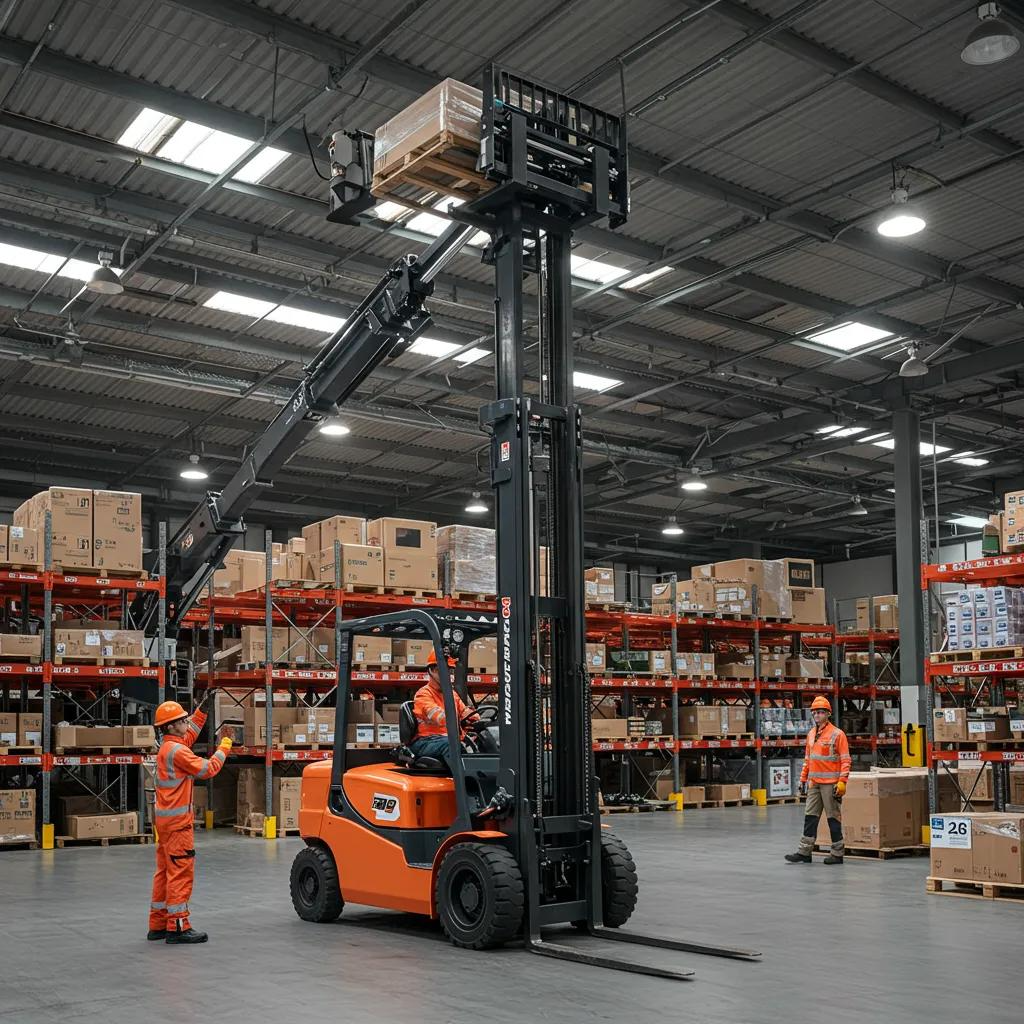
Forklift jib safety regulations establish the design, inspection, and operational benchmarks that protect personnel and property when handling suspended loads with jib attachments. Understanding these mandatory requirements not only ensures compliance with AS 2359.1 and AS 1418.1 but also minimises workplace incidents by enforcing proper capacity derating, rigorous inspections, and comprehensive operator training. This guide breaks down the key Australian Standards governing forklift jibs, outlines best practices for safe operation, details inspection and maintenance protocols, clarifies training obligations, and helps you choose the right jib and safety accessories for your business. Whether you manage a construction site or run a busy warehouse in Sydney, these insights from a forklift specialist will build trust in your equipment choices and demonstrate how quality forklift jib attachments from Mandarin Imports & Exports support your compliance and productivity goals. What Are the Key Australian Standards for Forklift Jib Safety? Australian Standards set the technical and safety requirements for forklift jib design, manufacture, and use, forming the regulatory backbone for material-handling attachments. By following these standards, businesses align with legal and engineering criteria that define load ratings, structural integrity, and labeling. Compliance ensures that jibs operate within safe working load limits and that forklift systems maintain stability, preventing tip-overs and component failures. What Does AS 2359.1 Specify for Forklift Jib Attachments? AS 2359.1:2019 defines safety, strength, and testing criteria for industrial truck attachments, including jibs. It mandates rated capacity markings, design factors of safety, and load-testing procedures to verify structural performance. Manufacturers must certify that each jib undergoes proof testing at 1.25 times its working-load limit and clearly display load-center specifications. Following these provisions helps operators match the correct jib to the application and reduces the risk of overloading. How Does AS 1418.1 Relate to Forklift Jib Lifting Equipment? AS 1418.1:2002 governs general lifting equipment standards, covering design requirements, load testing, and marking for hooks, chains, and structural components. When applied to forklift jibs, this standard ensures that lifting points, retaining pins, and safety chains meet defined mechanical properties and fatigue criteria. By integrating AS 1418.1 attributes into jib manufacture, businesses achieve a cohesive safety system that aligns with both attachment and crane-related regulations. What Are WorkSafe Australia and SafeWork NSW Guidelines for Forklift Jibs? WorkSafe Australia and SafeWork NSW publish guidance on attachment compatibility, pre-use checks, and operator responsibilities for forklift jibs. Their recommendations include verifying compliance plates, confirming manufacturer approval for attachments, and enforcing exclusion zones around suspended loads. Inspectors emphasise maintaining clear load-chart references and ensuring that tag lines control load swing. Adhering to these guidelines bridges the gap between national standards and on-site best practices. What Legal Obligations Do Forklift Jib Owners and Operators Have? Owners and operators must ensure that every forklift jib carries a compliance plate, matches the forklift’s capacity data, and remains within derated limits when extended. Legally, competent persons must perform inspections, maintain records of tests and repairs, and provide proof of annual load testing. Failure to meet these obligations can lead to enforcement actions, fines, and increased liability in the event of workplace incidents. How Do You Safely Operate a Forklift Jib? Best Practices and Procedures Safe operation of a forklift jib combines clear procedures, right-sized equipment, and skilled operator actions to manage suspended loads without compromising stability. Implementing structured checklists, understanding derating principles, and applying proper rigging techniques form the foundation of every lift. Consistent adherence to these practices reduces the chance of accidents and demonstrates a commitment to workplace safety. What Is a Forklift Jib Safe Operating Procedure (SOP) Checklist? A structured SOP checklist guides operators through initial preparations, lift execution, and shutdown. It includes verifying jib-to-fork engagement, confirming compliance with load-charts, and checking for alignment of retaining pins. The checklist also covers establishing clear communication signals and exclusion zones, ensuring lift paths are free of obstacles, and verifying emergency stop functions. Regular use of this SOP fosters routine safety habits among operators. How Does Derating Affect Forklift Capacity When Using a Jib? Derating reduces a forklift’s rated capacity when attachments like jibs extend the load’s center of gravity. By applying derating factors specified in AS 2359.1, operators calculate the maximum safe load based on jib length and lift height. This mechanism protects against tipping by ensuring that extended loads remain within safe stability envelopes, promoting safer handling of over-height or narrow-footprint lifts. What Are Proper Rigging and Load Handling Techniques for Forklift Jibs? Proper rigging involves selecting slings, hooks, and shackles rated above the jib’s working-load limit, positioning tag lines to control load sway, and ensuring balanced hitch points. Load handling best practices include lifting with slow, steady motions, maintaining clear sightlines, and never exceeding the jib’s horizontal center-of-gravity limits. These techniques collectively keep suspended loads secure and predictable during movement. How Can Common Forklift Jib Accidents and Hazards Be Prevented? Preventing accidents requires addressing pinch points, avoiding side pulls that stress pivot joints, and prohibiting lifts over personnel. Risk mitigation also involves marking exclusion zones, using spotters for blind lifts, and conducting toolbox talks on situational hazards. By combining engineering controls, administrative rules, and personal vigilance, teams can eliminate most common jib-related incidents. What Are the Inspection and Maintenance Requirements for Forklift Jibs? Inspection and maintenance routines ensure that forklift jibs remain structurally sound, functional, and compliant with safety regulations. Scheduled checks identify wear, deformation, and corrosion before failures occur, while maintenance interventions restore original load-bearing capacity. A systematic program extends attachment life and supports uninterrupted operations. What Should Be Included in Daily Pre-Start Checks for Forklift Jib Safety? Daily pre-start checks cover visual inspections of welds, pins, and safety chains, verification of load-chart legibility, and confirmation of correct pocket sizes. Operators must also confirm that jibs lock securely into fork pockets and that hook and latch mechanisms engage properly. These steps detect immediate hazards and establish a baseline for attachment condition before each shift. How to Conduct a Comprehensive Forklift Jib Inspection and Maintenance? A comprehensive inspection by a competent person includes non-destructive testing of critical points, validation of working-load
Best Practices for Safer Forklift Jib Operations: Comprehensive Safety Guidelines and Procedures
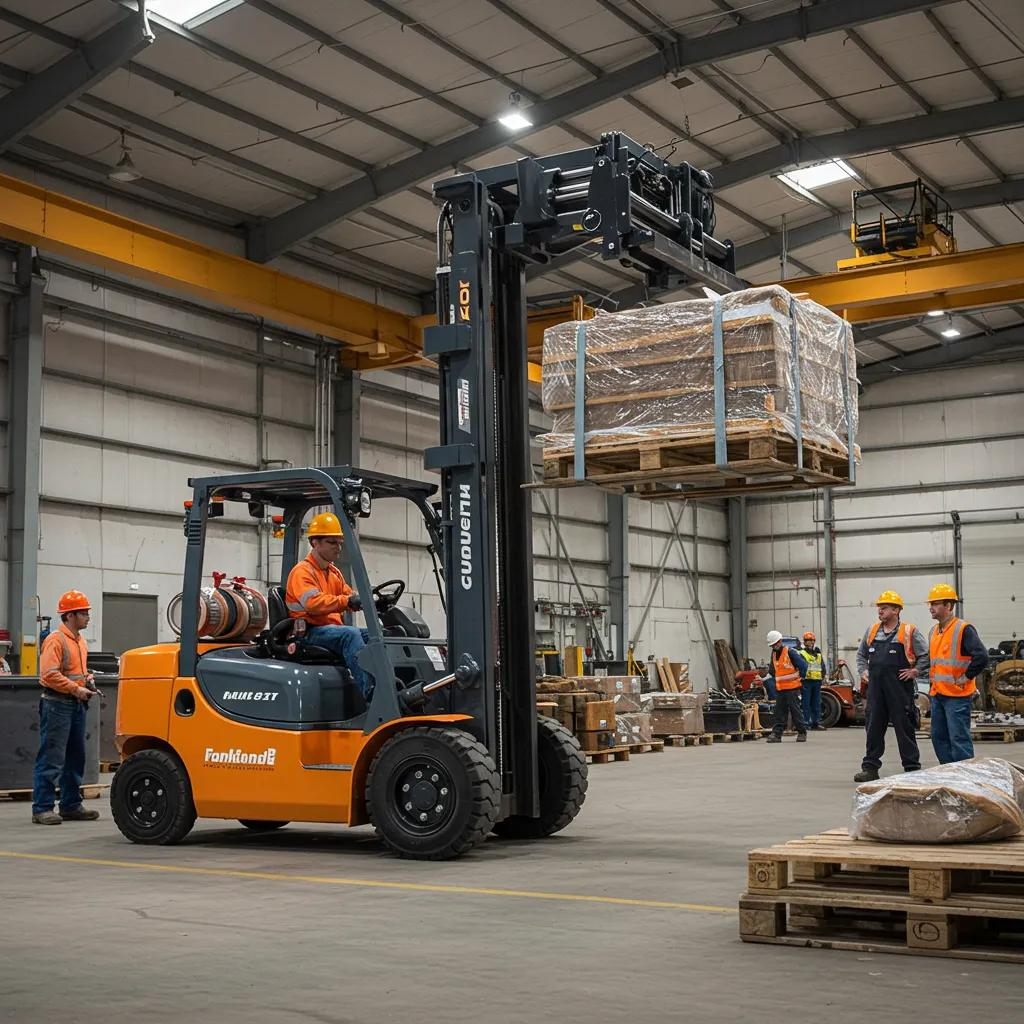
Forklift lifting jibs transform industrial trucks into versatile lifting tools, yet improper use multiplies hazards. Implementing best practices for forklift jib use ensures secure handling of irregular or bulky items, minimizes downtime, and protects personnel. In this guide, you will discover what jibs are, how to inspect and operate them safely, how to calculate load capacity, and how to comply with Australian standards. We’ll explore operator training, maintenance routines, and emerging safety technologies, while highlighting how Mandarin Imports & Exports quality forklift lifting jibs support reliable performance and long-term efficiency. What Are Forklift Jibs and Why Is Safety Essential? A forklift jib is a slip-on or carriage-mounted extension that attaches to forklift tynes, enabling suspended lifting beyond standard fork reach. Because jibs alter load dynamics and center of gravity, understanding their design, capabilities, and limitations is vital. Properly selected and maintained jibs improve site productivity but demand rigorous safety protocols to prevent tip-overs, overloading, and inadvertent load swings. What Types of Forklift Jibs Are Commonly Used? The market features three primary jib categories suited to varying tasks and capacities. Each jib type balances reach, load capacity, and attachment style, so operators must match jib specifications to lifting requirements. Selecting the correct jib lays the foundation for safe operations and stable material handling. How Do Forklift Jibs Enhance Material Handling Efficiency? Forklift jibs increase operational versatility by enabling load placement in hard-to-reach areas, reducing manual handling. Benefits include: 1. Faster positioning of irregular or bulky loads with minimal repositioning of the forklift. 2. Improved throughput by lifting items over obstacles or into confined spaces. 3. Enhanced workflow continuity when combining jibs with tag lines and proper load control techniques. These advantages streamline warehouse and construction site operations, supporting consistent productivity improvements and cost-efficiency. What Are the Key Safety Risks Associated with Forklift Jib Operations? Operating with a jib introduces distinct hazards that demand mitigation: Tip-over Risk: Extended loads shift the center of gravity forward, increasing rollover potential. Load Swing: Suspended loads can pendulate, striking personnel or structures. Overloading: Exceeding jib-specific capacity leads to structural failure or equipment damage. Attachment Failure: Improperly secured hooks, pins, or shackles can disengage under load. Recognising these risks drives the implementation of robust best practices for forklift jib use and shields both staff and assets from harm. How Do You Perform Pre-Operation Safety Checks for Forklift Jibs? Daily safety checks form the first line of defense against mechanical failures or unsafe site conditions. A structured pre-operation routine enhances reliability by ensuring all components are fit for service and the environment is suitable for jib use. Research indicates that a structured pre-operational inspection program, supported by management and proper training, is crucial for reducing accidents and ensuring peak performance of forklifts. Forklift Pre-Operational Inspection Program: Factors Influencing Implementation and Safety In many different industries, forklifts are essential for material handling and logistics. However, operators and bystanders must be careful because of the inherent risks associated with their use. A thorough inspection of important forklift parts, such as the brakes, tires, steering mechanisms, hydraulics, and safety features, is part of a systematic pre-operational inspection. Pre-operational inspection is done to reduce accidents and ensure peak performance. This study examines the value of pre-operational inspection in forklift maintenance and operation through the eyes of the forklift operators. A survey was conducted on 52 forklift operators to determine the driving factors behind their desire to perform the pre-operational inspection. Structural equation modelling was utilized to explore the relationship between dependent and independent variables. Results showed that forklift operators considered the existence of guidelines, management support, training and certifications, and feedback mechanisms in having a successful forklift inspection program. The results were used to improve the existing inspection training program and to aid the organization in determining the factors they should focus on regarding implementing the program. Factors Influencing the Implementation of a Forklift Pre-operational Inspection Program, MML Cahigas, 2024 What Should Be Included in a Forklift Jib Inspection Checklist? A comprehensive inspection covers critical connection and structural elements before each shift: Verify locking pins and safety chains are intact and free of deformation. Examine hooks and shackles for cracks, excessive wear, or corrosion. Inspect swivel eye and attachment points for secure fitting and correct orientation. Check forklift tynes for straightness and correct spacing to distribute load evenly. Confirm jib capacity plate is legible and matches forklift load rating. These checks prevent unnoticed damage from evolving into serious incidents and set the stage for controlled lifting. How Do You Assess Site Conditions Before Using a Forklift Jib? Evaluating ground stability and clearance eliminates environmental hazards: Ensure ground surface is level, firm, and free of pits, debris, or slippery substances. Verify overhead clearances exceed the maximum jib lift height plus safety margin. Confirm absence of nearby power lines, scaffolding, or obstructive protrusions. Assess visibility conditions, especially in low-light or dusty environments. Effective site assessment reduces the likelihood of accidents and supports uninterrupted, safe forklift jib deployment. What Are the Steps to Securely Attach a Forklift Jib? Attaching a jib correctly locks it in place and aligns load forces: 1. Position forklift on level ground with brakes applied. 2. Slide tynes fully into the jib’s carriage slots until fully seated. 3. Insert locking pins through the carriage mount and secure with retention clips. 4. Attach safety chain or restraint cable between jib and forklift carriage. 5. Lift jib slightly to verify secure engagement without play. Following this sequence guarantees robust mechanical connection and readies the jib for controlled load handling. What Are the Safe Operating Procedures for Using Forklift Jibs? Safe operation involves proper load control, precise maneuvering, and strict adherence to equipment limits. Establishing standardized procedures mitigates dynamic forces that can destabilize the forklift or cause load damage. How Should Loads Be Secured and Lifted with a Forklift Jib? Loads must be attached and raised in a controlled fashion: Use slings or chains rated for the load’s weight and shape. Attach tag lines to control load rotation and prevent swinging. Center the