

Container Ramps: Enhancing Efficiency and Safety in Loading Operations
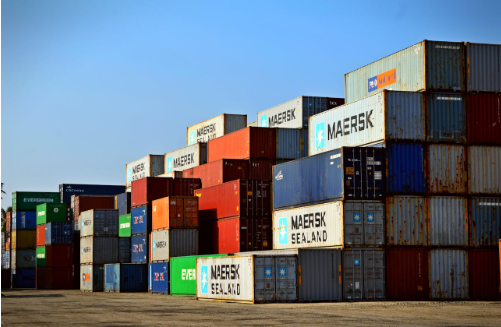
Written By : Serene In the fast-paced world of logistics and warehousing, efficiency and safety are paramount. When it comes to loading and unloading shipping containers, having the right equipment can make all the difference. Enter container ramp: An essential tool designed to streamline loading operations while ensuring the safety of workers. In this article, we’ll explore the importance of these ramps, their benefits, and how to choose the right one for your needs. Understanding Container Ramps Container ramps are inclined planes used to bridge the gap between the ground and the container floor. They allow forklifts, pallet jacks, and other equipment to move smoothly in and out of containers. Portable ramps and loading ramps come in various sizes and materials, catering to different needs and environments. Types of Container Ramps There are several types of ramps available, each suited for specific applications: Portable Ramps: These ramps are lightweight and easy to move, making them ideal for temporary or mobile operations. They are often made of aluminum or steel, offering a balance of strength and portability. Loading Ramps: Designed for more permanent installations, loading ramps are typically heavier and more robust. They are suitable for high-traffic areas where frequent loading and unloading occur. Custom Ramps: For unique loading requirements, custom ramps can be designed to accommodate specific container sizes, weights, and operational needs. Benefits of Using Container Ramps The use of ramps in loading operations offers numerous advantages: Improved Safety One of the primary benefits of ramps is enhanced safety. By providing a smooth transition between the ground and the container, ramps reduce the risk of accidents and injuries. Workers are less likely to trip or fall when moving heavy equipment in and out of containers. Increased Efficiency Ramps significantly improve the efficiency of loading operations. With a ramp in place, forklifts and pallet jacks can quickly access the container, reducing loading and unloading times. This increased efficiency leads to faster turnaround times and improved productivity. Versatility Ramps are versatile and can be used in various settings, from warehouses to construction sites. They can accommodate different types of equipment, making them a valuable addition to any loading operation. Cost-Effective Investing in a ramp can lead to cost savings in the long run. By reducing the time and labor required for loading operations, businesses can lower their operational costs and increase profitability. Choosing the Right Container Ramp When selecting a ramp, several factors should be considered to ensure it meets your specific needs: Load Capacity The load capacity of a ramp is crucial. It must be able to support the weight of the heaviest equipment and cargo that will be used. Overloading a ramp can lead to structural failure and accidents. Material Ramps are typically made from steel or aluminum. Steel ramps are more durable and can handle heavier loads, while aluminum ramps are lighter and easier to move. The choice of material will depend on the specific application and operational needs. Surface The surface of the ramp should provide good traction to prevent slipping. Many ramps feature a serrated or textured surface to enhance grip, especially in wet or icy conditions. Mobility Consider whether you need a portable ramp that can be easily moved or a more permanent installation. Portable ramps offer flexibility, while fixed ramps provide stability for high-traffic areas. Maintenance Regular maintenance is essential to ensure the longevity and safety of a ramp. Inspections should be conducted periodically to check for signs of wear and tear, such as rust or damage to the surface. Addressing issues promptly can prevent accidents and extend the life of the ramp. Implementing Container Ramps in Your Operations To effectively integrate ramps into your loading operations, follow these steps: Assess Your Needs Start by evaluating your specific loading requirements. Consider the types of equipment you use, the frequency of loading operations, and the weight of your cargo. This information will help you choose the right ramp for your needs. Plan the Layout Determine the best location for the ramp in your facility. It should be easily accessible to both equipment and workers. Ensure there is enough space for safe maneuvering and loading. Train Your Team Provide training for your team on the proper use of ramps. Emphasise the importance of safety and demonstrate the correct techniques for loading and unloading. Regular training sessions can help prevent accidents and ensure smooth operations. Monitor and Adjust Regularly monitor the performance of your ramps and make adjustments as needed. If you notice any issues with efficiency or safety, address them promptly to maintain optimal operations. Conclusion Container ramps are a vital component of efficient and safe loading operations. By bridging the gap between the ground and the container, they enhance safety, increase efficiency, and provide versatility. When choosing a ramp, consider factors such as load capacity, material, and mobility to ensure it meets your specific needs. With the right ramp in place, your loading operations can run smoothly and safely, contributing to the overall success of your business.
Head Gasket Repair: Essential Steps and Considerations for a Successful Fix
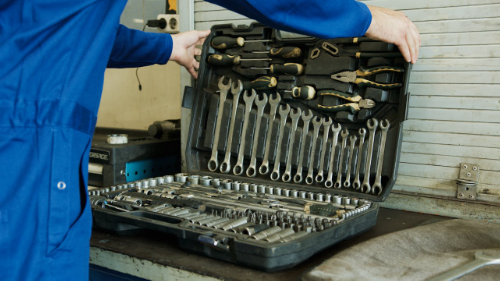
Written By : Serene Before diving into repair procedures, it’s important to understand what a head gasket does. It sits between the engine block and the cylinder head, playing a vital role in maintaining engine pressure and keeping fluids separate. This separation is crucial for the efficient operation of the engine, as any breach can lead to severe issues such as overheating or engine knocking. The head gasket also helps maintain the compression required for the engine to function optimally. Thus, understanding its role is the first step in addressing any potential problems. Signs of a Blown Head Gasket Recognising the symptoms of a blown gasket early can save you from further damage. Common signs include: Overheating: If your engine temperature is consistently high, it might indicate a problem. This is often due to coolant leakage, which reduces the system’s ability to manage heat effectively, leading to potential engine damage if not addressed. White Smoke: White smoke from the exhaust can be a sign that coolant is leaking into the combustion chamber. This smoke is often accompanied by a sweet smell, indicating that antifreeze is burning along with the fuel. Milky Oil: Check your oil dipstick. If the oil looks milky, it might be contaminated with coolant. This mixture compromises the oil’s lubricating properties, which could lead to increased engine wear and damage over time. Loss of Power: A noticeable drop in engine performance is often a symptom. This occurs because a blown gasket can disrupt the compression process, leading to inefficient fuel combustion and decreased engine output. Preparing for the Repair Safety First Safety should always be your top priority when working on your vehicle. Wear protective gear like gloves and goggles, and ensure that your workspace is well-ventilated. Always disconnect the battery before starting work to avoid any electrical hazards. Additionally, ensure that the vehicle is on a stable surface and use appropriate jacks and stands to prevent accidental slippage. Taking these precautions can prevent injuries and create a safer environment for conducting repairs. Gather Necessary Tools and Parts Having the right tools and parts on hand can make the repair process smoother. Here’s a list of essentials: Socket set: A comprehensive set will allow you to tackle various bolts and fasteners throughout the repair process. Torque wrench: This tool is critical for ensuring bolts are tightened to manufacturer specifications, preventing leaks or damage due to over-tightening. Head gasket set: Ensure you have the correct gasket set for your vehicle make and model to avoid compatibility issues. Engine coolant and oil: Fresh fluids are necessary to replace those drained during the repair process, ensuring optimal engine performance. Repair manual for your specific vehicle model: This manual provides detailed instructions and specifications necessary for a successful repair. Step-by-Step Head Gasket Repair Step 1: Drain the Fluids Begin by draining the engine oil and coolant. This prevents any spills when you remove the cylinder head. Make sure to dispose of these fluids properly, as they can be harmful to the environment. Use a catch pan to collect these fluids and take them to a designated recycling center. Proper disposal is crucial, as improper handling can lead to environmental contamination and potential legal penalties. Step 2: Remove the Cylinder Head Carefully remove all components attached to the cylinder head, such as the intake and exhaust manifolds, and the valve cover. Keep track of any bolts and parts to ensure you can reassemble them correctly. It’s helpful to label each component and its corresponding hardware, which can simplify the reassembly process. Taking photos during disassembly can also serve as a visual guide when putting everything back together. Step 3: Clean the Surface Once the cylinder head is removed, clean the surface of the engine block and the cylinder head thoroughly. Any residue or debris can prevent a proper seal, leading to future leaks. Use a non-abrasive cleaner and a gasket scraper to ensure a smooth, clean surface. This step is crucial as even the smallest particle left behind can compromise the seal of the new gasket. Step 4: Inspect for Damage Inspect the cylinder head and engine block for cracks or warping. If the damage is beyond a simple gasket replacement, you may need professional machining or even a replacement. Use a straight edge and feeler gauge to check for warping, and visually inspect for cracks. If you are unsure of the extent of the damage, consulting a professional can provide clarity and prevent future issues. Step 5: Install the New Gasket Position the new gasket on the engine block. Ensure it aligns perfectly with the bolt holes and other openings. Follow the torque specifications in your vehicle’s repair manual to tighten the bolts in the correct sequence. This step is critical to prevent leaks and ensure proper engine function. Tightening in the correct sequence ensures even pressure distribution across the gasket, preventing warping or damage. Step 6: Reassemble the Engine Reattach all components you removed earlier, including the manifolds and valve cover. Ensure all bolts are tightened to the correct torque settings to avoid leaks. Double-check all connections and hoses for secure attachment, as loose components can lead to operational issues or further damage. Taking your time during reassembly can prevent mistakes and ensure a successful repair. Step 7: Refill Fluids and Test Refill the engine with new oil and coolant. Reconnect the battery and start the engine. Check for any leaks and monitor the engine temperature closely. Let the engine idle for a while and observe the temperature gauge to ensure it remains stable. A brief test drive can further confirm the success of your repair and highlight any potential issues that may need addressing. Considerations for Successful Repair Manual Handling Tips Handling heavy engine parts requires care to prevent injury. Lift with your legs, not your back, and use a dolly or hoist if necessary. If a part feels too heavy, don’t hesitate to ask for help. Proper lifting techniques are crucial in preventing back injuries and ensuring
Pallet Jacks for Sale: Selecting the Best Equipment for Your Material Handling Needs
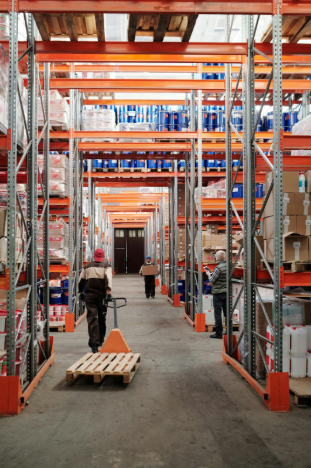
Written By : Serene Material handling is a complex process involving the movement, protection, storage, and control of materials and products throughout various stages, including manufacturing, warehousing, distribution, consumption, and disposal. Efficient material handling is not just about moving items from point A to point B; it is vital for ensuring workplace safety, reducing operational costs, and enhancing overall productivity. An effective material handling system can lead to improved workflow, minimized downtime, and increased profitability. The significance of material handling extends beyond operational efficiency. It also plays a critical role in ensuring compliance with safety regulations and standards. Poor material handling practices can lead to accidents, injuries, and even equipment damage, all of which can have severe financial and reputational repercussions for a business. Thus, investing in the right tools and equipment, such as pallet jacks, is essential for maintaining a safe and productive working environment. The Role of Pallet Jacks in Material Handling A pallet jack, sometimes called a pallet truck or pallet pump, is a device used for lifting and moving pallets. It represents the simplest type of forklift, designed for straightforward tasks. They are specifically designed to lift and transport pallets within a facility, providing a simple yet effective solution for moving goods. Unlike forklifts, pallet jacks are smaller in size, more affordable, and offer greater maneuverability, especially in tight spaces. This makes them an excellent choice for operations that require frequent movement of goods over short distances, such as in retail stores, warehouses, and manufacturing plants. In addition to their versatility and ease of use, they contribute to enhanced safety and efficiency in material handling operations. By reducing the physical strain on workers, they minimize the risk of injuries associated with manual lifting and carrying. Moreover, their ability to quickly and easily move products helps streamline workflow, leading to faster order fulfillment and increased productivity. For businesses dealing with pallets, these jacks are a vital asset that can significantly enhance operational performance. Types of Pallet Jacks Pallet jacks come in various types, each designed to cater to different applications and environmental conditions. Understanding the differences between these types will empower you to make an informed decision that aligns with your specific requirements. Manual Jacks Manual jacks are the most fundamental and widely used type of jacks. These tools are operated by hand and do not require an external power source, making them ideal for light to moderate lifting tasks. Their simplicity and cost-effectiveness make them a popular choice for businesses of all sizes. With minimal maintenance requirements, manual jacks are a reliable option for facilities where lifting demands are moderate and infrequent. Despite their basic design, manual jacks offer significant advantages in terms of durability and ease of use. They are constructed from robust materials, ensuring longevity even in demanding environments. Their straightforward operation means that workers can quickly learn to use them effectively, reducing training time and costs. For businesses seeking a practical and budget-friendly solution, manual jacks are an excellent choice. Electric Jacks Electric jacks, powered by rechargeable batteries, are designed for handling heavier loads and more frequent use. These models significantly reduce the physical effort required by operators, thereby improving efficiency and safety. Electric jacks are particularly well-suited for larger warehouses or facilities where goods need to be transported regularly over longer distances. Their ability to handle heavier loads with ease makes them a valuable asset in high-volume operations. Beyond their power and efficiency, electric jacks offer additional benefits such as reduced noise levels and enhanced control. Operators can easily maneuver these jacks through complex layouts, thanks to their intuitive controls and compact design. Moreover, the reduced physical strain on workers can lead to fewer injuries and lower absenteeism, contributing to overall productivity and workplace morale. For operations that demand speed and efficiency, electric jacks are an ideal investment. Specialty Jacks For businesses with unique requirements, specialty jacks are available to address specific needs or challenges. These specialized tools are designed to handle particular materials or environments, offering tailored solutions for diverse applications. Scissor Lift Jacks: These innovative jacks can lift pallets to a greater height, serving a dual purpose as a mobile workstation. They are perfect for tasks that require elevated lifting and ergonomic positioning. Weighing Scale Jacks: Integrated with scales, these jacks allow operators to weigh loads on the go, facilitating efficient inventory management and reducing the need for separate weighing stations. Stainless Steel Jacks: Designed for environments requiring high hygiene standards, such as food processing or pharmaceutical facilities, these jacks resist corrosion and are easy to clean, ensuring compliance with strict sanitary regulations. Key Features to Consider When selecting a pallet jack, several key features should be carefully considered to ensure that the equipment meets your operational needs. These features will impact not only the performance of the pallet jack but also its longevity and suitability for your specific environment. Load Capacity The load capacity of a pallet jack is a critical factor to consider when making your selection. It is essential to ensure that the jack can handle the maximum weight you expect to move regularly. Overloading a pallet jack can lead to equipment damage, safety hazards, and potential injuries. By selecting a pallet jack with an appropriate load capacity, you can maintain safe and efficient operations while avoiding costly repairs and downtime. In addition to the maximum load capacity, consider the weight distribution of the loads you typically handle. Some jacks offer enhanced stability for uneven or top-heavy loads, providing an added layer of safety and reliability. By understanding your specific lifting requirements, you can choose a pallet jack that aligns with your operational needs and ensures optimal performance. Fork Size The size of the forks is another crucial consideration when selecting a pallet jack. Standard forks are designed to fit most pallets, but if your operations involve unique or non-standard pallet sizes, custom fork sizes may be necessary. Ensuring that the fork dimensions match your pallet specifications will prevent damage to the pallets and ensure smooth
How Container Ramps Improve Loading Efficiency and Workplace Safety
Written By : Serene A container ramp is a specialised piece of equipment designed to bridge the gap between the ground and a shipping container’s floor. These ramps serve as a crucial link that allows forklifts, pallet jacks, and other machinery to move seamlessly in and out of containers, thus enhancing both efficiency and safety at worksites. The design of ramps focuses on creating a stable, secure path that can support substantial weight, thereby minimising the risk of accidents during loading and unloading operations. Ramps come in various sizes and weight capacities, tailored to different industrial needs. They are typically made of robust materials like steel or aluminum to withstand heavy use and harsh conditions. The choice of material plays a significant role in determining the ramp’s durability and performance. Steel ramps, for instance, are known for their strength and longevity, while aluminum ramps offer the advantage of being lightweight and resistant to corrosion, making them ideal for environments where moisture exposure is a concern. Types of Ramps There are several types of ramps, each suited for different applications, and understanding these can help businesses select the most appropriate one for their specific needs: Fixed Ramps: These ramps are permanently installed and offer a stable solution for frequent loading and unloading tasks. They are ideal for facilities with a high volume of container traffic, providing a reliable and consistent access point that enhances workflow continuity. Portable Ramps: As the name suggests, these ramps can be moved around as needed, providing flexibility across various worksites. They are particularly beneficial for operations that require temporary solutions or have dynamic loading areas. Their mobility allows businesses to adjust to changing logistical demands without significant infrastructure changes. Adjustable Ramps: These ramps can be modified in height and angle, accommodating different container sizes and ground levels. This versatility makes them suitable for sites with varying terrain or for businesses that handle a wide range of container types. Adjustable ramps offer a customisable solution that can adapt to specific loading challenges. Enhancing Loading Efficiency One of the primary benefits of using ramps is the improvement in loading efficiency. By creating a smooth transition from the ground to the container, ramps minimise the time and effort required to load and unload goods. This efficiency is particularly crucial in industries where speed and turnaround time are essential for maintaining competitive advantage. Ramps streamline operations by facilitating quicker access to containers, thereby enhancing the overall productivity of loading docks and warehouses. Streamlined Operations With a ramp, forklifts and pallet jacks can easily move in and out of containers, reducing the need for manual handling and consequently speeding up operations. This streamlined process can significantly cut down loading times, allowing businesses to handle more shipments in less time. The ability to quickly and efficiently load and unload goods not only increases throughput but also minimises delays, leading to improved customer satisfaction and a more reliable supply chain. Reduced Labor Costs By enhancing efficiency, ramps also help reduce labor costs. Fewer workers are needed for the loading process, and those who are involved can complete tasks more quickly and with less physical strain. This reduction in manual labor not only saves money but also reduces the risk of workplace injuries related to heavy lifting. The decrease in labor requirements allows businesses to allocate resources more effectively, focusing manpower on other critical tasks that contribute to operational growth. Improving Workplace Safety Workplace safety is a crucial concern for any business, and ramps play a significant role in enhancing it. By providing a stable and secure path for equipment and workers, ramps reduce the likelihood of accidents that can lead to injury or equipment damage. They serve as a preventive measure that supports a safer working environment, which is essential for maintaining workforce morale and productivity. Minimising Risks Ramps minimise the risk of accidents by providing a stable and secure path for equipment and workers. The risk of slips, trips, and falls is significantly reduced when workers have a reliable ramp to access containers. Additionally, the even surface of a ramp helps prevent the accidental tipping of forklifts or other machinery, further safeguarding employees from potential harm. This stability is crucial in fast-paced environments where the margin for error is small. Preventing Equipment Damage Without a ramp, forklifts and other equipment might struggle to enter containers, leading to potential damage to both the machinery and the goods being transported. Ramps offer a gentle incline, allowing equipment to enter and exit containers smoothly and safely. This smooth transition not only protects machinery from undue stress but also ensures that goods are handled with care, preserving their integrity throughout the loading process. By reducing the risk of damage, ramps help maintain the longevity of both equipment and inventory. Compliance with Safety Regulations Using ramps can also help businesses comply with safety regulations. Many industries are subject to strict guidelines regarding workplace safety, and having the proper equipment in place can ensure that these standards are met, avoiding costly fines and enhancing overall safety culture. Compliance not only protects businesses legally but also demonstrates a commitment to employee welfare, which can improve organisational reputation and employee satisfaction. Choosing the Right Ramp Selecting the right ramp for your business is essential to maximising its benefits. The choice of ramp can significantly influence operational efficiency and safety outcomes, making it a critical decision for any industrial operation. Here are some factors to consider: Weight Capacity Consider the weight of the heaviest load your ramp will need to support. Ensure the ramp you choose can handle this weight safely and efficiently. Overloading a ramp can lead to structural failure, posing serious safety risks and potentially leading to costly downtime. Assessing your typical load requirements and choosing a ramp with an appropriate weight capacity is crucial for safe and effective operations. Material and Durability Look for ramps made from high-quality materials that can withstand regular use and harsh environmental conditions. Steel and aluminum are popular choices due to their
Essential Forklift Accessories: Enhancing Performance & Safety
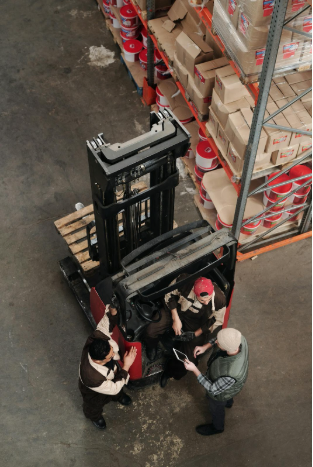
Written By : Serene Forklifts are indispensable in various industries, from construction to warehousing. While these machines are powerful on their own, adding the right forklift accessories can significantly enhance their performance and safety. In this article, we will explore some essential accessories that can make a difference in your operations. Understanding the Accessories Before diving into specific accessories, it’s important to understand what accessories are. These are additional tools or attachments that can be added to a forklift to expand its capabilities, improve efficiency, and ensure safety. Selecting the right accessories can transform a standard forklift into a versatile piece of equipment capable of handling a wide range of tasks. Popular Forklift Attachments Fork Positioners Fork positioners are a popular attachment that allows operators to adjust the distance between the forks. This adjustment can be done without leaving the forklift cab, saving time and effort. By using fork positioners, you can handle different pallet sizes more effectively, increasing productivity and reducing the risk of damage to goods. Side Shifters Side shifters are another valuable accessory that allows the forks to move side to side. This movement helps in precise load placement without having to reposition the entire forklift. Side shifters are particularly useful in tight spaces where maneuverability is limited. They save time and reduce the chances of accidents by minimising the need for extensive vehicle movement. Fork Extensions Fork extensions are essential when dealing with loads that are longer than the standard fork length. These extensions provide the extra reach needed to safely handle oversized loads. However, it’s crucial to ensure that the forklift’s capacity can accommodate the weight of the extended load to prevent tipping. Rotators Rotators are attachments that allow the forks to rotate, making them ideal for tasks that require dumping or rotating loads. This is particularly useful in industries like waste management or agriculture, where materials need to be easily and safely emptied from containers. Safety Enhancements with Accessories While attachments can improve performance, safety should always be a priority. There are several accessories designed specifically to enhance forklift safety. Safety Lights and Alarms Installing safety lights and alarms can drastically improve workplace safety. These include blue spotlights or strobe lights that alert pedestrians and other operators of the forklift’s presence. Audible alarms can also warn of the forklift’s movement, reducing the risk of accidents. Camera Systems Camera systems provide operators with a better view of their surroundings, especially in blind spots. This added visibility is crucial in preventing collisions and ensuring the safe handling of loads. Cameras can be mounted at the rear or on the forks themselves, offering different angles to aid in safer operation. Load Backrests Load backrests are essential for preventing loads from falling backward onto the operator. These accessories provide additional support and stability for tall or uneven loads, ensuring they remain secure during transport. Choosing the Right Accessories Selecting the right accessories depends on your specific operational needs. Consider the following factors when choosing accessories: Load Type and Size: Evaluate the types of loads you frequently handle and choose accessories that accommodate these dimensions. Environment: Consider the workspace environment. Accessories like side shifters or camera systems can be particularly useful in confined spaces or high-traffic areas. Forklift Capacity: Ensure that any additional attachments do not exceed the forklift’s weight capacity to maintain safe operation. The Benefits of Investing in Accessories Investing in the right accessories offers numerous benefits: Increased Efficiency: Accessories like fork positioners and side shifters streamline operations, reducing the time spent on load adjustments and handling. Enhanced Safety: Safety-focused accessories help prevent accidents and protect both operators and pedestrians. Cost Savings: By improving efficiency and safety, accessories can lead to significant cost savings in terms of reduced downtime, fewer accidents, and lower maintenance costs. Conclusion Forklift accessories are more than just add-ons; they are vital components that enhance the performance and safety of your operations. By understanding the different types of accessories available and choosing those that align with your needs, you can maximise the efficiency and safety of your forklift fleet. Whether you’re in construction, warehousing, or any industry that relies on forklifts, investing in the right accessories is a smart move that pays off in productivity and safety.
Finding the Best Forklift for Sale: A Buyer’s Guide
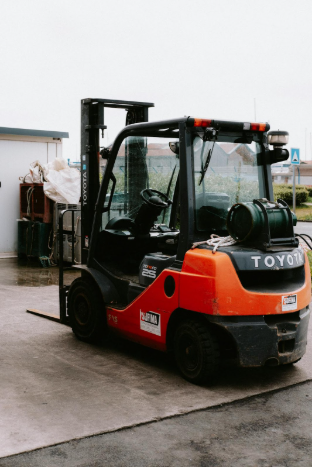
Written By : Serene Purchasing a forklift is a significant investment for any business, and choosing the right one can greatly affect your operational efficiency. Whether you’re a warehouse manager, a small business owner, or overseeing large-scale industrial operations, finding the best forklift for sale requires thorough research and understanding of your specific needs. In this buyer’s guide, we will explore key considerations to help you make an informed decision, covering everything from types of forklifts to selecting the right supplier. Understanding Forklift Types Electric Forklifts Electric forklifts are becoming increasingly popular due to their eco-friendly nature and cost efficiency. They run on batteries and are ideal for indoor use because they produce no emissions. With lower operational costs and quieter operation, they offer significant advantages in environments where noise and air quality are concerns. However, they require charging infrastructure and may not be suitable for heavy-duty outdoor applications. Internal Combustion (IC) Forklifts IC forklifts are powered by diesel, gasoline, or propane and are known for their robust performance in outdoor settings. They can handle heavier loads and are more versatile in terms of terrain adaptability. While they may not be as environmentally friendly as electric models, their power and durability make them a preferred choice for many industrial operations. Narrow Aisle Forklifts For businesses with limited space, narrow aisle forklifts are designed to operate in tight spaces without compromising on load capacity. They are perfect for warehouses that need to maximise storage space while maintaining operational efficiency. These forklifts, including reach trucks and turret trucks, can access high racks and navigate narrow aisles with ease. Rough Terrain Forklifts These forklifts are specifically designed for outdoor use on uneven or rough surfaces. They are equipped with large, rugged tires and a powerful engine to handle challenging environments like construction sites or lumber yards. If your operations require frequent outdoor use, these forklifts provide the necessary stability and performance. Key Features to Consider Load Capacity Understanding the maximum load capacity you need is crucial. Overloading a forklift can lead to accidents and equipment damage. Consider the heaviest loads you will need to move and ensure the forklift you choose can handle it safely. Lift Height The lift height of a forklift determines how high it can raise a load. Evaluate the height of your storage racks or shelves to ensure your chosen forklift can reach the necessary heights. This is especially important for warehouses with tall storage systems. Power Source Decide between electric or internal combustion based on your operational needs. Consider factors such as indoor vs. outdoor use, environmental impact, and operational costs. Electric forklifts are ideal for indoor use, while IC forklifts offer more power for outdoor applications. Ergonomics and Safety Features The comfort and safety of forklift operators are paramount. Look for forklifts with ergonomic seating, easy-to-use controls, and safety features such as seat belts, backup alarms, and stability controls. Investing in a forklift with advanced safety features can reduce the risk of accidents and improve overall productivity. Choosing a Reliable Forklift Supplier Reputation and Experience When selecting a forklift supplier, reputation and experience are key indicators of reliability. Look for suppliers with a proven track record of delivering quality products and excellent customer service. Online reviews and testimonials can provide valuable insights into the supplier’s credibility. After-Sales Support A good supplier should offer comprehensive after-sales support, including maintenance services, spare parts availability, and technical assistance. Consider suppliers who provide training programs for your staff to ensure they operate the forklift safely and efficiently. Warranty and Financing Options Evaluate the warranty and financing options offered by the supplier. A strong warranty indicates confidence in the product’s quality, while flexible financing options can make it easier to manage the investment. Compare different suppliers to find the best terms for your business. Making the Final Decision Before making your purchase, take the time to compare different models and suppliers. Test drive the forklifts if possible to get a feel for their handling and performance. Consider long-term costs, including maintenance and energy consumption, to ensure you’re making a financially sound decision. Investing in the right forklift can enhance your operational efficiency, improve safety, and ultimately contribute to the success of your business. By understanding your specific needs and evaluating your options carefully, you can find the best forklift that meets your requirements and budget. Conclusion In the competitive world of material handling, choosing the right forklift is crucial. Whether you opt for the eco-friendly electric forklifts or the robust internal combustion models, understanding your needs and conducting thorough research are key steps in the buying process. Selecting a reputable forklift supplier with strong after-sales support ensures a smooth purchase and operational experience. By following this guide, you’ll be well-equipped to find the best forklift for your business, ensuring efficient and safe operations for years to come.
Choosing the Right Forklift Supplier for Your Business
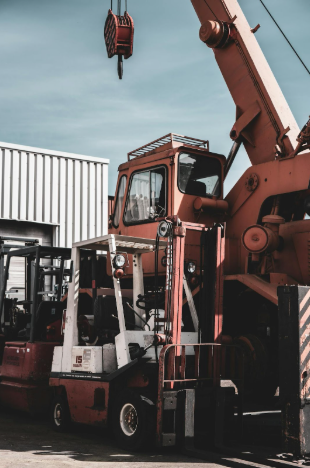
Written By : Serene Choosing the right forklift supplier is crucial for your business. It can significantly impact your operational efficiency and productivity. But how do you make the right choice? This article aims to guide you through the process. We’ll discuss key factors to consider when selecting a forklift supplier, from their reputation to the range of products and services they offer. We’ll also delve into the importance of forklift parts availability and after-sales support. These aspects can minimise downtime and ensure your operations run smoothly. By the end of this article, you’ll be equipped with the knowledge to make an informed decision. Let’s dive in. Understanding Your Forklift Needs Before selecting a supplier, identify your specific forklift requirements. This involves analysing your operational demands and warehouse setup. Consider the types of goods you’ll be handling. Heavy loads might necessitate high-capacity forklifts, while smaller, more agile forklifts could suit tighter spaces. Evaluate the frequency and duration of forklift use in your operations. This helps determine whether to buy or lease the equipment. Understand the importance of flexibility in your forklift choice. Seasonal fluctuations in workload may require adaptable solutions. Finally, involve relevant team members in the decision-making process. Their insights can illuminate needs you might overlook. Key Factors in Selecting a Forklift Supplier Choosing the right supplier demands careful consideration. The decision impacts your operation’s efficiency. A suitable supplier should not only meet your current needs but also grow with you. Begin by evaluating the supplier’s reputation. This can indicate their reliability and commitment to quality. Next, assess the range of products they offer. Different types of forklifts, from electric to diesel, serve various purposes. Check if they provide comprehensive after-sales support. This includes easy access to replacement parts and effective maintenance services. Consider their adherence to safety standards. Suppliers should prioritise high safety compliance for all equipment. It is also important to understand their customer service record. How quickly and effectively they respond can impact your operations. Below are key factors to consider: Reputation and reliability Product range and availability After-sales support Safety standards compliance Customer service responsiveness Examining these areas ensures a well-rounded supplier choice. It provides a foundation for a beneficial partnership. Reputation and Reliability A supplier’s reputation is built on trust and proven performance. Investigate customer reviews and testimonials for insights. Reliable suppliers have consistent, positive feedback. Range of Products and Services A broad product range reflects the supplier’s adaptability. It suggests they can accommodate various operational demands. Comprehensive services, including maintenance and repairs, add to their value. Parts Availability and After-Sales Support Immediate access to forklift parts is crucial in minimising downtime. Suppliers offering strong after-sales support ensure quick resolutions. This keeps operations running smoothly and efficiently. Safety Standards and Compliance Safety compliance is non-negotiable in forklift operations. A reputable supplier adheres strictly to industry regulations. Their commitment to safety boosts operational confidence and reduces risks. The Importance of Forklift Parts and Maintenance Forklift parts and maintenance are crucial for operational efficiency. Regular maintenance ensures forklifts operate at their peak performance. Timely replacement of worn-out parts prevents unexpected breakdowns. This minimises interruptions and helps maintain productivity. A reliable supplier provides access to quality parts quickly. Efficient parts service supports seamless operations and reduces downtime. Regular maintenance checks enhance equipment longevity. This leads to better return on investment over time. Prioritising quality in parts and services strengthens operations. It ensures safety and boosts overall productivity in your warehouse or facility. Evaluating Forklift Sales and Service Options Choosing the right forklift involves considering various sales and service options. Both new and used forklifts have their merits. Assess your business needs before deciding. Supplier support plays a vital role in this decision. Ensure they offer flexible solutions and comprehensive services. Training programs and technical support enhance the value of your investment. Opt for suppliers who provide ongoing assistance. Having a reliable point of contact helps address issues quickly. It ensures smoother operations and peace of mind. Evaluate the supplier’s ability to offer tailored solutions. This customisation ensures the equipment aligns perfectly with your operational goals. New vs. Used Forklifts New forklifts guarantee the latest technology and warranty. They often include after-sales support. However, they require a higher upfront investment. Used forklifts can offer cost savings and immediate availability. They might lack the latest features but suit tighter budgets. Choosing between new and used depends on your budget and specific needs. Evaluate both options for the best fit. Rental and Leasing Services Rental and leasing services offer flexibility for short-term needs. They allow businesses to access equipment without significant investment. These options are ideal for handling temporary spikes in demand. They also help test equipment before committing to a purchase. Discuss with suppliers about tailored rental agreements. This ensures terms align with your operation’s unique requirements. Financial Considerations for Forklift Procurement When procuring forklifts, financial planning is essential. Start by evaluating the total cost of ownership, which includes more than just the purchase price. Consider maintenance and operational costs. These ongoing expenses impact your budget over time. Accurate forecasting helps in making informed decisions. Explore financing options that match your financial situation. This can ease the upfront burden and improve cash flow. Choose flexible terms that suit your business cycles. Leasing is another viable option. It allows access to top-tier equipment with reduced initial costs. Assess leasing terms carefully for maximum benefit. Lastly, think about potential resale value. Some forklifts retain value better than others. This can influence your long-term financial planning. Total Cost of Ownership Understanding the total cost of ownership is crucial. This metric encompasses purchase, maintenance, and downtime expenses. A lower initial cost might hide higher long-term expenses. Weigh these aspects carefully to maintain a healthy budget. Consider energy consumption and operational efficiency. Efficient models can save money in the long run and reduce environmental impact. Financing and Leasing Options Financing offers an alternative to full upfront payment. Explore different financial products that fit your business model. Leasing can provide flexibility and ease of
Ensuring Peak Performance: A Guide to Forklift Spare Parts
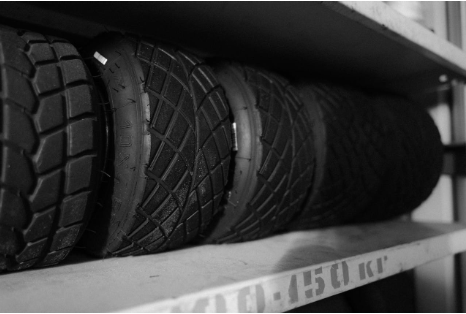
Written By : Serene Forklifts are the backbone of many industries. They are essential for efficient operations in warehouses, construction sites, and manufacturing plants. However, like any machinery, they require regular maintenance. including the timely replacement of Forklift Spare Parts to avoid unexpected breakdowns. This guide focuses on spare parts for forklifts. It aims to provide comprehensive information to help you ensure your forklift operates at peak performance. We will delve into the importance of using quality parts. We’ll also discuss how to choose between OEM and aftermarket parts, and how to identify signs of wear. Additionally, we’ll explore the role of a reliable forklift supplier in maintaining your equipment. We’ll also touch on the impact of using incorrect or worn-out parts on your forklift’s performance and safety. By the end of this guide, you’ll have a better understanding of how to manage your forklift parts inventory effectively, ensuring minimal downtime and maximum productivity. Understanding the Importance of Forklift Spare Parts Spare parts play a critical role in maintaining operational efficiency. Regular maintenance and timely part replacement ensure safety and extend the lifespan of your equipment. Worn or damaged parts can lead to unexpected breakdowns. These breakdowns cause costly downtime and disrupt business operations. Using the right spare parts ensures compatibility with your forklift model. This compatibility helps avoid performance issues and ensures smooth operation. Additionally, high-quality spare parts help maintain compliance with industry standards. They also contribute to the overall safety of operators and surrounding personnel. Types of Spare Parts: OEM vs Aftermarket When dealing with spare parts, it’s essential to know the differences between OEM and aftermarket options. OEM parts are made by the original manufacturer of the forklift. They are specifically designed to fit particular models. Aftermarket parts, on the other hand, are produced by third-party manufacturers. These parts often come at a lower cost. However, quality can vary widely among aftermarket suppliers. Here are some key considerations: OEM Parts: Perfect match, often higher quality, standard pricing. Aftermarket Parts: Diverse options, potential savings, varying quality. Quality and compatibility should drive your decision. The wrong part may lead to performance issues. Balancing cost and reliability is crucial for seamless operations. Selecting the right type of part requires careful consideration. Understanding your specific needs will help make an informed decision. Benefits of OEM Parts OEM parts offer several advantages. Their primary benefit is guaranteed compatibility with your equipment. These parts help ensure the forklift operates as intended by the manufacturer. You also enjoy peace of mind with OEM parts due to their reliability. They meet the same quality standards as the original components. This reliability can result in fewer breakdowns and extended equipment life. Opting for OEM parts maintains your warranty agreements. This factor can save you costs related to unintended damages. When to Consider Aftermarket Parts Choosing aftermarket parts can be beneficial when looking to cut costs. These parts are generally less expensive than OEM parts. They provide viable options for budget-conscious operations. However, it’s essential to consider quality when selecting aftermarket parts. Some aftermarket options may match OEM standards or even exceed them. Researching reputable suppliers is key to finding reliable aftermarket parts. Aftermarket parts are also suitable for older forklift models. They offer flexible solutions for parts that may be discontinued or hard to find. Identifying Common Forklift Parts for Replacement Understanding which forklift parts require regular replacement is vital. Some parts wear out faster than others due to constant use. Knowing these can help you plan maintenance effectively. There are several key components that tend to need more frequent replacements. Routine checks on these parts can prevent unexpected breakdowns. Here is a list of commonly replaced forklift parts: Tires: Subject to heavy wear, they impact safety. Filters: Clogged filters reduce engine efficiency. Brakes: Essential for safe operations. Forks: They carry the load and often face stress. Batteries: Crucial for electric forklifts, affecting power. Regular inspection helps in identifying worn parts early. Timely replacement of these components ensures operational safety. It also aids in maintaining efficiency and prolonging the lifespan of the forklift. Choosing the Right Forklift Supplier Selecting the right forklift supplier is essential for efficient operations. A reliable supplier provides quality parts and expert advice, ensuring your equipment runs smoothly. When evaluating suppliers, consider their reputation. A well-established supplier is more likely to offer consistent service and reliable parts. Assess the range of parts they offer. A supplier with a comprehensive inventory can meet your needs quickly. This reduces downtime significantly. Finally, consider customer support. A good supplier is responsive and helps resolve issues promptly. This can be a deciding factor in maintaining forklift performance. The Role of a Supplier in Maintenance and Repairs Suppliers play a crucial role in forklift maintenance. They provide the needed parts and ensure their compatibility with your equipment. A knowledgeable supplier offers valuable maintenance tips. This helps extend the lifespan of your forklift, maximising efficiency. Their expertise in repairs is indispensable. A supplier’s advice can prevent common issues, saving time and cost in the long term. Signs of Wear and When to Replace Parts Forklifts endure heavy use, leading to wear over time. Identifying wear early prevents more significant issues. One sign of wear is unusual noises during operation. These sounds often indicate parts are failing or misaligned. Decreased performance is another warning. If your forklift struggles to lift loads, inspect for worn parts immediately. Regularly check tires, brakes, and forks for visible damage. Replace damaged components promptly to maintain safety and efficiency. The Impact of Using Incorrect or Worn-Out Parts Using incorrect parts can drastically affect forklift performance. This mistake might lead to unexpected breakdowns. Such interruptions often result in costly downtime. Worn-out parts pose safety risks. They can lead to accidents, endangering operators and others nearby. Ensuring parts are in good condition is crucial. Moreover, using the wrong parts can void warranties. This oversight may increase long-term repair costs, straining budgets unnecessarily. Tips for Managing Your Forklift Parts Inventory Efficient inventory management is crucial. It
The Latest Trends in Forklift Technology Insights from Leading Forklift Suppliers
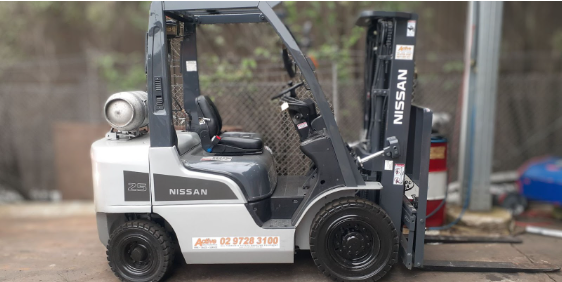
Written By : Serene When it comes to warehouse operations, forklifts play a crucial role. They are the backbone of material handling, ensuring the smooth movement of goods in and out of storage. As industries evolve and technology advances, forklifts are not left behind. From automation to sustainability, the latest trends in forklift technology are reshaping how warehouses operate. In this article, we explore these trends and gather insights from leading forklift suppliers. The Rise of Electric Forklifts One of the most significant shifts in forklift technology is the move towards electric forklifts. As businesses aim to reduce their carbon footprint and comply with environmental regulations, electric forklifts have become increasingly popular. Unlike their diesel or propane counterparts, electric forklifts produce zero emissions, making them an eco-friendly choice. Electric forklifts are not only good for the environment but also offer cost savings over time. They require less maintenance, have fewer parts that can wear out, and the cost of electricity is generally lower than that of fuel. Additionally, the latest models come with advanced battery technology, providing longer run times and quicker charging options, which enhances productivity in busy warehouses. Integration with Warehouse Automation Warehouse automation is no longer a futuristic concept; it’s a reality for many businesses striving for efficiency and accuracy. Forklift technology is evolving to support this automation revolution. Modern forklifts are now equipped with sensors and software that enable them to communicate with warehouse management systems (WMS). This integration allows for real-time data exchange, improving inventory accuracy and reducing human error. Automated forklifts, or Autonomous Guided Vehicles (AGVs), are also gaining traction. These machines can navigate a warehouse independently, transporting goods without human intervention. This not only increases safety but also allows human workers to focus on more complex tasks. Advanced Safety Features Safety is a top priority in any warehouse environment. With forklifts being a common cause of workplace accidents, manufacturers are investing in technology to enhance safety. The latest forklift models come equipped with various safety features such as collision detection, speed control, and operator assistance systems. For instance, some forklifts now have cameras and sensors that provide a 360-degree view, helping operators navigate tight spaces and avoid obstacles. Additionally, automatic braking systems can prevent accidents by stopping the forklift if an obstacle is detected. The Role of Data and Telematics In today’s data-driven world, telematics systems are becoming an essential component of forklift technology. These systems collect data on forklift usage, performance, and maintenance needs. Warehouse managers can use this information to optimise operations, schedule maintenance proactively, and reduce downtime. Telematics also provide insights into operator behavior, helping identify areas for training and improvement. By leveraging data, businesses can enhance productivity and ensure their forklift fleet operates at peak efficiency. Ergonomics and Operator Comfort While technology continues to advance, the human element remains vital. Forklift manufacturers are focusing on ergonomics to improve operator comfort and reduce fatigue. Modern forklifts feature adjustable seats, intuitive controls, and better cabin visibility, all designed to make the operator’s job easier and safer. Some forklifts also include climate control features such as heating and cooling systems, ensuring operators remain comfortable in varying warehouse conditions. By prioritising operator comfort, businesses can reduce the risk of injury and increase overall productivity. Insights from Leading Suppliers Leading suppliers are at the forefront of these technological advancements. They are continually researching and developing new features that address the challenges faced by warehouse operators. Here are some insights from top suppliers: Toyota Material Handling emphasises the importance of energy efficiency and sustainability. Their electric forklifts are designed to offer high performance while minimising environmental impact. Crown Equipment Corporation focuses on connectivity and automation. Their forklifts are equipped with InfoLink, a wireless fleet and operator management system that provides real-time data for better decision-making. Hyster-Yale Group highlights the need for robust safety features. Their forklifts come with innovative safety technologies such as Dynamic Stability Control, which enhances stability during operation. Mitsubishi Forklift Trucks prioritises comfort and ergonomics. Their models are designed with operator well-being in mind, featuring adjustable controls and ergonomic seating. Future Trends in Forklift Technology As we look to the future, several trends are likely to shape the forklift industry: Lithium-Ion Batteries: While lead-acid batteries have been the standard, lithium-ion batteries are gaining popularity due to their longer life and faster charging times. AI and Machine Learning: As artificial intelligence and machine learning technologies advance, we can expect forklifts to become even smarter, with enhanced navigation and decision-making capabilities. Sustainability: The push for greener solutions will continue, with more manufacturers exploring sustainable materials and production methods. Customisation and Flexibility: Forklifts will become more customisable, allowing businesses to tailor them to specific operational needs and warehouse layouts. Conclusion The forklift industry is undergoing a technological transformation. From electric forklifts to advanced safety features and data-driven insights, these innovations are revolutionising how warehouses operate. As businesses strive for efficiency, sustainability, and safety, staying informed about the latest trends in forklift technology is essential. By partnering with leading forklift supplier and embracing these advancements, warehouses can enhance their operations, reduce costs, and improve overall productivity. The future of material handling is bright, and with the right technology, businesses can stay ahead of the curve.
Essential Worksite Equipment Checklist for Safe and Efficient Operations
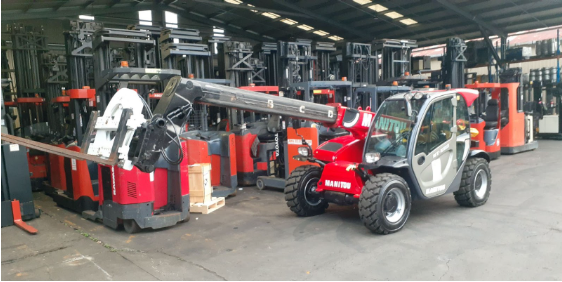
Written By : Serene When it comes to worksite operations, having the right worksite equipment is crucial for both safety and efficiency. Whether you’re managing a construction site, a manufacturing plant, or any other type of worksite, being prepared with the essential worksite equipment and machinery can make all the difference. In this guide, we’ll explore the key items that should be on your worksite equipment checklist to ensure smooth and productive operations. Personal Protective Equipment (PPE) Why PPE is Vital Personal Protective Equipment (PPE) is perhaps the most critical component of any worksite. It serves as the first line of defense against accidents and injuries. Without proper PPE, workers are at risk of exposure to hazards that could lead to serious harm or even fatalities. Essential PPE Items Helmets: Protect against head injuries from falling objects. Safety Glasses or Goggles: Shield eyes from debris, dust, and chemical splashes. Ear Protection: Earplugs or earmuffs to prevent hearing loss in noisy environments. Gloves: Different types for various tasks, such as cut-resistant, chemical-resistant, or thermal gloves. High-Visibility Clothing: Ensures workers are seen in all lighting conditions. Tools and Equipment Power Tools Power tools are indispensable in worksite operations, providing the necessary power to complete tasks more efficiently. Here are some must-have power tools: Drills and Impact Drivers: For drilling holes and driving screws. Saws: Including circular saws, reciprocating saws, and jigsaws for cutting materials. Grinders: Used for grinding, cutting, or polishing materials. Hand Tools While power tools are essential, hand tools offer precision and control that power tools might not. Some key hand tools include: Hammers and Mallets: For driving nails and fitting parts. Wrenches and Pliers: For gripping, fastening, and turning objects. Screwdrivers: Essential for assembling and disassembling components. Heavy Machinery For larger tasks, heavy machinery is often required. Depending on your worksite, this may include: Cranes and Hoists: For lifting heavy materials or equipment. Excavators and Bulldozers: Used for digging, moving earth, and demolition. Forklifts: For transporting materials around the site. Safety Equipment Fire Safety Fire safety is non-negotiable on any worksite. Being prepared with the right equipment can prevent a small incident from becoming a disaster. Fire Extinguishers: Ensure they are accessible and workers are trained in their use. Fire Blankets: Useful for smothering small fires or covering someone whose clothes have caught fire. Smoke Detectors: To provide early warning in case of a fire. First Aid Kits First aid kits should be readily available and stocked with essential supplies to address minor injuries quickly. Bandages and Dressings: For cuts and abrasions. Antiseptics and Ointments: To clean wounds and prevent infection. Resuscitation Masks: For performing CPR if necessary. Environmental Controls Dust and Fume Control Worksites often generate dust and fumes that can be harmful if not properly managed. Consider these solutions: Dust Collectors and Vacuums: To remove dust from the air. Ventilation Systems: To ensure a steady supply of fresh air and remove harmful fumes. Respirators: Provide workers with respiratory protection when necessary. Noise Control Excessive noise levels can lead to hearing damage and reduce worker concentration. Implement these noise control measures: Sound Barriers: To block and absorb sound. Noise-Canceling Headphones: For workers who are exposed to high noise levels. Communication Tools Effective communication is key to maintaining safety and efficiency on the worksite. Ensure you have these tools: Two-Way Radios: For quick communication across the site. Mobile Phones: As a backup communication method. Signage: Clear signs to direct workers and provide safety instructions. Maintenance and Inspection Regular maintenance and inspection of equipment are crucial to prevent accidents and ensure everything is in working order. Routine Checks Daily Inspections: Check equipment for any signs of damage or wear. Scheduled Maintenance: Follow manufacturer guidelines for servicing machinery. Record Keeping Keep detailed records of maintenance and inspections to track the condition of your equipment and ensure compliance with safety regulations. Conclusion Having a comprehensive worksite equipment checklist is essential for ensuring safe and efficient operations. By equipping your team with the right tools, protective gear, and safety equipment, you can minimise risks and improve productivity. Regular maintenance and communication are also vital components of a successful worksite strategy. Prioritise these elements, and you’ll create a work environment that’s both safe and productive.