

Top Benefits of Using Solid Tyres for Forklifts in Heavy-Duty Applications
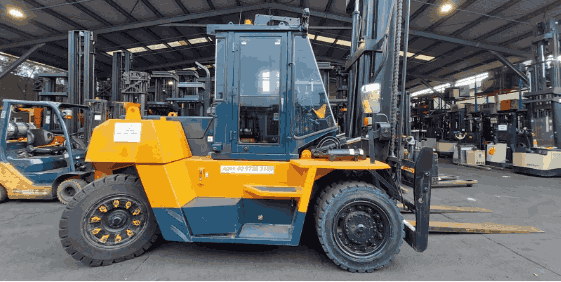
Written By : Serene In the world of material handling, forklifts play a pivotal role. They are the backbone of operations in warehouses, construction sites, and various industrial settings. The choice of tyres for forklifts is crucial, especially when dealing with heavy-duty applications. Forklift solid tyres have emerged as a preferred choice for many forklift suppliers. Understanding Forklift Solid Tyres Forklift solid tyres, also known as press-on tyres, are made entirely of rubber or other resilient materials. Unlike pneumatic tyres, which are air-filled, these are airless. This fundamental difference brings several advantages, particularly in heavy-duty applications. Enhanced Durability One of the most significant benefits of forklift solid tyres is their durability. In environments where sharp objects, rough terrains, and heavy loads are common, the robustness of these tyres shines through. They are resistant to punctures, eliminating the risk of sudden flats that can halt operations. Longevity and Cost-Efficiency Forklift solid tyres typically have a longer lifespan compared to their pneumatic counterparts. This longevity translates into cost savings over time. Forklift suppliers often recommend them for businesses looking to minimise maintenance costs and maximise uptime. Superior Stability and Load Capacity In heavy-duty applications, stability is paramount. These tyres offer superior stability due to their robust construction. They maintain their shape under heavy loads, providing a stable platform for lifting and transporting goods. Better Load Distribution Solid tyres have a wide, flat surface that aids in distributing the load evenly. This feature reduces the stress on the forklift’s axles and chassis, prolonging the equipment’s overall lifespan. Enhanced Traction The design of these tyres ensures excellent traction on various surfaces, be it concrete, asphalt, or gravel. This traction is critical in ensuring safe and efficient operations, particularly in environments where forklifts must navigate inclines or uneven surfaces. Maintenance-Free Operation One of the standout benefits of these tyres is their maintenance-free nature. With no air pressure to monitor or adjust, these tyres eliminate the routine maintenance tasks associated with pneumatic tyres. This characteristic is a significant advantage for businesses aiming to streamline their operations and reduce downtime. No Risk of Blowouts A common concern with air-filled tyres is the risk of blowouts, which can lead to accidents and delays. Solid tyres negate this risk entirely, providing peace of mind in high-stakes environments. Versatility Across Applications Solid tyres are incredibly versatile and can be used in a wide range of applications. From warehouses to construction sites, their adaptability makes them a favorite among forklift suppliers and operators alike. Ideal for Indoor and Outdoor Use Whether your operations are indoors or outdoors, these tyres perform admirably. Their design handles both smooth indoor floors and rugged outdoor terrains with ease, making them a versatile choice for various industrial settings. Resistance to Wear and Tear In environments where forklifts are in constant motion, tyre wear is a genuine concern. Forklift solid tyres are resistant to common forms of wear and tear, ensuring they remain functional and reliable throughout their lifespan. Environmental and Safety Benefits Beyond their operational advantages, solid tyres offer environmental and safety benefits. Their construction reduces the environmental impact associated with tyre disposal, and their durability means fewer replacements over time. Reduced Environmental Impact The long lifespan of tyres means fewer tyres are discarded, reducing the environmental burden. Additionally, many tyres are made from recyclable materials, further enhancing their eco-friendly credentials. Improved Safety Standards Safety is a top priority in any heavy-duty application. Forklift solid tyres contribute to improved safety standards by reducing the risk of accidents associated with tyre failure. Their robust design ensures they can withstand the rigors of demanding environments without compromising on safety. Conclusion The benefits of using forklift solid tyres in heavy-duty applications are clear. From enhanced durability and stability to maintenance-free operation and environmental advantages, these tyres are a wise investment for any business relying on forklifts for their operations. For forklift suppliers and operators seeking reliable, cost-effective solutions, forklift solid tyres offer a compelling option. Their ability to withstand harsh conditions while maintaining performance makes them an indispensable component in the world of material handling. In conclusion, forklift solid tyres provide a robust, reliable, and eco-friendly solution for forklifts in heavy-duty applications. Their myriad benefits ensure they remain a top choice for businesses looking to enhance their operational efficiency and safety.
How Forklift Accessories Can Help Extend the Life of Your Equipment
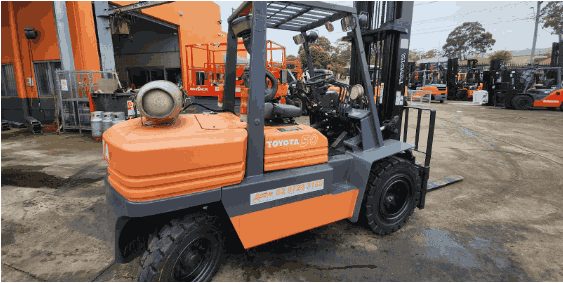
Written By : Serene Forklifts are essential machines in warehouses, distribution centers, and many industrial environments. They play a crucial role in moving heavy loads efficiently and safely. However, like any piece of equipment, forklifts require maintenance and care to ensure they remain in top working condition. One effective way to extend the life of your forklifts is by using the right forklift and attachments. Understanding Forklift Accessories These accessories include a wide range of add-ons and attachments that can enhance the functionality of a forklift. These accessories can be anything from simple fork extensions to more complex attachments like rotators and clamps. Choosing the right accessories can not only improve the efficiency of your operations but also help prolong the life of your forklift equipment. Types of Accessories There are several types of forklift accessories available in the market, each serving different purposes. Here are some common ones: Fork Extensions: These are used to extend the reach of the forklift, allowing it to handle longer loads safely. Side Shifters: This attachment allows the forks to move side-to-side, helping in precise placement of loads without needing to reposition the entire forklift. Rotators: Rotators help in rotating the load, which is particularly useful in industries where tipping or dumping is needed. Clamps: These are used to handle non-palletised loads such as drums, bales, or cartons. Jibs: Forklift jibs convert a forklift into a small crane, allowing it to lift loads that are not on pallets. Benefits of Using Accessories Using the right accessories offers numerous benefits, including: Increased Versatility: With the right attachments, a single forklift can perform multiple tasks, reducing the need for additional equipment. Enhanced Safety: Proper accessories ensure that loads are handled securely, minimising the risk of accidents. Improved Efficiency: By enabling forklifts to handle specialised tasks, operations can be completed more quickly and with less effort. Cost Savings: Extending the life of your forklift reduces the need for frequent replacements, saving you money in the long run. How Accessories Extend Forklift Life Reducing Wear and Tear They can significantly reduce the wear and tear on your equipment. For example, fork extensions can prevent overloading by allowing the forklift to handle longer loads without straining the mast or hydraulics. Similarly, side shifters reduce the need for excessive maneuvering, thereby decreasing stress on the forklift’s steering and drive systems. Minimising Damage By using the right attachments, you can minimise the risk of damage to both the forklift and the load. Clamps and rotators, for instance, ensure that loads are securely held in place during transport, reducing the likelihood of dropping or damaging the load. This not only protects the cargo but also prevents damage to the forklift’s forks and mast. Enhancing Maintenance Practices Regular maintenance is crucial for extending the life of any equipment, and forklifts are no exception. Some accessories can aid in maintenance activities. For example, maintenance platforms can be attached to forklifts to safely lift maintenance personnel, allowing them to perform inspections and repairs at height. This ensures that the forklift is kept in optimal condition, further extending its lifespan. Choosing the Right Forklift Supplier It’s important to choose a reputable forklift supplier. A good supplier will offer a wide range of high-quality accessories and attachments that are designed to fit your specific make and model of forklift. They can also provide valuable advice on which accessories are best suited to your operational needs. What to Look for in a Supplier Experience and Reputation: Choose a supplier with a proven track record and positive customer reviews. Range of Products: Ensure the supplier offers a comprehensive selection of accessories and attachments. Quality Assurance: Look for suppliers that provide high-quality, durable products. Customer Support: A supplier that offers excellent customer service can assist you with any questions or issues that may arise. After-Sales Service: Consider suppliers that offer maintenance and repair services, as well as warranties on their products. Implementing Into Your Operations To get the most out of your accessories, it’s important to implement them correctly in your operations. Training and Safety Before using any new attachments, ensure that your forklift operators are properly trained. They should understand how to safely attach and detach accessories and be familiar with the operational changes that different attachments may bring. This will not only improve safety but also maximise the efficiency of your forklift operations. Regular Inspection and Maintenance Regularly inspect all attachments for signs of wear and tear. Proper maintenance of both the forklift and its attachments is essential for ensuring longevity and optimal performance. Address any issues promptly to prevent them from becoming more serious problems. Customising for Your Needs Every operation is unique, and it’s important to choose accessories that are tailored to your specific needs. Work with your forklift supplier to select the right attachments that will enhance your operations and extend the life of your equipment. Conclusion Forklift attachments are a valuable investment that can significantly extend the life of your equipment. By choosing the right accessories, reducing wear and tear, and implementing proper maintenance practices, you can ensure that your forklifts remain in excellent condition, delivering reliable performance for years to come. Remember to partner with a reputable forklift supplier to access high-quality accessories and expert guidance tailored to your operational needs.
The Role of Container Ramps in Streamlining Logistics and Supply Chains
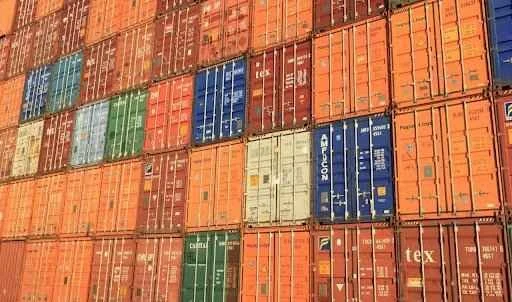
Written By : Serene Efficiency is the backbone of any successful logistics and supply chain operation. One key element that often goes unnoticed in this process is the humble container ramp. Container ramps, also known as loading ramps, play a crucial role in streamlining the loading and unloading of goods. They bridge the gap between the ground and the container or truck, facilitating smooth movement of cargo. But their role extends beyond mere facilitation. Container ramps contribute significantly to workplace safety, reducing the risk of accidents during loading and unloading. They also help in handling heavy cargo with ease, enhancing operational efficiency. Moreover, with a variety of types available in the market, container ramps can cater to different vehicles and cargo types. This versatility makes them an indispensable tool in diverse industries. In this guide, we delve into the world of container ramps, exploring their role, types, selection criteria, and much more. Let’s embark on this journey to understand how container ramps can revolutionise your logistics and supply chain operations. Understand Their Importance Container ramps are essential tools in logistics, acting as inclined planes that connect the ground to higher surfaces like containers or trucks. Their primary purpose is to facilitate efficient loading and unloading, thereby minimising manual lifting. In the context of supply chains, these ramps enhance efficiency by significantly reducing loading times. Faster turnaround means more shipments processed in less time, boosting overall productivity. Safety is another critical advantage that container ramps offer. By providing a stable and secure path for moving cargo, they help prevent accidents that could occur during manual lifting or transferring. Handling heavy cargo becomes much more manageable with container ramps. They allow for the seamless movement of large loads, whether it be machinery, pallets, or bulky goods, enabling operators to transport weighty items safely. Container ramps are designed to serve various vehicles and loading requirements. This versatility ensures they are suitable for diverse logistics setups, from small warehouses to large industrial facilities. Each ramp type can be tailored to fit specific needs, enhancing logistic operations across different sectors. Through these advantages, container ramps stand out as indispensable equipment that can streamline logistics processes, ensure safety, and boost productivity. Types of Container Ramps in the Market Standard container ramps are the most common type found in logistics. They provide a straightforward solution for basic loading and unloading tasks. Their simple design makes them easy to use and widely applicable across various industries. Fold-out or two-piece container ramps offer more flexibility. They can be easily transported and set up, making them ideal for operations that require mobility. These ramps are particularly beneficial for businesses that need to use them in different locations. Long container ramps are tailored for situations where a gentle slope is necessary. This design is perfect for rolling heavier loads or delicate cargo, as it minimises the incline and thus reduces the strain on equipment or manual effort needed. Reefer or refrigerated container ramps are specialised for use with temperature-controlled containers. They incorporate insulation to maintain the cold chain, ensuring that perishable goods remain at the right temperature throughout the loading process. Lightweight container ramps provide convenience without sacrificing strength. Made from materials like aluminum, they offer easy handling and transport while still supporting substantial weight loads. Their lightweight nature simplifies deployment, especially in environments where ramps need frequent repositioning or setup. Selecting the Right Container Ramp for Your Needs When choosing a container ramp, weight capacity is crucial. Ramps must handle the heaviest expected loads without compromising safety. Overloading a ramp can lead to accidents and damage to goods or equipment. Material and construction are also important factors to consider. Steel and aluminum are popular choices due to their strength and durability. Steel offers robustness for heavy-duty applications, while aluminum provides a lightweight option that’s easier to handle. Deciding between portable and permanent ramps depends on operational needs. Portable ramps offer flexibility for changing locations and dynamic logistics environments. Permanent ramps, on the other hand, suit fixed sites with consistent loading and unloading requirements. Customisation options can enhance ramp utility. Some ramps offer adjustable lengths, widths, or surfaces to meet specific operational demands. These customisations help tailor the ramp to fit unique warehouse setups or special cargo types. Compliance with regulations and standards ensures safety and legality. It’s essential to check local codes and certifications that apply to ramp installations. Adhering to these standards not only promotes safe usage but also avoids potential legal liabilities. Consider these factors carefully to select the most suitable container ramp for your operation’s unique needs. Proper assessment leads to enhanced efficiency and safety in logistics operations. Integrating Container Ramps with Forklift Accessories Container ramps play a vital role in forklift operations. They provide a stable and safe transition point for forklifts moving goods between ground level and containers. This integration is crucial for maintaining workflow and preventing disruptions in logistics. Compatibility with various forklift accessories further enhances the functionality of container ramps. Accessories like forklift extensions and attachments can be used effectively when paired with the right ramp setup. Ensuring the ramp and accessories work in harmony is essential for seamless operations. Enhancing operational efficiency hinges on a thoughtful setup. Selecting the right container ramp helps optimise forklift movement, reducing time spent on loading and unloading. This streamlined process supports faster turnaround times and boosts overall productivity in warehousing and distribution tasks. The Economic and Environmental Benefits of Container Ramps Container ramps bring remarkable economic benefits by reducing loading and unloading times. Quicker processing means faster turnaround, letting businesses handle more cargo in less time. This efficiency boost is essential for maintaining a competitive edge in the logistics industry. Minimising product damage is another key advantage of using container ramps. Gentle transitions between container and ground reduce the risk of goods being jostled or dropped. Safe handling not only protects valuable cargo but also decreases loss-related costs. Lowering labor costs becomes possible with container ramps due to their streamlined operations. Workers spend less time
Solving Common Workplace Challenges with the Right Forklift Accessories
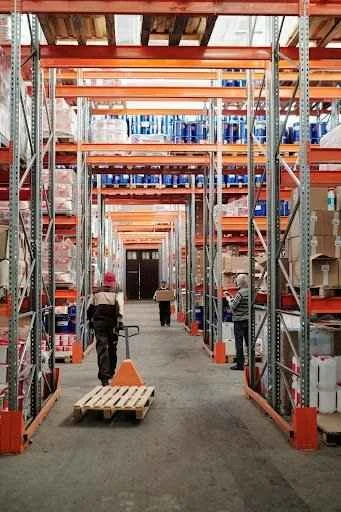
Written By : Serene In any workplace, efficiency and safety are paramount. This is especially true in environments where forklifts are in operation. Forklifts are versatile machines. But their functionality can be significantly enhanced with the right accessories. Workplace forklift accessories are not just add-ons. They play a crucial role in improving productivity, ensuring safety, and solving common workplace challenges. From forks and clamps to booms and rotators, the range of forklift attachments is vast. Each accessory is designed to meet specific operational needs and workplace demands. Choosing the right accessories can be a game-changer. It can transform your forklift into a multi-purpose tool, capable of handling a variety of tasks efficiently and safely. In this guide, we will explore how the right forklift accessories can help solve common workplace challenges. We aim to provide valuable insights to help you make informed decisions when selecting attachments for your forklifts. Understanding the Role of Forklift Accessories in the Workplace Forklift accessories extend the capabilities of your equipment. They allow forklifts to perform specialised tasks that would be difficult with standard forks. These attachments are essential for material handling. They help customise your forklift for unique workplace requirements, increasing both efficiency and versatility. The right accessories can minimise operational downtime and reduce the risk of workplace injuries. By enhancing the functionality of forklifts, they ensure smoother and safer workflows. Selecting suitable accessories for forklift can improve load management, boost productivity, and optimise inventory handling. In essence, they are pivotal components in streamlining operations and achieving business goals. The Top Accessories to Enhance Productivity Choosing the right accessories can significantly impact workplace efficiency. These tools extend the functionality of forklifts, making tasks quicker and more efficient. Key accessories can tackle various operational challenges and improve workflow. With the right selections, businesses can save time and money, increasing overall productivity. Here are some top forklift accessories to consider: Fork Extensions Pallet Jacks Rotators and Clamps Fork Extensions Fork extensions are essential for handling long and bulky loads. They increase the length of the forklift’s forks, allowing operators to move oversized items with ease. This accessory is crucial when dealing with large, awkward, or heavy items that standard forks struggle to handle. It’s a simple addition that can greatly enhance the versatility of your forklift. Pallet Jacks Pallet jacks simplify moving pallets within tight warehouse spaces. They serve as handy attachments for enhancing maneuverability, particularly in cramped conditions. These tools are a staple in warehouses, offering excellent support for quick transportation tasks. Their easy-to-use nature makes them a favorite among forklift operators for boosting efficiency. Rotators and Clamps Rotators and clamps add unique handling capabilities to forklifts. They enable rotation and secure gripping, perfect for industries requiring precise material manipulation. Whether dealing with cylindrical objects or handling attachments, these tools are indispensable. They bring efficiency and versatility into tasks that require careful positioning and control. Improving Safety with the Right Attachments Safety is paramount in any material-handling environment. Using the right forklift attachments can reduce accidents and enhance operator well-being. Specialised accessories are designed to minimise risk and ensure tasks are performed safely. By improving stability and operator protection, these tools contribute to a safer workspace. Safety Cages and Work Platforms Safety cages and work platforms are vital for lifting personnel securely. These attachments are essential for tasks that involve working at heights, providing a stable base for individuals. Their robust construction prevents falls, making them indispensable in operations requiring elevated work. These tools contribute significantly to workplace safety by ensuring secure and stable elevation. Load Backrests Load backrests play a crucial role in maintaining load stability during transport. By preventing items from falling backwards onto the driver, they ensure both load security and operator safety. In addition to enhancing safety, they help maintain efficient workflow by keeping loads intact. This simple yet effective accessory is key in any environment where safe transport of goods is a priority. Maximising Efficiency with Custom Forklift Attachments Boosting efficiency is crucial in fast-paced warehouse environments. Custom forklift attachments can significantly enhance productivity by tailoring operations to specific needs. These accessories help in optimising tasks such as shifting, picking, and transporting multiple loads. By reducing time spent on manual adjustments, they allow operators to perform tasks quicker and more efficiently. Side Shifters and Layer Pickers Side shifters and layer pickers offer significant flexibility for material handling. Side shifters enable lateral movement without repositioning the forklift, saving valuable time during alignment. Layer pickers are ideal for picking layers of items, enhancing speed and accuracy. These attachments streamline tasks, reducing labor time, and enhancing the overall workflow. Multiple Load Handlers Multiple load handlers are designed to carry more than one load at a time. This capacity doubles or even triples load handling efficiency, perfect for high-demand periods. By allowing operators to move several items simultaneously, these attachments cut down on trips. This leads to faster processing times and improved warehouse throughput, ensuring a more productive operation. Selecting the Right Accessories for Your Forklift Choosing the right accessories can profoundly impact your operations. It’s crucial to consider the specific needs and tasks at your workplace. Compatibility, durability, and cost are key factors in making the right decision. A well-informed choice can lead to increased productivity and reduced operational costs. Here’s a quick checklist to guide your selection process: Assess compatibility with existing forklifts Determine the specific tasks and loads involved Evaluate the durability and reliability of the accessory Consider the cost vs. long-term benefits Ensure compliance with safety regulations By carefully selecting the right forklift attachments, you equip your operation for success. Maintenance and Training: Ensuring Longevity and Compliance Proper maintenance of forklift accessories is essential for their longevity and effectiveness. Regular inspections ensure that attachments remain in top condition. Maintenance prevents unexpected failures and prolongs equipment life. Training operators on using new accessories is equally important. Skilled operators reduce accidents and enhance operational efficiency. Comprehensive training improves safety and ensures compliance with industry standards. Investing time in both maintenance and
The Benefits of Portable Container Ramps for Flexible Loading Solutions
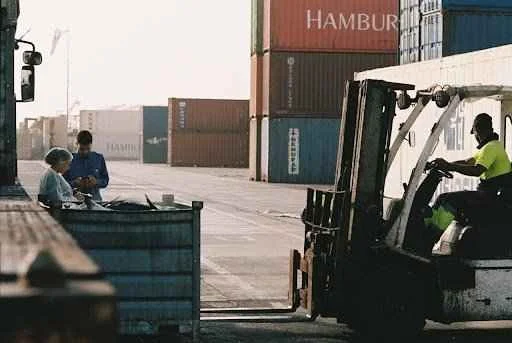
Written By : Serene In the world of logistics and freight handling, efficiency is key. Portable container ramps play a crucial role in this sector. These ramps provide flexible solutions for loading and unloading goods. They adapt to various scenarios, enhancing operational efficiency and safety. Whether you’re a logistics manager, a warehouse operator, or a business owner, these ramps can significantly streamline your operations. In this guide, we’ll explore the benefits of portable container ramps, and what to consider when looking for container ramps for sale. Let’s dive in. Understanding Portable Container Ramps Portable container ramps are essential tools in loading operations. They facilitate the smooth transition of goods from ground level to containers. This vital function helps streamline logistics, saving both time and effort. There are various types of portable container ramps available. Each type caters to specific loading needs. Common options include aluminum ramps, steel ramps, and modular ramps. These variants ensure the right solution is accessible for each unique requirement. The versatility of these ramps makes them suitable across numerous industries. Logistics, manufacturing, and construction frequently utilise them. They serve well at locations requiring flexible, efficient loading solutions. Different stakeholders find great value in these ramps. Logistics managers and warehouse operators benefit from increased efficiency. Business owners seeking cost-effective, adaptable solutions also have much to gain from utilising these ramps. For those involved in global shipping or temporary sites, portable container ramps are invaluable. They provide a seamless way to navigate different container heights and truck beds. This adaptability makes them indispensable in fast-paced environments. The Importance of Flexibility in Loading Operations Flexibility is crucial in loading operations. Different containers and truck heights demand adaptable solutions. Portable container ramps excel in meeting these needs with their adjustable features. These ramps are designed for versatility. They can be quickly deployed in a variety of locations. Whether at a distribution center or a temporary construction site, they provide a reliable loading solution. Inconsistencies in container sizes are common. Therefore, having a ramp that can adapt is invaluable. It ensures seamless operations without costly delays. Moreover, portable ramps provide solutions for diverse scenarios. They accommodate the specific needs of each industry. This makes them indispensable for businesses requiring flexible loading setups. Enhancing Operational Efficiency with Portable Ramps Portable container ramps significantly improve operational efficiency. They streamline the process of loading and unloading goods, reducing manual labor. This efficiency leads to lower labor costs, which boosts profitability for businesses. Time savings are another advantage of using portable ramps. Their quick setup and versatility mean less downtime. Faster loading operations lead to quicker turnaround times for shipments. This is crucial for maintaining competitive advantage. Efficient workflow is critical in logistics. Portable ramps play a key role in optimising these workflows. They provide seamless transitions between transport vehicles and storage facilities, ensuring a smooth operation. Integrating portable ramps can also enhance coordination in loading procedures. With standardised ramp solutions, operations become predictable and manageable. This consistency helps businesses meet their operational goals effectively. Safety Benefits of Portable Container Ramps Safety is paramount in loading and unloading operations. Portable container ramps offer essential safety features that protect both personnel and cargo. These features help minimise accidents and injuries. A crucial safety element is traction. Portable ramps are designed with anti-slip surfaces to prevent slips and falls. This enhanced grip is vital for maintaining stability during loading tasks. Guardrails provide an additional layer of protection. They help prevent accidental falls from the ramp’s edges. This is particularly important when maneuvering heavy items or equipment. Edge protection is also a key feature of these ramps. Protective measures ensure that goods are guided safely onto transport vehicles, avoiding spillage. Portable container ramps thus contribute significantly to workplace safety. In summary, these ramps offer several safety benefits such as: Traction and anti-slip surfaces Guardrails Edge protection Selecting the Right Heavy-Duty Loading Ramp Choosing the right ramp requires understanding its weight capacity. Heavy-duty loading ramps must support the weight of your cargo safely. Evaluate the load each ramp can bear. Consider ramp dimensions like length, width, and incline. The ramp’s length and width should accommodate the size of your vehicles and loads. A suitable incline ensures easy loading without excessive force. Industry standards play a significant role in ramp selection. Ensure the ramp is compliant with recognised safety and performance standards. Proper compliance minimises risk and increases operational reliability. Keep in mind certain selection criteria: Sufficient weight capacity Appropriate length, width, and incline Compliance with industry standards These factors ensure the ramps meet your operational needs. Consider them carefully to maximise efficiency and safety. Evaluate these features alongside your specific operational requirements to select the best heavy-duty loading ramp for your needs. The Convenience of Portability and Storage Portable container ramps offer the ease of movement that fixed ramps lack. You can relocate them quickly as needs change. This flexibility ensures they fit seamlessly into your workflow. Storage is another key advantage of these ramps. They are designed to be compact, allowing efficient storage when not in use. This saves valuable space in warehouses or on-site locations. In temporary sites, such as construction areas, portable ramps prove indispensable. They provide immediate solutions without the need for permanent installations. Their mobility allows for quick setup, ensuring work continues without delays. These characteristics make portable ramps ideal for dynamic environments. They adapt easily to ever-changing site requirements, enhancing overall productivity. The ability to store and transport them effortlessly adds to their appeal as a versatile asset in diverse applications. Cost-Effectiveness and ROI of Quality Ramps Investing in quality portable container ramps can yield significant long-term benefits. They reduce operational costs by enhancing efficiency. Their durability minimises the need for frequent replacements, saving money over time. When compared with permanent ramp solutions, portable ramps often prove more cost-effective. Permanent installations require ongoing maintenance and can limit operational flexibility. Portable ramps, however, require less maintenance and adapt to changing needs. Quality ramps provide a solid return on investment by improving workflow efficiencies.
The Role of Forklifts for Sale in Streamlining Your Operations
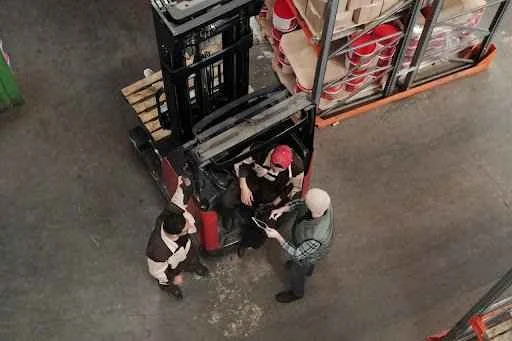
Written By : Serene Forklifts are the backbone of many industries. They play a crucial role in streamlining operations, particularly in warehouses and construction sites. But how do you choose the right forklift? And where can you find the best deals on forklifts for sale? This guide will answer these questions. It will highlight the importance of forklifts in modern operations and guide you through the process of selecting and purchasing the right one for your needs. We’ll delve into the benefits of electric forklifts. We’ll also provide insights on how to find the best deals on forklifts for sale, including both new and used models. By the end of this guide, you’ll have a clear understanding of the role of forklifts in your operations. You’ll also know how to make an informed decision when looking at forklifts for sale. Understanding the Importance of Forklifts in Modern Warehousing Forklifts have revolutionised material handling in warehouses. They save time and labor by efficiently moving heavy loads. This improved efficiency is crucial for meeting the demands of fast-paced businesses. As e-commerce grows, the need for effective inventory management becomes more pressing. Forklifts help streamline this process by swiftly transporting products. They play an integral role in ensuring that goods are stored and retrieved quickly. This speed reduces downtime and enhances productivity, making forklifts indispensable for modern warehousing operations. Electric Forklifts: The Future of Warehouse Operations Electric forklifts are gaining popularity in warehouses for their eco-friendly and efficient performance. Unlike traditional gas-powered models, they produce no emissions, making them ideal for indoor use. This characteristic aligns well with sustainability goals that many businesses are targeting. In addition to environmental benefits, electric forklifts operate quietly. This feature creates a more pleasant work environment by reducing noise pollution. While the upfront cost of electric forklifts might be higher, their lower operational costs and reduced maintenance needs often result in long-term savings, making them a smart investment for many warehouse operations. How to Choose the Right Forklift for Your Business Needs Choosing the right forklift involves understanding the specific needs of your operations. Start by identifying the type of materials you’ll handle and the environment you’ll operate in. This will help narrow down your options. Consider the variety of forklifts available to suit diverse requirements. From counterbalanced forklifts to reach trucks, each type serves a unique purpose. Make sure your selection aligns with both your current and future operational demands. When comparing forklifts, keep these factors in mind: Type and suitability for tasks Lift capacity and height requirements Operating environment compatibility Cost and financing options By assessing these elements, you can make an informed decision that enhances efficiency and productivity. Assessing Forklift Types and Their Functions Various forklift types are designed for different operational needs. Counterbalance forklifts offer versatility, suitable for general warehouse use. Reach trucks are perfect for narrow aisles and high racks, maximising vertical storage. Understanding these options helps businesses match forklift functions to their specific tasks. For example, pallet jacks are ideal for smaller loads and tight spaces, while specialty forklifts are designed for unique environments like cold storage or hazardous areas. Key Considerations: Lift Capacity and Height Lift capacity is crucial when selecting a forklift. It must be able to safely lift and transport your heaviest loads. Weight limits vary, so ensure your forklift can handle the maximum weight your operations require. Lift height is another important consideration. Determine the maximum height you need to reach, whether storing items on high racks or loading them into trailers. Choosing a forklift with the appropriate lift capacity and height ensures seamless material handling and minimises operational disruptions. The Advantages of Electric Forklifts Over Traditional Models Electric forklifts offer distinct advantages over traditional gas-powered models. One major benefit is their eco-friendly design, which aligns with sustainability initiatives by eliminating emissions. Additionally, electric forklifts often have lower operational costs. They require less maintenance and fewer fuel expenses, making them cost-effective in the long run. Their quiet operation also enhances the work environment, reducing noise levels and improving team communication. These features make electric forklifts a wise choice for modern operations focused on efficiency and sustainability. Finding the Best Deals on Forklifts for Sale Getting a good deal on forklifts involves research and comparison. Identify trusted sellers and explore different purchasing avenues to find competitive prices. Both new and used forklifts for sale have unique advantages worth considering. To uncover the best deals, follow these tips: Research local dealerships and online marketplaces Compare prices and features across multiple listings Seek advice from industry professionals Negotiate terms, warranties, and maintenance agreements By taking these steps, you ensure a cost-effective purchase without compromising on quality or functionality. New vs. Used Forklifts: What’s Best for Your Budget? Choosing between new and used forklifts depends on your budget and operational needs. New forklifts provide the latest technology and full warranty, offering peace of mind and advanced features. On the other hand, used forklifts offer significant cost savings. They’re ideal for businesses with limited budgets or short-term needs. Evaluate the condition and maintenance history of used forklifts to ensure reliability and performance. Weighing these factors helps you align your purchase with financial constraints and business objectives. Maximising Forklift Efficiency and Safety in Your Operations Enhancing forklift efficiency and safety is essential for smooth operations. Implement structured maintenance routines and provide comprehensive operator training. This proactive approach minimises downtime and prevents accidents. To optimise both efficiency and safety, consider the following: Schedule regular maintenance checks Invest in continuous operator training programs Upgrade forklifts with modern safety features Review safety protocols frequently By adopting these strategies, you ensure forklifts operate at peak performance while maintaining a safe environment for your team. Regular Maintenance and Operator Training Consistent maintenance keeps forklifts in top condition and extends their lifespan. Implement a schedule for regular inspections and servicing to address wear and tear promptly. Meanwhile, operator training is crucial for safe and efficient use. Regular training helps operators stay updated on best practices and safety protocols.
How to Get the Best Deals When Looking for Forklift tyres for Sale
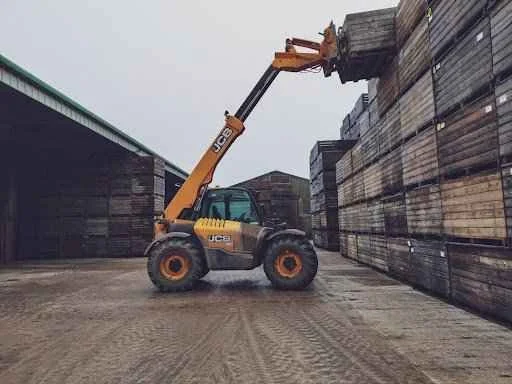
Written By : Serene Finding the right forklift tyres at a reasonable price can be a daunting task. It’s not just about finding the cheapest option. Quality, durability, and suitability for your specific needs are all crucial factors. This guide will help you navigate the process. It will provide practical tips on how to get the best deals when looking for forklift tyres for sale. We’ll delve into the different types of forklift tyres, how to assess their quality, and where to find them. We’ll also discuss how to compare prices and quality from different suppliers. Whether you’re in Sydney or elsewhere, this guide will equip you with the knowledge to make an informed decision. Understanding Forklift Tyre Types Selecting the right tyre type for your forklift is crucial for safety and efficiency. Each type has unique features catering to different environments and operational needs. Knowing these differences can guide you to make a sound choice for your equipment. Consider these common options when evaluating forklift tyres: Pneumatic Tyres: These tyres are filled with air and offer excellent traction and comfort. They’re ideal for outdoor or rough surfaces, providing a cushioned ride over uneven terrain. Solid Tyres: These puncture-resistant tyres are perfect for indoor or smooth surface applications. They boast long-lasting durability with little maintenance required, making them economically advantageous. Polyurethane Tyres: Ideal for electric forklifts and indoor use, these tyres have low rolling resistance. They deliver high load capacities and are resistant to certain chemicals, offering longevity in controlled environments. Selecting the appropriate tyre type can enhance forklift performance. It also ensures that operational costs remain manageable, contributing to overall productivity. Assessing Tyre Quality and Wear Evaluating tyre quality is vital for maintaining forklift performance and safety. Begin by inspecting the tread depth and patterns. Adequate tread ensures the forklift maintains grip and stability during operations. Keep an eye out for signs of wear, such as cracks, cuts, or uneven patterns. These can indicate the need for replacement, preventing potential equipment damage or accidents. Additionally, check for any visible bulges or deformities, as these may suggest internal damage. Regularly scheduled inspections can proactively prevent issues, helping extend the lifespan and efficiency of the tyres. Timely maintenance can reduce overall expenses, leading to long-term savings for your business. Where to Find Forklift Tyres for Sale Locating the best deals requires knowing where to search. Various avenues offer opportunities for finding forklift tyres that meet your needs. Consider these options to optimize your search and budget: Online Retailers: Websites offer convenience and often feature customer reviews for informed decision-making. Local Dealers: Visiting in-person can allow for immediate inspection and negotiation for better pricing. Manufacturer Direct Sales: Buying directly often means authentic quality and sometimes exclusive deals. Each option has its benefits, so weigh them based on your specific requirements. Also, remember to compare options to ensure you receive the best value for your investment. Price Comparison and Quality Checks Comparing prices from multiple suppliers ensures you get value for money. Always inquire about the specifications to ensure the tyres meet your operational needs. A lower price shouldn’t mean sacrificing quality or performance. Besides pricing, focus on quality checks. Inspect for any signs of defects or wear that might affect durability. Consider tyres’ manufacturing date, as older stock may not perform optimally. These checks can prevent future maintenance headaches and ensure safety. The Benefits of Bulk Purchases Buying forklift tyres in bulk can significantly reduce unit costs. Businesses with large fleets benefit the most from these savings. Discounts or special pricing are often available for bulk orders. Besides cost savings, bulk purchases offer convenience. Fewer transactions mean less paperwork and administrative effort. Establishing a wholesale relationship with suppliers can also ensure a steady supply, reducing the risk of downtime due to tyre shortages. This strategic approach aligns well with operational efficiencies. Warranty and Return Policies Understanding warranty and return policies is crucial when purchasing forklift tyres. A good warranty can save you money in the long term. It provides assurance against manufacturing defects or premature wear. Carefully read the return policy as well. Know the conditions for returns and any associated costs. A flexible return policy can ease the process if the tyres do not meet your expectations. These policies add a layer of security to your investment. Authorized Dealers vs. Third-Party Vendors When purchasing forklift tyres, consider whether to buy from authorized dealers or third-party vendors. Authorized dealers often provide products with verified quality and a manufacturer’s warranty. They usually offer expert guidance on the right tyres for your needs. On the other hand, third-party vendors might offer lower prices but could be a riskier option. It’s essential to ensure these vendors provide genuine products. Consider customer reviews and verify their credibility before proceeding with a purchase. Seasonal Sales and Promotions Timing your purchases can lead to significant cost savings on forklift tyres. Seasonal sales and promotions often occur during holidays or fiscal year-end periods. These sales can provide substantial discounts. To take advantage of these offers, monitor retailer websites and sign up for newsletters. This ensures you’re informed of upcoming promotions. Planning your tyre purchases around these sales can result in excellent deals, ultimately reducing your operational costs. Negotiating with Suppliers for Better Deals Effective negotiation with suppliers can yield better prices on forklift tyres for sale. Establish clear communication and build a rapport with your supplier, as this can make a difference. Knowing market prices and being prepared to discuss terms can lead to favorable outcomes. Don’t hesitate to negotiate for discounts, especially if you are a regular customer or considering a bulk purchase. Leveraging these strategies can help cut costs significantly. The Role of Customer Reviews and Testimonials Customer reviews and testimonials offer valuable insights when searching for forklift tyres for sale. They reveal real-life experiences and help assess the quality of tyres from different suppliers. Look for patterns in feedback to gauge reliability and durability. Positive reviews can boost confidence, while recurring negative comments should raise
How Forklift Attachments Suppliers are Revolutionising the Material Handling Industry
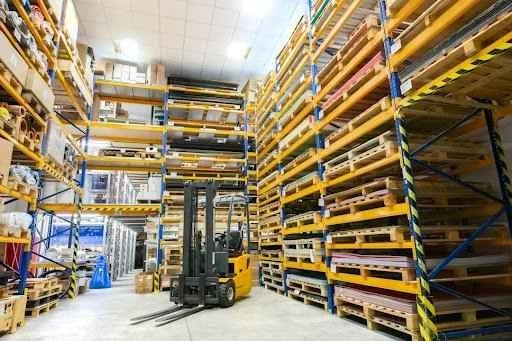
Written By : Serene The material handling industry is undergoing a revolution. This transformation is being driven by forklift attachments suppliers. These suppliers are enhancing the capabilities of standard forklifts. They are doing this by offering a wide range of innovative attachments. These attachments are not just add-ons. They are game-changers, increasing efficiency and safety in warehouses and distribution centres. Custom forklift attachments are also on the rise. These are tailored to meet specific industry needs, further boosting operational efficiency. But the revolution doesn’t stop there. Suppliers are integrating smart technology into these attachments, paving the way for better load management. This article will delve into how forklift attachments suppliers are reshaping the material handling industry. It will explore the role of these attachments in modern warehousing, their diverse applications, and their impact on safety, efficiency, and the environment. The Role of Forklift Attachments in Modern Warehousing Modern warehousing relies heavily on efficiency. Forklift attachments play a crucial role in this arena, turning forklifts into versatile machines. Attachments such as side shifters and rotators enhance precision. They facilitate better load positioning, reducing movement and time during operations. These innovations lead to increased productivity in storage facilities. By allowing one machine to perform multiple tasks, there’s reduced need for various types of equipment. Space utilisation improves significantly with the right attachments. For instance, compact areas can be managed more effectively, maximising storage capacity. Forklift attachments also contribute to minimising product damage. They ensure loads are handled securely, which is crucial for maintaining inventory quality and reducing loss. Therefore, the strategic use of forklift accessories is essential for optimising warehousing operations. This adaptability supports a flexible supply chain, making them indispensable in modern logistics environments. A Spectrum of Attachments for Diverse Applications Forklift attachments suppliers offer a wide variety of options. This diversity allows forklifts to adapt to different environments and tasks effectively. Here’s a brief list highlighting some popular attachments: Sideshifters: Enable lateral movement of loads. Rotators: Allow 360-degree rotation for easy dumping. Fork Positioners: Adjust fork spacing automatically. Clamps: Secure various non-standard loads like drums and rolls. Each attachment serves a unique purpose. Custom-designed attachments address industry-specific challenges, enhancing operational capabilities. Whether it’s construction, food processing, or distribution, the right forklift accessory makes a difference. These tools cater to distinct industry needs, driving efficiency and safety in various material handling applications. Custom Solutions: Tailoring Attachments to Industry Needs Industries face unique material handling challenges. Forklift attachments suppliers address these by offering custom solutions tailored to specific needs. Custom attachments enhance the versatility of forklifts. They allow businesses to handle specialised tasks with precision and efficiency. For instance, construction might require rugged attachments for heavy loads, while the food industry may need hygienic material handling solutions. Customization ensures the right tools are available for each task. These bespoke solutions help companies optimise workflows. By having the perfect attachment, operations become smoother, safer, and more productive, meeting precise industry demands. Enhancing Efficiency and Productivity with Attachments Forklift attachments play a crucial role in boosting warehouse efficiency. They enable faster loading and unloading, reducing downtime significantly. Attachments like side shifters and rotators allow more precise handling of materials. This precision reduces errors and speeds up workflows in busy environments. The variety of available attachments ensures tasks are completed with the least possible effort. As a result, productivity improves, leading to increased operational throughput. Efficient use of attachments leads to better space optimization. Warehouses can handle more inventory without needing extra space, maximising their existing resources. Safety and Ergonomics: Prioritising Operator Well-being Safety is a top priority in material handling. Forklift attachments are designed to secure loads firmly, preventing accidents. These attachments also focus on ergonomics. They help reduce operator fatigue by minimising the physical strain involved in handling tasks. Ergonomic designs can prevent injuries linked to repetitive tasks. This leads to a healthier and more productive workforce. Using attachments not only enhances safety but also aligns with regulatory requirements. Proper use can significantly lower the risk of workplace incidents. Technological Integration: Smart Attachments for Advanced Operations The advent of smart technology has transformed forklift attachments. Suppliers are embedding technology to enhance functionality and efficiency. These smart attachments offer precise load management capabilities. Integrated sensors can provide real-time data, helping operators make informed decisions. Remote-control capabilities in attachments are reducing manual interventions. This not only boosts efficiency but also enhances safety by keeping operators at a safe distance. Additionally, IoT-enabled attachments are becoming a game-changer. They offer valuable insights through data analytics, paving the way for predictive maintenance and improved operational planning. Cost-Effectiveness and Operational Flexibility Forklift attachments contribute significantly to cost savings. They reduce the need for various machines in handling operations. The ability to switch attachments effortlessly enhances operational flexibility. Forklifts become multipurpose tools, capable of handling diverse tasks. Renting attachments is becoming a popular choice among businesses. It offers a cost-effective solution, avoiding large capital outlays and enabling temporary needs. Attachments are designed for easy installation and removal. This streamlines processes, letting warehouses adapt swiftly to changing demands and requirements. The Environmental Impact of Innovative Forklift Attachments Innovative forklift attachments are playing a key role in promoting green logistics. They are designed to be energy-efficient, reducing fuel consumption and emissions during operations. Attachments often help in minimising material waste. By improving handling precision, they ensure accurate placement and reduce damage or loss of goods. Suppliers are focusing on creating sustainable designs. Using high-quality materials ensures that attachments last longer, reducing the need for frequent replacements. Additionally, these attachments support eco-friendly practices by enabling better space utilisation. This leads to improved storage efficiency and less energy usage in warehouse facilities. Choosing the Right Supplier for Quality and Reliability Selecting the right supplier for forklift attachments is crucial. The quality and durability of attachments greatly depend on the supplier’s expertise and standards. A reputable supplier often provides a wide range of attachments tailored to specific industry needs. This adaptability ensures that businesses find the best solutions for their handling challenges. After-sales service
How Often Should Portable Toilets Be Serviced During Long-Term Use?

Written By : Serene Portable toilets are a common sight at outdoor events and construction sites. They provide a necessary service, but their maintenance is often overlooked. How often should these units be serviced during long-term use? This is a crucial question for anyone considering a portable toilet for sale or rental. Regular servicing ensures hygiene and comfort, but the frequency can depend on several factors. These include the number of users, temperature, and usage patterns. In this guide, we’ll delve into the recommended servicing frequency for portable toilets. We’ll also explore the importance of regular maintenance and the consequences of neglecting this vital task. Understanding the Importance of Regular Servicing Maintaining portable toilets is essential for keeping them clean and functional. Regular servicing prevents unpleasant odours and health risks for users. A well-maintained portable toilet enhances user satisfaction and comfort. It also contributes to positive feedback from attendees or workers relying on these facilities. Neglecting servicing can lead to unsanitary conditions, turning a convenient solution into a potential hazard. Consistent upkeep is key to preventing legal and health issues. Recommended Servicing Frequency for Portable Toilets The general guideline is to service portable toilets weekly. This ensures cleanliness and avoids unpleasant conditions. However, several factors might necessitate more frequent attention. Consider these when planning your service schedule. Number of users Local climate conditions Specific usage patterns Some situations demand daily maintenance. Large events or high temperatures may increase the needed frequency. Factors Affecting Service Intervals Usage volume is a critical factor in determining service frequency. More users result in faster waste accumulation. Weather conditions can impact servicing needs too. Higher temperatures can quicken bacterial growth and unpleasant odours. Event type and duration also play a role. Higher foot traffic requires more intensive servicing to maintain sanitation. Servicing Procedures: What Does It Involve? Effective portable toilet servicing involves multiple essential steps. Waste is pumped out, ensuring the unit remains usable. After waste removal, the unit is thoroughly cleaned and sanitised. This step eliminates germs and mitigates bad odours. Supplies like toilet paper and sanitizer are restocked. Finally, the unit is inspected for damage, ensuring proper function and safety. The Consequences of Inadequate Maintenance Neglecting regular servicing can lead to unsanitary conditions, posing health risks to users. Harmful bacteria and unpleasant odours may thrive. Furthermore, lacking maintenance might result in legal issues due to non-compliance with health regulations. Addressing these concerns promptly is crucial to maintaining user satisfaction and safety. Choosing the Right Service Provider Selecting a skilled service provider ensures your portable toilets remain clean and operational. Look for providers experienced in sanitation services with excellent reviews. Evaluate their service contracts and ensure they offer flexible schedules. Trust a provider who uses quality products and follows eco-friendly practices to maintain hygiene efficiently. Additional Considerations for Portable Toilet Servicing To optimise servicing, consider adding extra features like handwashing stations. These additions enhance hygiene and user comfort. Environmental considerations are also important. Choose biodegradable products and responsible waste disposal methods. This approach lessens environmental impact while maintaining high cleanliness standards. Conclusion: Ensuring Sanitation and Comfort Regular servicing of portable toilets is essential for long-term use. It guarantees hygiene and user satisfaction. By maintaining a proper schedule, you prevent health hazards. This ensures a pleasant experience for everyone.
The Importance of Customised Warehouse Solutions for Unique Business Needs
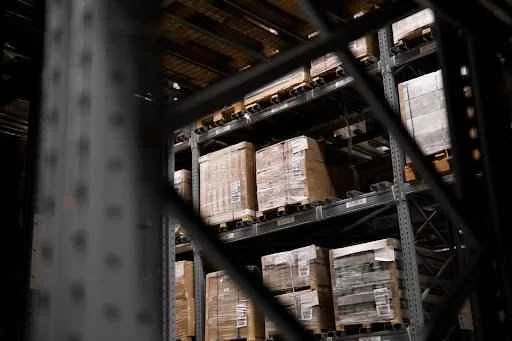
Written By : Serene In the world of warehousing, one size does not fit all. Each business has unique needs and challenges that require tailored solutions. Customised warehouse solutions, including the use of specific forklift equipment, can significantly enhance operational efficiency. They cater to the specific requirements of a business, optimising space and improving the flow of goods. This article will delve into the importance of customised warehouse solutions for unique business needs. It will highlight how these tailored strategies can boost safety, profitability, and overall business performance. Understanding Customised Warehouse Solutions Customised warehouse solutions are designed to meet the specific needs of each business. They go beyond conventional approaches by adapting to unique operational requirements. These solutions involve creating systems that tailor the warehouse environment to fit the type and volume of inventory. Space utilisation and workflow processes are optimised for maximum efficiency. By focusing on unique business needs, customised solutions provide a strategic advantage. They enhance performance by aligning warehousing operations more closely with business goals. The Role of Forklift Equipment in Customisation Forklift equipment plays a key role in customised warehouse solutions. It ensures that goods move safely and efficiently within the warehouse. Choosing the right forklift is crucial. It should align with the specific layout and inventory type of the warehouse. Different forklifts can handle varying loads and conditions. Tailoring equipment to needs optimises operations and minimises risks. This contributes to smoother and faster logistics processes. Benefits of Tailored Warehouse Solutions Customised warehouse solutions offer a range of tangible benefits. They address the unique aspects of each business’s operations, enhancing overall efficiency. Space Optimisation: Tailored designs maximise available space. This results in better storage and improved access, crucial for busy warehouses. Enhanced Goods Flow: Custom solutions streamline the movement of products. Reducing bottlenecks leads to faster operations and increased throughput. Improved Inventory Management: By integrating advanced management systems, businesses can gain precise control over stock levels, minimising errors. Safety and Compliance: Customised designs ensure adherence to safety standards. They also help meet industry regulations, reducing potential liabilities. Case Studies: Success Stories of Customisation Many businesses have thrived by embracing customised warehouse solutions. These success stories highlight the transformative impact of tailored approaches. One company streamlined its operations by adopting specialised storage systems. This led to a 30% increase in space efficiency and enhanced productivity. Another firm integrated cutting-edge forklift equipment, significantly reducing handling time. By optimising their warehouse, they improved order fulfilment speeds, boosting customer satisfaction and strengthening their competitive position. Choosing the Right Warehouse Solution Provider Selecting the right provider is crucial for successful customisation. Experience and expertise in tailored solutions are key factors to consider. Look for a provider who offers a comprehensive range of services, including advanced technology integration and training. Ensure they align with your business objectives and demonstrate a history of successful implementation. This partnership can drive long-term efficiencies and growth. Conclusion: Aligning Warehouse Solutions with Business Goals Customised warehouse solutions can significantly enhance your business operations. They must align with your overall strategy to drive success. Regular evaluations of your warehouse needs ensure solutions remain effective and adaptable. This ongoing alignment helps maintain competitive advantage and operational efficiency. Investing in tailored approaches can lead to cost savings and improved customer satisfaction. Strategic customisation fosters long-term growth and resilience.