

The Latest Innovations in Forklift Attachments Australia
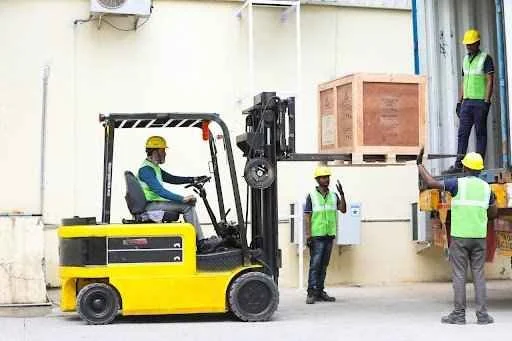
Written By : Serene In the bustling world of Australian industries, forklift attachments play a pivotal role. They are the unsung heroes, enhancing operational efficiency and safety. The latest innovations in forklift attachments are transforming the way businesses operate. They are addressing industry-specific challenges, improving productivity, and reducing environmental impact. From automation to smart systems, these advancements are revolutionising material handling. They are making forklifts more versatile and adaptable to diverse needs. This article will delve into these exciting innovations in forklift attachments Australia. We will explore how they are shaping the future of Australian industries. Whether you are a logistics manager, a forklift operator, or a business owner, this guide will provide valuable insights. Stay tuned to learn about the latest forklift attachments and where to find reliable suppliers in Australia. Understanding the Role of Forklift Attachments in Australian Industries Forklift attachments are integral to many Australian industries. They are used in warehouses, construction sites, and manufacturing plants, among others. These attachments enhance the functionality of forklifts. They allow for more precise handling of materials, increasing productivity and reducing the risk of damage. The Importance of Efficiency and Safety Enhancements Efficiency and safety are paramount in any industry. Forklift attachments contribute significantly to both. By enabling faster and more accurate material handling, they boost operational efficiency. They also reduce the risk of accidents, ensuring a safer workplace. Industry-Specific Challenges and Attachment Solutions Different industries face unique challenges. Innovative forklift attachments are designed to address these specific needs. For instance, construction sites may require heavy-duty attachments for lifting large materials. On the other hand, warehouses might benefit from attachments that allow for precise stacking of goods. Breakthrough Technologies in Forklift Attachments The world of forklift attachments is not immune to technological advancements. New technologies are constantly being integrated into these tools, enhancing their capabilities. These breakthroughs range from automation to smart systems. They are transforming the way industries handle materials, making operations more efficient and safer. Automation and Smart Systems Integration Automation is a game-changer in forklift attachments. It allows for precise control, reducing the risk of errors and accidents. Smart systems, on the other hand, provide real-time data. This information can be used to monitor performance and make necessary adjustments, ensuring optimal operation. Sustainable and Eco-Friendly Innovations Sustainability is a key concern in today’s world. Forklift attachment manufacturers are responding by developing eco-friendly innovations. These include energy-efficient attachments and those made from recycled materials. Such innovations not only reduce environmental impact but can also lead to cost savings in the long run. The Rise of Multi-Purpose and Customizable Attachments Multi-purpose and customizable attachments are gaining popularity. They offer versatility, allowing forklifts to handle a variety of tasks with a single attachment. Customizable attachments, meanwhile, can be tailored to specific needs. This ensures that they perfectly fit the task at hand, enhancing efficiency and safety. Leading Suppliers of Forklift Attachments in Australia When looking for forklift attachments suppliers, Australia is home to several leading suppliers of forklift attachments. These companies offer a wide range of products, catering to the diverse needs of various industries. They are known for their commitment to quality and innovation. They continuously strive to develop new and improved attachments that can enhance operational efficiency and safety. Spotlight on Australian Forklift Attachment Manufacturers Among the top manufacturers in Australia, some stand out for their exceptional offerings. They have earned a reputation for their innovative designs and high-quality products. These companies are not just manufacturers. They are also pioneers, leading the way in the development of new technologies and solutions in the forklift attachment industry. The Importance of Local Support and Services Local support and services are crucial when investing in forklift attachments. They ensure that you get the most out of your investment. From installation to maintenance and repairs, local suppliers can provide timely and efficient services. This can significantly reduce downtime, ensuring that your operations run smoothly at all times. Selecting the Right Forklift Attachments for Your Needs Choosing the right forklift attachments is crucial for your business. The right attachments can significantly enhance your operational efficiency and safety. However, with the wide variety of options available, making the right choice can be challenging. It requires a thorough understanding of your specific needs and the capabilities of different attachments. Compatibility and Customization Considerations Compatibility is a key factor to consider when choosing forklift attachments. The attachments you choose must be compatible with your existing forklift models. Customization is another important consideration. Some suppliers offer customizable attachments that can be tailored to meet your specific needs. This can provide a more efficient and cost-effective solution for your business. The Role of Expert Advice in Attachment Selection Expert advice can be invaluable in the selection process. Forklift attachment experts can provide insights into the latest innovations and help you choose the best attachments for your needs. They can also provide guidance on proper use and maintenance, ensuring that you get the most out of your investment. This can significantly enhance the longevity and performance of your forklift attachments. Future Trends and Innovations on the Horizon The world of forklift attachments is not static. It’s constantly evolving, driven by technological advancements and changing industry needs. Innovations are continually emerging, offering new ways to enhance efficiency, safety, and productivity. These advancements are shaping the future of forklift attachments in Australia and beyond. The Potential of AI and IoT in Forklift Attachments Artificial Intelligence (AI) and the Internet of Things (IoT) are two technologies with significant potential in the realm of forklift attachments. They offer opportunities for automation, data analysis, and predictive maintenance. AI can enable smarter, more efficient operations, while IoT can provide valuable data to inform decision-making and improve performance. These technologies are set to revolutionise the forklift attachment industry. Embracing Change: The Importance of Continuous Learning In this rapidly evolving industry, continuous learning is crucial. Staying abreast of the latest trends and innovations can give businesses a competitive edge. It’s important to be open to new technologies
Why Forklift Tyre Selection is Critical for Fleet Management in High-Volume Warehouses
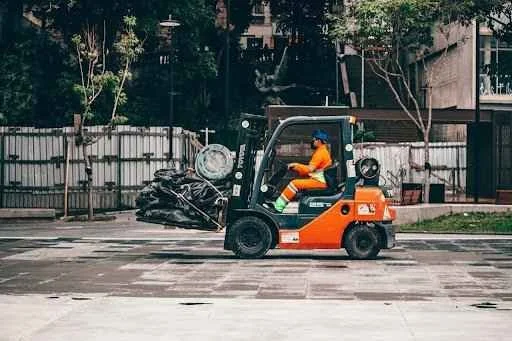
Written By : Serene In high-volume warehouses, forklifts are the workhorses that keep operations running smoothly. But what keeps these forklifts performing at their best? One critical factor is the selection of the right tyres. Choosing the appropriate tyres for your forklifts can significantly impact the efficiency, safety, and cost-effectiveness of your warehouse operations. This article aims to shed light on why forklift tyre selection is so crucial for fleet management in high-volume warehouses. Whether you’re a fleet manager, a procurement officer, or a forklift parts supplier, you’ll find valuable insights in this guide. Understanding Forklift Tyre Types Forklift tyres are not one-size-fits-all. Different types of tyres like forklift solid tyres are designed for specific warehouse environments and tasks. Here are the most common types of forklift tyres: Pneumatic Tyres: These are similar to car or truck tyres. They are air-filled, providing excellent shock absorption. Pneumatic tyres are ideal for rough or uneven surfaces, but they can be punctured, which may lead to downtime. Solid Tyres: Also known as cushion tyres, these are made of solid rubber. They are puncture-resistant and durable, making them a popular choice for high-volume warehouses. However, they offer less shock absorption than pneumatic tyres. Polyurethane Tyres: These tyres are lightweight and provide excellent manoeuvrability. They are typically used for indoor operations due to their low rolling resistance. However, they may wear out faster than other tyre types. Specialised Tyres: These include non-marking tyres, which leave no marks on warehouse floors, and heat-resistant tyres for operations involving high temperatures. Understanding these tyre types is the first step in making an informed tyre selection for your forklift fleet. The Impact of Tyre Selection on Warehouse Operations The choice of forklift tyres can significantly impact warehouse operations. The right tyres can enhance the efficiency of your forklift fleet. They can withstand heavy loads and continuous use, reducing the risk of unexpected downtime. Moreover, the correct tyre selection can improve fuel efficiency and energy consumption, especially in electric forklifts. On the other hand, incorrect tyre selection can lead to increased maintenance costs and safety risks. For instance, using a tyre not designed for your warehouse floor can cause rapid wear and tear, leading to frequent replacements. Similarly, using a tyre not suited to the load capacity of your forklift can increase the risk of accidents. Therefore, understanding the impact of tyre selection is crucial for efficient and safe warehouse operations. Factors Influencing Forklift Tyre Choice Several factors influence the choice of forklift tyres. One of the primary considerations is the floor conditions of the warehouse. Different tyre types are suited to different floor surfaces. For instance, solid tyres are ideal for smooth, indoor surfaces, while pneumatic tyres are better for rough, outdoor terrains. Another crucial factor is the load capacity of the forklift. The tyres must be able to support the weight of the forklift and the load it carries. Overloading can lead to premature tyre wear and potential safety hazards. The operating environment also plays a role in tyre selection. Factors such as temperature, humidity, and exposure to chemicals can affect tyre performance and lifespan. For example, polyurethane tyres are resistant to many chemicals, making them suitable for warehouses dealing with hazardous materials. Lastly, the lifespan and cost of the tyres are important considerations. While some tyres may have a higher upfront cost, they may last longer and offer better performance, resulting in lower overall costs in the long run. Floor Conditions: The type of flooring in your warehouse can dictate the best tyre choice. Load Capacity: The weight your forklift needs to carry influences the tyre selection. Operating Environment: Factors like temperature and chemical exposure can affect tyre performance. Tyre Lifespan and Cost: The longevity and cost-effectiveness of the tyres are crucial considerations. Safety and Efficiency: The Role of Proper Tyre Maintenance Proper tyre maintenance is crucial for both safety and efficiency in high-volume warehouses. Regular inspections can help identify issues such as uneven wear, punctures, or under-inflation, which can lead to accidents or reduced performance. Moreover, a well-maintained tyre can significantly improve the efficiency of forklift operations. It ensures optimal fuel consumption, reduces the risk of downtime due to tyre failure, and contributes to a smoother ride for operators. Therefore, incorporating a robust tyre maintenance routine is a critical aspect of effective fleet management. The Role of Forklift Parts Suppliers in Tyre Selection Forklift parts suppliers play a pivotal role in tyre selection. They provide expert advice on the best tyre types for specific warehouse conditions and operations. Their knowledge of the latest tyre technologies and trends can be invaluable in making informed decisions. Moreover, reputable suppliers often offer warranties and guarantees on their products. This can provide additional peace of mind and can be a deciding factor in the tyre selection process. Therefore, building a strong relationship with a reliable forklift parts supplier can be a strategic move for effective fleet management. Case Studies: The Real-World Benefits of Optimal Tyre Selection Case studies provide tangible evidence of the benefits of optimal tyre selection. For instance, a high-volume warehouse that switched to solid tyres reported a significant reduction in maintenance costs and downtime. The durability of these tyres under heavy loads and continuous use proved to be a cost-effective solution. In another case, a warehouse that implemented a tyre management system saw improved safety and efficiency. Regular tyre inspections and timely replacements helped prevent accidents and maintain fleet performance. These real-world examples underscore the importance of strategic tyre selection and management. Conclusion: Integrating Tyre Selection into Fleet Management Strategy In conclusion, forklift tyre selection is a critical aspect of fleet management in high-volume warehouses. It directly impacts safety, efficiency, and cost-effectiveness of operations. Therefore, it should be integrated into the overall fleet management strategy. Working with reputable forklift parts suppliers, conducting regular tyre inspections, and implementing a tyre management system are all part of this strategic approach. By considering factors such as floor conditions, load capacity, operating environment, and tyre lifespan, warehouses can optimise their
Maintenance Tips for Forklift Container Ramps: Keeping Your Equipment in Top Shape
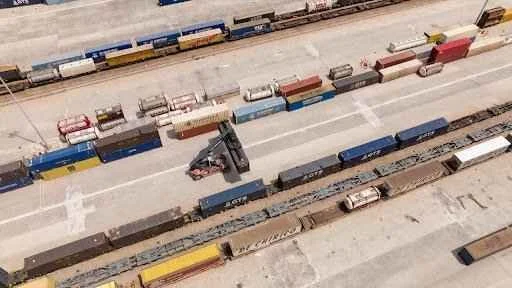
Written By : Serene Forklift container ramps are vital for smooth operations in warehouses and industrial settings. They facilitate the safe and efficient loading and unloading of goods. However, like any other piece of equipment, they require regular maintenance. This ensures their longevity and safe operation. In this guide, we will delve into the best practices for maintaining forklift container ramps. We aim to provide actionable tips that can be easily implemented. From inspecting for wear and tear to addressing common issues, we’ve got you covered. We will also highlight the importance of adhering to safety standards and training staff. Whether you’re a warehouse manager, a forklift operator, or a logistics professional, this guide is for you. Understanding Forklift Container Ramps Forklift container ramps, also known as dock ramps or loading ramps, are essential forklift accessories. They bridge the gap between a loading dock and a freight container, enabling forklifts to move goods in and out safely and efficiently. These ramps are typically made of high-strength steel or aluminium and are designed to withstand heavy loads. They come in various sizes and load capacities, and some models are adjustable to fit different container heights. Understanding the structure and function of these ramps is the first step towards their effective maintenance. Importance of Regular Maintenance Regular maintenance of a forklift container ramp is crucial for their longevity and safe operation. It helps identify potential issues early, preventing costly repairs or replacements down the line. Moreover, well-maintained ramps contribute to a safer working environment. They reduce the risk of accidents caused by equipment failure, ensuring smooth and efficient operations. Thus, investing time and resources in regular maintenance is a wise decision for any business. 1. Inspection Routine A thorough inspection routine is the first step in maintaining your forklift container ramps. Regular checks help identify wear and tear signs early, preventing major issues down the line. Start by examining the ramp’s surface for any visible damage. Look for cracks, dents, or any signs of deformation. Next, check the ramp’s hinges and joints. Ensure they are in good condition and function smoothly. Lastly, inspect the ramp’s load capacity. Overloading can lead to structural damage, so it’s crucial to adhere to the manufacturer’s specifications. 2. Cleaning and Debris Removal Keeping your ramps clean is essential for their longevity. Dirt and debris can cause wear and tear, affecting the ramp’s performance. Regularly sweep the ramp’s surface to remove any debris. For stubborn dirt, use a mild detergent and a soft brush to clean the surface. 3. Lubrication of Moving Parts Lubrication is key to the smooth operation of your forklift container ramp. It reduces friction between moving parts, preventing wear and tear. Regularly lubricate the ramp’s hinges and joints. Use a high-quality lubricant recommended by the manufacturer for best results. 4. Surface and Structural Checks Regular surface and structural checks are crucial for ramp safety. They help identify potential issues that could lead to accidents. Check the ramp’s surface for slip resistance. A slippery ramp can be dangerous, especially in wet conditions. Also, inspect the ramp for any signs of corrosion or rust. If found, address it immediately to prevent further damage. 5. Weather and Environmental Protection Weather and environmental factors can significantly affect your ramp’s condition. It’s important to protect your equipment from harsh weather conditions. If your ramp is outdoors, consider using a protective cover to shield it from rain, snow, and sun. Also, ensure proper drainage around the ramp to prevent water accumulation. Standing water can lead to rust and corrosion, damaging your ramp over time. Addressing Common Wear and Tear Issues Container ramps are subject to wear and tear due to regular use. Addressing these issues promptly can prevent costly repairs and downtime. Common issues include instability, improper load distribution, and corrosion. Let’s delve into how to address these problems effectively. 1. Ramp Stability and Alignment Ramp stability is crucial for safe operations. Regularly check the ramp’s alignment with the container to ensure safe loading and unloading. Also, ensure the ramp is securely fastened to prevent movement during use. A stable ramp reduces the risk of accidents and enhances productivity. 2. Load Capacity and Distribution Overloading is a common issue with forklift container. Always adhere to the manufacturer’s weight specifications to prevent structural damage. Also, ensure even load distribution. Uneven loads can cause the ramp to tilt or become unstable, posing a safety risk. 3. Corrosion and Rust Management Corrosion and rust can significantly reduce your ramp’s lifespan. Regularly inspect the ramp for any signs of rust or corrosion. If found, treat it immediately using rust removers or protective coatings. Regular paint touch-ups can also help prevent corrosion. Safety and Compliance Safety should be a top priority when maintaining container ramps. Compliance with safety standards not only ensures a safe work environment but also helps avoid legal issues. Moreover, proper maintenance can impact insurance premiums. Regularly maintained equipment often attracts lower premiums due to reduced risk. 1. Adhering to OSHA Standards Adherence to OSHA standards is crucial. These standards provide guidelines on ramp maintenance, usage, and safety measures. Non-compliance can lead to hefty fines and legal complications. Therefore, always ensure your maintenance practices align with these standards. 2. Training and Documentation Training staff on proper ramp usage and care is essential. It helps prevent misuse, which can lead to premature wear and tear. Also, keep a maintenance log. It helps track maintenance activities, identify recurring issues, and plan preventive measures. Documentation is also crucial for warranty claims and compliance audits. Conclusion and Best Practices In conclusion, regular and thorough maintenance of forklift container ramps is crucial for their longevity and safe operation. Adhering to manufacturer’s guidelines, using the correct tools, and training staff on proper usage and care can significantly reduce wear and tear. Remember, a proactive approach to maintenance can save time, money, and ensure a safer work environment.
The Role of Forklift Tynes in Improving Warehouse Efficiency
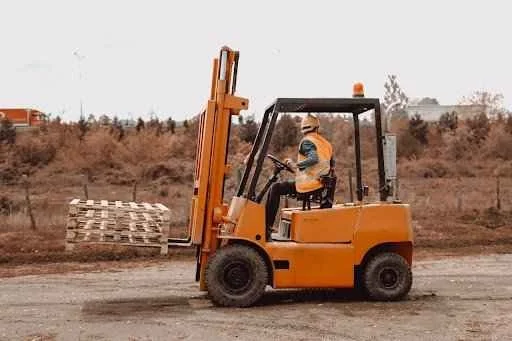
Written By : Serene In the world of warehousing, efficiency is key. Every element of the operation, from the layout of the warehouse to the equipment used, plays a crucial role. One such piece of equipment is the forklift, and more specifically, its tynes. Forklift tynes, also known as tines or forks, are the metal arms that do the heavy lifting. They are essential for moving, loading, and unloading goods. But their role goes beyond mere lifting. The right tynes can significantly improve warehouse efficiency, impacting loading times, space utilisation, and even safety. In this article, we delve into the role of forklift tynes in improving warehouse efficiency, providing insights into their selection, maintenance, and proper use. Understanding Forklift Tynes and Their Importance Forklift tynes are the long, flat, steel arms attached to the front of a forklift. They are designed to slide under a load, lift it off the ground, and transport it to a new location. But the role of forklift tynes extends beyond simple lifting and moving. They are a critical component in material handling, impacting the speed and efficiency of warehouse operations. The right tynes can reduce loading and unloading times, minimise product damage, and contribute to better space utilisation. Loading and unloading times: The size and type of tynes can significantly affect how quickly goods are moved in and out of the warehouse. Product damage: Properly maintained and correctly used tynes can reduce the risk of damaging goods during handling. Space utilisation: By enabling efficient stacking and storage, tynes can help make the most of the available warehouse space. Moreover, forklift tynes also have economic and safety benefits. The correct tynes can reduce operational costs by improving productivity and minimising downtime. From a safety perspective, using the right tynes and maintaining them properly can prevent accidents, ensuring a safer work environment. Selecting the Right Tynes for Your Operations Choosing the right tynes for your forklift is crucial for efficient operations. Several factors come into play when selecting tynes, including their size, material, and type. Size: The length, width, and thickness of the tynes should match the loads size and weight. Too short or thin tynes can lead to unstable loads, while too long or thick ones can make manoeuvring difficult. Material: Tynes are typically made of steel, but the specific type of steel can vary. High-strength alloy steel is often used for heavy-duty applications, while stainless steel is preferred for corrosive environments. Type: There are different types of tynes, such as standard, folding, and telescopic, each suited to specific tasks. Matching the tynes to the specific tasks in your warehouse is also important. For instance, if your operations involve handling palletized goods, standard tynes would be suitable. On the other hand, if you frequently handle long, bulky items, you might need telescopic tynes. Customization can also play a role in selecting the right tynes. Some manufacturers offer custom-made tynes that can be tailored to your specific needs, providing an optimal solution for unique material handling requirements. Maintenance and Care for Forklift Tynes Regular inspections and maintenance of forklift tynes are essential for their longevity and performance. Routine checks can help identify any signs of wear, damage, or deformation early on. This allows for timely repairs or replacements, preventing potential accidents and breakdowns. Properly maintained tynes not only enhance the forklift’s performance but also contribute to safety. Worn-out or damaged tynes can lead to load instability, posing a risk to both the operator and the warehouse environment. Therefore, diligent care for your forklift tynes is a key aspect of warehouse efficiency and safety. Forklift Tynes and Warehouse Space Utilisation Forklift tynes play a significant role in optimising warehouse space. By allowing for precise and efficient material handling, they contribute to better space management. For instance, longer tynes can handle larger loads, reducing the number of trips needed to move materials. This can lead to more efficient use of warehouse space and improved workflow. Several case studies have shown that businesses can significantly improve their space utilisation by choosing the right tynes for their forklifts. This not only enhances warehouse efficiency but also reduces operational costs. Operator Training and Safe Use of Forklift Tynes Proper operation of forklift tynes is crucial for warehouse efficiency. Skilled operators can handle materials more quickly and accurately, reducing the risk of product damage and improving workflow. Safety is another key consideration when using forklift tynes. Operators should be trained in best practices, such as ensuring the load is balanced and secure before moving. This can prevent accidents and injuries, contributing to a safer work environment. In conclusion, investing in operator training and promoting safe use of forklift tynes can significantly enhance warehouse efficiency and safety. Forklift Attachments: Extending the Functionality of Tynes Forklift tynes are versatile, but their functionality can be further extended with the use of attachments. These additions can adapt the forklift to handle a wider range of tasks, improving operational productivity. There are various types of forklift attachments available, each designed for specific applications. These include side shifters, rotators, fork positioners, and clamp attachments, among others. Side shifters allow lateral movement of the load, reducing the need for precise positioning of the truck. Rotators can rotate the tynes to handle pallets that need to be dumped. Fork positioners can move the tynes closer together or further apart, accommodating different pallet sizes. Clamp attachments can hold onto a load, allowing the forklift to handle items without a pallet. By choosing the right attachments, warehouses can optimise their forklift operations, making the most of their equipment and enhancing efficiency. The Future of Forklift Tynes in Warehouse Efficiency As technology continues to evolve, so too does the design and functionality of forklift tynes. Innovations in materials and design are making tynes stronger, lighter, and more durable. This not only extends their lifespan but also enhances their performance, contributing to improved warehouse efficiency. In addition, the rise of automation and smart technologies is set to revolutionise the role of forklift tynes
How a Forklift Lifting Jib Can Enhance Your Warehouse Efficiency
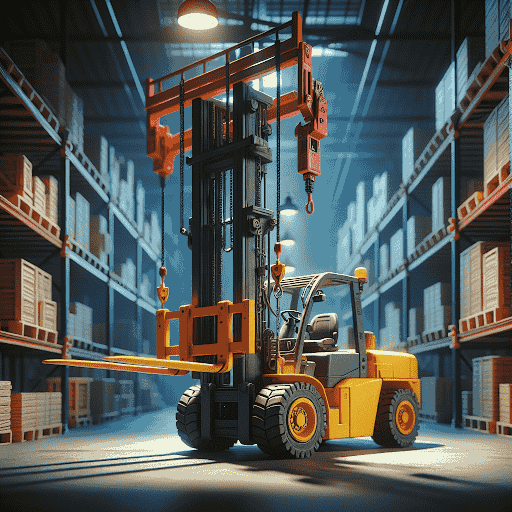
Written By : Serene In the bustling world of warehouse operations, efficiency is key. Every piece of equipment plays a crucial role in maintaining a smooth workflow. One such piece of equipment is the forklift lifting jib. This forklift accessory can significantly enhance your warehouse’s efficiency, transforming a standard forklift into a versatile lifting tool. But how does a forklift lifting jib achieve this? Jib attachment forklift? What makes it a valuable addition to your forklift equipment? In this article, we will delve into the benefits, uses, and considerations when selecting and using a forklift lifting jib attachment. Whether you’re a warehouse manager, a forklift operator, or a business owner, this guide will provide you with valuable insights to optimize your material handling processes. Understanding Forklift Lifting Jibs A forklift lifting jib is a type of forklift accessory. It’s designed to extend the reach and capabilities of a standard forklift. This jib attachment transforms a forklift into a more versatile lifting tool. It allows the forklift to handle a variety of lifting tasks that would otherwise be challenging. Understanding the purpose and functionality of a forklift lifting jib is the first step towards leveraging its benefits in your warehouse operations. The Role of Forklift Lifting Jibs in Warehouse Efficiency Forklift lifting jibs play a crucial role in enhancing warehouse efficiency. They allow forklifts to handle a wider range of tasks, reducing the need for multiple specialized lifting equipment. By extending the reach of a forklift, lifting jibs can facilitate the handling of irregularly shaped or bulky items. This versatility can significantly speed up material handling processes. Moreover, lifting jibs can reduce the risk of damage to materials during handling. This is because they provide more control and stability compared to manual lifting. In essence, integrating a forklift lifting jib into your operations can streamline workflows and boost productivity. Types of Forklift Lifting Jibs and Their Applications There are several types of forklift lifting jibs available in the market. Each type is designed to handle specific tasks, making them suitable for different applications. Fixed jibs, for instance, are non-adjustable and are ideal for straightforward lifting tasks. They are typically used for handling pallets or other uniformly shaped loads. On the other hand, telescopic jibs can extend and retract, allowing for greater reach and flexibility. They are perfect for handling loads that are difficult to reach or are located at varying heights. Fixed jibs: Ideal for straightforward lifting tasks. Telescopic jibs: Perfect for handling loads at varying heights. In conclusion, understanding the different types of forklift lifting jibs and their applications can help you select the right jib for your operations. This can significantly enhance your warehouse efficiency. Selecting the Right Forklift Lifting Jib for Your Operations Choosing the right forklift lifting jib is crucial for your operations. It’s not just about picking the most advanced or expensive model. You need to consider the specific tasks you’ll be performing. Think about the types of loads you’ll be handling, their weight, and their shape. Also, consider the reach you’ll need. If your operations involve reaching high shelves or awkward spaces, a telescopic jib might be the best choice. In conclusion, understanding your operational needs is key to selecting the right forklift lifting jib. This will ensure optimal efficiency and safety in your warehouse. Safety First: Operating a Forklift Lifting Jib Safely Safety is paramount when operating a forklift lifting jib. It’s not just about protecting your workers, but also about preventing damage to your goods and equipment. Firstly, operators should be adequately trained. They need to understand how to handle the jib and the loads safely. Secondly, regular inspections are crucial. This ensures that the jib is in good working condition and safe to use. Here are some safety tips to keep in mind: Always check the load capacity of the jib before lifting. Ensure the load is securely attached to the jib. Maintain a safe distance from the load while lifting. Never exceed the maximum load capacity of the jib. In conclusion, safety should always be the top priority when operating a forklift lifting jib. This will not only protect your workers but also enhance efficiency in your operations. The Impact of Forklift Lifting Jibs on Productivity and ROI Forklift lifting jibs can significantly boost productivity in your warehouse. By extending the reach and versatility of your forklifts, they allow for quicker and more efficient material handling. Moreover, they can reduce the need for manual lifting. This not only speeds up operations but also minimizes the risk of injuries. Fewer injuries mean less downtime and more productivity. In terms of return on investment (ROI), the benefits are clear. While there is an upfront cost to purchase a jib, the increase in productivity and reduction in injury-related costs can quickly offset this. In short, forklift lifting jibs can be a valuable investment for any warehouse looking to enhance efficiency and productivity. Installation, Training, and Maintenance of Forklift Lifting Jibs Installing a forklift lifting jib is typically straightforward. Most jibs are designed to easily attach to the forks of your existing forklift equipment. However, it’s crucial to ensure the attachment is secure before use. Training is another key aspect of using a forklift lifting jib. Operators should be thoroughly trained on how to use the jib safely and efficiently. This includes understanding the weight distribution and balance when lifting different loads. Maintenance of your forklift lifting jib is also essential. Regular inspections and adherence to safety standards can prolong the life of your jib and ensure it remains a valuable asset to your operations. Lastly, proper storage of the jib when not in use can prevent damage and wear. Always follow the manufacturer’s guidelines for storage and care. Real-World Success: Case Studies of Forklift Lifting Jib Efficiency Many businesses have seen significant improvements in efficiency after integrating forklift lifting jibs into their operations. For instance, a manufacturing company reported a 30% reduction in loading and unloading times. This was due to the jib’s
Maximising Efficiency: How to Properly Use a Container Loading Ramp
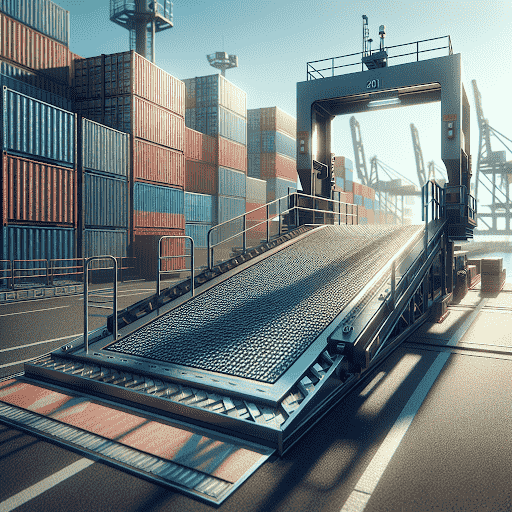
Written By : Serene In the world of logistics and warehousing, efficiency is key. One tool that plays a crucial role in this is the container loading ramp. These ramps facilitate the smooth and safe movement of goods. They bridge the gap between the ground and the container, allowing for easy access.But how can you ensure you’re getting the most out of your container ramp? This guide will delve into the best practices for using a container loading ramp. We’ll explore how to select the right ramp, maximize its efficiency, and maintain safety. Whether you’re a logistics manager, a warehouse supervisor, or a business owner, this guide will help you optimize your operations. Understanding Container Loading Ramps Container loading ramps, also known as container ramps, are essential pieces of equipment in logistics. They are designed to facilitate the loading and unloading of goods from containers. This is done by providing a safe and efficient pathway for forklifts and other material handling equipment. Container ramps come in various types and sizes. They can be portable or stationary, adjustable or fixed. The choice of ramp depends on several factors. These include the load capacity, the type of vehicle or equipment used, and the specific needs of the operation. Here are some key features to look for in a container ramp: Durability: The ramp should be able to withstand heavy loads and frequent use. Surface traction: This prevents slippage, ensuring safety during operations. Weather resistance: The ramp should be able to with stand different weather conditions, especially if it’s used outdoors. The Role of Container Ramps in Logistics Container ramps play a vital role in logistics. They help reduce loading and unloading times, thereby increasing operational efficiency. Moreover, they minimize worker fatigue and injury by making the movement of goods easier and safer. Types of Container Ramps and Their Uses There are several types of container ramps available in the market. Portable ramps are easy to move and set up, making them ideal for temporary or changing needs. Stationary ramps, on the other hand, are permanently installed at the loading dock. They are typically used in high-volume operations. Adjustable ramps can be modified to fit different heights and load capacities. This makes them versatile and suitable for a variety of applications. Finally, custom-designed ramps can be tailored to meet specific requirements, such as unusual load sizes or unique dock configurations. Selecting the Right Container Ramp Selecting the right container ramp is crucial for maximizing efficiency and safety. The first step is to understand your operational needs. This includes the type of goods you handle, the vehicles or equipment you use, and the volume of your operations. Next, consider the physical characteristics of your loading dock. This includes the height of the dock, the available space, and the conditions of the surrounding area. Here are some key factors to consider when selecting a container ramp for sale: Load capacity: The ramp should be able to support the maximum weight of your loads. Ramp gradient: This affects the ease of use and safety. A lower gradient is easier to navigate, but it requires more space. Compatibility: The ramp should fit well with your vehicles and containers. Durability: Choose a ramp that is built to last, with high-quality materials and construction. Factors to Consider When Buying a Container Ramp When buying a container ramp, there are several factors to consider. First, think about the load capacity. The ramp should be able to support the maximum weight of your loads. Next, consider the ramp gradient. This affects the ease of use and safety. A lower gradient is easier to navigate, but it requires more space. Finally, consider the compatibility of the ramp with your vehicles and containers. The ramp should fit well with your equipment to ensure smooth operations. Maximising Ramp Efficiency Maximising the efficiency of your container ramp can significantly improve your operations.One way to do this is by optimising the placement and angle of the ramp. This can reduce the time it takes to load and unload goods.Another strategy is to train your staff on how to use the ramp effectively. This includes understanding the weight limits, securing the ramp properly, and following safety protocols. Best Practices for Container Ramp Usage Using a container ramp properly can enhance its efficiency and prolong its lifespan. Firstly, always inspect the ramp before use. Check for any signs of damage or wear and tear. Secondly, ensure that the ramp is secured properly before loading or unloading goods. This can prevent accidents and damage to the ramp. Lastly, follow the manufacturer’s guidelines for maintenance. Regular maintenance can keep the ramp in good condition and prevent costly repairs. Safety and Maintenance Safety is paramount when using a container ramp. Always adhere to the weight limits specified by the manufacturer. Overloading the ramp can lead to accidents and damage the ramp. Regular maintenance is also crucial. It ensures the ramp remains in good condition and extends its lifespan. Ensuring Safety During Container Ramp Operations To ensure safety during operations, always secure the ramp properly. Use clear signage and communication when the ramp is in use. This can prevent accidents and confusion. Lastly, provide regular training refreshers to your staff. This ensures they are up-to-date with safety protocols and efficient ramp usage. Conclusion and Next Steps Maximising the efficiency of a container loading ramp can significantly improve your operations. It reduces loading times, minimises worker fatigue, and enhances safety.To get started, assess your current ramp usage. Then, consider the tips and best practices discussed in this guide. Remember, the right ramp and proper usage can make a world of difference. Looking for container ramps for sale? Give us a call today.
Choosing the Right Forklift Slippers for Your Forklift: A Buyer’s Guide
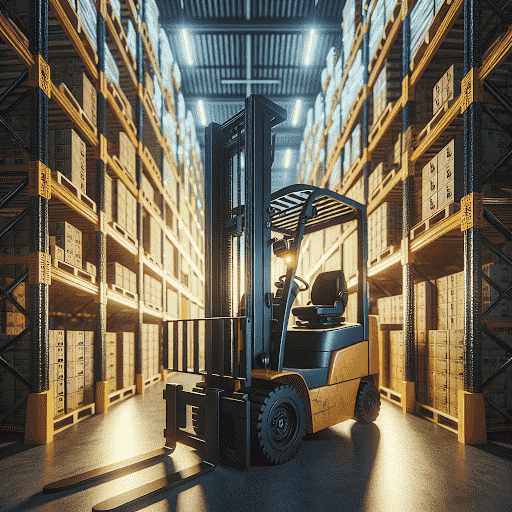
Written By : Serene Choosing the right forklift slippers is crucial for efficient and safe operations. These essential forklift spare parts play a significant role in material handling tasks. However, with a variety of forklift slippers for sale, making the right choice can be challenging. It’s not just about finding the right fit. You also need to consider factors such as compatibility, durability, and safety standards. In this comprehensive guide, we’ll walk you through the process of choosing the right fork slippers for your forklift. Whether you’re a warehouse manager, a forklift operator, or a procurement officer, this guide will provide you with valuable insights to make an informed decision. Understanding Forklift Fork Slippers Before we delve into the selection process, let’s first understand what forklift fork slippers are. These are extensions that slide onto the existing forks of your forklift. They are designed to provide additional length to your forklift forks. This allows for safe and efficient handling of larger loads. But it’s not just about extending the length. Forklift fork slippers also help distribute the load evenly across the forks. This reduces the risk of damage to the forks and the load. They are an essential part of forklift spare parts, especially for businesses that handle a variety of load sizes. What Are Forklift Fork Slippers? Forklift fork slippers or forklift extension slippers also known as fork extensions, are attachments that slide over the existing forks of a forklift. They are typically made of heavy-duty steel to withstand the weight of the loads. Their primary function is to extend the length of the forks for handling larger loads. The Role of Fork Slippers in Material Handling Fork slippers play a crucial role in material handling operations. They allow forklifts to handle larger loads safely and efficiently. Moreover, they help prevent damage to the load by distributing the weight evenly across the forks. Key Factors to Consider When Choosing Fork Slippers Choosing the right fork slippers for your forklift involves several key factors. These include compatibility with your forklift model, the size and capacity of the slippers, their material and durability, forklift extension slippers and safety and compliance standards. Let’s delve into each of these factors in detail. Compatibility with Your Forklift Model Not all fork slippers are compatible with all forklift models. It’s crucial to ensure that the slippers you choose are designed for your specific forklift model. Failure to do so can lead to operational inefficiencies and safety risks. Size and Capacity: Getting the Measurements Right The size and capacity of the fork slippers are also important considerations. The slippers should be the right length and width for your forklift forks. Moreover, they should have the capacity to handle the weight of the loads you typically handle. Material and Durability: What to Look For Fork slippers are typically made of heavy-duty steel for durability. However, the quality of the steel and the manufacturing process can affect their longevity. Choose slippers that are well-made and designed to withstand the rigors of your operations. Safety and Compliance Standards Finally, safety and compliance standards are crucial. The fork slippers you choose should meet all relevant safety standards. They should also be compliant with any regulations applicable in your region. Installation and Usage Tips Once you’ve chosen the right fork slippers, it’s time to install and use them. This process involves attaching the slippers safely, performing safety checks before use, and maintaining them for longevity. Attaching Your Fork Slippers Safely Attaching your fork slippers safely is crucial. Ensure that they are securely fastened to the forklift forks. A loose attachment can lead to accidents and damage to the load. Performing Safety Checks Before Use Before using the forklift with the slippers, perform safety checks. Check the attachment of the slippers and the condition of the forks. Also, ensure that the load is within the capacity of the slippers. Maintenance and Care for Longevity Regular maintenance can extend the life of your fork slippers. This includes cleaning them regularly and checking for signs of wear. If you notice any damage, replace the slippers immediately to avoid safety risks. Where to Find Forklift Slippers for Sale Finding the right forklift slippers involves identifying reputable suppliers. You also need to consider the balance between quality and cost. Identifying Reputable Suppliers Reputable suppliers offer quality products. They also provide excellent customer service and support. Look for suppliers with positive reviews and a good reputation in the industry. Considering Quality vs. Cost While cost is a factor, don’t compromise on quality. High-quality fork slippers may cost more, but they last longer. They also provide better safety and efficiency, which can save you money in the long run. Making the Right Investment: Cost Savings and ROI Investing in the right forklift slippers can lead to significant cost savings. They can also improve your return on investment (ROI). The Impact on Operational Efficiency Forklift slippers can enhance operational efficiency. They allow for safe handling of larger loads. This can reduce the time and effort required for material handling tasks. When to Replace Your Fork Slippers Regular inspection of your fork slippers is crucial. Look for signs of wear or damage. Replace your fork slippers promptly when they show signs of deterioration to maintain safety and efficiency. Conclusion and Next Steps Choosing the right forklift slippers is crucial for safety and efficiency. Consider factors like compatibility, size, material, and compliance standards. Remember to regularly inspect and replace your fork slippers as needed. Additional Resources and Support For more information, consult your forklift manufacturer’s guidelines. You can also reach out to reputable forklift spare parts suppliers. They can provide additional resources and support to help you make the right choice.
The Benefits of Portable Showers for Disaster Relief and Emergency Preparedness
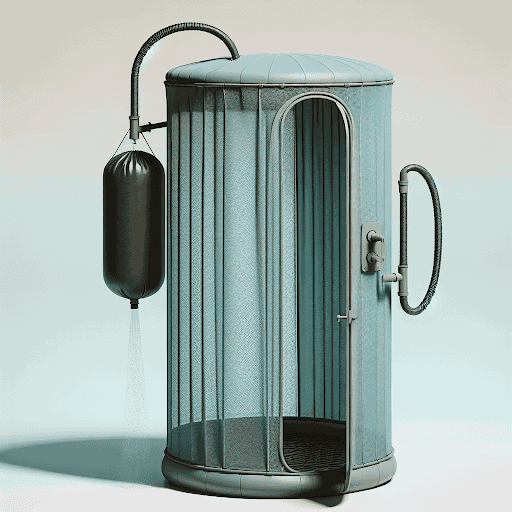
Written By : Serene When disaster strikes, basic amenities become luxuries. One such amenity is the ability to take a shower. Portable showers for disaster relief provide a solution. They offer a way to maintain hygiene and dignity in the midst of chaos. These mobile units are not just for comfort. They play a crucial role in preventing the spread of diseases in emergency situations. In this article, we delve into the benefits of portable showers in disaster relief and emergency preparedness. We’ll explore their features, types, and the considerations for selecting the right one. Whether you’re a disaster relief coordinator, a construction site manager, or an outdoor event planner, this guide will help you understand the importance of portable showers in maintaining health and morale during emergencies. Understanding Portable Showers and Their Role in Disaster Relief Portables are self-contained units that provide a means for individuals to bathe in situations where traditional facilities are unavailable or inaccessible. They are designed to be easily transported and set up, making them ideal for use in disaster relief scenarios. In the aftermath of a disaster, maintaining personal hygiene can be challenging. Portable showers play a crucial role in these situations. They not only help individuals feel clean and refreshed, but also contribute to the overall health and well-being of those affected by the disaster. This makes them an essential component of any disaster relief operation. The Importance of Hygiene in Emergency Situations In emergency situations, maintaining hygiene is not just about comfort, it’s a matter of public health. Poor sanitation conditions can lead to the spread of diseases, exacerbating the already dire circumstances. Showers help mitigate these risks by providing a means for individuals to clean themselves. This is particularly important in crowded temporary shelters where the risk of disease transmission is high. Portables help maintain personal hygiene They reduce the risk of disease transmission They contribute to the overall health and well-being of disaster victims Types of Portable Showers and Their Features Portable showers come in various types, each designed to meet specific needs in disaster relief scenarios. Some are solar-powered, harnessing the sun’s energy to heat water, while others are gas-powered or gravity-fed. Solar-powered showers: These use the sun’s energy to heat water, making them ideal for areas with ample sunlight. Gas-powered showers: These use propane or other fuels to heat water, providing hot showers even in cloudy or cold conditions. Gravity-fed showers: These rely on gravity to deliver water from a higher point, making them simple and reliable. Each type has its own set of features, such as water capacity, ease of setup, and durability. These factors should be considered when choosing the right portable shower for a disaster relief operation. Selecting the Right Portable Shower for Your Needs Choosing the right portable shower for disaster relief depends on several factors. These include the size of the population, the availability of water sources, and the specific needs of the affected individuals. For instance, a large-scale disaster may require showers with high water capacity. In contrast, a remote location with limited water supply might benefit from solar-powered or gravity-fed showers. The key is to assess the situation carefully and select the portable shower that best meets the needs of the disaster-stricken community. Logistical Advantages of Showers in Disaster Zones Portable showers offer significant logistical advantages in disaster zones. They are designed for quick setup and can be deployed in a matter of hours, providing immediate relief to those affected by disasters. Moreover, their compact and lightweight design allows for easy transportation, even to remote or hard-to-reach areas. This makes portable showers a practical and efficient solution for maintaining hygiene in disaster-stricken areas. Case Studies: Showers in Action Portable showers have proven their worth in numerous disaster relief operations worldwide. For instance, in the aftermath of Hurricane Katrina, portable showers were deployed to provide hygiene facilities for thousands of displaced individuals. In another instance, during the Nepal earthquake in 2015, portable showers were set up in temporary camps. They played a crucial role in preventing the spread of diseases and maintaining the dignity of the affected individuals. These case studies highlight the practicality and effectiveness of portable showers in real-world disaster scenarios. Environmental and Health Benefits of Portable Showers Portable showers offer significant environmental benefits. They are designed to conserve water, a critical resource, especially in disaster-stricken areas. Some models even have water recycling systems, further reducing water usage. From a health perspective, portable showers help prevent the spread of diseases. In disaster situations, maintaining hygiene becomes challenging. Portable showers provide a solution, reducing the risk of disease outbreaks. They contribute to the overall well-being of individuals, boosting morale during tough times. Integrating Showers with Other Disaster Relief Equipment Portable showers are just one part of a comprehensive disaster relief strategy. They are often used in conjunction with other equipment, such as portable toilets and handwashing stations. This creates a complete sanitation solution, crucial in disaster scenarios. Moreover, portable showers can be integrated with water purification systems. This ensures that the water used is safe and clean. In some cases, portable showers can also be connected to solar power systems, providing hot water even in remote locations. This integration of equipment enhances the effectiveness of disaster relief operations. Cost-Effectiveness and Financing Options for Portable Showers Portables are a cost-effective solution for disaster relief. Compared to the construction and maintenance of permanent facilities, portable showers are significantly less expensive. They are also easy to deploy and dismantle, saving time and resources during emergencies. For organizations looking to invest in a portable shower, there are various financing options available. Some manufacturers offer rental options, which can be a cost-effective choice for short-term needs. Additionally, there are grants and funding available from government and non-profit organizations for disaster relief equipment. This makes portable showers an accessible and affordable option for disaster preparedness. Conclusion: The Role of Portable Showers in Enhancing Disaster Preparedness In conclusion, portable showers play a crucial role in disaster relief
Safety First: How the Right Worksite Equipment Reduces On-Site Risks

Written By : Serene Safety is a top priority on any worksite. From construction sites to manufacturing plants, the right safety equipment is crucial. It helps to reduce risks and protect workers from potential hazards. In this guide, we delve into the world of safety worksite equipment. We explore various types of safety gear, tools, and even the often-overlooked portable toilet. Each piece of equipment plays a unique role in creating a safer work environment. Understanding their uses can help prevent accidents and injuries. Whether you’re a construction manager, a safety officer, or a worker, this guide is for you. Let’s explore how the right worksite safety equipment can reduce on-site risks. Understanding Worksite Risks and the Role of Safety Equipment Worksite risks are varied and numerous. They range from falls and impacts to exposure to harmful substances. Safety equipment is designed to mitigate these risks. It provides a protective barrier between the worker and the potential hazard. For instance, helmets and safety goggles protect against falling objects. Respiratory masks prevent inhalation of harmful dust and chemicals. Understanding these risks and the role of safety equipment is the first step towards a safer worksite. It allows for the selection of the right tools and gear to protect workers effectively. Essential Worksite Safety Equipment Worksite safety equipment is a broad category. It includes a range of tools and gear designed to protect workers from various hazards. Personal protective equipment, fall protection, fire safety tools, and even sanitation facilities like portable toilets fall under this category. Each plays a crucial role in maintaining a safe work environment. Personal Protective Equipment (PPE) Personal protective equipment, or PPE, is a must-have on any worksite. It includes helmets, safety goggles, high-visibility clothing, and more. These items protect workers from common hazards like falling objects, dust, and chemicals. They also increase visibility, reducing the risk of accidents. Fall Protection and Fire Safety Fall protection is another critical aspect of worksite safety. Safety harnesses and fall arrest systems can prevent serious injuries from heights. Fire safety tools, like fire extinguishers, are also essential. They allow for quick response in case of a fire, potentially saving lives and property. Portable Toilets and Sanitation Sanitation is often overlooked when discussing worksite safety. However, facilities like portable toilets are crucial for worker welfare. They provide a clean, private space for workers to use, improving morale and productivity. Plus, they help maintain a sanitary worksite, reducing the risk of disease spread. Safety Gear: Beyond the Basics While PPE and basic safety tools are vital, there’s more to worksite safety. Advanced safety gear can further reduce risks and enhance worker welfare. For instance, ergonomic tools can minimize the risk of musculoskeletal disorders. Communication tools can improve on-site coordination, reducing the likelihood of accidents. Ergonomic Tools and Equipment Ergonomic tools are designed to minimize strain and injury. They can be particularly beneficial in reducing the risk of repetitive strain injuries. These tools are designed with the user’s comfort and safety in mind. They can significantly improve the overall safety and productivity of a worksite. Communication and Visibility Tools Effective communication is key to safety on any worksite. Tools like walkie-talkies and signal lights can greatly enhance on-site coordination. Visibility tools, such as high-visibility clothing and reflective materials, are also crucial. They can significantly reduce the risk of accidents in low-light conditions or busy worksites. Maintaining and Inspecting Safety Equipment Regular inspection of safety equipment is crucial. It ensures that all gear is in good condition and ready for use. Maintenance is equally important. Proper care can prolong the life of safety equipment, ensuring it remains effective. Remember, a faulty piece of equipment can be as dangerous as no equipment at all. Regular checks and maintenance can prevent such situations. In essence, maintaining and inspecting safety equipment is a key step in ensuring a safe worksite. Training and Compliance: Ensuring Proper Use of Safety Tools Training is a vital part of worksite safety. Workers need to know how to use safety equipment properly. Incorrect use of safety tools can lead to accidents. Therefore, regular training sessions are essential. Compliance is another crucial aspect. All workers must adhere to safety guidelines and use the equipment as instructed. In conclusion, training and compliance play a significant role in ensuring the proper use of safety tools. The Financial and Legal Implications of Worksite Safety Investing in worksite safety equipment is not just about protecting workers. It also has financial and legal implications. Failure to provide adequate safety measures can result in hefty fines. It can also lead to increased insurance premiums. In conclusion, investing in the right safety equipment is not just a moral obligation. It’s also a smart business decision. Creating a Culture of Safety on the Worksite Creating a culture of safety is crucial. It’s not enough to just provide the right equipment. Workers need to understand the importance of using it. They should feel responsible for their own safety and that of their colleagues. Leadership plays a key role here. They must set the right example and ensure compliance with safety protocols. Conclusion: Investing in the Right Safety Equipment Investing in the right worksite safety equipment is not an option, it’s a necessity. It’s about protecting lives, preventing injuries, and ensuring a productive work environment. Choosing quality equipment tailored to your specific worksite needs is crucial. It’s also important to maintain and regularly inspect this equipment to ensure its effectiveness. Remember, safety is a shared responsibility. Everyone on the worksite plays a role in creating a safe environment. In conclusion, prioritizing safety and investing in the right equipment is the best decision you can make for your worksite. It’s a decision that pays off in countless ways.
Safety Tips for Operating Forklifts with Different Extended Forklift Tynes
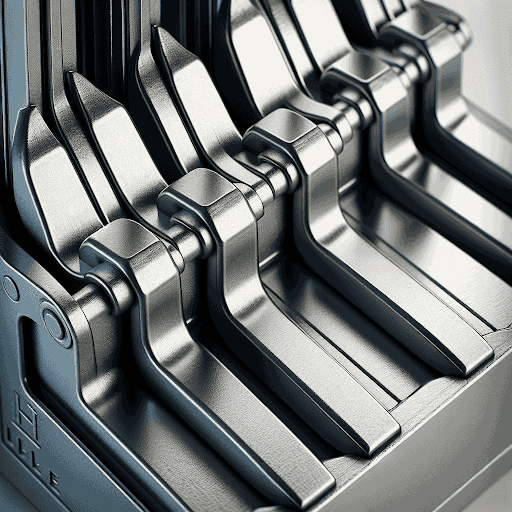
Written By: Serene Operating forklifts with extended tynes or any add-on forklift equipment can be a challenging task. It requires a unique set of skills and a deep understanding of safety protocols. In this article, we aim to provide you with essential safety tips for handling these machines. These tips help you operate forklift tynes with extended safety and efficiency. Whether you’re a forklift operator, a warehouse manager, or a safety officer, this guide is for you. It covers everything from pre-operational checks to emergency procedures. By following these guidelines, you can minimize risks and maintain a safe working environment. Remember, safety should always be your top priority when operating heavy machinery. Stay tuned as we delve into the world of forklift safety. Let’s create a safer workplace together. Understanding the Risks of Extended Tynes Extended tynes on a forklift pose specific challenges. They can significantly alter the machine’s stability and load capacity. Understanding these risks is the first step towards safe operation. It helps you prepare for potential issues and take preventive measures. Here are some of the key risks associated with extended tynes: Changes in the forklift’s center of gravity, leading to instability. Difficulty in maneuvering in tight spaces due to increased length. Increased load capacity, which can lead to overloading if not managed properly. Altered visibility, making it harder to see pedestrians and other obstacles. By being aware of these risks, you can take steps to mitigate them. This includes proper training, regular maintenance checks, and adherence to safety protocols. Always remember, safety first when operating forklifts with extended tynes. Essential Training for Operators of Extended Tyne Forklifts Proper training is crucial for safe forklift operation. This is especially true when dealing with extended tynes and forklift equipment. Training should cover both theoretical knowledge and practical skills. It should also be specific to the type of forklift and the tasks at hand. Here are some key areas that training should cover: Understanding the specific challenges posed by extended tynes. Correct loading and unloading techniques for extended tynes. Safe maneuvering with extended tynes in tight spaces. The impact of extended tynes on forklift stability and center of gravity. Remember, training is not a one-time event. Regular refresher courses are necessary to keep skills sharp and up-to-date. Always prioritize safety training to ensure a safe and efficient working environment. Pre-Operational Inspection Checklist Before operating a forklift with extended tynes, a pre-operational inspection is essential. This helps to identify any potential issues that could compromise safety. The inspection should cover all key forklift parts. This includes the tynes, mast, overhead guard, and brakes. Here are some key points to include in your inspection: Check the condition of the tynes for any signs of wear or damage. Inspect the mast and overhead guard for structural integrity. Test the brakes to ensure they are functioning properly. Check the condition of the tires and ensure they are properly inflated. Remember, a thorough inspection can prevent accidents. Always take the time to ensure your forklift is in safe working condition before operation. Load Capacity and Stability with Extended Tynes Operating a forklift with extended tynes presents unique challenges. One of these is the change in load capacity and stability. Extended tynes can carry longer loads. However, they also shift the forklift’s center of gravity. This can affect stability. Here are some tips to maintain stability: Understand the forklift’s load capacity. Never exceed it. Be aware of how extended tynes affect the center of gravity. Always ensure loads are evenly distributed on the tynes. Remember, an unstable forklift is a major safety risk. Always prioritize stability when operating a forklift with extended tynes. In conclusion, understanding the impact of extended tynes on load capacity and stability is crucial. It helps ensure safe and efficient forklift operation. Safe Loading and Unloading Practices Loading and unloading are critical operations in forklift use. With extended tynes, these tasks require extra care. Here are some safety tips for loading and unloading: Always ensure the load is secure before moving. Use the right lifting techniques to prevent tip-overs. Never overload the tynes. Stick to the forklift’s load capacity. Remember, a dropped load can cause serious injuries. It can also damage the forklift and other property. In conclusion, safe loading and unloading practices are essential. They help prevent accidents and maintain a safe working environment. Maneuvering and Speed Control Maneuvering a forklift with extended tynes can be challenging. The extended tynes can affect the forklift’s turning radius and stability. Here are some tips for safe maneuvering: Always keep a safe distance from other objects and people. Use slow speeds when turning or navigating tight spaces. Be aware of the forklift’s center of gravity and avoid sudden movements. Speed control is also crucial. A forklift moving too fast can tip over, especially with extended tynes. In conclusion, careful maneuvering and speed control are key to forklift safety. They help prevent accidents and ensure smooth operation. Personal Protective Equipment (PPE) and Visibility Operating a forklift requires appropriate personal protective equipment (PPE). This includes safety shoes, high-visibility jackets, and hard hats. Here are some PPE guidelines: Always wear the required PPE when operating a forklift. Ensure your PPE is in good condition and fits properly. Visibility is also crucial when operating a forklift. Clear visibility helps in identifying potential hazards and avoiding accidents. Always ensure you have a clear line of sight when operating a forklift, especially with extended tynes. Communication and Environmental Awareness Effective communication is key in forklift operation. It helps in coordinating movements and avoiding accidents. Use signals, horns, and lights to communicate your intentions to others. Here are some communication tips: Always signal before making turns or changing direction. Use the horn to alert pedestrians and other operators of your presence. Being aware of your environment is also crucial. Pay attention to floor conditions, space constraints, and pedestrian traffic. Always operate the forklift in designated areas and respect pedestrian exclusion zones. Maintenance and Handling of Forklift Parts Regular maintenance is crucial