

Portable vs Fixed Container Ramps: How to Choose the Right Option for Efficient Shipping Container Handling in Sydney
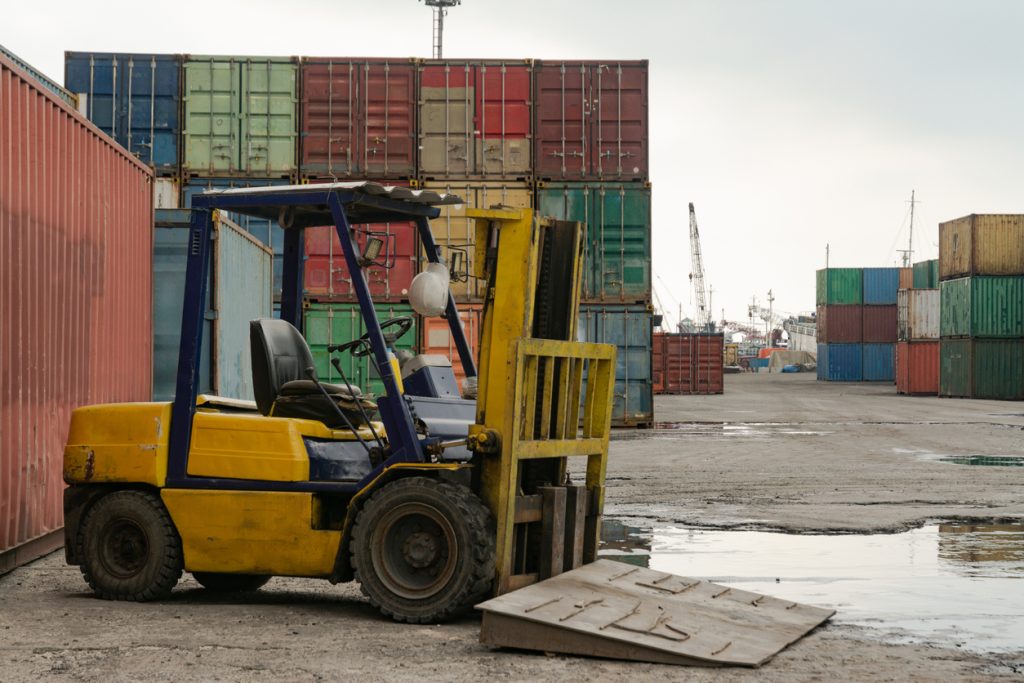
Navigating the logistics of shipping container handling requires an effective ramp solution. The right container ramp can significantly impact efficiency and safety during loading and unloading processes. This article delves into the differences between portable and fixed container ramps, enabling you to make an informed choice tailored to your specific operational needs. We will explore their unique benefits, potential drawbacks, cost considerations, and best practices for installation and compliance in Sydney. By understanding the characteristics of each ramp type, you will be better equipped to enhance your loading and unloading operations while maintaining safety standards. What Are the Key Differences Between Portable and Fixed Container Ramps? Understanding the distinctions between portable and fixed container ramps is crucial for selecting the most appropriate option for your shipping requirements. Portable ramps are designed for mobility, offering flexibility and convenience for varying loading scenarios. Conversely, fixed ramps serve as permanent installations, designed for frequent use in established loading docks. How Do Portable Container Ramps Offer Mobility and Flexibility? Portable container ramps provide exceptional mobility, enabling quick setup and removal as needed. This flexibility is ideal for businesses that require temporary access or those that operate in multiple locations. For instance, events or projects requiring frequent relocation benefit significantly from mobile ramps. Users have noted that portable ramps also allow for easy adjustments to angles, accommodating diverse container heights and loading scenarios. What Are the Benefits of Permanent Fixed Container Ramp Installations? Fixed container ramps offer several advantages, particularly in terms of long-term cost efficiency and operational performance. Many users report increased loading dock efficiency due to dedicated setups, which streamline processes and reduce downtime. Fixed installations are typically more durable, designed to withstand the rigors of continuous use, which contributes to overall safety and productivity. The initial investment in fixed ramps often pays off over time through savings in maintenance and operational efficiency. What Are the Advantages and Drawbacks of Fixed Container Ramps? When considering fixed container ramps, it is essential to weigh both their benefits and potential drawbacks. While these ramps enhance efficiency, they may require high upfront costs and space for installation. How Do Fixed Ramps Improve Loading Dock Efficiency and Durability? Fixed ramps significantly enhance loading dock efficiency through their stable and solid structure, which promotes faster loading and unloading operations. The durability of materials used in fixed ramp construction, such as steel or reinforced concrete, ensures they endure heavy usage without compromising safety. Their capacity to accommodate larger loads efficiently makes them a preferred choice for high-traffic shipping facilities. What Installation and Maintenance Requirements Apply to Fixed Container Ramps? Installing fixed container ramps often involves adherence to specific building codes and safety standards. Maintenance routines typically include regular inspections, ensuring that structural integrity is maintained and any wear and tear is promptly addressed. Operators should be familiar with local regulations to ensure compliance and optimal ramp functionality over time. Why Choose Portable Container Ramps for Temporary or Variable Loading Needs? Portable container ramps are particularly advantageous in situations requiring temporary loading access. Their design caters to varying operational needs that change frequently. How Portable Ramps Facilitate Temporary Access and Frequent Relocation? Portable ramps allow businesses to adapt quickly to varying project requirements, making them perfect for temporary setups like construction sites or events. These ramps are often lightweight, enabling quick relocation without the need for heavy machinery, showcasing their practicality for dynamic environments. What Safety Standards and Compliance Apply to Portable Container Ramps in Sydney? In Sydney, portable container ramps must meet specific safety standards to ensure user safety and compliance. Operators should adhere to guidelines set forth by local regulations, which include weight limits, user capacity, and stability features. Understanding these regulations is crucial for ensuring compliance and safety during use. How Do Cost and Material Factors Influence the Choice Between Portable and Fixed Ramps? The choice between portable and fixed container ramps extends beyond functionality to encompass cost and material considerations. The financial implications can be significant and should be thoroughly evaluated. What Are the Typical Load Capacities and Materials Used in Container Ramp Types? Different ramp types come with varying load capacities, primarily influenced by the materials used in their construction. Typically, portable ramps are made from aluminum or lightweight steel, accommodating loads ranging from 500 to 3,000 pounds. In contrast, fixed ramps can support much heavier loads owing to their robust materials such as reinforced concrete or heavy-duty steel. How Does Installation Cost Compare Between Portable and Fixed Ramps in Sydney? Installation costs can vary significantly between portable and fixed ramps. Portable ramps generally incur lower costs as they do not require permanent installation and can often be set up quickly without professional help. Conversely, fixed ramps typically involve higher initial expenses due to the necessity of site preparation, structural installation, and adherence to safety standards. What Are the Best Practices for Container Ramp Installation and Safety Compliance in Sydney? Implementing best practices for the installation and maintenance of container ramps ensures long-term operability and safety. Which Australian Safety Certifications Should Container Ramps Meet? Container ramps must meet specified Australian standards for safety certification. This includes ensuring ramps are capable of supporting stipulated loads safely while being made from materials that are durable and resistant to various environmental conditions. Compliance with these standards is mandatory for legal operation. How to Ensure Compliance and Longevity Through Proper Ramp Maintenance? Proper maintenance of ramps involves regular inspections, cleaning, and upkeep of both portable and fixed installations to prevent degradation. Users should create a maintenance schedule that includes checking for wear, lubricating moving parts, and cleaning debris to extend the ramp’s lifespan and ensure safety compliance. How to Decide the Best Container Ramp Type for Your Shipping Container Handling Needs? Deciding between portable and fixed ramps depends on your specific loading needs, frequency of use, and budget. What Use Case Scenarios Favour Portable Over Fixed Container Ramps? Use cases most suitable for portable ramps include temporary job sites and events where flexibility is essential. These ramps cater
Selecting Forklift Tynes: Comprehensive Guide to Sizes, Safety Standards, and Compliance Requirements for Industrial Operations
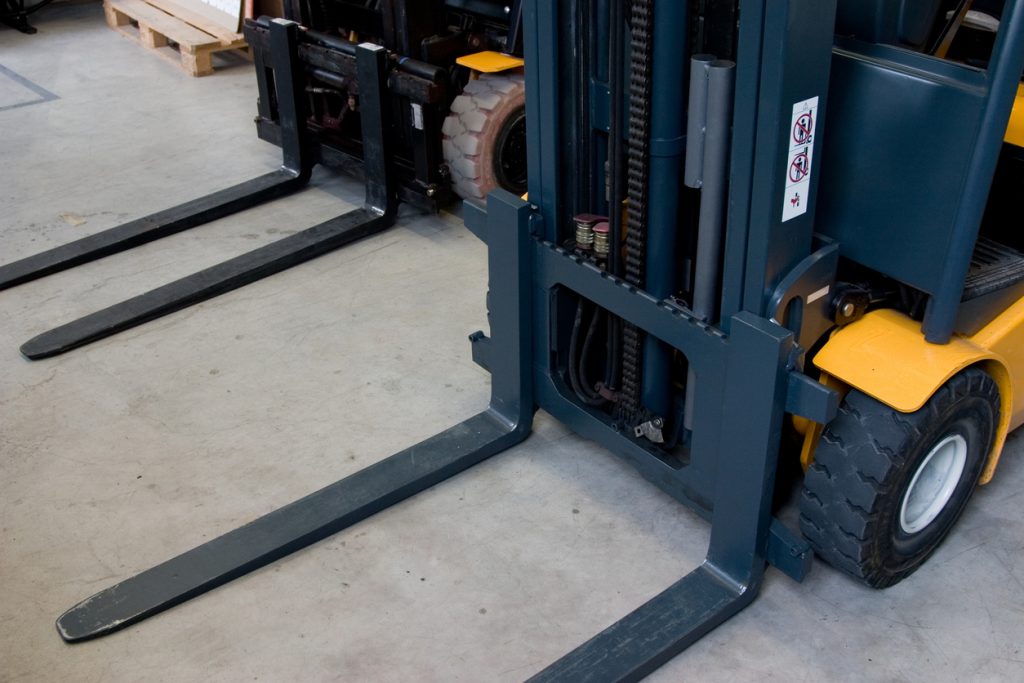
In industrial operations, selecting the right forklift tynes is critical for safely handling materials. This article presents a thorough overview of forklift tyne sizes, safety standards, and compliance requirements specific to industrial settings, particularly in Sydney. Readers will learn about the various sizes and dimensions, safety regulations governing their use, and best practices for maintenance and inspection. Additionally, we will explore how to determine load capacity and the compatibility of forklift tynes with different types of forklifts. Understanding these components ensures operational efficiency and safety while also meeting compliance requirements in Sydney’s industrial landscape. What Are the Standard Forklift Tyne Sizes and Dimensions for Industrial Use? Forklift tynes come in various standard sizes and dimensions designed to fit different forklift models and operational needs. These specifications are crucial for ensuring that tynes can handle specific loads effectively and safely. The standard sizes include length, width, and thickness, which determine the compatibility of tynes with various loads and equipment types. Which Length, Width, and Thickness Specifications Determine Forklift Tyne Compatibility? The dimensions of forklift tynes significantly influence their compatibility with different forklift models. Key specifications to consider include: Understanding these specifications is essential to ensure operational efficiency and safety when selecting forklift tynes. How Do Different Forklift Tyne Sizes Affect Load Handling and Operational Efficiency? The size of forklift tynes directly impacts load handling and overall operational efficiency. For instance, shorter tynes may be ideal for maneuvering in tight spaces, offering agility, whereas longer tynes can distribute weight better over larger loads. Studies show that the appropriate tyne size can enhance stability during lifting operations, reducing the risk of tipping and improving load integrity. Ultimately, choose a tyne size that aligns with the specific requirements of your operational environment. What Are the Australian Forklift Safety Standards and Compliance Requirements? Safety standards for forklift tynes in Australia are governed by AS 2359, which outlines the manufacturing and usage specifications necessary to ensure safe operation. Compliance with these standards is critical in preventing accidents and ensuring safe handling of materials. How Does AS 2359 Standard Regulate Forklift Tynes Manufacturing and Usage? AS 2359 includes detailed regulations regarding the material specifications, design standards, and testing requirements for forklift tynes. Key aspects include: These regulations ensure that forklift tynes are not only manufactured to high standards but also regularly assessed for safety performance. What Steps Are Required to Ensure Forklift Tynes Meet Current Compliance Regulations in Sydney? To ensure forklift tynes comply with current regulations, the following steps should be implemented: By adhering to these practices, businesses can maintain regulatory compliance and ensure the safety of their operations. How to Determine Forklift Fork Load Capacity and Compatibility for Your Equipment? Determining the load capacity and compatibility of forklift tynes is a critical aspect of safe material handling. Accurate assessments prevent accidents and ensure efficiency in warehouse operations. Load capacity defines the maximum weight that can be safely lifted by forklifts equipped with specific tynes. What Is the Importance of Load Capacity Charts in Selecting Forklift Tynes? Load capacity charts provide essential data to help operators select the appropriate forklift tynes for their equipment. These charts typically outline limits based on the specifics of the forklift model and the tyne dimensions. Implementing these charts helps ensure that the weight being lifted is well within the safe handling capacity, reducing the likelihood of accidents. Which Factors Influence Compatibility Between Forklift Tynes and Various Forklift Models? Several factors affect the compatibility of forklift tynes with different models, including: Ensuring that tynes are correctly matched to the forklift model will enhance safety and operational efficiency. What Are the Best Practices for Forklift Tyne Inspection and Maintenance to Ensure Safety? Consistent inspection and maintenance of forklift tynes is vital to ensure safe operations in industrial environments. Regular assessments help identify potential issues before they lead to accidents. How Often Should Forklift Tynes Be Inspected According to Australian Safety Protocols? According to Australian safety protocols, forklift tynes should be inspected at least once every 12 months. However, high-usage environments may require more frequent checks. Operators should also perform visual inspections daily before use. This practice helps spot signs of wear or damage that could compromise safety. Which Inspection Checklist Steps Identify Wear, Deformation, and Non-Compliance? An effective inspection checklist for forklift tynes should include the following steps: Implementing such a checklist promotes timely interventions and mitigates the risks associated with using damaged or non-compliant equipment. How to Choose the Right Forklift Tynes for Your Sydney-Based Warehouse Operations? Choosing the right forklift tynes for specific operations in Sydney is crucial, influenced by various local industry needs and technological advancements that enhance safety and functionality. What Local Industry Needs Affect Forklift Fork Selection in Sydney Warehousing? Local industry requirements significantly impact the choice of forklift tynes. Sydney warehouses may handle diverse materials, necessitating different tyne specifications. Factors to consider include: Understanding these local demands aids in selecting tynes tailored to specific warehouse needs. How Do Advances in Fork Material Technology Improve Forklift Tyne Durability and Safety? Recent advances in material technology have significantly enhanced the durability and safety of forklift tynes. These innovations often focus on: Incorporating these advanced materials and designs reduces maintenance needs and boosts overall operational safety.
Forklift Engine Parts, Maintenance & Warning Signs | Complete Sydney Guide to Costs, Suppliers, and Repairs
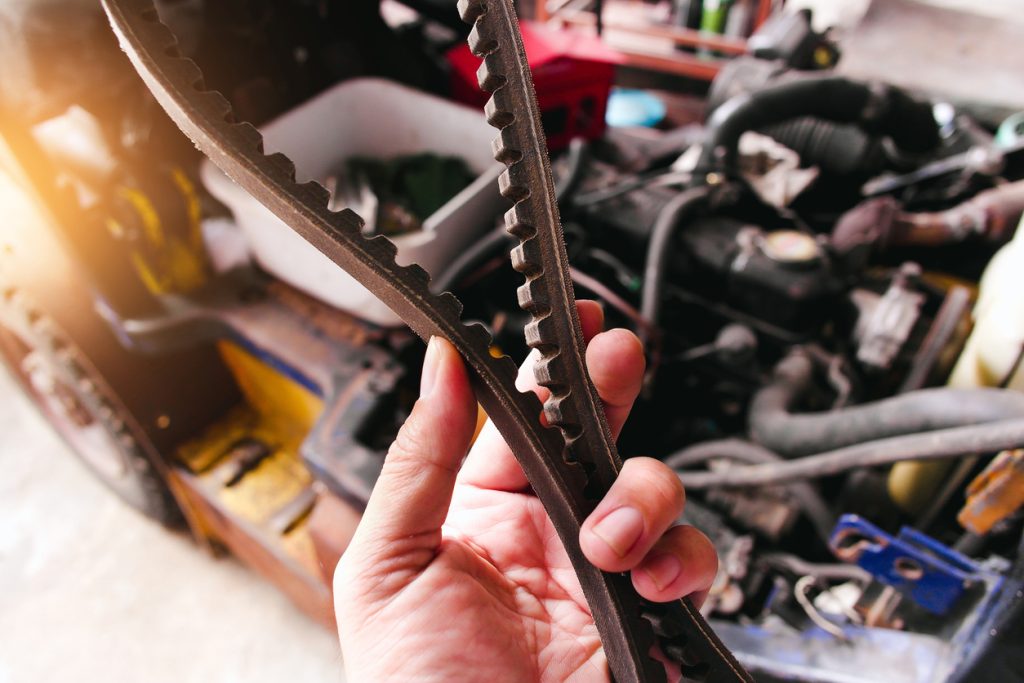
Keeping forklift engines healthy is essential to safe, efficient warehouse operations. This guide explains what to look for when buying parts, how to spot engine problems early, and when repairs will cost you time and money. Forklift engines power your fleet sensible maintenance and timely part replacement reduce downtime and protect your budget. Read on for typical failure signs, replacement timing and costs, trusted supplier criteria in Sydney, and practical maintenance tips to keep your machines running reliably. What Are the Common Signs of Forklift Engine Failure? Spotting early warning signs can prevent a minor issue from becoming a costly breakdown. Common indicators of engine trouble include falling power or responsiveness, unfamiliar noises from the engine bay, and excessive exhaust smoke. These symptoms typically point to worn or failing components; addressing them quickly preserves uptime and keeps operators safe. How to Identify Early Symptoms of Engine Problems Operators and technicians should monitor performance every shift. Watch for reduced acceleration or load-handling capability, and listen for knocking, grinding, or metallic clatter. Check exhaust colour and volume for changes, and make quick visual inspections for leaks or loose components. Routine walk-around checks and scheduled diagnostics catch many issues before they escalate. What Causes Forklift Engine Failures? Engine failures commonly arise from preventable sources: cooling system breakdowns that cause overheating, progressive wear of key components, and seal or gasket deterioration that leads to leaks. Over time, pistons, bearings, and other moving parts degrade, and cooling or lubrication faults accelerate damage. A proactive maintenance plan reduces these risks and extends engine life. Pinpointing the specific failure causes is essential to designing effective repairs and preventive measures, as shown in detailed fault studies. When and How to Replace Forklift Engine Parts: Costs and Timing Explained Replacing parts at the right time keeps your fleet reliable and helps control maintenance spending. Replacement intervals vary with usage, environment, and part quality; scheduled inspections and condition-based checks are the best way to decide when to replace components. Understanding typical costs also helps you budget for repairs and plan downtime. What Is the Average Forklift Engine Replacement Cost? Replacement costs depend on the component and the machine. Simple parts and routine repairs can run a few hundred dollars, while major engine repairs or replacement assemblies can cost several thousand. Labour, part availability, and whether you choose OEM versus aftermarket parts all influence the final price. How Often Should Forklift Engine Parts Be Replaced? Follow manufacturer recommendations and adjust for real-world operating conditions. Consumables such as filters and gaskets commonly need attention every 1,000–2,000 operating hours; more substantial components (for example, pistons or major engine assemblies) typically last much longer but should be inspected regularly. Base replacement decisions on condition, operating hours, and performance trends rather than fixed calendar dates alone. Who Are the Best Forklift Engine Parts Suppliers in Sydney? Reliable local suppliers shorten repair times and reduce downtime. A good supplier offers genuine parts, clear compatibility guidance, and responsive after-sales support. Local stock and fast shipping or same-day pickup are valuable when you need to get machines back into service quickly. What to Look for in a Reliable Sydney Supplier Prioritise suppliers with a proven industry reputation and technical knowledge. Look for ranges that include OEM components, transparent warranties, and staff who can advise on correct part selection and installation. Strong customer service, consistent stock levels, and reliable delivery are key factors when choosing a partner for critical components. Choosing the right supplier, particularly for critical items like filters, often comes down to quality, availability, and the supplier’s ability to support maintenance planning. Contact us today! Where to Buy Genuine Forklift Engine Parts Locally Local dealers and authorised distributors in Sydney stock filters, gaskets, seals, engine blocks, and other common parts. Building a relationship with a nearby supplier ensures quicker access to genuine components and technical help when troubleshooting or performing repairs, reducing fleet downtime. What Are the Essential Forklift Engine Maintenance Tips and Services? Regular maintenance preserves performance and prevents unexpected failures. A practical maintenance regimen combines routine inspections, scheduled servicing, and prompt corrective repairs. High-quality parts and competent technicians make the difference between recurring downtime and a long, trouble-free service life. How to Maintain Forklift Engines for Longevity Implement routine checks for fluid levels, belts, and hoses, and ensure the cooling system is functioning properly. Replace filters on schedule, monitor for leaks and abnormal noises, and use quality replacement parts during repairs. Keep clear service records and follow manufacturer-recommended intervals adjusted for your operating conditions. What Repair Services Are Available in Sydney? Sydney offers a range of services from routine servicing and diagnostics to full engine overhauls. Many providers supply on-site repairs, spare parts sourcing, and preventative maintenance programs. Choose a reputable workshop that provides clear estimates, documented work, and warranty options for larger repairs. Maintenance Task Frequency Importance Routine Inspections Every 500 hours Prevents major issues Fluid Changes Every 1,000 hours Ensures optimal performance Component Checks Every 2,000 hours Identifies wear and tear Regularly scheduled inspections, fluid maintenance, and component checks are the simplest, most effective ways to extend engine life and avoid costly, unplanned repairs. Conclusion Understanding forklift engine parts and how they wear helps you make smarter maintenance and purchasing decisions. Spotting failure signs early, replacing parts at the right time, and working with reputable Sydney suppliers all reduce downtime and total operating cost. Use the guidance here to build a maintenance routine that keeps your fleet safe, productive, and cost-effective.
Forklift Replacement Parts in Sydney | A Practical Guide for Warehouse Maintenance and Sourcing
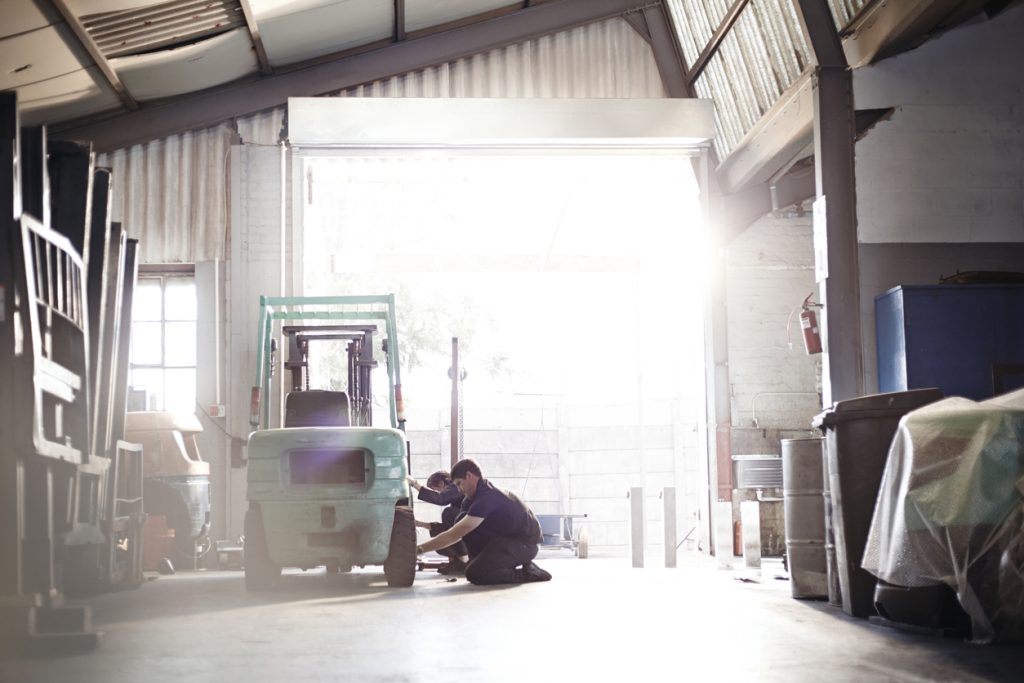
In Sydney’s busy warehouse environment, downtime often hinges on the availability and condition of forklift parts. This guide walks warehouse managers and operators through the parts that matter and the maintenance practices that keep equipment reliable and safe. You’ll find practical information about common components, compatibility across models, sourcing trade-offs and safety priorities so you can make informed decisions that keep your operation moving. Available Forklift Replacement Parts Keeping forklifts running requires a core set of replacement parts: tyres, batteries, forks, hydraulic components and filters. Each item affects performance, safety or uptime. Regular checks and timely replacements help prevent costly failures, and choosing parts that match your forklift model improves performance and extends equipment life. Maintenance Considerations Routine maintenance remains the most effective way to reduce breakdowns and safety risks. Schedule regular inspections to spot wear early, keep a clear maintenance log, and follow manufacturer service intervals. Replacing worn parts promptly protects operators and prevents secondary damage that increases repair costs. Disciplined equipment upkeep combining good housekeeping with scheduled service reduces incidents and keeps warehouses running smoothly. Importance of Quality Parts Installing quality replacement parts lowers the risk of mechanical failure and preserves safe handling characteristics. Working with reputable suppliers makes it easier to secure parts that meet safety standards and fit your specific models. Regular Inspections A scheduled inspection routine helps you catch issues before they escalate. Focus inspections on tyres, batteries, hydraulics and filters, and record findings so trends become visible over time. Early detection keeps downtime to a minimum. Compatibility with Various Forklift Models Always confirm part compatibility with your forklift make and model. Using the correct components ensures reliable performance and preserves existing warranties. When in doubt, check serial numbers or consult the manufacturer to match parts precisely. Safety Considerations Safety is non-negotiable. Use properly rated parts, follow correct installation procedures, and perform post-repair checks before returning equipment to service. Train operators to recognise part-related issues and reinforce the importance of reporting faults immediately. A focused review of standards for powered forklift components shows that adherence to safety requirements is essential for industrial warehouse operations. Future Trends The forklift sector is moving toward smarter diagnostics, greener components and greater automation. Real-time monitoring helps spot faults before they cause downtime, while eco-friendly parts reduce energy use and emissions. Automation and advanced telematics will continue to reshape warehouse efficiency and safety in the coming years. What Are the Essential Forklift Parts for Sydney Warehouses? Essential forklift parts for Sydney warehouses include: Keeping these parts available and well-maintained is fundamental to safe, efficient warehouse work. Which Industrial Forklift Components Are Most Commonly Used? The most frequently used components in industrial settings are: Knowing which parts you use most helps prioritise stocking and maintenance efforts. How Do Forklift Parts Impact Warehouse Operations? Parts influence both efficiency and safety. Attachments such as fork extensions and side shifters broaden handling capability, while worn or incorrect parts can slow workflows and increase accident risk. Properly specified components help teams move loads faster and more safely. Where to Find Reliable Forklift Tyre and Battery Suppliers in Sydney? Look for suppliers with strong local support, clear warranty terms and positive customer references. Local dealers often deliver faster and provide on-site advice; online vendors expand choices, but check reviews and return policies. Prioritise vendors with a proven track record for quality and service. Contact us today for a quote! How to Maintain and Replace Forklift Parts for Optimal Performance? To maintain and replace forklift parts effectively, consider the following best practices: Applying these practices will reduce downtime and keep your fleet operating safely and efficiently. What Are Key Warehouse Forklift Maintenance Practices in Sydney? Key maintenance practices for forklifts in Sydney include: These steps help protect equipment life and keep your team safe. What Should You Know About Pricing, Warranty, and Delivery for Forklift Parts in Sydney? Part pricing varies by supplier, quality and sourcing route. Confirm warranty coverage before purchase and factor delivery times into maintenance planning; lead times can be critical when a truck is out of service. Clear delivery requirements and contingency planning help avoid unacceptable downtime. Studies of warehousing strategy note the importance of tight delivery windows and local logistics when managing spare parts in Sydney’s distribution networks. Conclusion Knowing which forklift parts matter and how to source and maintain them is essential for safe, productive warehouse operations in Sydney. Prioritise quality components, stick to a clear maintenance routine, and choose suppliers that offer the right balance of speed, support and warranty. Use the guidance in this guide to reduce downtime, manage costs and keep your fleet working reliably and reach out to trusted suppliers when you need parts fast.
Container Ramps | Overview & Buying Guide for Forklift Ramps in Sydney and Portable Loading Solutions
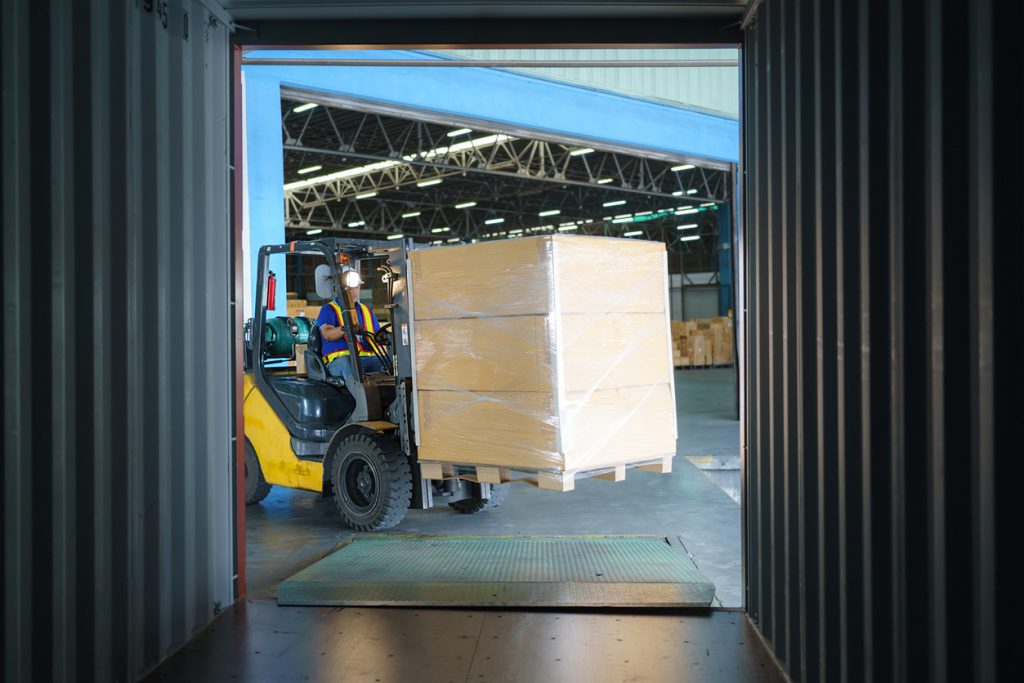
Container ramps are essential in logistics and material handling, linking trucks, containers and loading docks so forklifts and machines move loads safely and without interruption. This guide covers main ramp types, buying checks, benefits, basic maintenance and safety pointers to help you choose the right ramp for your site and workload. Types of Container Ramps Container ramps are built for different jobs and settings. Knowing the options helps you match a ramp to how you work. Each fits different operational rhythms; choose by use frequency, mobility needs and site constraints. Key Factors to Consider When Purchasing Container Ramps Choose a ramp with the right capacity, construction and surface to keep people and equipment safe. Benefits of Using Container Ramps Well‑chosen ramps improve throughput and reduce risk two clear benefits for any warehouse or site. For Sydney operations, the right ramp can improve turnaround times and keep teams safer on the job. Maintenance and Care Routine upkeep keeps ramps reliable and extends service life. Schedule inspections to spot wear, replace damaged parts promptly, and keep surfaces clean to preserve traction. Lubricate hinges or moving parts and treat exposed metal to prevent corrosion. Consistent maintenance is a proven way to reduce accidents and maintain performance in material handling environments. What Are Container Ramps and Why Are They Essential for Warehouse Logistics? Container ramps are purpose‑built loading equipment that allow forklifts and pallet trucks to move goods safely between trailers, containers and dock levels. They reduce manual lifting, speed turnaround, and protect staff from strain, making them essential to efficient warehouse workflows. How Do Container Ramps Facilitate Safe Loading and Unloading? Built to carry heavy loads, container ramps use durable metals and safety features such as textured decks and optional side rails. These elements maintain traction and keep equipment on track during loading, reducing slips, tip‑overs and other accidents. What Roles Do Forklift Ramps and Loading Dock Ramps Play in Material Handling? Forklift and loading dock ramps smooth the path for goods movement, reduce manual handling and improve cycle times. Allowing forklifts to drive on and off different surfaces safely supports predictable workflows and lowers physical strain on workers. Which Types of Container Ramps Are Available in Sydney? Sydney suppliers offer ramps for a range of needs. Common options include: What Are the Differences Between Portable, Fixed, and Heavy-Duty Container Ramps? Each ramp type addresses specific operational needs: Choose by frequency of use, load requirements and whether portability is a priority. How Does Container Ramp Hire Sydney Offer Flexible Solutions? Hiring ramps are practical for short‑term projects or when specialised equipment is needed without capital outlay. Rental gives access to higher‑spec ramps for peak periods, avoids storage issues and lets you scale to seasonal demand. How to Choose the Right Container Ramp: Material, Load Capacity, and Safety Standards Select a ramp by balancing three core factors: Applying these criteria helps you pick a ramp that’s safe, fit for purpose and cost-effective. What Are the Benefits of Steel vs Aluminium Container Ramps? Material choice depends on use case: Decide based on load profiles, movement frequency and site environment. Which Australian Safety Standards Should Container Ramps Comply With? Container ramps should meet applicable Australian standards and workplace safety regulations to ensure safe operation. Stay updated on regulatory changes and confirm supplier certifications when you purchase or hire equipment. What Are the Key Considerations for Installation, Maintenance, and Pricing of Container Ramps? Plan installations to ensure correct alignment and secure fixing. Factor routine inspections and maintenance into operating budgets to avoid downtime. Pricing varies by type, material, and features; compare purchase versus rental to find the most economical fit for your needs. How to Ensure Proper Installation and Ongoing Maintenance of Forklift Ramps? Follow the manufacturer’s installation instructions and log regular inspections for wear, fastener integrity and surface condition. Clean surfaces to preserve traction, lubricate moving parts, and repair or replace worn components promptly to keep ramps safe and reliable. What are the Typical Pricing and Purchase Options for Container Ramps in Sydney? Ramp prices in Sydney depend on capacity, material and special features. Contact us for a quote today! Remember to include maintenance and transport costs when budgeting. Conclusion Selecting the right container ramp improves throughput, reduces risk and supports safer material handling. Whether you need a portable solution for occasional use, a fixed ramp for heavy traffic, or a heavy‑duty unit for industrial loads, prioritise correct capacity, material choice and safety compliance. With routine maintenance and the right specification, a quality ramp becomes a reliable, cost‑effective part of your logistics setup. Explore available options and match equipment to your real‑world needs to get the best return on investment.
Solid Forklift Tyres: Durability, Uses and Selection Guide
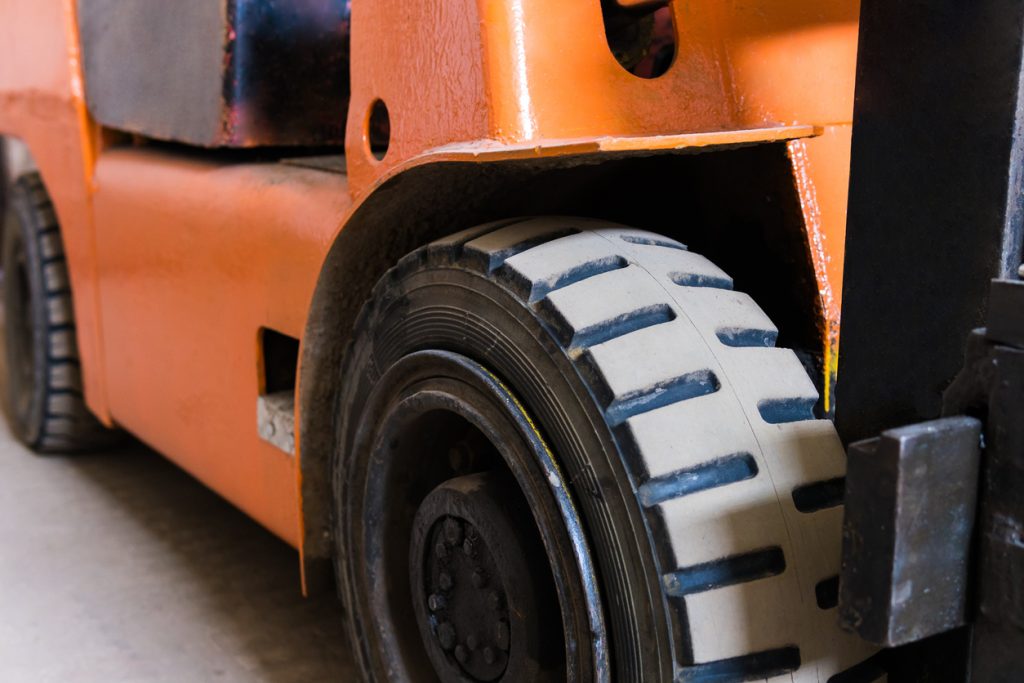
Solid forklift tyres are essential in material handling and chosen for long service life and resistance to punctures. This guide outlines construction, performance, suitable environments, selection criteria and basic maintenance so you can choose the right solid tyres for your equipment. Material Composition: Made from dense rubber compounds, solid tyres are airless, eliminating flats. Their construction emphasises wear resistance and structural strength, delivering predictable handling in heavy-use industrial settings. Performance Characteristics: Solid forklift tyres provide performance traits suited to heavy-duty use: These attributes reduce interruptions and extend tyre service life. Suitability for Various Operational Environments: Solid tyres work across many settings and are especially useful in: Match tyre selection to site conditions to minimise downtime. Types of Solid Forklift Tyres: Main solid-tyre varieties address specific needs: Choose the type that balances durability, ride and floor protection for your site. Key Considerations When Choosing Solid Tyres: Evaluate these core factors: These checks help avoid mismatched tyres and operational issues. Tyre Type Surface Suitability Load Capacity Ideal Use Standard Solid Tyres Rough and uneven High General warehouse use Cushion Tyres Smooth surfaces Moderate Indoor operations Non-Marking Tyres Sensitive flooring Moderate Clean environments This table summarises each type for quick comparison. Maintenance Tips: Keep tyres performing with routine care: Consistent maintenance extends service life and lowers costs. What Are the Different Types of Forklift Tyres and Their Uses? Tyre choices vary by application: Selecting the right type improves handling and longevity. How Do Solid Forklift Tyres Compare to Pneumatic and Cushion Tyres? Key differences to consider: Choose based on terrain, load and comfort priorities. Which Tyre Types Are Best Suited for Industrial and Warehouse Environments? Common recommendations: Matching tyres to the environment reduces wear and enhances productivity. What Are the Key Advantages of Solid Forklift Tyres in Industrial Settings? Main advantages: These benefits make solids cost-effective for high-demand fleets. How Do Solid Tyres Enhance Durability and Puncture Resistance? The airless design and robust rubber compounds eliminate flats, resist cuts and abrasions, and remove the need for pressure checks so tyres stay reliable in harsh conditions. What Cost Savings and Safety Benefits Do Solid Tyres Provide? Investing in solids yields: These factors support long-term operational savings. How to Choose the Right Solid Forklift Tyres for Your Application in Sydney? Consider local conditions and operational needs: This approach helps ensure tyres suit Sydney’s operational and environmental conditions. What Selection Criteria Should Be Considered for Sydney’s Industrial Conditions? Key criteria: Use these points to select tyres that perform reliably in varied settings. How Do Load Capacity and Tyre Fitting Affect Performance? Proper load rating and fitting are essential: A correct fitting preserves tyre life and safe operation. What Are Essential Maintenance and Replacement Tips for Solid Forklift Tyres? Maximise life with these habits: Proactive care prevents disruptions and maintains performance. When and How Should You Replace Solid Forklift Tyres? Replace tyres when clear wear indicators appear and use safe procedures: Timely replacement keeps your fleet productive and safe. Conclusion Solid forklift tyres provide durable, puncture-resistant performance suited to demanding industrial and warehouse use. By matching tyre type to load, surface and usage, and by following routine maintenance and replacement guidance, you can improve safety and lower operating costs. Review available solid-tyre options to find the best fit for your operations and keep your fleet running reliably.
A Complete Guide to Reliable Equipment Maintenance of Forklift Parts For Sale in Sydney
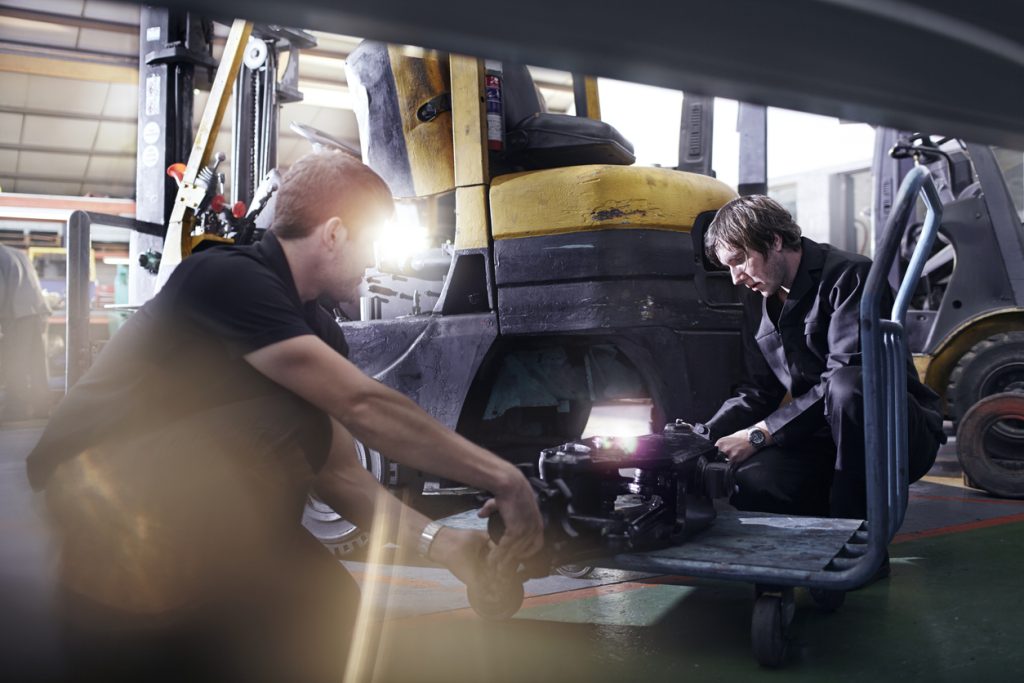
Maintaining forklifts in optimal condition is essential for ensuring safe and efficient operations across warehouses, construction sites, and logistics facilities. For businesses operating in Sydney, having access to high-quality forklift parts is critical to minimising downtime and extending equipment lifespan. Finding forklift parts for sale in Sydney from a trusted supplier allows businesses to keep their operations running smoothly while maintaining compliance with Australian safety standards. Whether replacing worn components or upgrading machinery, choosing the right parts plays a key role in overall performance. Understanding the Importance of Forklift Parts Forklifts are complex machines made up of multiple components that work together to lift, transport, and stack heavy loads. Over time, wear and tear are inevitable, particularly in high-demand environments. Regular replacement of parts ensures: Businesses that invest in quality forklift parts for sale in Sydney can maintain productivity while avoiding costly disruptions. Common Forklift Parts That Require Replacement To maintain performance, several key components may need periodic replacement. Tyres Forklift tyres experience constant wear due to heavy loads and continuous movement. Options include solid tyres and pneumatic tyres, depending on the environment. Batteries Electric forklifts rely on batteries that degrade over time and require replacement to maintain efficiency. Forks Forks are subject to stress and can wear down or bend, affecting load stability. Hydraulic components Hydraulic systems control lifting and lowering functions. Leaks or worn seals can impact performance. Filters and fluids Air filters, oil filters, and hydraulic fluids require regular replacement to keep the forklift running smoothly. Access to forklift parts for sale in Sydney ensures these components can be replaced quickly when needed. Why Choosing Quality Forklift Parts Matters Not all forklift parts are created equal. Using low-quality or incompatible components can lead to safety risks and increased maintenance costs. Improved durability High-quality parts last longer and withstand demanding conditions. Enhanced safety Reliable components reduce the risk of mechanical failure. Better performance Quality parts ensure smooth and efficient operation. Reduced downtime Fewer breakdowns mean less disruption to daily operations. Investing in premium forklift parts for sale in Sydney is essential for long-term reliability. Industries That Depend on Forklift Parts in Sydney Many industries across Sydney rely heavily on forklifts for daily operations. Warehousing and logistics Forklifts are used for loading, unloading, and transporting goods. Manufacturing Supports the movement of raw materials and finished products. Construction Handles heavy materials such as steel and concrete. Retail and wholesale Assists with stock management and distribution. These industries require consistent access to forklift parts for sale in Sydney to maintain operational efficiency. Signs Your Forklift Needs Replacement Parts Identifying issues early can prevent major breakdowns. Reduced lifting performance If the forklift struggles to lift loads, hydraulic or mechanical components may need replacement. Unusual noises Grinding or squeaking sounds may indicate worn parts. Leaks Hydraulic or fluid leaks can signal component failure. Decreased battery life Electric forklifts may require new batteries if performance declines. Visible wear Damaged forks or tyres should be replaced immediately. Regular inspections help ensure timely replacement using forklift parts for sale in Sydney. Benefits of Sourcing Forklift Parts Locally Working with a local supplier in Sydney offers several advantages. Faster availability Quick access to parts reduces downtime. Lower transport costs Local sourcing eliminates expensive shipping fees. Better support Local suppliers can provide advice and assistance. Improved turnaround times Faster repairs and maintenance keep operations running. Choosing forklift parts for sale in Sydney ensures businesses receive timely and reliable support. Choosing the Right Forklift Parts Supplier Selecting the right supplier is crucial for ensuring quality and reliability. Product range A wide selection ensures compatibility with different forklift models. Quality assurance Parts should meet Australian safety standards. Industry experience Experienced suppliers understand the needs of local businesses. Customer support Reliable service ensures ongoing assistance. A trusted supplier helps businesses maintain consistent operations. Maintenance Tips for Forklift Longevity Proper maintenance reduces the need for frequent part replacements. These practices help maximise the lifespan of forklift components. Safety Considerations When Replacing Forklift Parts Safety should always be a priority when maintaining forklifts. Use compatible parts Ensure parts match the forklift model and specifications. Follow proper installation procedures Incorrect installation can lead to equipment failure. Conduct post-repair checks Test the forklift after replacing parts. Maintain records Document maintenance and part replacements for compliance. Using reliable forklift parts for sale in Sydney supports safe and compliant operations. Future Trends in Forklift Parts and Maintenance The material handling industry continues to evolve with new technologies. Smart diagnostics Advanced systems monitor forklift performance in real time. Eco-friendly components Sustainable materials and energy-efficient parts are becoming more common. Improved battery technology Longer-lasting batteries enhance electric forklift performance. Automation integration Forklifts are increasingly integrated into automated warehouse systems. These trends are shaping the future of forklift maintenance and operations. Final Thoughts Access to high-quality forklift parts for sale in Sydney is essential for maintaining efficient, safe, and reliable operations. From tyres and batteries to hydraulic systems and forks, every component plays a role in ensuring forklifts perform at their best. By partnering with a trusted supplier and investing in quality parts, businesses can reduce downtime, improve safety, and extend the lifespan of their equipment. For reliable parts and expert support, Mandarin Imports & Exports provides a comprehensive range of forklift components designed to meet the demands of Australian industries.
Secure Storage Solutions for Industrial Workplaces with Safety Goods Cage Supplier in Sydney
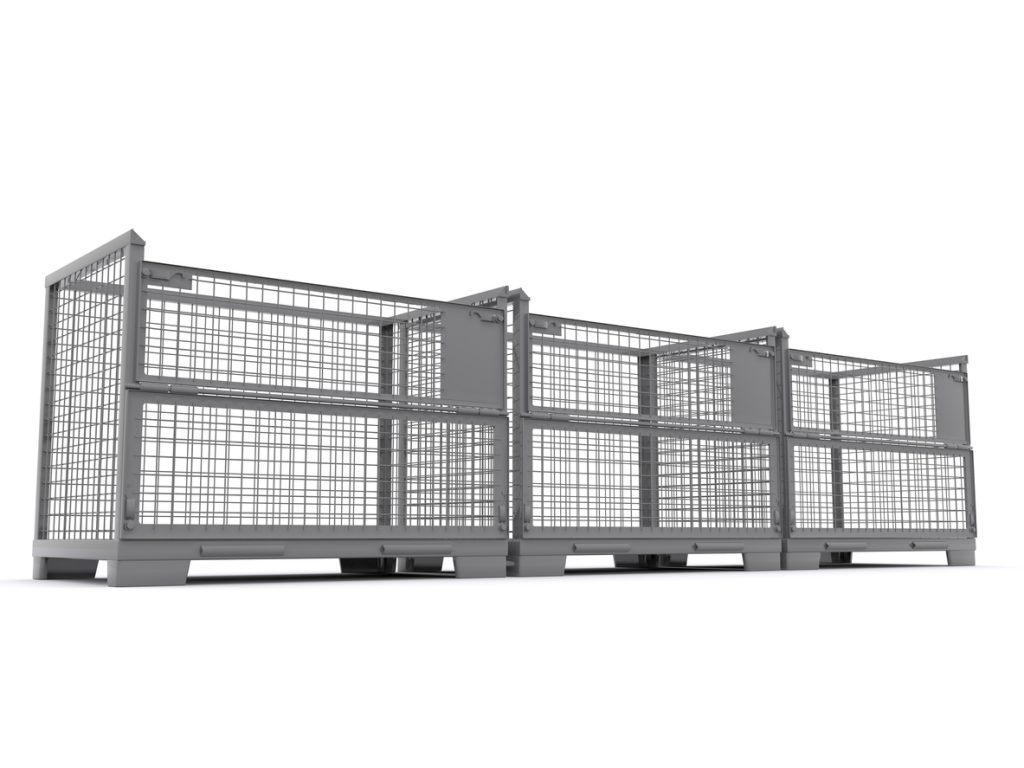
Safe and secure storage is a critical component of warehouse, construction, and industrial operations across Sydney. Businesses handling valuable, hazardous, or high-risk goods must ensure their storage systems meet strict safety standards while maintaining operational efficiency. Partnering with a reliable safety goods cage supplier in Sydney allows businesses to improve workplace safety, protect inventory, and ensure compliance with Australian regulations. With the right storage solutions in place, organisations can streamline operations while reducing risks associated with unsecured goods. For more information, refer to:https://mandarinimportsexports.com.au/safety-goods-cage/ What Is a Safety Goods Cage? A safety goods cage is a secure, heavy-duty storage unit designed to safely store and transport materials within industrial environments. These cages are widely used across warehouses, logistics centres, and construction sites where safety and organisation are essential. Most safety goods cages are constructed with: A well-designed safety goods cage not only protects goods but also improves handling efficiency and workplace organisation. Why Businesses Need a Safety Goods Cage Supplier in Sydney Choosing a trusted safety goods cage supplier in Sydney ensures that your business has access to reliable, compliant, and long-lasting storage solutions. Enhanced security Safety goods cages help prevent theft, damage, and unauthorised access to valuable items. Workplace safety compliance Proper storage supports compliance with Australian workplace health and safety regulations. Improved organisation Clearly defined storage areas make inventory easier to manage and access. Long-term durability High-quality cages are designed to withstand demanding industrial environments. Working with an experienced supplier ensures your storage systems meet both operational and regulatory requirements. Common Uses of Safety Goods Cages in Sydney Industries Safety goods cages are widely used across multiple industries throughout Sydney due to their versatility and reliability. Warehousing and logistics Secure storage of high-value or restricted inventory. Construction sites Safe containment and transport of tools, equipment, and materials. Manufacturing facilities Organisation of components, parts, and machinery. Retail and distribution centres Protection of stock during storage and handling processes. Their adaptability makes them an essential solution for businesses requiring structured and secure storage. Benefits of Using Safety Goods Cages Investing in solutions from a safety goods cage supplier in Sydney provides several operational advantages. Increased security Lockable designs prevent unauthorised access and protect goods. Improved workplace safety Containment of materials reduces hazards and workplace incidents. Efficient handling and transport Compatible with forklifts and pallet jacks for easy movement. Space optimisation Stackable and compact designs maximise warehouse space. These benefits contribute to safer, more efficient, and more organised operations. Key Features to Consider When Choosing a Safety Goods Cage Selecting the right cage requires careful consideration of your specific operational needs. Load capacity Ensure the cage can safely handle the intended weight. Size and dimensions Choose dimensions that suit your available space and storage requirements. Locking mechanisms Secure locks are essential for protecting valuable or sensitive goods. Mobility options Forklift-compatible designs improve transport efficiency. Build quality Durable construction ensures long-term performance in demanding environments. Choosing the right specifications ensures your storage system supports both safety and productivity. Safety and Compliance in Australian Workplaces Safety goods cages play an important role in helping businesses meet workplace safety standards in Australia. Risk reduction Proper storage reduces hazards caused by loose or unstable items. Secure handling of hazardous materials Ensures compliance with handling and storage regulations. Improved workplace organisation Structured storage reduces clutter and improves workflow. Equipment reliability Strong construction reduces the risk of structural failure. Using compliant storage solutions helps businesses maintain safe and efficient operations. Choosing the Right Safety Goods Cage Supplier in Sydney Selecting the right safety goods cage supplier in Sydney is essential for ensuring long-term reliability and performance. Product quality Choose suppliers offering durable, industrial-grade cages. Range of options A variety of sizes and configurations ensures flexibility. Industry expertise Experienced suppliers understand local business needs. Customer support Reliable service ensures assistance when needed. A trusted supplier helps businesses maintain consistent and efficient operations. Maintenance and Care for Safety Goods Cages Proper maintenance ensures that safety goods cages remain effective over time. Routine maintenance extends the lifespan of your storage equipment and ensures ongoing safety. Future Trends in Industrial Storage Solutions Industrial storage systems are evolving to meet modern operational demands. Modular storage designs Flexible solutions for changing warehouse needs. Advanced materials Stronger and lighter materials improve durability. Integrated inventory systems Improved tracking and stock management. Enhanced safety features Innovations designed to reduce workplace risks. These trends are shaping the future of industrial storage across Australia. Final Thoughts A safety goods cage is an essential solution for businesses requiring secure, organised, and compliant storage. Working with a professional safety goods cage supplier in Sydney ensures access to durable and high-quality solutions tailored to industrial environments. From improving workplace safety to protecting valuable inventory, safety goods cages play a vital role in modern operations. For reliable storage solutions designed for Australian industries, Mandarin Imports & Exports provides high-quality safety goods cages built for durability, safety, and performance.
Hand Pallet Jack Supplier in Sydney: A Complete Guide for Warehousing and Logistics Efficiency
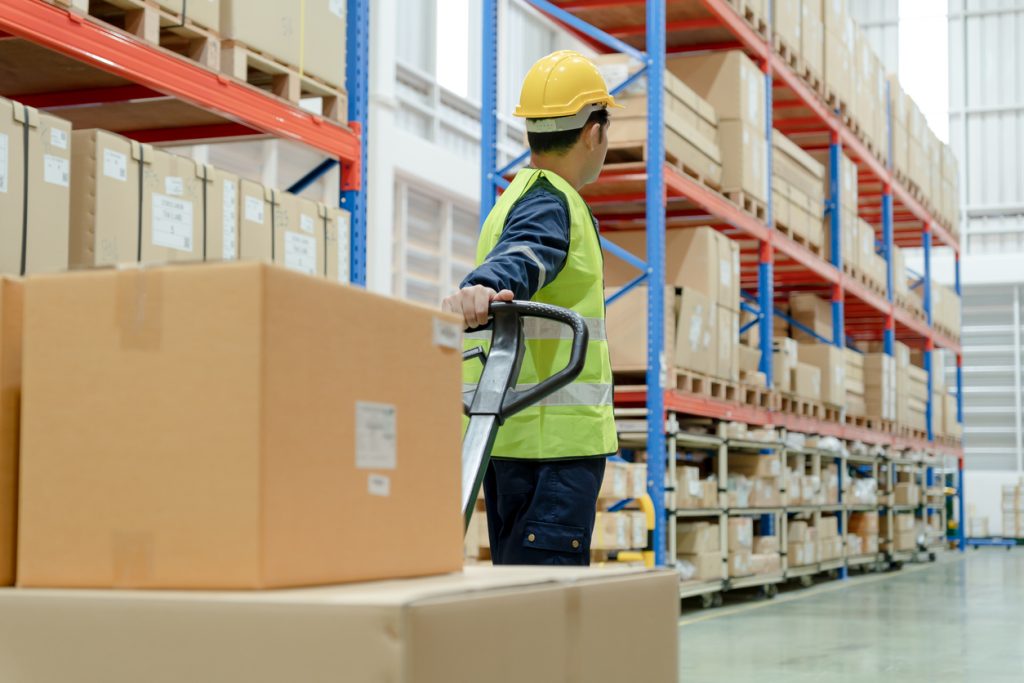
A hand pallet jack supplier in Sydney plays a vital role in supporting the smooth movement of goods across warehouses, distribution centres, retail stockrooms, and industrial facilities. In fast-paced supply chain environments, efficiency and reliability are essential, and manual pallet handling equipment remains one of the most practical and cost-effective solutions for transporting goods over short distances. Whether you are operating a small warehouse or managing a large logistics hub, choosing the right equipment and supplier can significantly impact productivity, safety, and long-term operational costs. This guide explores everything you need to know about selecting a hand pallet jack supplier in Sydney, including product types, key features, industry applications, and how to choose the right pallet truck supplier for your business. What Is a Hand Pallet Jack? A hand pallet jack, also commonly referred to as a pallet truck in Sydney operations, is a manually operated material handling tool designed to lift and move palletised goods. It uses hydraulic force to raise pallets slightly off the ground, allowing operators to transport loads with minimal effort. These tools are essential in environments where forklifts may not be practical for small-scale or short-distance movement. Why Businesses Need a Hand Pallet Jack Supplier in Sydney Choosing a reliable hand pallet jack supplier in Sydney ensures that businesses receive durable, high-quality equipment suited to their operational needs. Sydney’s logistics and warehousing sector operates at a high pace, meaning equipment must be reliable, easy to maintain, and capable of handling daily workloads. Key reasons businesses rely on trusted suppliers include: Operational efficiency High-quality pallet jacks reduce manual effort and improve the speed of goods movement within warehouses. Workplace safety Properly designed equipment reduces strain injuries and improves handling stability when moving heavy loads. Cost-effectiveness Compared to powered equipment, manual pallet jacks are significantly more affordable and require minimal maintenance. Equipment reliability A reputable supplier ensures consistent product quality, reducing the risk of equipment failure during use. In busy environments, even small inefficiencies can affect workflow, making supplier selection a crucial decision. Types of Pallet Jacks Used in Sydney Warehouses A pallet jack in Sydney warehouses comes in several variations depending on load requirements and operational conditions. Standard hand pallet jacks These are the most common types used in retail stockrooms and general warehousing. They are designed for everyday pallet movement. Heavy-duty pallet jacks Built for industrial environments, these models can handle higher load capacities and more frequent use. Low-profile pallet jacks Designed for pallets with reduced clearance, making them ideal for specialised storage systems. Long fork pallet jacks Used for oversized pallets or bulk handling applications in larger warehouses. Each type serves a specific purpose, and selecting the right model depends on the operational needs of the business. Role of a Pallet Truck Supplier in Modern Logistics A reliable pallet truck supplier plays a critical role in ensuring businesses have access to durable, compliant, and efficient material handling equipment. In Sydney’s competitive logistics environment, suppliers are expected to provide: Quality assurance Equipment must meet Australian safety standards and be suitable for industrial use. Product variety Different warehouse environments require different pallet jack configurations. After-sales support Maintenance guidance and replacement parts help extend equipment lifespan. Availability and delivery Fast supply is essential for minimising operational downtime. A trusted pallet truck supplier helps businesses maintain a continuous workflow and avoid disruptions caused by equipment shortages. Key Features to Look for in a Hand Pallet Jack When selecting equipment from a hand pallet jack supplier in Sydney, businesses should consider several important features: Load capacity Most standard pallet jacks support between 2,000 kg and 3,000 kg, but heavy-duty models offer higher capacities. Fork length and width These dimensions must match the pallet sizes used within the warehouse. Wheel material Polyurethane wheels are commonly used for smooth indoor floors, while nylon wheels may be preferred for heavier industrial use. Hydraulic system quality A reliable hydraulic system ensures smooth lifting and lowering of loads. Ease of manoeuvrability Ergonomic handles and smooth steering improve operator efficiency and reduce fatigue. These features directly impact performance, safety, and long-term durability. Benefits of Using a Pallet Jack in Sydney Operations A pallet jack in Sydney warehouses provides several advantages for businesses across different industries. Improved productivity Operators can quickly move goods without requiring powered equipment. Reduced labour strain Hydraulic lifting reduces the physical effort required for manual handling. Cost savings Lower purchase and maintenance costs compared to forklifts or electric pallet movers. Versatility Suitable for retail, warehousing, manufacturing, and transport industries. Compact design Easily manoeuvred in tight spaces and narrow aisles. These benefits make pallet jacks an essential part of modern warehouse operations. Applications of Hand Pallet Jacks in Sydney Hand pallet jacks are widely used across multiple sectors in Sydney due to their versatility and efficiency. Warehousing and distribution Used for moving pallets between storage and dispatch areas. Retail stockrooms Ideal for restocking shelves and moving inventory quickly. Manufacturing facilities Used for transporting raw materials and finished goods. Freight and logistics hubs Essential for loading and unloading trucks efficiently. Across all these environments, a reliable hand pallet jack supplier in Sydney ensures businesses have access to equipment that supports daily operations. How to Choose the Right Supplier Selecting the right hand pallet jack supplier in Sydney is just as important as choosing the equipment itself. Businesses should consider: Industry experience Experienced suppliers understand operational demands and can recommend suitable equipment. Product quality High-quality materials ensure longer service life and reduced maintenance issues. Range of products A good supplier offers different pallet jack models to suit varied applications. Compliance with Australian standards Ensures safety and durability in industrial environments. Customer support Reliable support helps resolve issues quickly and maintain productivity. A trusted supplier like Mandarin Imports & Exports helps businesses avoid costly downtime and ensures consistent operational performance. Maintenance Tips for Pallet Jacks While pallet jacks are low-maintenance, regular checks help extend their lifespan. Inspect wheels regularly Check for wear and ensure smooth movement. Check hydraulic function Ensure lifting and lowering mechanisms operate
Forklift Solid Tyres in Sydney: A Complete Guide for Industrial Performance and Safety
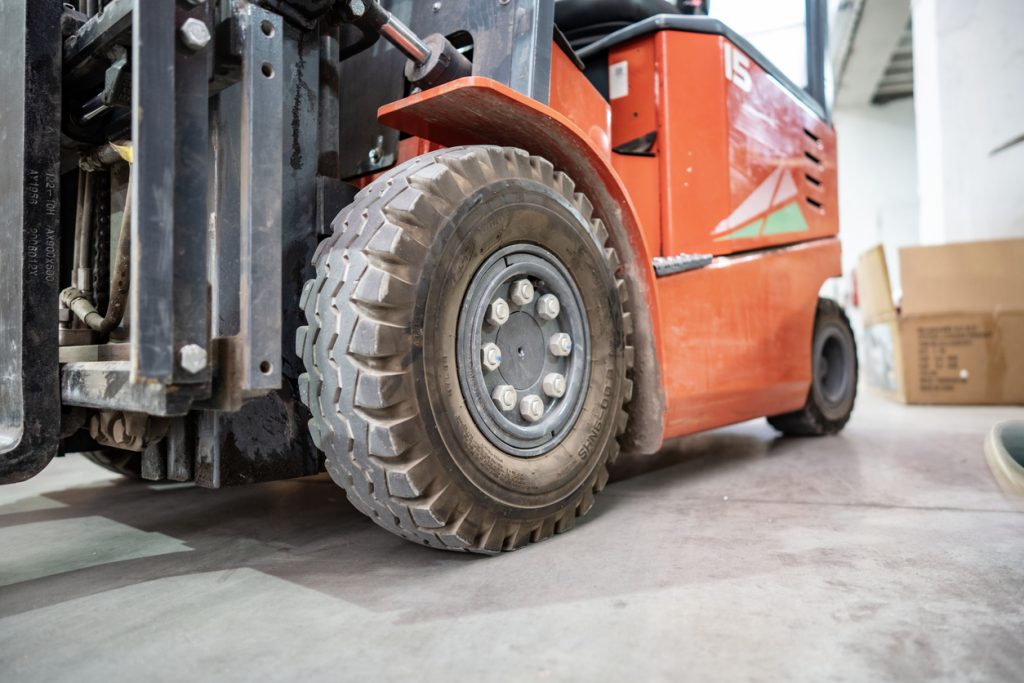
Forklift solid tyres are an essential component of modern warehouse, logistics, and industrial operations. In environments where forklifts are used continuously to transport heavy loads, tyre reliability directly affects productivity, safety, and operational costs. Unlike pneumatic tyres, solid tyres are designed to withstand harsh conditions without the risk of punctures, making them a preferred choice across many Australian industries. Whether you operate a busy distribution centre, a manufacturing plant, or a freight terminal, understanding tyre selection, sizing, and application is critical. This guide explores forklift solid tyres in detail, including how to choose the right product, how sizing works, and why solid tyres for warehouse forklifts are so widely used. What Are Forklift Solid Tyres? Forklift solid tyres are heavy-duty tyres made entirely from compressed rubber compounds. They are not filled with air, which eliminates the risk of punctures, blowouts, or pressure loss during operation. This makes forklift solid tyres in Sydney especially suitable for high-intensity industrial environments where forklifts operate for long hours under heavy loads. Key features include: Why Forklift Solid Tyres Are in High Demand Sydney is home to some of Australia’s busiest logistics and warehousing hubs. With constant freight movement and high-volume distribution, forklift reliability is essential. Forklift solid tyres are in demand because they offer: Reduced operational downtime Puncture resistance ensures forklifts remain operational without unexpected interruptions. Greater load stability Solid construction provides consistent support under heavy lifting conditions. Improved workplace safety Reduced risk of tyre failure helps minimise accidents in busy industrial environments. Lower maintenance requirements No air pressure checks or inflation systems are required, reducing ongoing maintenance tasks. In fast-paced industries, even small delays can affect supply chains. Solid tyres help reduce these risks significantly. Solid Tyres Warehouse Forklifts Depend On Solid tyres warehouse forklifts rely on are specifically engineered for continuous indoor and outdoor use. Warehouses place unique demands on forklift equipment due to tight spaces, constant turning, and repetitive load handling. Solid tyres are ideal for these environments because they provide: Consistent performance under load Unlike pneumatic tyres, solid tyres do not compress, ensuring stable lifting and transport. Enhanced safety in confined spaces Forklifts operating in narrow aisles benefit from predictable handling and reduced risk of tipping. Resistance to industrial debris Warehouses often contain metal fragments, timber splinters, and packaging waste that can damage traditional tyres. Long-term durability High-frequency forklift use requires tyres that can withstand continuous wear without frequent replacement. For these reasons, solid tyres warehouse forklifts operate on are now considered a standard in many Sydney-based facilities. Understanding Solid Tyre Sizes Choosing the correct solid tyre sizes is essential for ensuring forklift performance, safety, and compliance with manufacturer specifications. Tyre sizing generally includes three key measurements: Diameter This determines the overall height of the tyre and affects ground clearance and forklift stability. Width A wider tyre provides a larger contact surface, improving load distribution and traction. Rim size Ensures proper fitment with the forklift wheel assembly for safe operation. Different forklift models require different sizing depending on their load capacity and intended use. Light-duty forklifts used in smaller warehouses may require compact tyres, while heavy-duty machines used in logistics hubs require larger, reinforced solid tyres. Incorrect sizing can lead to: Understanding solid tyre sizes helps businesses avoid costly operational issues and ensures forklifts perform optimally. How to Choose the Best Forklift Tyres Selecting the best forklift tyres involves more than simply choosing a size. Businesses must consider operational demands, environment, and equipment type. Load capacity requirements Forklifts carrying heavier loads require high-density solid tyres designed for structural strength and durability. Operating environment Indoor warehouses require smooth tyres for concrete floors, while outdoor yards may require more robust compounds. Usage intensity High-usage forklifts benefit from premium-grade tyres designed for continuous operation. Heat and surface conditions Sydney’s climate and industrial surfaces can impact tyre wear, particularly in outdoor logistics areas. Choosing the best forklift tyres ensures improved efficiency, reduced maintenance costs, and safer workplace operations. Benefits of Forklift Solid Tyres Forklift solid tyres offer several advantages that make them ideal for industrial applications. Puncture-proof performance Solid construction eliminates the risk of tyre punctures, reducing downtime. Long service life Solid tyres generally last longer than pneumatic alternatives in high-use environments. Improved operational efficiency Reduced maintenance requirements allow forklifts to remain in service longer. Enhanced safety Stable tyre performance reduces risks associated with load imbalance and sudden tyre failure. Cost-effectiveness over time Although initial costs may be higher, reduced replacements and maintenance deliver long-term savings. These benefits make solid tyres a reliable investment for businesses operating in demanding environments. Maintenance Tips for Forklift Solid Tyres Even though solid tyres are low-maintenance, regular inspections are still essential for safety and performance. Check for wear and damage Look for cracks, chunks, or uneven wear patterns that may indicate alignment issues. Monitor load limits Excessive loading can increase tyre wear and reduce lifespan. Inspect wheel alignment Misalignment can cause uneven wear and reduce efficiency. Keep operating surfaces clean Removing debris from warehouse floors helps extend tyre life and reduce damage risks. Proper maintenance ensures forklift solid tyres continue to perform efficiently over their lifespan. Industry Applications in Sydney Forklift solid tyres are widely used across multiple industries throughout Sydney due to their versatility and reliability. Warehousing and logistics High-volume distribution centres rely on consistent forklift performance for daily operations. Manufacturing facilities Factories benefit from durable tyres capable of handling heavy materials and continuous movement. Freight and transport hubs Loading docks require tyres that can withstand constant heavy-duty use. Construction and industrial sites Rough surfaces and debris make solid tyres a safer and more durable choice. These industries rely heavily on forklift solid tyres to maintain operational efficiency. Why Tyre Selection Impacts Business Performance Tyres are often overlooked, but they play a critical role in forklift performance and overall business productivity. Poor tyre selection can lead to: By contrast, selecting the correct solid tyres ensures smoother operations, improved safety, and reduced long-term expenses. Final Thoughts Forklift tyres are a vital component of any industrial operation, directly