

Expert Tips for Forklift Tynes Maintenance Success
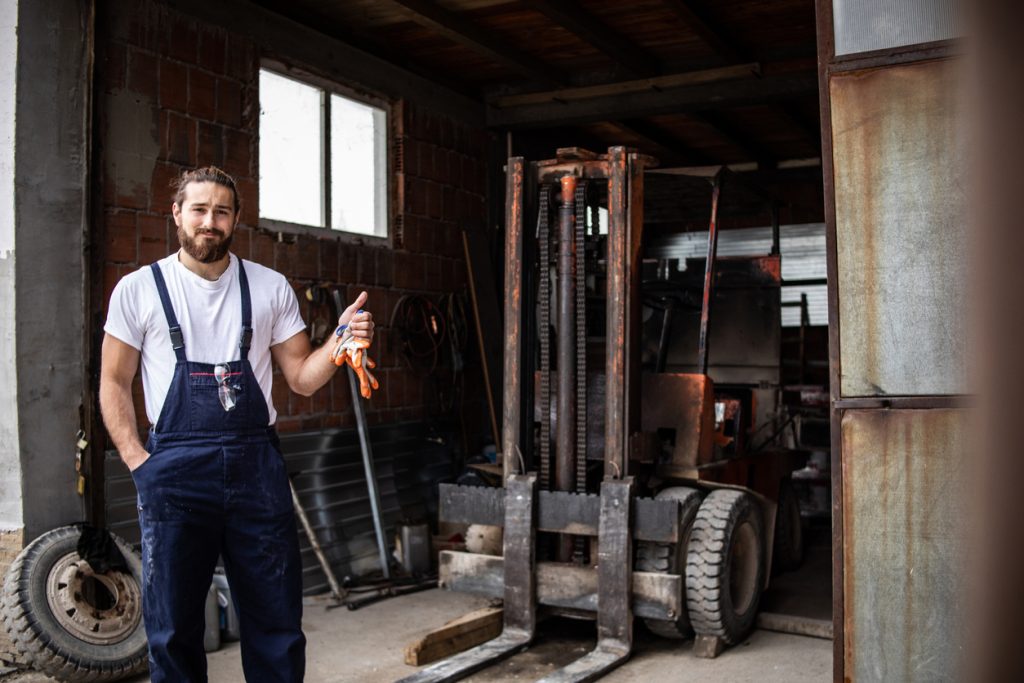
Maintaining forklift tynes is essential to ensure operational safety and efficiency in warehouse and industrial environments. Proper maintenance prolongs tyne service life and improves overall operational safety. This article provides expert guidance on effective tyne maintenance, including best practices, inspection schedules, and repair techniques. Wear and damage commonly cause costly downtime and safety hazards; a structured maintenance programme mitigates these risks and keeps equipment in optimal condition. The following sections outline core maintenance procedures, recommended inspection intervals, and the importance of compliance with industry standards. Best Practices for Forklift Tynes Effective maintenance for forklift tynes is necessary to achieve safety and longevity. The following best practices are recommended: Adopting these practices reduces the risk of accidents and extends tyne service life. For businesses operating in demanding environments such as warehouses and logistics hubs, especially those sourcing forklift tynes Sydney, maintaining high-quality equipment is essential. Partnering with a reliable forklift supplier can also provide access to quality products and technical guidance. Recommended Forklift Tynes Maintenance Schedule Establishing a maintenance schedule is essential for the longevity of forklift tynes. The following schedule is recommended: Adhering to this schedule facilitates early identification of issues and helps maintain tynes in a safe, serviceable condition. How Often Should Forklift Tynes Be Inspected for Wear and Damage? Regular inspections are essential to preserve the structural integrity of forklift tynes. Recommended inspection frequencies include: Following this inspection regime helps businesses ensure that their forklift tynes remain in safe working condition. Industry Standards for Forklift Fork Safety Compliance Compliance with industry standards is necessary to maintain safety and regulatory conformity for forklift tynes. Key points include: Implementing these standards reduces legal exposure and strengthens workplace safety. How to Perform a Thorough Forklift Fork Inspection Checklist? A comprehensive inspection checklist is necessary to evaluate the condition of forklift tynes. Key components include: Applying this checklist enables operators to assess tynes systematically and identify any required repairs, particularly for businesses operating used forklifts Sydney where regular checks are essential. Signs of Worn Forklift Tynes Identifying signs of wear on forklift tynes is critical to maintaining safety. Common indicators include: Early recognition of these indicators can prevent accidents and reduce repair costs. Effective Forklift Tynes Repair Techniques and Cost Considerations Several repair techniques are available for forklift tynes. Effective methods include: Repair cost considerations should inform maintenance decisions; timely intervention often avoids higher replacement expenses. Repair Technique Description Cost Consideration Controlled Welding Restores integrity for minor defects Lower cost, quick fix Heat Treatment Relieves stress and restores strength Moderate cost, effective Machining Reshapes worn tynes Higher cost, used for severe wear The table summarises the various repair techniques and their associated costs to assist businesses in making informed maintenance decisions. When Is Welding Appropriate Versus Full Fork Replacement? Deciding whether to repair or replace forklift tynes requires an assessment of damage severity. The following guidelines apply: Selecting welding over replacement can reduce costs when appropriate, provided that safety standards are maintained. How to Estimate Forklift Tine Replacement Costs Accurately? Accurate estimation of tyne replacement costs requires a defined process. Key steps include: Following these steps enables businesses to estimate replacement costs and allocate budget accordingly. Best Practices to Enhance Forklift Tynes Durability and Operational Safety Improving the durability and safety of forklift tynes involves focused practices. Key measures include: Adoption of these measures materially improves operational safety and component longevity. How Does Regular Maintenance Extend Forklift Fork Lifespan? Regular maintenance is essential to extend the service life of forklift tynes. Key aspects include: By prioritising maintenance, organisations can maximise the operational life of their forklift tynes. Benefits of Using Sensor-Based Wear Detection Technologies Sensor-based wear detection technologies deliver several operational advantages: These technologies constitute a notable advancement in maintenance capability and can improve reliability and cost-efficiency. Implementing a Forklift Tynes Maintenance Program Implementing a comprehensive maintenance programme for forklift tynes requires defined steps and responsibilities: A well-structured maintenance programme enhances safety and operational efficiency. Key Components of an Effective Maintenance Checklist An effective maintenance checklist for forklift tynes should include the following elements: This checklist assists operators in managing maintenance tasks systematically and ensuring compliance with safety requirements. Training Staff on Forklift Fork Safety Standards and Inspection Procedures Training staff in safety standards and inspection procedures is essential to maintain a safe working environment. Core elements of a training programme include: Investing in staff training yields measurable improvements in safety performance and operational efficiency. Conclusion Implementing a robust maintenance programme for forklift tynes enhances safety and operational efficiency. Adherence to best practices and regular inspection schedules extends equipment life and reduces costly downtime. Recognising the value of targeted training and appropriate resources supports these outcomes, and working with a reliable forklift parts supplier ensures consistent access to quality components when needed. Begin optimising your maintenance strategy to achieve a safer, more productive workplace.
Ultimate Guide to Forklift Tynes Maintenance
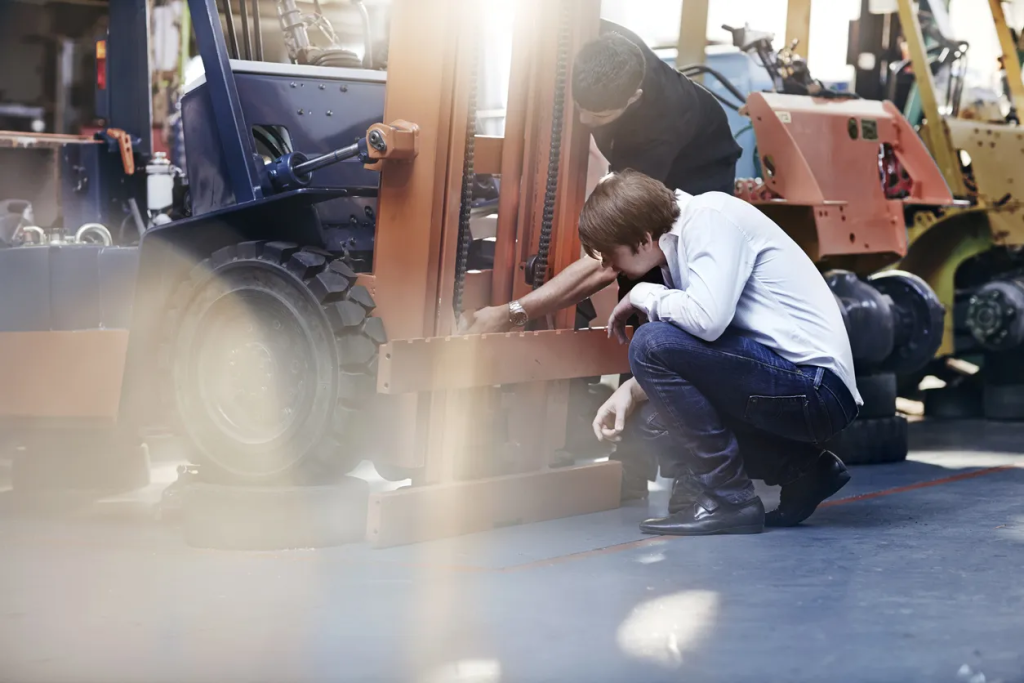
Proper maintenance of forklift tynes is essential for safety and operational efficiency in material handling environments. Also referred to as forks, tynes are the primary load-bearing components that influence forklift performance. This guide outlines comprehensive maintenance practices to maintain tynes in optimal condition. Regular inspections and preventive maintenance reduce repair costs and extend equipment service life. The article provides inspection checklists, maintenance recommendations, and repair procedures to support effective tyne management. How to Perform a Comprehensive Forklift Tyne Inspection Checklist? Thorough inspections detect issues before they escalate. Regular checks verify that tynes remain safe and fully functional. The inspection program should include daily, monthly, and annual assessments to evaluate all aspects of tyne condition. Adherence to this inspection checklist preserves operational safety and efficiency. What Are the Key Inspection Points for Forklift Tynes? Inspections should address specific points to verify safety and operational capability. The following areas warrant particular attention: Regular assessment of these points enables early detection and helps maintain tyne integrity. How Often Should Forklift Tynes Be Inspected to Ensure Safety? Regular inspection is required to maintain safe operation. Recommended frequencies are outlined below: Adhering to these intervals maintains tyne safety and serviceability throughout their operational life. What Are the Best Forklift Tyne Maintenance Tips to Extend Equipment Lifespan? Extending tyne service life requires consistent, proactive maintenance. The following practices provide the greatest benefit: Implementing these maintenance measures enhances the durability and performance of forklift tynes.For reliable forklift tynes for sale Sydney, businesses can rely on Mandarin Imports Exports – offers a range of high-quality forklift tynes for sale and hire, providing access to reliable equipment for your operations. Which Routine Maintenance Practices Prevent Forklift Tyne Wear? Routine maintenance is the primary control against tyne wear. The most effective practices include: Applying these practices preserves tyne integrity and prolongs service life. How to Implement a Cost-Efficient Forklift Tyne Maintenance Schedule? A cost-efficient maintenance schedule for tynes is achieved through targeted actions and documentation. Key steps include: Adopting these measures balances cost control with operational safety. How to Identify and Interpret Signs of Forklift Tyne Wear? Identifying wear indicators is essential for safety. Primary signs to monitor include: Recognising these signs early allows timely intervention and repair. What Visual Indicators Signal Forklift Tyne Damage or Wear? Typical visual indicators of tyne damage or wear include: Regular monitoring of these indicators supports safe, reliable operations. What Are the Safety Risks Associated with Worn Forklift Tynes? Use of worn forklift tynes increases operational risk. Principal hazards include: Understanding these risks underscores the importance of regular inspections and maintenance. What Are the Step-by-Step Forklift Tyne Repair Procedures? Repairing forklift tynes requires a systematic approach. Principal steps are: Adhering to these procedures ensures repairs are carried out safely and effectively, supporting reliable forklift performance and long-term forklift sales by maintaining equipment in optimal working condition. How to Repair Common Forklift Tyne Damages Effectively? Common tyne damage can be addressed using established repair methods, which include: These repair strategies maintain tyne functionality and operational safety. When Is Forklift Tyne Replacement Necessary Instead of Repair? Tyne replacement is required when repair would not restore safe functionality. Typical criteria include: Recognising these criteria guides informed maintenance and safety decisions.Companies often rely on professional forklift attachments suppliers Australia to ensure their forklifts operate safely and handle different types of loads efficiently. How to Develop and Maintain an Effective Forklift Maintenance Schedule? Effective maintenance scheduling requires a combination of routine checks, technology, and record keeping. Key elements include: Implementing these guidelines ensures the maintenance schedule is both effective and efficient. What Are Recommended Inspection and Maintenance Intervals for Forklift Tynes? Recommended inspection and maintenance intervals include: Adhering to these intervals preserves tyne safety and functionality. How to Document and Track Forklift Tyne Maintenance Activities? Accurate documentation and tracking are essential for effective maintenance management. Recommended practices include: Maintaining accurate records enables effective tracking of tyne condition and maintenance history. Conclusion Regular maintenance of forklift tynes is essential to preserve safety and efficiency in material handling operations. Comprehensive inspection and maintenance practices extend equipment service life and reduce the likelihood of costly repairs. Prioritising these activities enhances operational reliability and protects personnel. Explore our range of high-quality forklift tynes and maintenance resources to optimise your operations today.
Common Forklift Tynes Problems You Should Never Ignore: Essential Maintenance and Inspection Guide
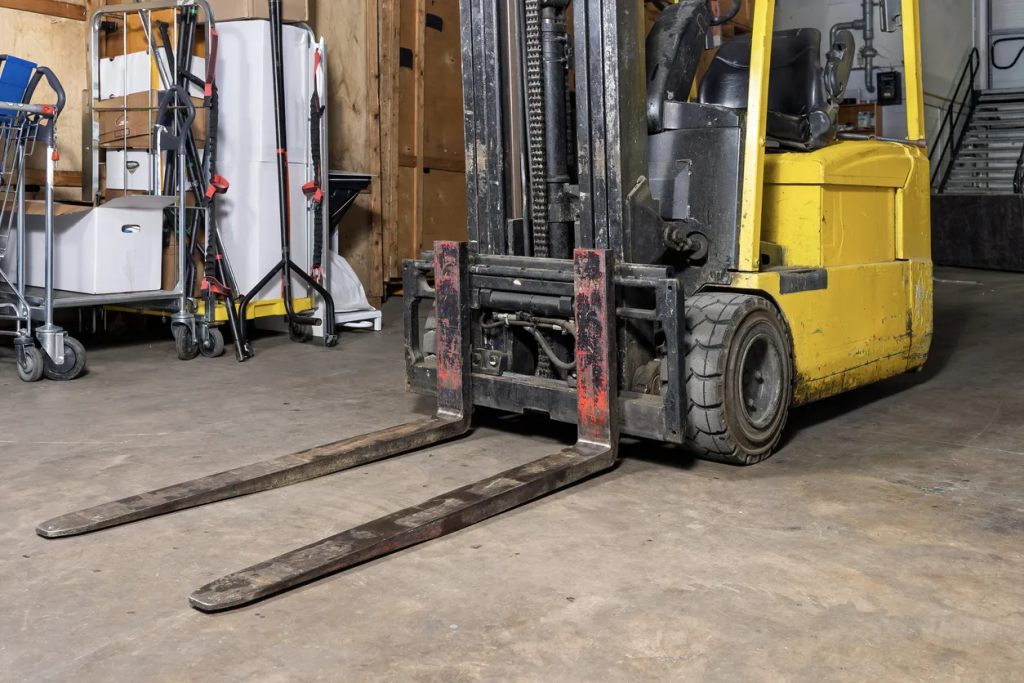
Forklift tynes are core elements of material-handling equipment and directly affect safety and operational efficiency. Recognising common tyne defects is necessary to maintain performance and protect personnel. This guide summarises typical failures, their impact on load stability, and recommended maintenance and inspection practices. Early detection and corrective action reduce downtime and enhance operational safety. The article reviews frequent tyne problems, the effect of wear on load stability, common damage mechanisms, and detection methods. It also outlines key wear indicators, visual and physical inspection procedures, and maintenance best practices, and explains how timely replacement prevents safety incidents. What Are the Most Frequent Forklift Tyne Problems Affecting Safety and Performance? Forklift tynes frequently exhibit problems related to incorrect sizing, progressive wear or structural damage, and inadequate material specification. Incorrect tyne sizing impairs load engagement and increases accident risk. Structural damage such as bending or cracking reduces component integrity and may cause in-service failure. Material grade and manufacturing standards determine durability and fatigue resistance; selecting tynes to specified requirements is essential for safe operation. How Does Forklift Tyne Wear Impact Load Stability and Safety? Tyne wear reduces load retention capacity and load stability, increasing the risk of tipping and associated injuries. Research underscores the critical relationship between tyne condition and overall load stability during handling operations. Forklift Load Stability & Handling Performance Study of unit load performance and stability during dynamic forklift handling, including factors affecting unbound unit loads. Evaluation of Unit Load Stability Under Dynamic Forklift Handling Conditions, 2024 Progressive wear also raises repair and replacement frequency, which increases maintenance expenditure. Recognising the operational impact of wear supports safer and more efficient fleet management. What Are the Common Causes of Forklift Tyne Damage? Common causes of tyne damage include excessive loads, incorrect mounting, and environmental corrosion. Additional analysis of failure mechanisms identifies blade reduction as a prevalent issue. Identifying these failure mechanisms enables targeted controls to prevent damage and extend tyne service life. Businesses often consult a trusted forklift tynes supplier in Sydney to ensure they install durable and safety-compliant equipment. How Can You Detect Signs of Damaged Forklift Tynes Early? Early detection requires routine inspections for visible cracks, deformation or bending, and excessive surface or tip wear. Systematic inspections reduce the likelihood of incidents and support continuous, safe operations. What Are the Key Wear Indicators on Forklift Tynes? Primary wear indicators include cracking, bending or other deformation, and tip wear that impairs load engagement. Monitoring these indicators preserves structural integrity and informs timely replacement decisions. Which Visual and Physical Checks Reveal Forklift Tyne Damage? Conduct regular visual and physical inspections to identify tyne damage. Recommended checks include: Implementing these checks contributes to measurable improvements in safety and equipment availability. What Are the Best Practices for Forklift Tyne Maintenance and Inspection? Adopt a scheduled, multi-level inspection and maintenance program to maximise tyne life and ensure operational safety: Consistent application of these practices helps maintain tyne condition and reduces the likelihood of accidents.Partnering with reliable forklift spare parts suppliers ensures quick access to quality replacement parts. Suppliers offer high-quality tynes for sale and rental to meet diverse operational requirements. When combined with routine maintenance and inspection, quality components improve safety and handling efficiency. How Often Should Forklift Tynes Be Inspected According to Industry Standards? Industry guidance recommends regular inspections at defined intervals to maintain safety and regulatory compliance. Adherence to recommended inspection schedules is essential for safe and compliant operations. What Does a Comprehensive Forklift Tyne Inspection Checklist Include? A comprehensive inspection checklist should address the following critical areas: Using a standardised checklist ensures consistent coverage of essential inspection points. How Do You Troubleshoot Common Forklift Tyne Issues Effectively? Effective troubleshooting follows a structured process: Applying these measures enables proactive management and reduces the likelihood of in-service failures. What Steps Should Be Taken When Forklift Tynes Show Signs of Wear or Damage? When tynes display signs of wear or damage, implement immediate corrective actions. Recommended steps include: Prompt intervention limits further deterioration and protects personnel and assets. When Is Forklift Tyne Replacement Necessary to Ensure Operational Safety? Replace tynes when they reach manufacturer-specified wear limits or exhibit visible structural damage. Ongoing monitoring and compliance with replacement criteria are critical to maintaining operational safety when using forklift equipment in Australia. What Are the Safety Implications and Compliance Requirements for Forklift Tyne Condition? Tyne condition directly affects workplace safety. Regular inspection and maintenance are required to meet regulatory obligations. Industry guidance emphasises the need for consistent maintenance and adherence to established safety standards for forklift tynes. How Does a Damaged Forklift Tyne Affect Workplace Safety? Damaged tynes materially reduce workplace safety and increase operational risk. Recognising these risks is fundamental to effective prevention and risk management. What Are the Relevant Safety Standards and Compliance Guidelines for Forklift Tynes? Applicable safety standards and compliance measures include adherence to industry inspection protocols, scheduled maintenance, and comprehensive documentation. Conformance with these guidelines is essential to ensure both safety and operational efficiency. How Can Businesses Reduce Costs Through Effective Forklift Tyne Maintenance? Effective tyne maintenance reduces repair costs and operational disruptions. A disciplined maintenance program delivers measurable long-term cost savings. What Are the Cost Benefits of Regular Forklift Tyne Inspections? Regular inspections provide several quantifiable cost benefits: Investing in regular inspections yields measurable financial benefits for the business. How Does Timely Replacement Prevent Expensive Downtime and Repairs? Timely replacement of worn or damaged tynes prevents costly downtime and repair expenses. Prioritising timely replacement helps maintain continuous operations and reduces total cost of ownership. Conclusion Maintaining forklift tynes is essential to ensure safety and operational efficiency in material handling. Regular inspection and timely remediation prevent downtime and enhance workplace safety. Specified, high-quality tynes used in conjunction with best-practice maintenance deliver long-term cost savings. Review our range of premium forklift tynes and maintenance resources to optimise your operations.
Forklift Tynes Safety Regulations You Must Know: Comprehensive Guidelines for Compliance and Accident Prevention
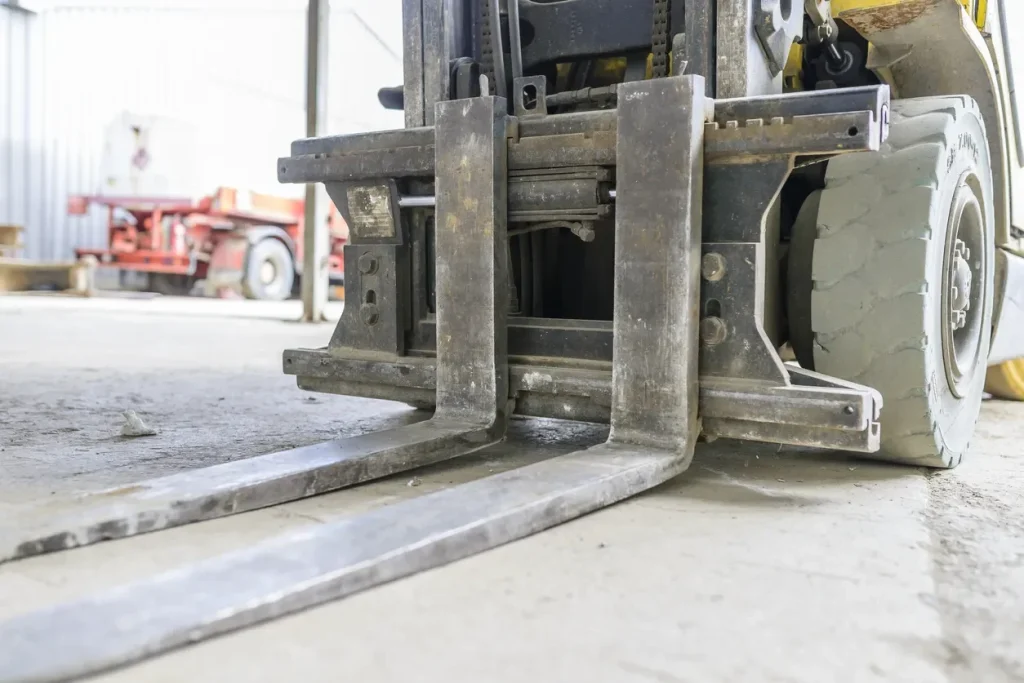
Forklift tynes are essential components in material-handling operations; improper use can cause serious injury or damage. A clear understanding of applicable safety regulations is therefore required for both operators and employers. This article provides an overview of core safety guidelines, relevant Australian regulations, and recommended practices for handling and maintaining forklift tynes. Compliance with these measures mitigates accident risk and supports a safer workplace. The sections below detail key safety features, inspection procedures, training obligations, and legal duties applicable to forklift tynes in Australia. What Are the Essential Forklift Safety Guidelines for Tynes? Essential safety guidelines for forklift tynes preserve operational safety and reduce risk. The principal measures are: Pre-Operational Inspection : Before using forklift tynes, operators must conduct thorough inspections to ensure they are in good working condition. This includes checking for any visible damage or wear. Load Capacity Awareness : Operators should always be aware of the load capacity of the forklift and the tynes being used. Overloading can lead to tipping and accidents. Proper Training : All operators must receive adequate training on the safe use of forklift tynes, including how to handle loads correctly and the importance of maintaining balance. Mandarin Imports & Exports supplies a range of forklift tynes manufactured to meet recognised safety standards, supporting regulatory compliance and operational reliability. How Do Australian Forklift Safety Standards Apply to Forklift Tynes? Australian regulations set mandatory safety expectations for forklifts and their attachments, including tynes. These standards require: Regular Inspections : Forklift tynes must be inspected regularly to ensure they meet safety requirements and are free from defects. Compliance with Standards : Operators must comply with Australian standards, which include guidelines on load handling and equipment maintenance. Operator Training : Operators must receive proper training to understand the risks associated with forklift operations and how to mitigate them. Familiarity with these standards is necessary to maintain workplace safety and to reduce the risk of enforcement action. What Are the Key Safety Features of Forklift Tynes? Forklift tynes include several design and manufacturing features intended to improve operational safety. Key features are: Compliance with Safety Standards : Tynes are manufactured to meet specific safety regulations, ensuring they can handle designated loads without risk. Durability and Material Options : High-quality materials are used in the construction of forklift tynes, providing strength and longevity under heavy use. Regular Inspection Protocols : Safety features often include markings or indicators that help operators assess the condition of the tynes during inspections. These features reduce the likelihood of accidents and support the secure handling of materials when using reliable forklift equipment in Sydney. How Should Forklift Tynes Be Safely Handled and Maintained? Safe handling and maintenance of forklift tynes are central to accident prevention. Recommended practices include: Regular Inspections : Conduct daily inspections to check for any signs of wear or damage. Proper Usage : Always use tynes according to the manufacturer’s specifications and avoid exceeding load limits. Training : Ensure that all operators are trained in the correct handling techniques for forklift tynes. Consistent application of these guidelines enables organisations to maintain a safe working environment and to minimise the risk of incidents. What Are the Best Practices for Forklift Tynes Inspection and Maintenance? Adopting best practices for inspection and maintenance materially improves safety and equipment reliability. These practices include: Daily Inspections : Operators should perform daily checks before use, looking for cracks, bends, or other signs of damage. Monthly Checks : A more thorough inspection should be conducted monthly, including checking the integrity of the tynes and their attachment points. Preventive Maintenance : Regular maintenance schedules should be established to address any issues before they lead to failures. The table below summarises standard inspection and maintenance practices: These routines help ensure forklift tynes remain in optimal condition and reduce the probability of component failures. How Does Proper Maintenance Prevent Forklift Tine Failures? Proactive maintenance is fundamental to preventing tine failures. Regular inspections and maintenance identify defects early and allow for timely corrective action. Key elements include: Regular Inspections : Frequent checks can catch wear and tear early, allowing for timely repairs. Cleaning : Keeping tynes clean from debris and contaminants helps maintain their integrity and performance. Proper Storage : Storing tynes in a dry, protected area prevents rust and damage. By following these maintenance protocols, organisations can extend service life and strengthen workplace safety. What Are the Forklift Training Requirements Related to Tynes Safety? Training requirements for operators handling forklift tynes are critical to safe operation. Training should ensure operators understand: Specific Challenges : Training should cover the unique challenges associated with using tynes, such as load balancing and stability. Loading and Unloading Techniques : Proper techniques for loading and unloading materials are essential to prevent accidents. Regular Refresher Courses : Ongoing training helps keep operators updated on safety practices and regulations. Meeting these training requirements reduces accident risk and ensures competent operation. Further emphasising the importance of training and adherence to safety standards, one study places forklift operation within broader workplace safety frameworks. Which Certifications Are Required for Operators Handling Forklift Tynes? Operators handling forklift tynes are generally required to hold recognised certifications that demonstrate their competence. Typical certifications include: Forklift Operator Certification : This certification demonstrates that the operator has received the necessary training and understands safety protocols. Safety Training Programs : Participation in safety training programs is often required to maintain certification and stay updated on best practices. Possession of these certifications supports regulatory compliance and promotes a safety-focused culture within the organisation. How Does Training Reduce Forklift Tynes Accident Risks? Structured training significantly reduces risks associated with forklift tynes. Effective training enables operators to: Understand Challenges : Operators learn to recognise and address the specific challenges of using forklift tynes. Apply Correct Techniques : Training ensures that operators use correct techniques for loading and unloading, which is vital for maintaining stability. Increase Awareness of Stability : Operators become more aware of the importance of load balance and stability, which can prevent accidents. Investment in comprehensive
How Forklift Attachments Boost Your Productivity: Essential Benefits and Solutions
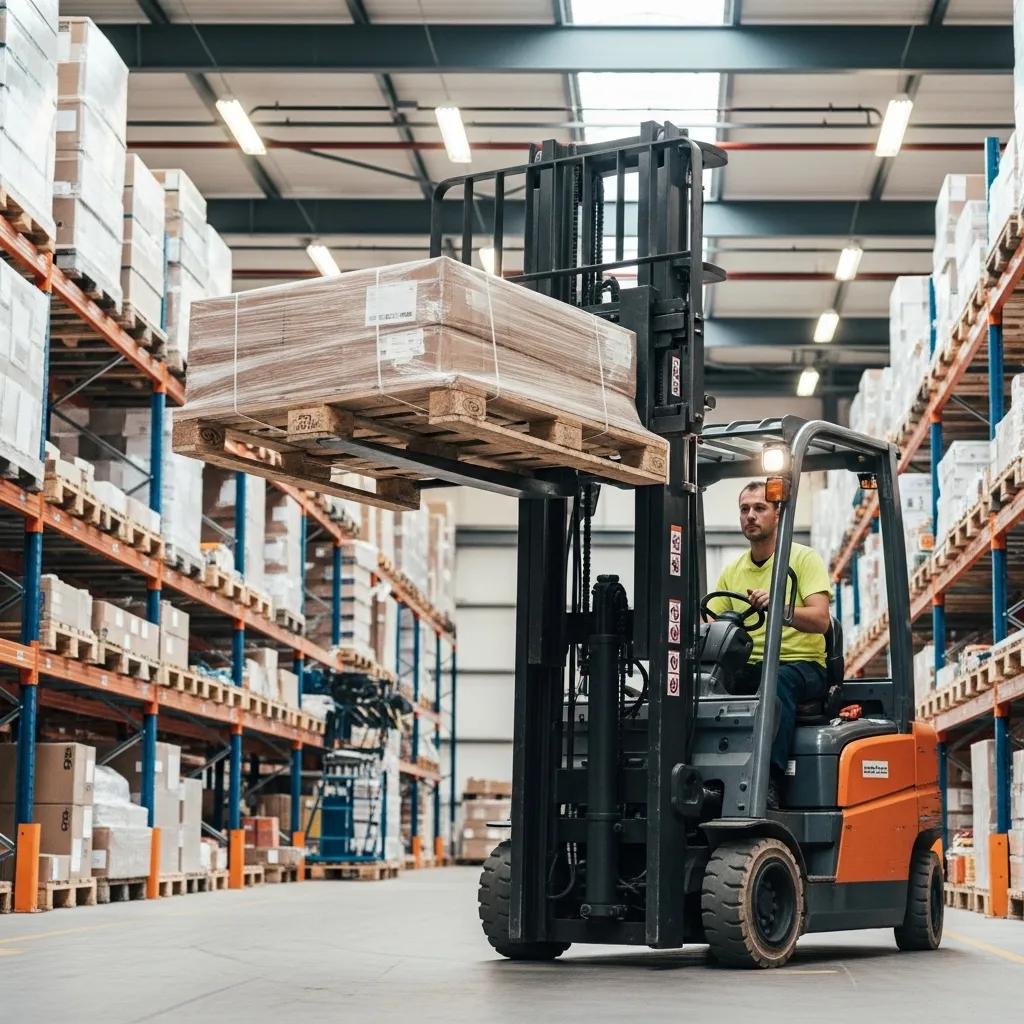
Forklift attachments are essential tools that significantly enhance productivity in various industrial settings. By integrating these attachments into your operations, you can streamline processes, reduce costs, and improve safety. This article will explore how forklift attachments can boost your productivity, focusing on their key benefits, types, safety improvements, selection criteria, and their role in optimising material handling and logistics. Additionally, we will discuss why partnering with a reliable supplier like Mandarin Imports Exports can further enhance your operational efficiency. What Are the Key Benefits of Using Forklift Attachments? Forklift attachments offer several advantages that can transform your warehouse operations. These benefits include increased efficiency, cost reduction, and enhanced safety. By understanding these key benefits, businesses can make informed decisions about integrating attachments into their operations. How Do Forklift Attachments Increase Warehouse Efficiency? Forklift attachments can significantly increase warehouse efficiency through various mechanisms. For instance, they enable faster loading and unloading times, which reduces the number of trips required to move goods. This efficiency is crucial in busy warehouses where time is of the essence. Additionally, attachments like side shifters and fork positioners allow for better space utilisation, enabling operators to maneuver loads more effectively in tight spaces. Further research emphasises the critical role of optimising forklift operations to boost overall warehouse efficiency. Enhancing Forklift Efficiency in Warehouse Operations importance of forklifts in materials handling and their impact on warehouse efficiency. The objective of this work is to investigate warehouse operations by improving and solving forklift Improving forklift efficiency by ECRS techniques: A case study in a logistics company, B Nadondu, 2024 In What Ways Do Attachments Reduce Operational Costs? Using forklift attachments can lead to substantial operational cost savings. By minimising labour costs through increased efficiency, businesses can allocate resources more effectively. Moreover, attachments help reduce equipment damage by ensuring loads are handled correctly, which in turn lowers maintenance costs. A detailed analysis of these cost savings can be beneficial for businesses looking to optimise their operations. Understanding the intricate dynamics of forklift work efficiency, including energy consumption, is vital for optimising logistics and minimising operational costs. Modeling Forklift Work Efficiency in Logistics This chapter deals with the modelling of forklift truck work efficiency in logistic warehouse systems. The derived kinematic formulas and energy relations enable the proper modelling and simulation of forklift truck work efficiency. Work efficiency is highly important considering the wastage of the energy supplied to the logistic system for handling unit loads. Model of forklift truck work efficiency in logistic warehouse system, P Zając, 2012 Which Types of Forklift Attachments Enhance Productivity? Several types of forklift attachments are designed to enhance productivity in different ways. Understanding these attachments can help businesses select the right tools for their specific needs. What Productivity Gains Do Side Shifters Provide? Side shifters are attachments that allow operators to move loads horizontally without repositioning the forklift. This capability improves load positioning and speeds up operations, particularly in tight spaces. By reducing the time spent adjusting loads, side shifters can enhance overall productivity significantly. How Do Fork Positioners Improve Material Handling? Fork positioners enable operators to adjust the width of the forks to accommodate various load sizes without leaving the cab. This adaptability reduces the need for manual adjustments, saving time and improving safety. The ability to handle different load types efficiently makes fork positioners a valuable addition to any material handling operation. How Can Forklift Attachments Improve Safety in Warehouse Operations? Safety is a critical concern in warehouse operations, and forklift attachments can play a significant role in enhancing safety measures. By minimising manual handling and providing specialised features, these attachments help create a safer working environment. What Safety Features Do Specialised Attachments Offer? Many specialised attachments come equipped with built-in safety features designed to protect operators and prevent accidents. For example, some attachments include safety guards and automatic shut-off mechanisms that activate when a load is improperly positioned. These features help ensure that operators can work confidently and safely. How Do Attachments Reduce Manual Handling Risks? Forklift attachments significantly reduce the need for manual handling, which is a common source of workplace injuries. By automating the lifting and moving of heavy loads, attachments help lower injury rates and improve ergonomics for operators. This reduction in manual handling not only enhances safety but also boosts overall productivity. The critical balance between operator safety and efficiency, and the factors influencing them, is a subject of ongoing research and analysis. Enhancing Forklift Operator Safety & Efficiency This paper explores the challenges warehouse operations face in meeting customer demand and managing rapid growth, focusing on the role of forklift operators. Despite their versatility and importance in warehouse operations, forklifts are also a significant safety concern, with thousands of work-related injuries and fatalities recorded annually. The paper presents findings from a literature review on the factors related to forklift operator safety and efficiency, including energy consumption, training, the Internet of Things, ergonomics, and human factors such as worker fatigue. The study aims to develop a methodological framework to enhance the efficiency and safety of forklift operators by integrating these factors. Forklift operator safety & productivity: A review of current research and future directions, A Sharotry, 2023 How to Choose the Right Forklift Attachments for Your Business Needs? Selecting the appropriate forklift attachments is crucial for maximising their benefits. Several factors should be considered to ensure the right fit for your operations. What Factors Influence Attachment Selection? When choosing forklift attachments, businesses should consider factors such as load type, environment, and budget. Understanding the specific requirements of your operations will help you select attachments that enhance efficiency and safety. How to Calculate the ROI of Forklift Attachments? Calculating the return on investment (ROI) for forklift attachments involves analysing the cost savings generated by increased efficiency and reduced operational costs. By comparing the initial investment in attachments with the long-term savings, businesses can make informed decisions about their purchases. How Do Forklift Attachments Optimise Material Handling and Logistics? Forklift attachments play a vital role in optimising
Custom Forklift Attachments Sydney, Australia: Tailored Solutions for Your Unique Industrial Needs
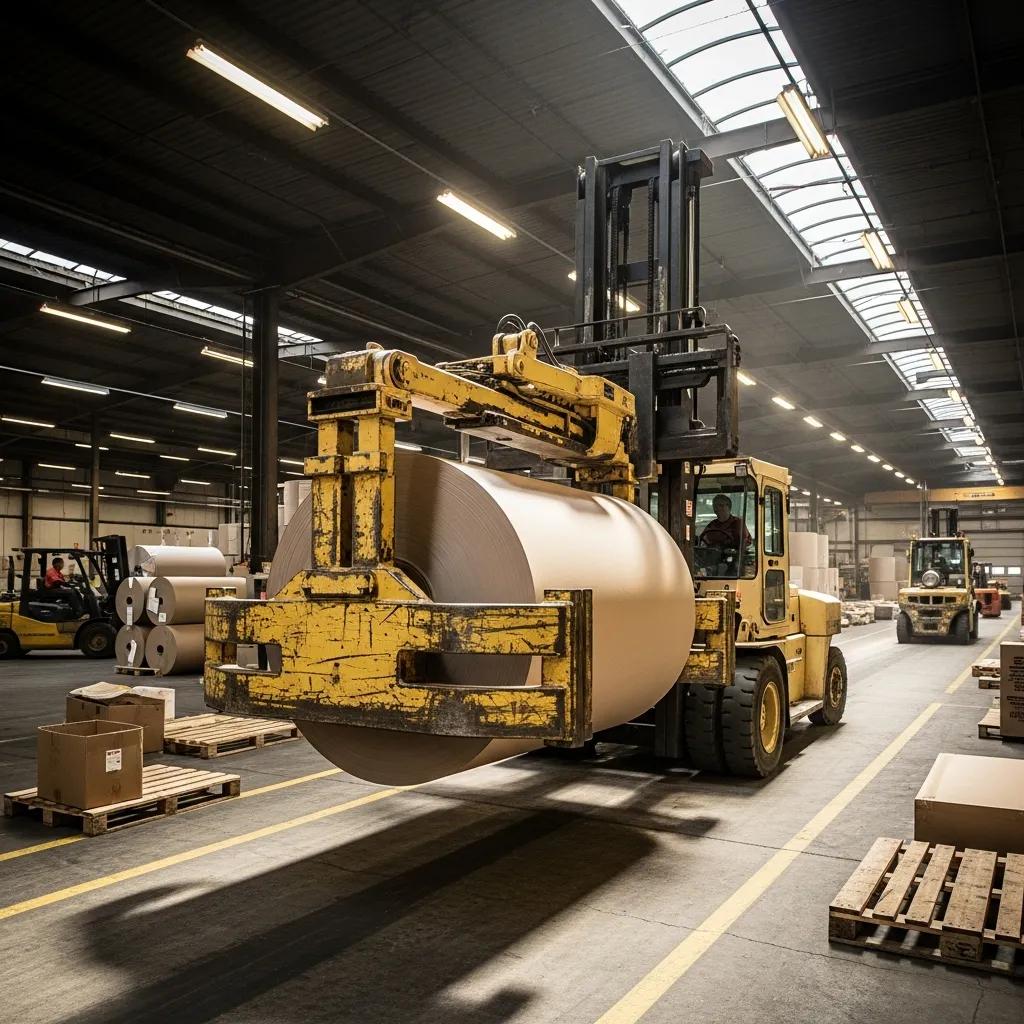
In the dynamic world of industrial operations, the efficiency and safety of material handling are paramount. Custom forklift attachments play a crucial role in enhancing the functionality of forklifts, allowing businesses to tailor their equipment to meet specific operational needs. This article delves into the various benefits of bespoke forklift attachments, the design process, and the types of attachments available, providing insights into how these solutions can optimise operations across different sectors. By understanding the advantages of custom attachments, businesses can make informed decisions that lead to improved productivity and safety in their operations. Why Choose Bespoke Forklift Attachments for Your Business in Sydney? Bespoke forklift attachments offer numerous advantages that can significantly enhance operational efficiency and safety. Custom attachments are designed to meet the specific requirements of a business, ensuring that they can handle unique loads and tasks effectively. This tailored approach not only improves productivity but also enhances safety by reducing the risk of accidents associated with improper handling of materials. How Do Custom Attachments Improve Efficiency and Safety? Custom attachments improve efficiency by allowing forklifts to perform specialised tasks that standard attachments may not handle effectively. For instance, tailored forklift jibs can extend reach and lift capabilities, enabling operators to access hard-to-reach areas. Additionally, these attachments can be designed with safety features that comply with industry standards, reducing the likelihood of accidents and injuries. While specific statistics vary by industry, many businesses utilising custom attachments report a decrease in workplace incidents, highlighting the importance of safety in material handling. Indeed, the push for tailored solutions comes as many industries still grapple with the limitations of conventional material handling systems. Designing Efficient Forklift Material Handling Systems However, today the majority of manufacturing companies still overly rely on the utilisation of standard forklift material handling systems for supporting their operations. In this paper, our goal is to present a novel process improvement method utilising Industry 4.0 principles which could significantly aid in the design of efficient forklift material handling systems. Presenting an innovative process improvement method for the efficient forklift material handling systems in the industry 4.0, R Skapinyecz, 2020 What Are the Cost and Durability Benefits of Tailored Forklift Solutions? Investing in custom forklift attachments can lead to long-term cost savings. While the initial investment may be higher than standard attachments, the durability and efficiency of bespoke solutions often result in lower maintenance costs and reduced downtime. Custom attachments are typically made from high-quality materials, such as steel and alloy, which enhance their lifespan. Furthermore, businesses can avoid the costs associated with equipment replacement by ensuring that their forklifts are equipped to handle specific tasks effectively. What Is the Custom Forklift Attachment Design Service Process? The design process for custom forklift attachments involves several key steps that ensure the final product meets the specific needs of the business. This process typically begins with a consultation to assess the operational requirements and challenges faced by the client. How Does Consultation and Needs Assessment Shape Your Custom Solution? During the consultation phase, experts work closely with clients to understand their unique operational needs. This assessment includes evaluating the types of materials being handled, the specific tasks required, and any safety concerns. By gathering this information, designers can create a tailored solution that addresses the client’s requirements effectively. What Role Do CAD Design and Quality Assurance Play in Fabrication? Computer-Aided Design (CAD) technology plays a crucial role in the fabrication of custom forklift attachments. CAD allows for precise modelling and simulation of the attachment, ensuring that it meets the required specifications before production begins. Quality assurance processes are also implemented to verify that the final product adheres to safety and performance standards, providing clients with confidence in their investment. Which Types of Specialised Forklift Attachments Can Be Customised? A wide range of specialised forklift attachments can be customised to suit various industrial applications. What Are the Features of Bespoke Forklift Jibs and Booms? Bespoke forklift jibs and booms are designed to extend the reach and lifting capabilities of forklifts. These attachments can be tailored to accommodate different load sizes and weights, making them ideal for construction and warehousing applications. Features such as adjustable lengths and load limit indicators enhance their functionality and safety. How Do Custom Clamps and Rotators Enhance Material Handling? Custom clamps and rotators are essential for improving material handling efficiency. These attachments can be designed to grip various shapes and sizes of materials securely, reducing the risk of slippage during transport. Additionally, rotators allow for precise positioning of loads, making them invaluable in applications where accuracy is critical. How Do Industrial Custom Forklift Solutions Serve Different Sectors in Australia? Custom forklift solutions are versatile and can be adapted to meet the needs of various industries, including construction, manufacturing, and logistics across Australia. Each sector has unique requirements that bespoke attachments can address effectively. What Custom Attachments Are Ideal for Construction and Manufacturing? In the construction sector, custom attachments such as heavy-duty forks and lifting beams are essential for handling large and heavy materials. Manufacturing facilities benefit from attachments designed for specific tasks, such as specialised clamps for handling sheet metal or pallets. These tailored solutions enhance productivity and ensure that operations run smoothly. How Can Bespoke Solutions Optimise Warehousing and Logistics Operations? In warehousing and logistics, bespoke forklift attachments can significantly improve efficiency. For example, custom-designed pallet forks can accommodate different pallet sizes, while specialised lifting devices can streamline the loading and unloading process. By optimising these operations, businesses can reduce turnaround times and improve overall productivity. What Are the Benefits and Success Stories of Custom Forklift Attachments? The benefits of custom forklift attachments extend beyond efficiency and safety; they also include enhanced operational flexibility and cost savings. Many businesses have successfully implemented bespoke solutions to address specific challenges in their operations. Which Case Studies Demonstrate Efficiency and Safety Improvements? Several case studies highlight the positive impact of custom forklift attachments. For instance, a logistics company that adopted bespoke clamps reported a 30% increase in loading efficiency
Unlocking Efficiency: Forklift Attachment Benefits to Improve Your Warehouse Operations
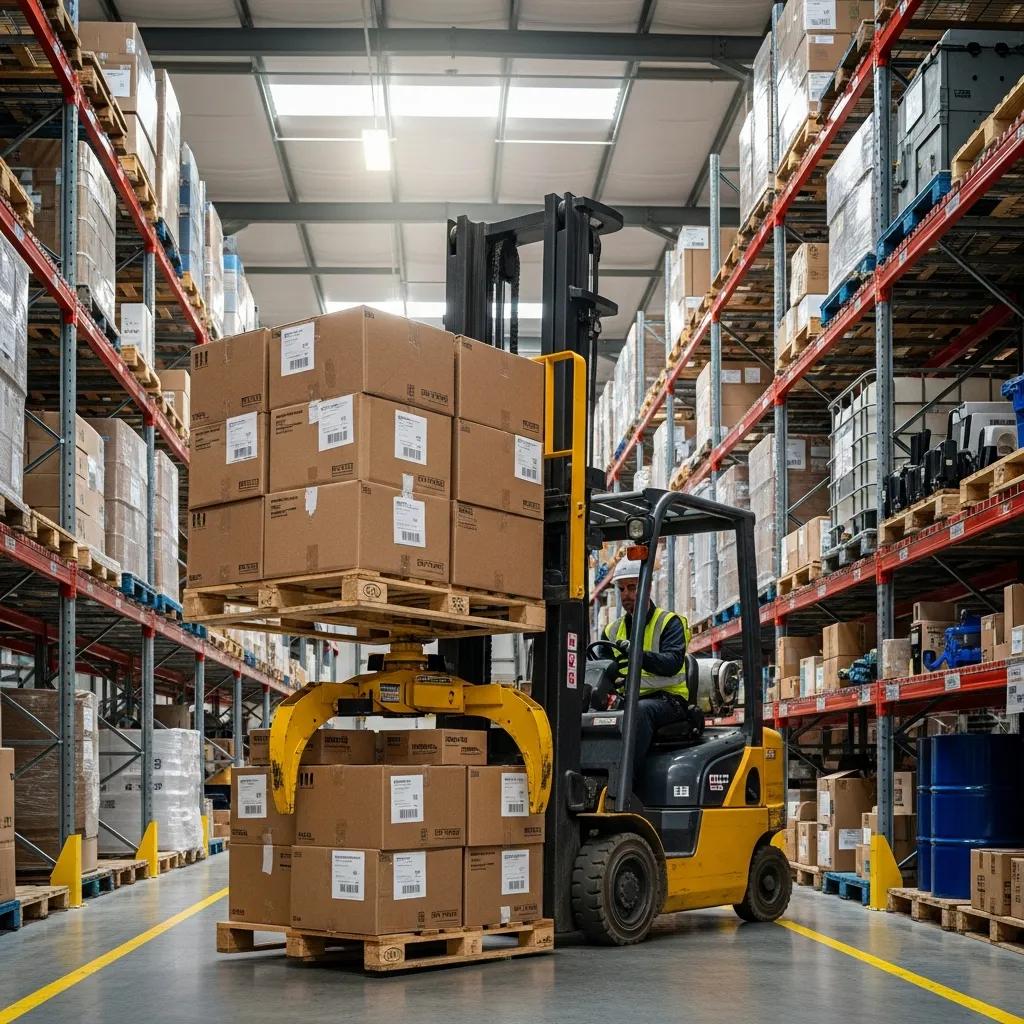
In the fast-paced world of warehouse management, operational efficiency is paramount. Forklift attachments play a crucial role in enhancing productivity, safety, and cost-effectiveness within warehouse environments. This article delves into the various benefits of using forklift attachments, exploring how they can transform your warehouse operations. Readers will learn about the key advantages of these attachments, the types available, and best practices for their maintenance. Additionally, we will discuss how to select the right attachments for your specific needs and the cost savings they can provide. What Are the Key Benefits of Using Forklift Attachments in Warehouses? Forklift attachments offer several key benefits that significantly enhance warehouse operations. These advantages include increased productivity, improved safety, and substantial cost savings. By integrating the right attachments, businesses can streamline their material handling processes, reduce manual labour, and ensure safer working conditions. How Do Forklift Attachments Increase Warehouse Productivity and Speed? Forklift attachments are designed to improve operational speed and efficiency. For instance, using fork extensions allows for handling longer or larger items safely, enabling operators to lift and transport loads that would otherwise require additional equipment or multiple trips. This reduces the time spent on each task, leading to a more efficient workflow. Furthermore, attachments like side shifters enable precise positioning of loads, minimising the need for repositioning and enhancing overall productivity. In What Ways Do Forklift Attachments Enhance Safety and Reduce Risks? Safety is a critical concern in any warehouse environment. Forklift attachments contribute to enhanced safety by ensuring secure load handling. For example, clamps and rotators help stabilise loads during transport, significantly reducing the risk of accidents. While specific statistics vary by industry and region, warehouses utilising appropriate attachments generally experience fewer workplace injuries, as these tools help comply with safety standards and regulations. The ongoing challenge of ensuring forklift operator safety and efficiency in warehouses is a subject of continuous research and development. Enhancing Forklift Safety & Productivity in Warehouse Operations This paper explores the challenges warehouse operations face in meeting customer demand and managing rapid growth, focusing on the role of forklift operators. Despite their versatility and importance in warehouse operations, forklifts are also a significant safety concern, with thousands of work-related injuries and fatalities recorded annually. The paper presents findings from a literature review on the factors related to forklift operator safety and efficiency, including energy consumption, training, the Internet of Things, ergonomics, and human factors such as worker fatigue. The study aims to develop a methodological framework to enhance the efficiency and safety of forklift operators by integrating these factors. Forklift operator safety & productivity: A review of current research and future directions, A Sharotry, 2023 Which Types of Forklift Attachments Optimise Warehouse Efficiency? Various types of forklift attachments are available, each designed to optimise specific aspects of warehouse efficiency. Understanding these options can help businesses select the most suitable attachments for their operations. What Are the Applications of Fork Extensions and Fork Positioners? Fork extensions and positioners are versatile attachments that allow forklifts to handle different load sizes effectively. Fork extensions enable operators to lift wider or longer loads safely, while fork positioners facilitate quick adjustments to the fork width, improving load stability. This versatility is particularly beneficial in industries where load sizes frequently vary, such as construction and manufacturing. How Do Clamps, Rotators, and Side Shifters Improve Material Handling? Clamps, rotators, and side shifters enhance material handling by providing flexibility and precision. Clamps securely grip loads, preventing slippage during transport. Rotators allow for easy load orientation, which is essential for tasks like unloading containers or rotating loads for stacking. Side shifters enable lateral movement of loads, making it easier to position items accurately without needing to reposition the entire forklift. How Can You Choose the Right Forklift Attachments for Your Warehouse Needs? Selecting the appropriate forklift attachments is crucial for maximising efficiency and safety in warehouse operations. Several factors should be considered during this process. What Factors Should Be Considered When Selecting Forklift Attachments? When choosing forklift attachments, businesses should evaluate factors such as load capacity, attachment compatibility with the forklift model, and operational requirements. Understanding the specific needs of your warehouse will help ensure that the selected attachments enhance productivity without compromising safety. How Does Mandarin Imports Exports Support Attachment Selection and After-Sales Service? Mandarin Imports & Exports specialises in providing expert consultation for selecting the right forklift attachments. Their extensive knowledge of warehouse solutions ensures that businesses receive tailored recommendations based on their unique operational needs. Additionally, they offer comprehensive after-sales support, including maintenance advice and parts availability, ensuring that clients can maintain optimal performance from their attachments. What Are the Best Practices for Maintaining Forklift Attachments to Ensure Efficiency? Regular maintenance of forklift attachments is essential for ensuring their longevity and performance. Implementing best practices can significantly enhance the efficiency of these tools. How Does Regular Maintenance Improve Forklift Attachment Performance? Regular maintenance, including inspections and servicing, can improve the performance of forklift attachments. By addressing wear and tear promptly, businesses can prevent costly downtime and extend the lifespan of their equipment. Well-maintained attachments operate more reliably and efficiently, contributing to overall warehouse productivity. What Safety Guidelines and Training Are Essential for Forklift Attachment Use? Proper training and adherence to safety guidelines are critical for the safe use of forklift attachments. Operators should be trained on the specific attachments they will be using, including safety protocols and operational best practices. This training helps ensure compliance with safety regulations and reduces the risk of accidents in the workplace. How Do Forklift Attachments Deliver Cost Savings and Return on Investment? Investing in forklift attachments can lead to significant cost savings and a strong return on investment (ROI) for businesses. In What Ways Do Attachments Reduce Labour and Equipment Costs? Forklift attachments can reduce labour costs by minimising the need for manual handling of materials. By automating certain tasks, businesses can operate with fewer personnel, leading to lower labour expenses. Additionally, attachments can reduce equipment wear and tear by enabling safer and more efficient
Unlock Efficiency: How Forklift Attachments Boost Warehouse Productivity and Safety
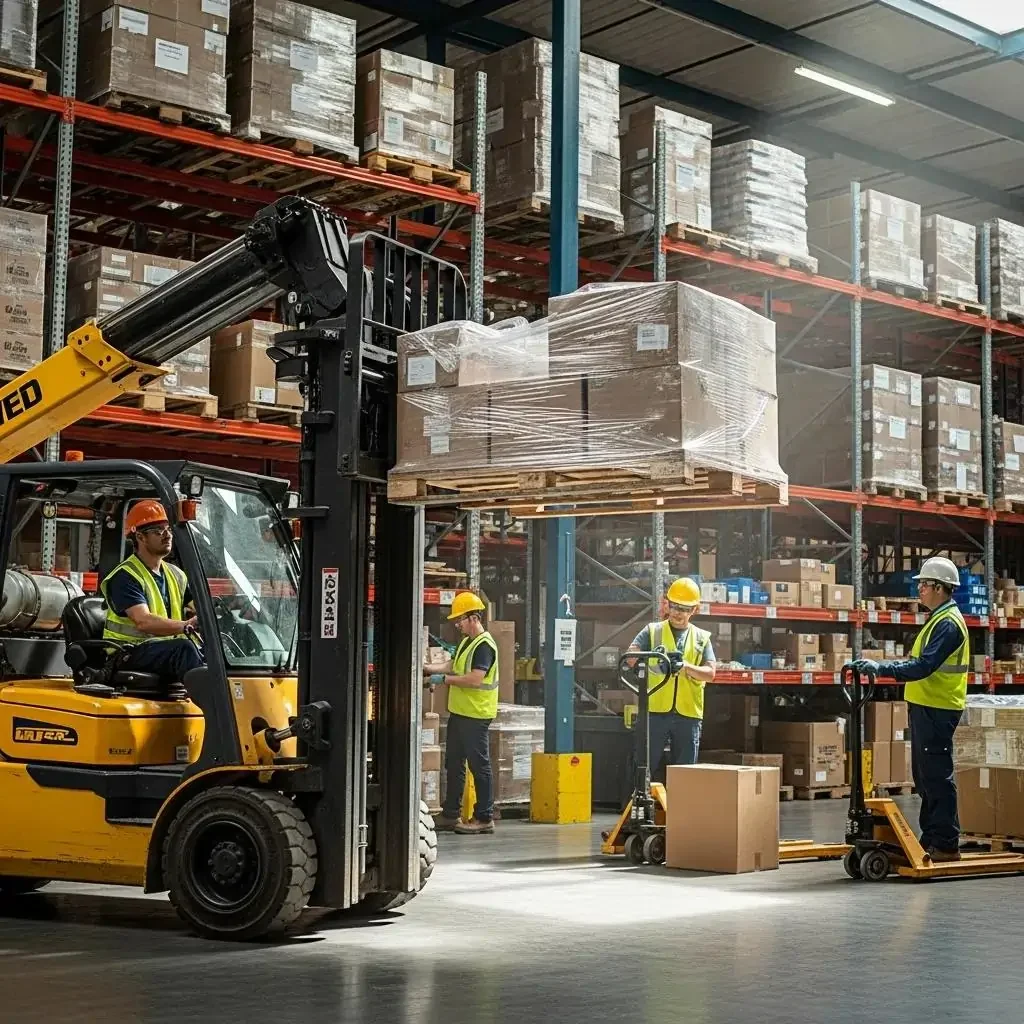
Forklift attachments play a crucial role in enhancing warehouse operations by improving efficiency and safety. These specialised tools allow forklifts to perform a variety of tasks, from lifting heavy loads to manoeuvring in tight spaces. In this article, we will explore the key benefits of using forklift attachments, the essential types available, and how they can help reduce operational costs while improving return on investment (ROI). Additionally, we will discuss best practices for safety and compliance in Australia, as well as tips for selecting and maintaining the right attachments for your business. By understanding the value of forklift attachments, warehouse operators can significantly enhance productivity and safety in their operations. To fully grasp their impact, it’s essential to understand the fundamental definition of a forklift attachment. What is a Forklift Attachment? A forklift attachment is a device for handling a load (other than conventional forks or a load backrest extension) Forklift Safety Fundamentals,# 20299, Test 20300, 2017 What Are the Key Benefits of Using Forklift Attachments? Forklift attachments offer several advantages that can transform warehouse operations. These benefits include increased efficiency, enhanced safety, and cost savings. How Do Forklift Attachments Increase Efficiency and Productivity? Forklift attachments are designed to optimise the capabilities of forklifts, allowing them to handle a wider range of tasks. For instance, attachments like side shifters enable precise load positioning, which reduces the time spent manoeuvring. Additionally, using specialised attachments can lead to faster loading and unloading processes, ultimately increasing overall productivity. Some industry reports suggest that warehouses utilising appropriate attachments can see productivity improvements of up to 20-30%, depending on the application. In What Ways Do Attachments Enhance Safety in Material Handling? Safety is paramount in any warehouse environment, and forklift attachments contribute significantly to safer operations. Attachments such as fork extensions and clamps provide better load stability, reducing the risk of accidents. Furthermore, many attachments are designed to comply with safety regulations, ensuring that operators can work confidently. Case studies indicate that warehouses implementing safety-focused attachments have experienced a decrease in workplace injuries, though the exact reduction varies by operation and safety program. Despite the safety enhancements offered by attachments, the inherent risks associated with forklift operations remain a significant concern, highlighting the ongoing need for vigilance. Enhancing Forklift Safety & Productivity in Warehouses This paper explores the challenges warehouse operations face in meeting customer demand and managing rapid growth, focusing on the role of forklift operators. Despite their versatility and importance in warehouse operations, forklifts are also a significant safety concern, with thousands of work-related injuries and fatalities recorded annually. Forklift operator safety & productivity: A review of current research and future directions, A Sharotry, 2023 Which Types of Forklift Attachments Are Essential for Warehouse Operations? Understanding the various types of forklift attachments is essential for optimising warehouse operations. Each attachment serves a specific purpose and can enhance the functionality of forklifts. What Are the Features and Uses of Common Attachments Like Side Shifters and Clamps? Common attachments include side shifters, which allow for lateral movement of loads, and clamps, which secure items during transport. Side shifters enhance maneuverability, making it easier to position loads accurately. Clamps are particularly useful for handling irregularly shaped items, providing a secure grip that minimises the risk of dropping loads. These attachments are vital for improving efficiency in diverse warehouse tasks. How Do Fork Extensions and Rotators Handle Oversized and Complex Loads? Fork extensions and rotators are essential for managing oversized and complex loads. Fork extensions increase the length of the forks, allowing for the safe handling of larger items without compromising stability. Rotators enable the forklift to rotate loads up to 360 degrees, facilitating easier placement and retrieval. These attachments are particularly beneficial in industries where oversized materials are common, such as construction and manufacturing. How Can Forklift Attachments Help Reduce Operational Costs and Improve ROI? Investing in forklift attachments can lead to significant cost savings and improved ROI for businesses. By enhancing the efficiency of material handling processes, these attachments can reduce labor costs and increase throughput. What Cost Savings Result from Using Versatile Forklift Attachments? Versatile forklift attachments can lead to substantial cost savings by minimising the need for multiple pieces of equipment. For example, a single forklift equipped with various attachments can perform tasks that would otherwise require several different machines. This consolidation reduces maintenance costs and lowers the overall capital expenditure for equipment. Additionally, the increased efficiency can lead to faster turnaround times, further enhancing profitability. Understanding the broader financial implications of forklift operations, including maintenance and utilisation, is key to maximising the cost-saving potential of attachments. Forklift Efficiency, Cost & Maintenance in Warehousing Forklifts are classified as indispensable equipment utilised in manufacturing and warehousing operations. Inflated costs are usually incurred due to the lack of knowledge or little insight into the true drivers of forklift operating expenses, maintenance, life cycle and efficient utilisation. A comprehensive study on all abovementioned aspects affecting forklifts would prove beneficial in the long run for any business that utilises such a fleet. Study on efficient forklift utilisation, cost & life cycle analysis, 2013 Indeed, a deeper understanding of forklift operating expenses, maintenance, and efficient utilisation is crucial for realising these cost savings and maximising profitability. Forklift Efficiency, Costs, and Maintenance in Warehousing Forklifts are classified as indispensable equipment utilised in manufacturing and warehousing operations. This equipment contributes a large percentage towards any warehouse and manufacturing operation. Inflated costs are usually incurred due to the lack of knowledge or little insight into the true drivers of forklift operating expenses, maintenance, life cycle and efficient utilisation. Study on efficient forklift utilisation, cost & life cycle analysis, 2013 How to Calculate the Return on Investment for Forklift Attachment Purchases? Calculating ROI for forklift attachments involves assessing the initial investment against the savings generated over time. Businesses should consider factors such as increased productivity, reduced labor costs, and lower equipment maintenance expenses. A simple formula to calculate ROI is: By analysing these metrics, businesses can make informed decisions about which
Heavy-Duty Forklift Accessories That Boost Efficiency: Essential Solutions for Warehouse and Construction Operations
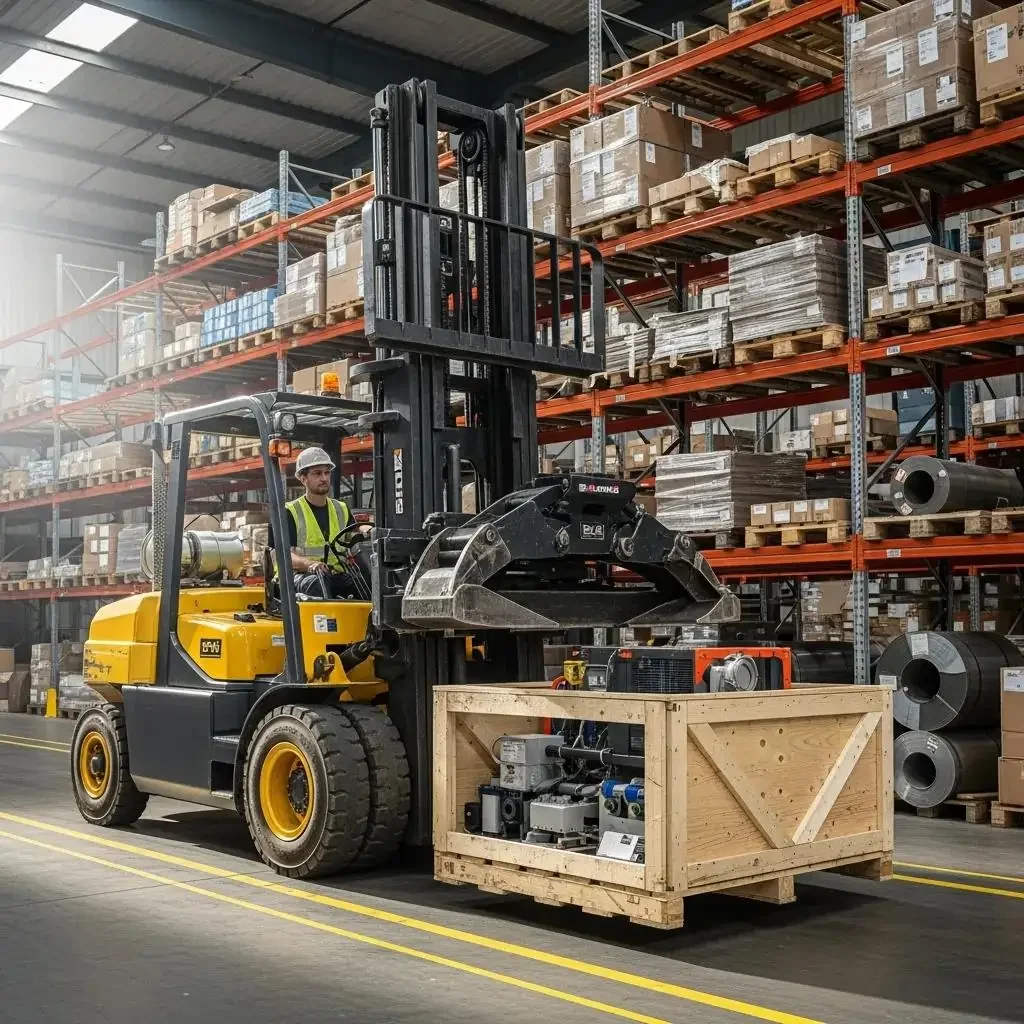
Heavy-duty forklift accessories are specialised attachments and parts that extend a forklift’s capabilities, enabling safer, faster and more reliable material handling across warehouses and construction sites. They work by adapting a standard forklift into task-specific equipment, adding reach, securing irregular loads, improving traction and simplifying dock transfers, to reduce handling time and lower incident risk. This article explains the most effective heavy-duty forklift attachments, tyres and support accessories, and shows how the right combinations cut downtime and operating costs while boosting throughput. Readers will learn which attachments suit particular loads, how tyre and tyne choices affect stability and maintenance, site-ready safety attachments for construction, and how container ramps and grapples streamline loading operations. Practical checklists, comparison tables and supplier integration notes are included to help procurement teams and site managers specify fit-for-purpose equipment with confidence. What Are the Key Heavy-Duty Forklift Attachments to Enhance Material Handling? Heavy-duty forklift attachments are purpose-built tools that change how a forklift interacts with loads, improving efficiency by reducing manual handling and enabling single-pass moves where multiple trips were previously required. Attachments like extensions, drum handlers, spreader beams and jibs modify reach, grip and load geometry so operators can transport awkward or heavy items safely and with fewer repositioning steps. Choosing the correct attachment depends on load type, forklift class and duty cycle, with compatibility checks and locking mechanisms critical to preserving safe working loads. The following comparison lists common attachments, their primary benefits and typical use-cases to make selection straightforward for procurement and operations planning. Top heavy-duty attachments and their one-line benefits: Forklift Extensions: Increase reach to handle long or bulky loads without compromising operator visibility. Forklift Drum Handlers: Secure drums to eliminate manual handling and prevent spills during transport. Spreader Beams and Jibs: Distribute load forces for lifting oversized items and enable slinging of pallet-less cargo. Rotators and Clamps: Allow controlled rotation and secure gripping for tipping, dumping or fragile materials. These attachments collectively reduce handling steps, which shortens cycle times and lowers labour exposure to manual lifting risks. Understanding attachment compatibility leads naturally to examining how specific extension types alter load centre and safe working load. How Do Forklift Extensions Improve Load Capacity and Reach? Forklift extensions are sleeves or bolted-on arms that lengthen the existing fork profile to accommodate longer or wider loads, and they work by shifting the load-bearing contact point further from the carriage. Slip-on extensions provide quick on/off versatility for intermittent long-load work, while bolt-on and custom extensions offer higher rigidity and more predictable load charts for continuous heavy-duty use. Operators must account for how extensions change the load centre and reduce safe working load; this is essential for maintaining stability and avoiding overloaded conditions. Regular inspection of locking pins, wear on contact faces and correct marking of adjusted load capacities ensures extensions deliver increased reach without compromising safety or forklift lifespan. The critical importance of understanding load center and its impact on forklift stability is further emphasised by studies on the stresses involved in lifting operations. Forklift Stability & Load Center for Safe Material Handling This study discusses how to design a system to establish the stability of a forklift fork working with different weights using designing and simulation software. The stresses which appear in the lifting installation of a fork-lift truck at loading-unloading operations are investigated for given input data like load carrying capacity of the fork, the effects of various loads on different positions of the fork regarding stresses and then compare calculated Stresses with allowable material stresses (yield stress/F.O.S). This paper focuses on the significance of Load Centre when subjected to loading at different positions. What Benefits Do Industrial Forklift Drum Handlers Provide? Forklift drum handlers clamp, cradle or engage drum heads so operators can lift, tilt and transport drums without manual handling, and they prevent costly spills and repetitive strain injuries. Mechanical and hydraulic grip designs secure 200L and other common drum sizes with rated capacities and often include rotation or semi-rotation features to aid decanting. Using a drum handler reduces transfer time, improves containment for hazardous liquids and minimises the need for additional personnel during drum moves. A product-features checklist, secure clamp, capacity rating, rotation control and easy-fit attachment, helps teams choose the correct drum handler for chemicals, oils or food-grade containers and supports safer, more efficient drum logistics. Attachment Typical Size / Capacity Primary Use-Case Fork extensions Varies by forklift and extension length Long timber, piping, and sheet materials Drum handler Designed for standard industrial drums 200L chemical and oil drums Spreader beam Depends on beam length and load rating Oversized machinery or bundled loads This table clarifies common attachment selection by matching capabilities to real-world tasks and highlights why secure fittings and rated capacities are essential before deployment. For on-site sourcing of these heavy-duty attachments, Mandarin Imports Exports supplies a range of extensions, tynes and drum handling attachments suitable for warehouse and construction applications, and can advise on compatibility and product specifications to match specific forklift classes. After choosing an attachment, the next critical decision is tyre and tyne selection, which directly influences the stability and uptime of your material handling fleet. How Do Heavy-Duty Forklift Tyres and Tynes Contribute to Operational Efficiency? Tyre and tyne selection determines a forklift’s traction, shock absorption and load-bearing behaviour, and choosing the right combination directly reduces downtime while improving operator confidence and load stability. Solid, pneumatic and semi-pneumatic tyres each have distinct performance profiles: solid tyres resist punctures and deliver longevity in debris-prone yards, pneumatic tyres offer better ride comfort on uneven terrain, and semi-pneumatic tyres strike a compromise between resilience and cushioning. Forklift tynes, manufactured from high-tensile steels, manage load transfer to pallets and reduce product damage when specified at correct lengths and capacities. Prioritising correct tyre compound and tyne specification lowers total cost of ownership by reducing emergency replacements, protecting drivetrains from shock loads and improving consistent cycle times. Key tyre and tyne benefits for efficiency: Reduced Downtime: Durable tyres lower puncture-related stoppages and maintenance windows. Improved Stability: Correct tyre/tyne
Essential Forklift Attachment Options for Efficient Warehousing: Comprehensive Guide to Boost Productivity and Safety
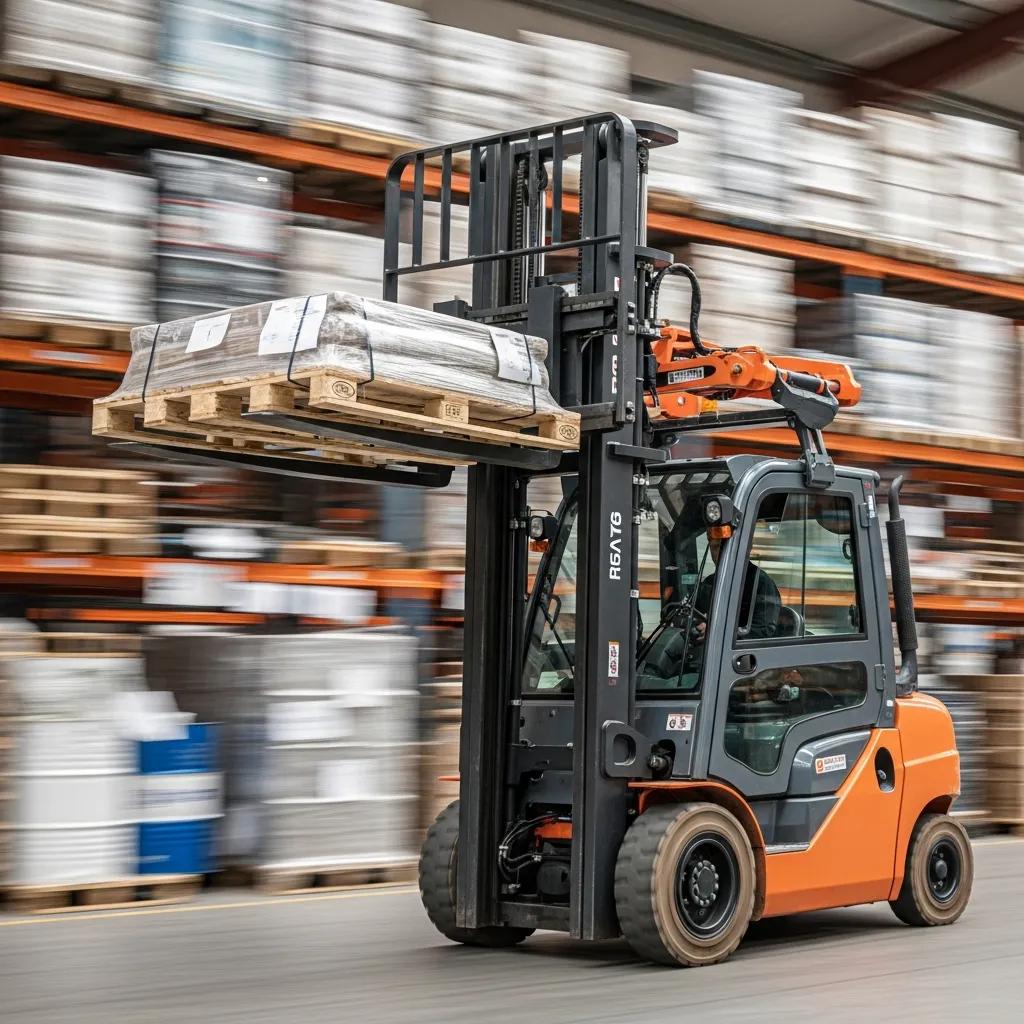
Forklift attachments are specialised implements that expand a truck’s capabilities beyond simple fork carriage operations, enabling safer, faster and more flexible material handling in busy warehouses. These attachments work by altering the forklift’s interface with loads, for example by extending reach, shifting laterally, or providing clamping and rotation, which directly improves throughput, reduces manual handling and mitigates damage. Warehouse managers and operations leads will learn which attachment categories deliver the greatest productivity gains, how accessories and safety options reduce incidents, and how to choose the right combination for specific layouts and load types. This guide maps essential attachment types, explains technical and safety considerations, and presents a practical decision checklist to help buyers and hirers prioritise investments. It also highlights where local suppliers and hire services can support trials and after-sales support for Sydney warehouses, ensuring readers leave with actionable next steps for selecting and deploying attachments that boost efficiency and safety. What Are the Key Forklift Attachments for Enhancing Warehouse Efficiency? Key forklift attachments convert a standard lift truck into purpose-built material handling equipment that addresses oversized, fragile or irregular loads while improving cycle times and placement accuracy. These high-impact attachments include fork extensions for long loads, side shifters for lateral adjustment, clamp attachments for irregular items, fork positioners to speed spacing changes, and drum handlers for secure barrel movement; each option alters the truck’s interaction with the load and therefore the load centre, handling profile and safety envelope. Choosing the right set of these core attachments reduces repositioning time, minimises product damage and increases throughput at racking and loading bays. Below is a concise list of essential attachments with one-line benefits to aid quick snippet-style decision-making. Essential attachments and primary efficiency benefits: Fork extensions: Extend reach to stabilise long or bulky loads and reduce overhang damage. Side shifters: Allow lateral fork movement for precise placement without repositioning the truck. Clamp attachments: Secure irregular or soft packaging to eliminate pallet dependency. Fork positioners: Adjust fork spacing hydraulically to speed multi-pallet operations. Drum handlers: Provide secure handling and rotation for barrels to prevent spills. This compact overview highlights attachments that most directly boost throughput; the following table provides a quick comparison of common load-handling attachments to help match capability to use-case. Different attachments have distinct dimensions, capacities and ideal use-cases to guide selection and installation. This comparison clarifies how each attachment alters handling parameters; assessing capacity and compatibility next helps prioritise purchases or hire trials. For warehouses seeking local supply, Mandarin Imports & Exports supplies a wide range of these common attachments and can advise on product compatibility and availability across Sydney suburbs. How Do Fork Extensions Improve Handling of Oversized Loads? Fork extensions are purpose-made sleeves or longer blades fitted over standard fork tynes to increase the effective supporting length, which reduces the risk of back-end tipping and prevents load overhang from contacting racking or personnel. By shifting the load support point further forward, extensions change the load centre and therefore require recalculation of rated capacity and adherence to safe working loads; selecting extension length should consider both the longest load handled and the truck’s published capacity curves. Typical applications include timber, ducts, piping and other elongated materials where balanced support across the length prevents bending and product damage. Proper installation and regular inspection for wear, distortion and secure locking mechanisms are essential to maintain safety and predictable lift behaviour, and operators must be briefed on altered lift limits. Understanding these capacity and safety trade-offs prepares managers to select extensions that match both vehicle ratings and the warehouse’s long-load profile. What Benefits Do Side Shifters Offer for Precise Load Positioning? Side shifters enable smooth lateral movement of the fork assembly without moving the truck, by using a hydraulic cylinder to shift the carriage left or right; this mechanism reduces the number of repositioning manoeuvres required during racking, loading and truck assembly tasks. The direct benefit is measurable time savings per lift cycle and fewer tight-space manoeuvres, which lowers congestion in narrow aisles and reduces the risk of contact damage to pallets and racking systems. Maintenance is straightforward but requires periodic checks of the hydraulic seals, guide bushings and mounting bracket integrity to prevent drift and ensure accurate lateral travel. Side shifters pair well with fork positioners and laser guides to give precise, repeatable placement; operators trained in combined use can cut average placement time while improving load accuracy in dense storage environments. Which Specialised Forklift Attachments Optimise Material Handling? Specialised attachments address industry-specific load profiles where traditional pallet forks are inadequate; these include clamp variants, drum handlers, paper roll clamps, push-pull units and rotators that enable handling of non-palletised, delicate or rotationally sensitive items. Such attachments provide functional traits, grip control, rotation, or controlled squeeze, that prevent product damage and allow single-operator handling of complex loads, which enhances throughput in sectors like manufacturing, paper converting, beverage and stone distribution. When selecting specialised equipment, focus on attachment-specific attributes such as gripping surface, rotation range, hydraulic requirements and carriage compatibility because mismatches can cause unsafe operation or inefficient cycles. The table below summarises technical attributes and compatibility notes for several common specialised attachments to support decision-making. The following table outlines capacity and compatibility considerations for specialised attachments. This tabular view helps operations teams align attachment choice with load geometry and truck hydraulic capacity, reducing trial-and-error procurement cycles. Following clamp and drum handling guidance reduces product damage and streamlines load flow in specialised operations. How Do Clamp Attachments Facilitate Handling of Irregular Items? Clamp attachments use opposing pads or arms to grip loads securely without pallets, enabling handling of appliances, boxed goods, stone slabs and other irregular shapes that would otherwise require skids or manual handling. The gripping mechanism distributes pressure across contact surfaces to minimise point loading and product marks, and pad material and contact area must be chosen to match the item’s surface finish and fragility. Clamps reduce the need for secondary packing and speed pick-and-place operations in production lines and retail distribution where palletising is inefficient. Selection should